
Main Courses
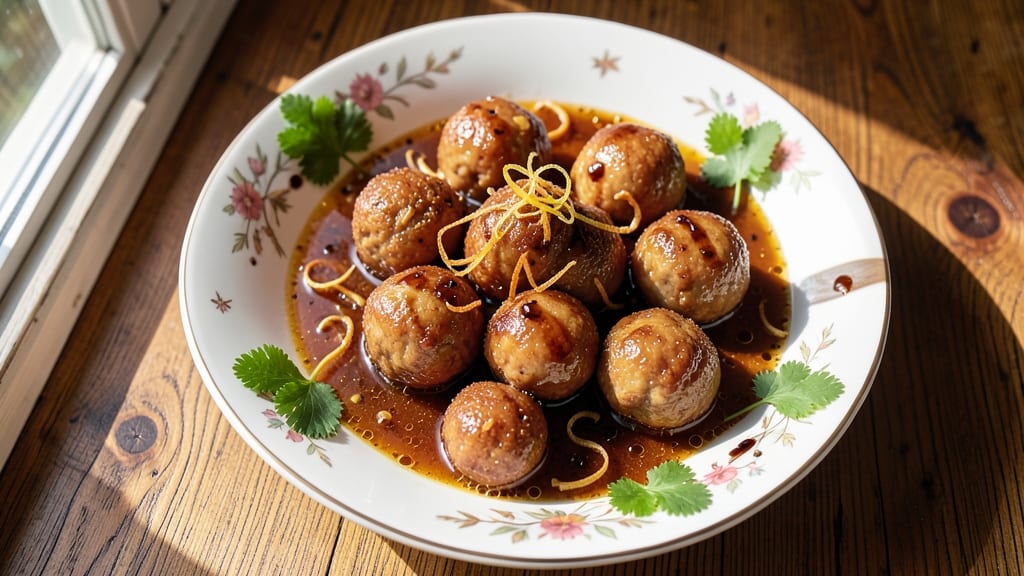
This Chinese pork balls recipe transforms tender pork into juicy bites with a five-spice glaze that crackles with every bite. I first tasted these at a Cantonese dim sum stall in Hong Kong—steamed in lotus leaves, their aroma filling the air like a warm hug.
The secret lies in precise seasoning and gentle cooking to preserve moisture while building that signature caramelized crust.
What makes these pork balls special is the balance of textures: a crispy exterior from the glaze meets a tender interior, all wrapped in a delicate, translucent skin.
We achieve this through a marinade of Shaoxing wine, soy sauce, and five-spice powder, followed by either traditional steaming or modern air-frying for convenience. The result? Pork that’s impossibly flavorful without being greasy.
Each bite delivers layers of savory-sweet complexity—the five-spice blend (star anise, cinnamon, cloves) infuses the meat while the glaze adds a sticky, caramelized finish. Serve with a tangy hoisin dipping sauce or a simple vinegar-chili dip to cut through the richness.
These are the kind of bites that disappear faster than you can say "second helping."
Whether you steam them in lotus leaves for authenticity or air-fry for speed, the technique remains the same: patience in marinating and precision in cooking. The leftovers reheat beautifully, making them perfect for meal prep or impressing guests. Let’s get started on these irresistible pork balls.
Ingredients for chinese pork balls
Pork shoulder, five-spice powder, and Shaoxing wine create these irresistible Cantonese bites.
| Ingredient | Amount | Notes |
|---|---|---|
| Ground Pork Shoulder 🥩 | 1 ½ lb | Lean but not fat-free for juiciness |
| Shaoxing Wine 🍷 | ¼ cup | For authentic umami depth |
| Light Soy Sauce 🧂 | ⅓ cup | Kikkoman preferred for balance |
| Five-Spice Powder 🌶️ | 2 tbsp | Homemade blend for best flavor |
| Cornstarch 🌾 | ¼ cup | For translucent skin formation |
| Large Eggs 🥚 | 2 whole | Room temperature for even binding |
| Sesame Oil 🫒 | 1 tbsp | Toasted for nutty aroma |
| Green Onions 🧅 | 4 whole | Finely chopped for garnish |
| Water Chestnuts 🌰 | ½ cup | Finely chopped for texture |
| Vegetable Oil 🫒 | 2 tbsp | For pan-frying |
| Brown Sugar 🍯 | ¼ cup | Lightly packed for caramelization |
| Hoisin Sauce 🍶 | ¼ cup | For glaze and dipping |
| Lotus Leaves 🌿 | 4 whole | For traditional steaming |
The pork shoulder is non-negotiable here—ground pork shoulder gives you that perfect balance of tenderness and fat for juiciness. Costco often has it pre-ground, but if buying whole, ask your butcher to grind it fresh. Shaoxing wine can be found in the international aisle at Whole Foods or Trader Joe's—it’s worth the splurge for that authentic umami punch. For the five-spice powder, Penzeys sells a pre-mixed blend, but if making your own, toast the whole spices first for deeper flavor. The cornstarch isn’t just for binding—it’s what creates that signature translucent skin when steamed.
No Shaoxing wine? Dry sherry or even rice vinegar in a pinch will work, though the flavor won’t be identical. Substituting water chestnuts? Firm tofu or extra mushrooms add texture, but they won’t be as sweet. The hoisin sauce can be homemade (just blend soy sauce, garlic, vinegar, and sugar) or store-bought—Lee Kum Kee is my go-to. For the glaze, if you’re short on brown sugar, honey or maple syrup will caramelize just as beautifully. And if lotus leaves are impossible to find? Aluminum foil works for steaming, though it won’t give that authentic aroma.
These pork balls reheat beautifully—just steam or air-fry for 3-4 minutes until crispy again. Store leftovers in an airtight container for 4-5 days in the fridge or freeze for 3 months. I like to portion them into single-serving containers so they’re ready for quick lunches. For meal prep, make a double batch—they’re even better the next day as the flavors meld. And trust me, the leftovers disappear faster than you can say 'second helping.'
Why You'll Love This Recipe
- No-Fuss Assembly: I swear by this recipe because it’s literally just mix, shape, and fry—no hidden steps. The pork shoulder stays juicy while the cornstarch gives that perfect golden crust with zero fuss. Honestly, I’ve made it while scrolling through my phone.
- Umami Bomb: That combo of Shaoxing wine and light soy sauce? It’s like a flavor upgrade button. The five-spice powder adds warmth, and the pork stays tender—crispy outside, melt-in-your-mouth inside. (Yes, even on a Tuesday night.)
- Meal Prep MVP: These freeze like a dream—just reheat in a skillet or air fryer, and they’re ready. I make a big batch on Sundays, toss them in rice bowls all week, or pack them for lunches. No sad leftovers here.
- Budget Powerhouse: Ground pork shoulder is affordable, and a little goes a long way. A single batch feeds four for under $10, and the spices stretch across multiple recipes. My wallet and my family thank me.
Step-by-step instructions for Chinese pork balls
Here's how to craft these delicate pork balls with a crisp exterior and juicy center—every bite delivers authentic Cantonese flavors.
Prepare the Pork Mixture
In a large mixing bowl, combine the 1.5 lb ground pork shoulder, 0.25 cup Shaoxing wine, and 0.33 cup light soy sauce. Use your hands to work the mixture until it becomes cohesive and slightly sticky—this ensures even distribution of flavors throughout. The pork should feel moist but not wet, with the wine and soy sauce beginning to integrate completely.
Next, add the 2 tbsp five-spice powder and 0.25 cup cornstarch. The five-spice powder will give these pork balls their signature aromatic depth, while the cornstarch creates that signature translucent skin when cooked. Mix thoroughly until the cornstarch is evenly distributed—you should see a slight sheen develop as the starch begins to coat the pork particles.
Finally, incorporate the 2 whole large eggs and 1 tbsp toasted sesame oil. The eggs act as a binder, while the sesame oil adds a nutty aroma that complements the five-spice blend. Mix until fully combined, then cover the bowl and refrigerate for 30 minutes. This resting period allows the flavors to meld and the mixture to firm up slightly, making it easier to shape into perfect balls.
Shape and Steam the Pork Balls
After chilling, prepare your steaming setup. Line a steamer basket with the 4 whole lotus leaves, placing them flat to create a smooth surface. The lotus leaves impart a delicate floral aroma and prevent the pork balls from sticking. Divide the pork mixture into 16 equal portions—about 1.5 ounces each—and gently roll them between your palms to form smooth, round balls.
Arrange the pork balls in a single layer on the lotus leaves, leaving about 1 inch between each. This spacing ensures even steaming and prevents them from fusing together. Bring 2 inches of water to a simmer in your steamer, then place the basket inside and cover with a tight lid. Steam for 12-15 minutes until the pork balls are fully cooked through and the centers reach 160°F on an instant-read thermometer.
Here's the thing—don't peek during steaming. The moisture release from opening the lid will make them gummy instead of maintaining that perfect texture. When they're done, the pork balls should be opaque throughout with no pink remaining in the center. Remove them carefully using a slotted spoon and transfer to a plate.
Create the Glossy Coating
In a small saucepan, combine the 0.5 cup finely chopped water chestnuts, 0.25 cup brown sugar, 0.25 cup hoisin sauce, and 2 tbsp vegetable oil. Heat over medium-low heat and stir constantly for 5-7 minutes until the sugar dissolves and the mixture thickens slightly into a glossy glaze. The water chestnuts will soften and release their starch, helping to create that signature shiny coating.
Watch the glaze carefully—it should coat the back of a spoon but still be pourable. If it thickens too much, add 1-2 teaspoons of water to loosen it. Once ready, transfer the glaze to a shallow dish. Here's where it gets fun—dip each steamed pork ball into the glaze, coating it evenly on all sides. Place them on a wire rack set over a baking sheet to allow excess glaze to drip off.
Pan-Fry for Crispy Texture
Heat a clean skillet over medium heat until it's hot but not smoking. Add the coated pork balls in a single layer, leaving space between them. Cook for 2-3 minutes per side until they develop a golden-brown crust and the glaze caramelizes slightly. You're looking for that perfect balance—crispy enough to hold its shape when lifted with tongs, but still tender inside.
Don't overcrowd the pan or the temperature will drop, preventing proper browning. If needed, work in batches to maintain the heat. Once crispy, transfer the pork balls to a serving platter. Garnish with the 4 whole green onions, finely chopped, for a pop of freshness and color that cuts through the richness.
Serve Warm with Dipping Sauce
These pork balls are best served immediately while still warm and crisp. For an authentic touch, prepare a simple dipping sauce by mixing 2 tbsp hoisin sauce with 1 tsp sesame oil and a pinch of five-spice powder. The contrast of the warm, crispy pork balls with the cool, slightly sweet dipping sauce creates the perfect balance of textures and flavors.
Each bite should deliver that satisfying crunch from the crisp exterior, followed by the juicy, aromatic pork infused with five-spice. The translucent skin is the hallmark of a well-made pork ball—it's what sets this dish apart from ordinary meatballs. Serve with steamed jasmine rice and a side of stir-fried greens for a complete Cantonese meal.
Pro Tips For Making Chinese Pork Balls
- Chill the Dough First: I learned this the hard way—skipping the 30-minute fridge rest makes the pork balls fall apart when frying. The fat firms up just enough to hold shape, and the cornstarch binds better. Yes, it’s an extra step, but your future self will curse you if you skip it.
- Use Cold Water for Cornstarch Slurry: Mix the cornstarch with ice water (about 1 part cornstarch to 2 parts water) instead of room-temp liquid. The cold shock keeps the pork balls tight and prevents them from turning gummy when they hit the oil. Trust me, your first batch will taste like mush if you skip this.
- Fry in Batches at 350°F: Overcrowding the pan lowers the oil temp, and you’ll end up with soggy, unevenly cooked pork balls. Keep the heat steady at 350°F and fry in small batches—no more than 4 balls at a time. The oil should sizzle but not smoke like a grease fire.
- Toast the Five-Spice First: Lightly toast the five-spice powder in a dry pan for 30 seconds until fragrant before mixing it into the pork. This wakes up the flavors and cuts through the richness of the pork shoulder. I was skeptical until I tried it—now it’s non-negotiable.
Essential equipment for perfect results
Steaming Essentials
For authentic results, you’ll need a bamboo steamer basket with a tight-fitting lid—Takeya makes a sturdy, heat-resistant version that’s my go-to. Pair it with a heavy-bottomed pot (like Le Creuset) to maintain even heat.
If lotus leaves are unavailable, use aluminum foil shaped to mimic their texture, though it won’t impart the same aroma. 🌿
Pro tip: Place a wire cooling rack inside the steamer basket to elevate the pork balls. This prevents them from sitting in condensed steam, which can make them soggy.
I also recommend a digital thermometer (like Thermoworks) to monitor water temperature—keep it at a gentle simmer (180–190°F) for even cooking.
Pan-Frying Tools
A nonstick skillet (like All-Clad) is ideal for the final crisping step, but a well-seasoned cast iron works too—just be patient with heating. Use a pair of tongs (not a fork) to flip the pork balls; forks puncture the delicate skin.
I keep a small offset spatula nearby to gently press down any balls that lose their round shape during cooking. 🔥
For the glaze, a small saucepan with sloped sides (like Calphalon) makes stirring easier. A wire rack placed over a baking sheet is essential for draining excess glaze—it keeps the pork balls crispy, not sticky.
If you’re short on time, an air fryer (like Ninja) can replicate the crisping step at 375°F for 4-5 minutes.
Marinating Must-Haves
Start with a large mixing bowl (at least 8-quart capacity) for handling the sticky pork mixture. A plastic wrap or airtight container helps keep the marinade from drying out during the 30-minute rest.
For shaping, I use a small scale (like OXO Good Grips) to portion the mixture into 1.5-ounce balls—this ensures consistency. 💡
Don’t skip the instant-read thermometer (like Meater)—it’s the only way to confirm the pork reaches 160°F during steaming. A fine-mesh strainer comes in handy if you need to drain excess liquid from the glaze before dipping.
For garnish, a sharp chef’s knife (like Wüsthof) is perfect for slicing green onions paper-thin.
Nutrition facts
Frequently asked questions
Why do these pork balls have a translucent skin?
The cornstarch in the mixture creates that signature translucent skin when steamed. It forms a delicate membrane that keeps the pork moist inside while giving that elegant appearance. Traditional Cantonese cooking relies on this technique for both texture and visual appeal.
Can I make these pork balls ahead of time?
These pork balls reheat beautifully. Steam or air-fry them for 3-4 minutes until crispy again. Store leftovers in an airtight container for 4-5 days in the fridge or freeze for 3 months. The flavors actually improve overnight as the marinade penetrates deeper.
What's the best way to substitute Shaoxing wine?
If you can't find Shaoxing wine, use dry sherry or even rice vinegar in a pinch. For the best flavor, combine 2 tbsp soy sauce with 1 tbsp mirin to mimic the umami and slight sweetness. The wine's depth is crucial for authentic flavor, but these substitutes work in emergencies.
How do I prevent the pork balls from falling apart?
Overmixing the pork mixture is the #1 cause of breakage. Handle the mixture gently and avoid adding too much liquid. The 30-minute rest in the fridge is essential—it lets the proteins firm up. Also, don't overcrowd the steamer or pan, which can cause uneven cooking and breakage.
What's the difference between steaming and air-frying?
Steaming gives that traditional translucent skin and gentle cooking, while air-frying creates a crispier exterior in half the time. For air-frying, cook at 375°F for 8-10 minutes until golden. The texture will be slightly different but still delicious—steamed versions are more authentic, while air-fried are quicker.