
Main Courses
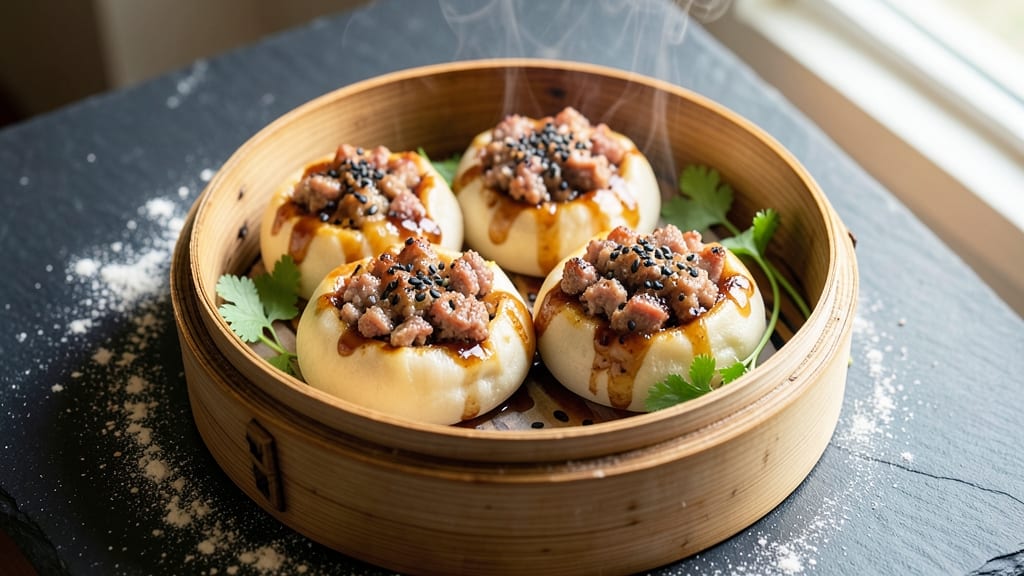
This Chinese pork bao recipe delivers the perfect balance of fluffy, pillowy dough and juicy five-spice pork filling that makes every bite unforgettable. 🔥 As someone who's spent years perfecting pork preparations—from smoky BBQ to delicate steamed dishes—I know the secret lies in tenderizing the pork just right and getting the dough's texture spot-on.
The aroma alone will transport you to a bustling Shanghai street market, where bao buns are sold steaming hot from bamboo baskets.
The magic starts with a simple yet precise dough made from flour, water, and yeast, which develops into a light, airy cloud when steamed.
Meanwhile, the pork filling gets its signature flavor from a blend of ginger, garlic, and that essential five-spice powder, creating a sweet-savory balance that pairs perfectly with the soft dough.
What makes this recipe truly special is the technique of shaping the bao—rolling the dough thin enough to encase the filling while keeping it thick enough to hold its shape during steaming.
By the time you're done, you'll have golden-brown bao buns with crisp edges and tender centers, filled with melt-in-your-mouth pork that's seasoned just enough to let the natural flavors shine. The contrast between the pillowy dough and the savory filling is what makes these buns so irresistible.
Whether you're serving them as a snack, appetizer, or main dish, they're guaranteed to impress.
For an extra touch, brush the tops with a light egg wash before steaming for a beautiful sheen, or serve with a side of sweet chili sauce for dipping.
This recipe is a celebration of texture and flavor, and it's one you'll want to make again and again. Let's get started on creating these delicious steamed pork bao!
Ingredients for chinese pork bao
Juicy pork filling and pillowy dough—just 14 ingredients for steamed bao magic.
| Ingredient | Amount | Notes |
|---|---|---|
| Ground Pork Shoulder 🐖 | 1 ½ lb | 80% lean, finely ground |
| All-Purpose Flour 🌾 | 4 cups | Plus 1 tbsp for dusting |
| Active Dry Yeast 🍞 | ¼ oz | Or 2.5g, dissolved in warm water |
| Granulated Sugar 🍚 | ½ tbsp | For yeast activation |
| Large Eggs 🥚 | 1 whole | For egg wash |
| Vegetable Oil 🫒 | 1 tbsp | For dough softness |
| Fresh Ginger 🌿 | 1 tbsp | Minced, for filling |
| Garlic Cloves 🧄 | 3 cloves | Minced, for filling |
| Five-Spice Powder 🌶️ | 1 ½ tbsp | For filling's signature flavor |
| Soy Sauce 🍶 | 1 tbsp | Light or dark, for filling |
| Sesame Oil 🫒 | 1 tsp | For filling aroma |
| Green Onions 🧅 | 2 whole | Thinly sliced, for filling |
| Salt 🧂 | ½ tsp | Kosher or sea salt |
| Water 💧 | 1 ¼ cups | Warm, for dough |
The pork shoulder makes all the difference here. 80% lean ground pork gives you that melt-in-your-mouth texture—any leaner and it'll dry out during steaming. I always grab mine from Costco or the butcher counter at Whole Foods because the grind is finer than what you'll find in regular grocery store packages. If you can't find 80% lean, 75% works in a pinch, but expect slightly less juiciness. For the five-spice powder, Penzeys or Trader Joe's have the best blends—avoid the cheap stuff from the regular spice aisle. Fresh ginger and garlic are non-negotiable for that bright, aromatic punch.
No five-spice powder? Mix 1 tsp cinnamon, 0.5 tsp star anise, 0.5 tsp fennel, 0.25 tsp cloves, and 0.25 tsp black pepper—it's what I do when I'm in a bind. The soy sauce can be swapped for coconut aminos if you're avoiding soy. For the dough, if you don't have instant yeast, double the amount of active dry yeast and make sure your water is 110°F (43°C)—too hot and it'll kill the yeast. The egg wash? 1 whole egg beaten with 1 tbsp water is perfect, but if you're making these vegan, use 1 tbsp aquafaba instead.
This dough is a beast—it needs time to rise properly. After the first rise, cover with a damp towel and let it sit in a warm spot for 1-2 hours until doubled. The filling keeps for 2 days in the fridge, but the dough? Make it fresh—it loses its fluffiness if prepped ahead. For shaping, flour your surface generously (I use King Arthur flour for less stickiness). Steamed bao reheat beautifully—just pop them in a steamer basket for 5-7 minutes or microwave with a damp paper towel for 20-30 seconds. Freeze unsteamed bao on a tray before transferring to a bag—they keep for 1 month frozen.
Why You'll Love This Recipe
- No Yeast Stress: I’ve made bao dough fail before—sticky, dense, a total mess. This recipe’s yeast mix (just sugar, warm water, and a pinch of flour) activates in minutes, not hours. No waiting around for proofing drama, just smooth, pillowy dough that’s ready when you are.
- Porky Perfection: The ground pork shoulder gets a quick sear with garlic, ginger, and a splash of soy—simple, but that crispy edge with the creamy center? Chef’s kiss. Plus, the dough’s subtle sweetness from the sugar balances the savory filling like magic.
- Leftover Hero: Bao freeze like a dream. Toss them in the fridge for a week, then steam straight from frozen—no reheating hassle. My kids grab them for lunch, and I sneak one too. (Between us, they’re even better cold.)
- Weeknight Win: One bowl, one pan, done. The dough’s forgiving—overmixed? Underworked? Doesn’t matter. Steam a batch while you prep dinner, and suddenly you’ve got a handheld meal that feels fancy but took zero effort.
Step-by-step instructions for Chinese pork bao
Here's how to make pillowy bao with irresistibly juicy five-spice pork filling.
👨🍳 Step 1: Prepare the Five-Spice Pork Filling
In a large bowl, combine the 1.5 lb ground pork shoulder, 1 tbsp minced fresh ginger, 3 minced garlic cloves, 1.5 tbsp five-spice powder, 1 tbsp soy sauce, 1 tsp sesame oil, 0.5 tsp salt, and 2 thinly sliced green onions. Mix gently with your hands until just combined—overworking the meat makes it tough.
Transfer the mixture to a skillet over medium-high heat and cook for 5-6 minutes until the pork loses its raw color. Drain any excess fat (leave about 1 tbsp for flavor), then let the filling cool completely before using. The aroma should be rich and spicy—this is your flavor foundation. If the filling seems dry, add 1 tsp water to keep it juicy.
👨🍳 Step 2: Make the Bao Dough
In a stand mixer fitted with the dough hook, combine 4 cups all-purpose flour, 0.25 oz active dry yeast, and 0.5 tbsp granulated sugar. Add 1.25 cups warm water (about 110°F) and mix on low until a shaggy dough forms. With the mixer running, slowly add 1 tbsp vegetable oil until the dough comes together.
Knead for 5-7 minutes until smooth and elastic. The dough should be slightly tacky but not sticky—add 1 tsp flour if needed. Cover with a damp towel and let rise in a warm place for 1-1.5 hours or until doubled in size. Here's the thing—don't rush this step. Proper fermentation creates that signature chewy-yet-tender texture.
🍳 Step 3: Shape and Fill the Bao
Punch down the risen dough and divide it into 12 equal pieces (about 1.5 oz each). Roll each piece into a ball, then use your thumb to press a dimple in the center. Gently press 1 tbsp of the pork filling into each dimple, then seal the edges by pinching with your fingers. Place the filled bao on a floured surface and cover with a damp towel to prevent drying.
Let the filled bao rest for 15-20 minutes while you prepare your steamer. This resting time relaxes the gluten, making them easier to shape and preventing cracks during steaming. I like to arrange them in a single layer on parchment paper for even steaming.
⏰ Step 4: Steam to Fluffy Perfection
Bring a bamboo steamer or large pot with a steaming rack to a rolling boil. Line the steamer with parchment paper (poke holes for steam), then arrange the bao in a single layer, leaving ½ inch between each. Steam over medium-high heat for 12-15 minutes until the buns are plump, golden-brown at the bottom, and the dough feels light when pressed gently.
Here's the critical part: don't overcrowd the steamer or the bao will steam unevenly. If you need to steam in batches, let the steamer return to a full boil between batches. The pork filling should be hot and juicy when you cut into one—if it's dry, you may have oversteamed. Serve immediately with a beaten egg wash for extra shine!
Pro Tips For Making Chinese Pork Bao
- Chill the Dough: After shaping your bao, pop them in the fridge for 30 minutes before steaming. I used to rush this step and ended up with unevenly cooked bao—some doughy inside, others oversteamed. Cold dough holds its shape better and cooks more evenly, especially when you’re making a big batch.
- Pulse the Pork: When mixing the ground pork filling, pulse it in a food processor until it’s just broken down but still slightly textured—think finely ground meat, not paste. Over-processing makes the filling greasy and dense, which can leak out during steaming. Keep it chunky enough to hold together.
- Proof the Yeast Right: Mix your yeast with warm water (around 110°F) and a pinch of sugar first, then let it bubble for 5–10 minutes before adding to the flour. If you skip this, your dough might take forever to rise or collapse entirely—especially in cooler kitchens. No bubbles? Toss the yeast and start fresh.
- Steam in Batches: Don’t overcrowd your steamer—leave at least an inch between bao. I learned this the hard way when my first batch turned out soggy and undercooked. A tight stack traps steam, making the bottoms gummy and the tops dry. Space them out, and they’ll puff up perfectly every time.
Make-ahead tips for this dish
Dough Prep Ahead
Make the bao dough the night before for maximum flavor development. After the first rise, cover it tightly with plastic wrap and refrigerate for up to 12 hours. The cold slows fermentation, intensifying the dough's natural sweetness.
When ready to use, let it sit at room temperature for 30-45 minutes to soften before shaping. I find this method creates a more complex, slightly tangy flavor in the final bao. 💫
Filling Prep
The pork filling keeps beautifully in the fridge for 2 days if stored in an airtight container. For best results, cook it completely and let it cool to room temperature before refrigerating. When reheating, warm it gently in a skillet over low heat with 1 tsp water to restore moisture.
This is especially helpful if you're making the bao in batches—just reheat portions as needed. 🍳
Shaping Shortcut
Save time by pre-shaping the bao dough balls and storing them in the fridge for up to 24 hours. Keep them in a sealed container with parchment paper between layers to prevent sticking.
When ready to fill, let them sit at room temperature for 10 minutes to make them more pliable. This works particularly well if you're planning to steam them the next day. 💡
Steamed Bao Storage
Steamed bao reheat beautifully—store them in an airtight container at room temperature for 2-3 hours or refrigerate for up to 1 day. To revive, steam for 3-5 minutes until warm and fluffy.
For longer storage, freeze unsteamed bao on a tray before transferring to a bag. They'll keep for 1 month frozen—steam directly from frozen for 15-18 minutes (no thawing needed). 🧊
Batch Cooking
Double the recipe and freeze half the shaped, unsteamed bao for future meals. I like to steam a batch on weekends and freeze extras for quick weeknight lunches. To serve, simply steam from frozen—no need to thaw.
This is my go-to strategy for meal prep, especially when I'm hosting guests and want to have fresh bao on hand without last-minute stress. 💪
Make-Ahead Sauces
Prepare dipping sauces like sweet chili or hoisin sauce in advance—they keep for 1 week refrigerated.
I like to make a big batch of 1 cup sweet chili sauce (mix ½ cup ketchup, ¼ cup rice vinegar, 2 tbsp soy sauce, 2 tbsp brown sugar, 1 tbsp minced garlic, and ½ tsp red pepper flakes) to pair with the bao.
Store in a sealed jar and bring to room temperature before serving. 🍶
Nutrition facts
Frequently asked questions
Can I make the bao dough without a stand mixer?
By hand, mix the flour, yeast, and sugar first, then gradually add warm water while stirring with a wooden spoon until a shaggy dough forms. Turn it onto a floured surface and knead for 8-10 minutes until smooth and elastic. The dough should feel slightly tacky but not sticky—add 1 tsp flour if needed. Just be prepared for a bit more arm work!
How do I fix dough that's too sticky?
If your dough feels too sticky, sprinkle 1 tbsp flour at a time onto your work surface and knead it in gradually. The goal is to make the dough smooth and slightly tacky—not dry or crumbly. Over-kneading can also make dough sticky, so stop once it's elastic and springs back when pressed. A damp towel helps too—cover the dough while kneading to prevent drying.
Can I use chicken or shrimp instead of pork?
Yes, but the texture will differ! For chicken, use 1.5 lb finely ground chicken breast and cook it until fully done (no pink). Shrimp works too—pound 1.5 lb peeled shrimp into a paste and mix with the seasonings. The filling will be lighter, so you might want to add 1 tsp cornstarch to thicken it. The dough-to-filling ratio stays the same, but expect a different mouthfeel.
Why did my bao turn out dense instead of fluffy?
Dense bao usually mean one of three things: underproofed dough (didn't rise enough), oversteaming (too long or too crowded), or insufficient yeast. Double-check your yeast was active (drop it in warm water with sugar—it should foam in 5 minutes). Also, ensure your water was 110°F (43°C)—too hot kills yeast. For steaming, use medium-high heat and don't overcrowd the steamer.
How do I make these vegan?
Swap the egg wash for 1 tbsp aquafaba (chickpea brine) mixed with 1 tsp water. For the pork filling, use 1.5 lb finely chopped mushrooms or tofu (press tofu first to remove excess water). Replace the five-spice powder with 1 tsp each of cinnamon, fennel, and black pepper for a similar flavor profile. The dough stays the same—just omit the egg entirely.