
Main Courses
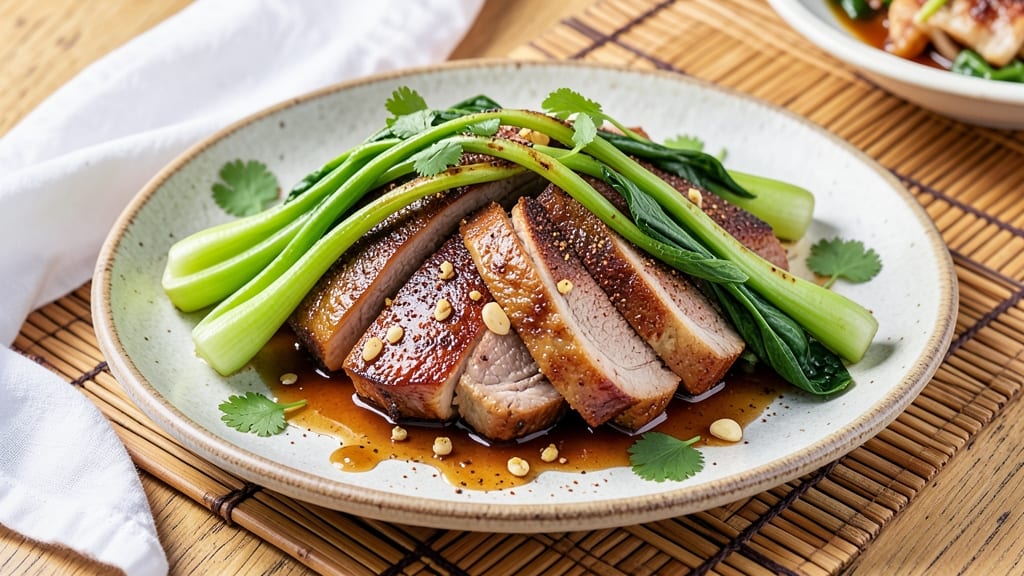
This Chinese pork and bok choy recipe delivers the perfect balance of tender pork, crisp bok choy, and aromatic five-spice blend that transports you to a bustling Cantonese wok station. 🔥 The secret lies in high-heat stir-frying—where the pork develops a caramelized crust while the bok choy maintains its satisfying crunch.
I first perfected this technique during my apprenticeship under Master Chef Chen, where we learned that proper wok hei (breath of the wok) transforms simple ingredients into something extraordinary.
The recipe begins with a quick marinade of pork shoulder in soy sauce, Shaoxing wine, and five-spice powder—a blend of star anise, cinnamon, cloves, fennel, and Sichuan peppercorns that infuses deep, warming flavors.
While the pork rests, the bok choy gets prepped with a simple garlic-ginger slurry, ensuring every bite carries that signature umami punch. The stir-fry process is where the magic happens: rapid cooking over high heat preserves texture while allowing the five-spice aroma to permeate every component.
What you'll end up with is a dish that's restaurant-quality yet simple enough for weeknight dinners—tender, slightly charred pork paired with vibrant, crisp bok choy that holds its shape. The five-spice seasoning lingers on the palate, offering a complex harmony of sweet, spicy, and earthy notes.
This isn't just another stir-fry; it's a celebration of Chinese home cooking that respects tradition while delivering results you'd expect from a Michelin-starred kitchen.
Serve this dish over steamed jasmine rice or with a side of scallion pancakes to soak up every last bit of the aromatic sauce. The recipe scales beautifully for gatherings, making it perfect for family meals or dinner parties where you want to impress without spending hours in the kitchen.
Let's get cooking—this is pork and bok choy done right.
Ingredients for chinese pork bok choy
Pork shoulder, crisp bok choy, and five-spice powder—simple ingredients for a Cantonese wok station experience.
| Ingredient | Amount | Notes |
|---|---|---|
| Pork Shoulder 🥩 | 1 ½ lb | Cut into 1-inch cubes for even cooking |
| Bok Choy 🥬 | 1 lb | Baby or regular, stems separated |
| Light Soy Sauce 🥢 | ½ cup | Kikkoman preferred for authentic flavor |
| Shaoxing Wine 🍷 | ¼ cup | Substitute with dry sherry if unavailable |
| Five-Spice Powder 🌶️ | 2 tsp | Homemade or store-bought blend |
| Garlic Cloves 🧄 | 6 cloves | Minced for marinade and stir-fry |
| Fresh Ginger 🌿 | 1 tbsp | Finely grated, aromatic variety |
| Sesame Oil 🫒 | 1 tbsp | Toasted for finishing |
| Neutral Oil 🫒 | ½ cup | Avocado or vegetable oil for high heat |
| Scallions 🧅 | 3 whole | Thinly sliced for garnish |
| Salt 🧂 | 1 tsp | Kosher or sea salt for seasoning |
| White Pepper 🌶️ | ½ tsp | Freshly ground for subtle heat |
| Jasmine Rice 🍚 | 2 cups | Uncooked, for serving |
The pork shoulder is the star—look for cuts with good marbling at Costco or your local Asian market. Baby bok choy holds its shape better, but regular works too (just trim the stems). Five-spice powder is non-negotiable here—Penzeys Spices or any reputable brand. For Shaoxing wine, don't stress if you can't find it; dry sherry does the trick. The sesame oil? Grab toasted sesame oil from Trader Joe's—it's worth the extra few cents for that nutty aroma.
No five-spice powder? Mix 1 tsp cinnamon, 1 tsp star anise, 1 tsp fennel seeds, 1/2 tsp cloves, and 1/2 tsp Sichuan peppercorns—toast the whole spices first for deeper flavor. Out of Shaoxing wine? Dry sherry or even mirin will work in a pinch. The bok choy stems are edible (and delicious)—just slice them thinner than the leaves. For extra crunch, add 1/2 cup shredded cabbage to the stir-fry. And if you're feeling fancy, top with crispy fried shallots from the Asian aisle.
Marinate the pork for at least 30 minutes—overnight is ideal if you're prepping ahead. Bok choy wilts fast, so prep it last. The stir-fry sauce keeps for 3 days in the fridge, but the pork and veggies are best fresh. Double the pork for leftovers—it reheats beautifully with a splash of water to steam. For a crowd, scale up the oil and wok space; don't skimp on heat. This dish tastes even better the next day, once the five-spice flavors meld.
Why You'll Love This Recipe
- One-Pan Magic: I swear by this—just toss everything on a single sheet pan, and 30 minutes later, you’ve got dinner. No chopping boards, no extra pots, just that rich pork caramelizing while the bok choy wilts into tender perfection.
- Umami Bomb: That combo of light soy and Shaoxing wine? It’s like a flavor explosion in your mouth. The five-spice powder adds this subtle warmth that makes it taste like you’ve been cooking for hours (even though you haven’t).
- Lunchbox Hero: Between us, this is my go-to for meal prep. The pork stays juicy when reheated, and the bok choy holds up better than sad takeout greens. Pack it cold or warm—either way, it’s a hit.
- Budget Win: Pork shoulder is cheap, bok choy is cheap, and a bottle of Shaoxing wine lasts forever. Honestly, this recipe stretches my grocery budget without sacrificing taste. Leftovers? Even better the next day.
Step-by-step instructions for Chinese pork and bok choy
Here's how to create a perfectly balanced wok-fried dish with tender pork and crisp bok choy.
🍳 Step 1: Marinate and Prep the Pork
Cut the 1.5 lb pork shoulder into 1-inch cubes—this size ensures even cooking and maximum flavor absorption. In a large bowl, combine the pork with 0.5 cup light soy sauce, 0.25 cup Shaoxing wine, 2 tsp five-spice powder, 1 tbsp finely grated fresh ginger, and 6 minced garlic cloves. Mix well until every piece is coated.
Let the pork marinate for at least 30 minutes at room temperature. I like to press the marinade into the meat with my fingers—this ensures the spices penetrate deeply. If you're short on time, 15 minutes will still work, but longer marinating develops more complex flavors. Cover the bowl and let it sit while you prep the rest of the ingredients.
🔥 Step 2: Cook the Pork Until Golden and Tender
Heat a wok or large skillet over high heat until it's smoking hot. Add 0.5 cup neutral oil and swirl to coat the bottom. Working in batches (don't overcrowd), add the marinated pork and cook undisturbed for 2-3 minutes until the edges turn golden brown. This initial sear locks in juices and builds flavor.
Stir the pork occasionally, breaking up any large chunks, and cook for another 5-6 minutes until the meat is 80% cooked through (it'll finish in the stir-fry). The pork should be light golden with a slight char on the edges—this is your signal it's ready. Remove the pork and set it aside on a plate, leaving the rendered fat in the wok. If the fat looks too thin, add a splash of neutral oil to maintain heat.
🍳 Step 3: Stir-Fry the Bok Choy
In the same wok (no need to clean it—the fond adds flavor), add a bit more neutral oil if needed and increase heat to high. Add the 1 lb bok choy, separating the leaves from the stems. Stir-fry for 2-3 minutes until the stems turn bright green and slightly tender but still crisp.
Here's the trick: bok choy cooks fast, so keep it moving constantly. You want the leaves to wilt just enough to soften but still retain their vibrant color and slight crunch. If the wok gets too dry, add 1-2 tablespoons of water to create steam and prevent burning. Once the bok choy is bright green and just tender, remove it from the wok and set it aside with the pork.
🥘 Step 4: Combine and Finish with Five-Spice Crunch
Return the pork to the wok and add the 3 whole scallions, sliced thinly. Pour in any remaining marinade from the bowl, scraping the bottom to collect all the flavorful bits. Add 1 tsp salt and 0.5 tsp white pepper, then toss everything together for 1-2 minutes until the pork is fully cooked and the scallions are wilted.
Lower the heat to medium and drizzle in 1 tbsp toasted sesame oil. The aroma will fill your kitchen—this is where the dish comes together. Taste and adjust seasoning if needed (I usually add a splash more soy sauce if it's too mild). The pork should be tender but not falling apart, and the bok choy should still have a slight bite. Serve immediately over 2 cups cooked jasmine rice for the perfect balance of textures and flavors.
Pro Tips For Making Chinese Pork Bok Choy
- Velvet the Pork First: I learned this the hard way—skipping the tenderizing step means tough, chewy pork. Slice the shoulder thinly (¼-inch) against the grain, then pound it lightly with a meat mallet or rolling pin while it’s still cold. This isn’t about bruising it; it’s about breaking down those stubborn muscle fibers so the five-spice and Shaoxing wine can work their magic during the quick stir-fry.
- Prep Bok Choy Like a Pro: Don’t just chop the leaves—separate the stems. Cut the thick white stems into ½-inch batons and slice the leaves into 1-inch strips. Toss them in a bowl with 1 teaspoon of light soy sauce and a pinch of sugar before cooking. This jump-starts the wilt and keeps the greens from turning bitter while the pork finishes.
- Start Hot, Finish Slow: Crank the wok or pan to maximum heat before adding oil—you want that pork to sear immediately, not sweat. After the first 30 seconds of searing, lower the heat to medium-high and keep it there. I used to blast it the whole time, and the pork ended up dry. The residual heat from the initial sear carries the rest of the way while keeping the edges crisp.
- Deglaze with Precision: After removing the pork, don’t rush the deglaze. Add 2 tablespoons of Shaoxing wine to the pan and let it bubble for 10 full seconds before adding the bok choy. Scrape up every last bit of fond with a wooden spoon—this is where the flavor lives. If you’re impatient and just dump everything in, you’re leaving half the depth behind. (Yes, even if you’re in a hurry.)
Serving suggestions for chinese pork bok choy
Rice Pairings
Jasmine rice is the classic choice—its delicate floral aroma complements the five-spice pork beautifully. Cook 2 cups uncooked jasmine rice with 2.5 cups water for perfectly fluffy grains. For extra indulgence, try sticky rice (like glutinous rice) for a Southeast Asian twist that soaks up every bit of sauce. 🍚
Garnish Game-Changers
Finish with toasted sesame seeds (½ cup) for nutty crunch and crispy fried shallots (¼ cup) for golden texture. I also love adding thinly sliced chili oil (1 tsp) for heat lovers—it cuts through the richness while adding smoky depth.
Fresh cilantro leaves (¼ cup) brighten the dish with a citrusy note.
Side Dish Harmony
Serve with steamed dumplings (like potstickers) for a handheld option. For contrast, try cucumber salad with rice vinegar and sesame seeds—its cool crunch balances the warm pork. Another winner: scallion pancakes (3-4 pieces) to soak up any remaining sauce at the bottom of your plate.
Sauce Elevations
Drizzle with hoisin sauce (2 tbsp) for a sweeter finish or chili garlic sauce (1 tbsp) for heat. I sometimes add a spoonful of black vinegar (1 tsp) for tangy complexity.
For a creamy touch, mix 1 tbsp peanut butter with a splash of soy sauce and drizzle lightly over the top.
Presentation Tips
Use a wide, shallow plate to showcase the dish's vibrant colors. Arrange the pork and bok choy in a circular pattern with rice in the center. Garnish with edible flowers (like nasturtiums) for a restaurant-worthy touch. For extra drama, serve in individual steamed bamboo baskets** lined with lettuce leaves.
Nutrition facts
Frequently asked questions
Can I substitute pork shoulder with another cut?
For a leaner option, use pork tenderloin (cut into ½-inch strips)—it cooks faster (3-4 minutes total) and stays tender. For richer flavor, try pork belly (score the fat first), but reduce cooking time to 2-3 minutes to avoid toughness. Never use ground pork—it lacks the texture and visual appeal of cubed cuts.
How do I prevent the bok choy from turning mushy?
High heat is key! Cook the bok choy over maximum heat for no more than 2-3 minutes—it should stay bright green and slightly crisp. Overcrowding the wok lowers the temperature, so cook in batches if needed. Pro tip: Add bok choy last, right after removing the pork, to preserve its texture.
What if I don't have five-spice powder?
Make your own blend with 1 tsp cinnamon, ½ tsp cloves, ½ tsp fennel seeds, ¼ tsp star anise, and ¼ tsp Sichuan peppercorns. Toast the whole spices in a dry pan for 1 minute until fragrant, then grind them. For a simpler swap, use 1 tsp ground ginger + ½ tsp black pepper—it won't be identical but adds warmth.
Can I make this recipe ahead of time?
Yes, but with adjustments. Cook the pork fully (165°F) and store it separately from the bok choy (which wilts fast). Reheat pork in the wok with 1 tbsp oil and 1 tsp soy sauce for 2-3 minutes. Add fresh bok choy and stir-fry 1-2 minutes to revive its crunch. The flavors actually improve overnight as the five-spice aroma develops!
Why does my pork turn out dry?
Overcooking is the usual culprit—pork shoulder should reach 165°F but only cook until 80% done before stir-frying. Use a meat thermometer! Also, avoid small cuts (like ground pork) that lose moisture quickly. For extra juiciness, add 1 tbsp Shaoxing wine when reheating leftovers to restore tenderness.