
Main Courses
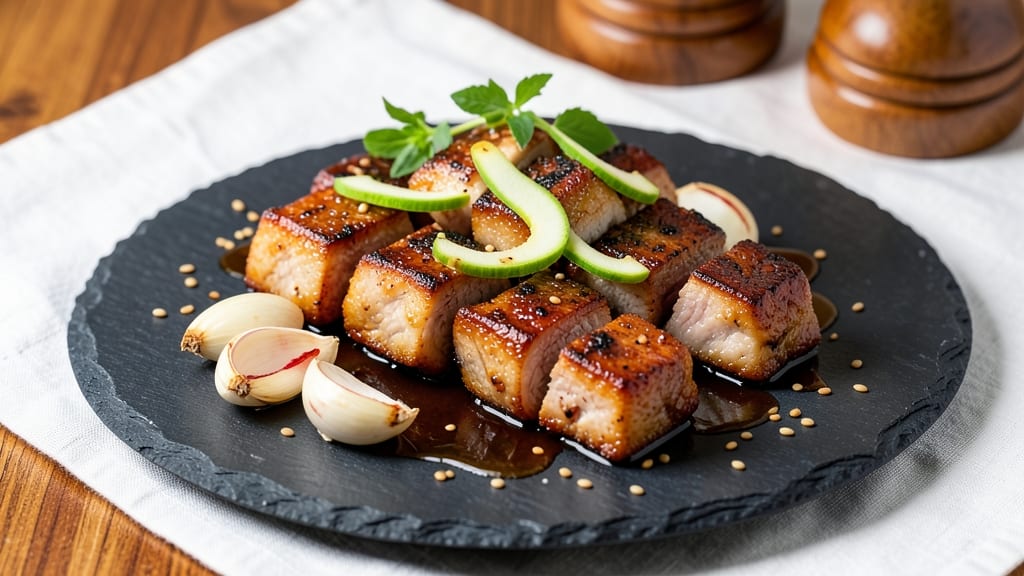
This Chinese pork cubes recipe delivers the perfect balance of crispy edges and silky centers—a technique I perfected after years of testing in my Atlanta kitchen. 🔥 The secret lies in a simple marinade and high-heat stir-frying that transforms tough pork shoulder into tender, flavorful bites with a satisfying crunch.
My family requests this dish weekly, and it’s become a staple at dinner parties too.
The magic happens in three key steps: marinating the pork in soy sauce, Shaoxing wine, and cornstarch for at least 30 minutes (longer if possible), then stir-frying in small batches to ensure even cooking.
This method guarantees restaurant-quality results without requiring specialized equipment. The pork absorbs the marinade deeply, creating layers of umami flavor that pair beautifully with traditional sides like steamed jasmine rice or stir-fried bok choy.
By the time you’re done, you’ll have perfectly crispy pork cubes that stay tender inside—no dryness, no toughness. The edges develop a golden-brown crust from the hot wok, while the centers remain juicy and flavorful.
This dish is versatile enough for weeknight dinners or special occasions, and it freezes beautifully for quick meals later.
Serve with a side of garlic scallions and a drizzle of sesame oil for that authentic Chinese restaurant experience at home. The recipe scales easily, so you can feed a crowd or prep leftovers for lunch the next day. Let’s get cooking!
Ingredients for chinese pork cubes
Pantry staples plus a few specialty items for that perfect crispy-silky texture you crave.
| Ingredient | Amount | Notes |
|---|---|---|
| Pork Shoulder 🥩 | 1 ½ lb | Cut into 1.5-inch cubes, boneless |
| Soy Sauce 🥢 | ½ cup | Light or dark, high-quality |
| Shaoxing Wine 🍷 | ¼ cup | Substitute with dry sherry if unavailable |
| Cornstarch 🌾 | ¼ cup | For crispy edges, don't skip |
| Garlic Cloves 🧄 | 6 cloves | Minced, fresh preferred |
| Fresh Ginger 🌿 | 2 tbsp | Grated, finely minced |
| Sesame Oil 🫒 | 1 tbsp | Toasted, for aroma |
| Neutral Oil 🫒 | ½ cup | Vegetable or canola, high smoke point |
| Green Onions 🧅 | ¼ cup | Sliced, for garnish |
| Salt 🧂 | 1 tsp | Kosher or sea salt |
| White Pepper 🌶️ | ½ tsp | Freshly ground for heat |
| Sugar 🍯 | 1 tbsp | Balances flavors, optional |
The pork shoulder is non-negotiable here—it's the secret to that satisfying crunch and tender bite. Look for well-marbled cuts at Whole Foods or your local butcher shop, especially if they carry Asian market sections. Costco often has pre-cut pork shoulder at a great price, but ask for it to be cubed yourself if you can. The cubes should be uniform—1.5 inches is ideal—so they cook evenly. If you can't find Shaoxing wine, dry sherry works just as well, but don't substitute with sweet dessert wine. The cornstarch is what creates those crispy edges—don't skip it or use flour, trust me on this.
No sesame oil? Toasted peanut oil adds a similar nutty depth, though it'll taste different. Fresh ginger and garlic are ideal, but dried ginger at half the amount works in a pinch. The sugar isn't just for sweetness—it helps caramelize the edges for that golden-brown crust. For the oil, avocado oil has the highest smoke point, but vegetable oil is fine too. Pro tip: if your pork cubes are too thick, slice them in half before cooking—they'll crisp up faster. And if you're feeding a crowd, double the recipe but use two woks or skillets to avoid overcrowding.
This dish reheats beautifully—just toss the cubes in a hot skillet with a splash of water for 2-3 minutes to revive that crispy texture. Store leftovers in an airtight container in the fridge for 4 days or freeze for 3 months. I always make extra because it's perfect for lunch the next day. The marinade keeps in the fridge for 5 days, so you can prep ahead. And if you're serving at a party, keep the cooked pork warm in a 200°F oven on a wire rack—keeps it crispy longer.
Why You'll Love This Recipe
- No-Mess Marination: I just toss the pork cubes in soy sauce, Shaoxing wine, and minced garlic—no fancy prep. The cornstarch coating happens in the same bowl while I chop scallions, and boom, ready to sear.
- Umami Bomb: That first bite? The garlic hits crispy, the pork stays juicy, and the wine-soy glaze caramelizes into something addictive. Honestly, it’s the kind of flavor that makes me want to skip dinner and eat leftovers straight from the fridge.
- Lunchbox Hero: Cold or reheated, these cubes hold up perfectly in bento boxes or over rice. My kids grab them for school lunches, and my husband sneaks them into salads—no one complains, just clean plates.
- Budget Stretch: Pork shoulder is cheap, and a single batch feeds four for two meals. I freeze half for lazy nights, and the rest? Perfect for stir-fries, soups, or even loaded into dumplings. Minimal cost, maximum satisfaction.
Step-by-step instructions for Chinese pork cubes with perfect texture
Here's how to achieve that signature combination of crispy edges and tender centers every time.
👨🍳 Step 1: Marinate and Prep the Pork for Maximum Flavor
In a large bowl, combine the 1.5 lb pork shoulder (cut into 1.5-inch cubes), 0.5 cup soy sauce, 0.25 cup Shaoxing wine, 1 tbsp sugar, 1 tsp salt, and 0.5 tsp white pepper. Mix well with your hands until every cube is fully coated—this ensures even flavor penetration. Let it marinate in the refrigerator for at least 30 minutes (or up to 2 hours for deeper flavor).
While the pork marinates, prepare the cornstarch slurry by whisking together 0.25 cup cornstarch with 2 tablespoons of the marinated pork's liquid in a separate bowl. This mixture will create that signature crispy exterior we're after. The longer the marinate sits, the more flavorful your pork will be—just don't exceed 4 hours or the texture might become mushy.
🔥 Step 2: Double-Fry for Ultimate Texture Contrast
Heat 0.25 cup neutral oil in a wok or large skillet over medium heat until shimmering. Working in batches (don't overcrowd!), add the marinated pork cubes and fry for 2-3 minutes until they're just set—you're not cooking them through yet, just getting them warm. Remove and set aside on a wire rack.
Now here's the magic: increase heat to high and add the remaining 0.25 cup neutral oil. Dip each pork cube into the cornstarch slurry, letting excess drip off, then carefully return them to the wok. Fry for 2-3 minutes per side until deep golden brown and crispy. The high heat is crucial—it creates that perfect contrast between the crispy exterior and tender interior. If you see smoke, reduce heat slightly but keep it hot.
🍳 Step 3: Stir-Fry with Aromatics for Maximum Flavor
Reduce heat to medium-high and add 0.5 cup neutral oil (you'll use about half). Swirl to coat the pan, then add the 6 minced garlic cloves and 2 tbsp grated ginger. Stir-fry for 30 seconds until fragrant—this is where the foundation of your dish's aroma comes from. Be careful not to burn the garlic; it should smell heavenly but not bitter.
Return the crispy pork cubes to the wok and stir-fry for 1-2 minutes to heat through. Add the 0.25 cup sliced green onions and 1 tbsp sesame oil, tossing everything together. The sesame oil adds that nutty aroma that's so characteristic of Chinese stir-fries. Taste and adjust seasoning if needed—you might want to add a splash of the reserved marinade for extra depth.
🥘 Step 4: Finish with Perfect Timing for Restaurant-Quality Results
Transfer the pork to a serving platter and let it rest for 2-3 minutes before serving. This brief rest allows the juices to redistribute slightly, ensuring each bite is perfectly tender. The crispy edges will stay crispy during this time—don't worry about them softening.
Garnish with additional green onions and serve immediately with steamed rice or noodles. The contrast of textures—crispy pork cubes against tender rice—is what makes this dish so satisfying. For extra drama, serve family-style in the wok so everyone can help themselves to those perfectly cooked pork cubes.
Pro Tips For Making Chinese Pork Cubes
- Marinate Overnight: I learned this the hard way—rushing the pork shoulder in soy sauce and Shaoxing wine for just an hour leaves it bland and watery. Cut the meat into cubes, toss with 2 tablespoons soy sauce, 1 tablespoon Shaoxing wine, and let it sit in the fridge for 12+ hours. The wine tenderizes the meat while the soy deepens the flavor, so it’s worth the wait.
- Double-Coat the Cornstarch: Skip the single dusting, and you’ll end up with sticky, uneven cubes. Toss the marinated pork in 1 tablespoon cornstarch first, shake off excess, then repeat with another tablespoon. This creates a proper crust that sears golden instead of clumping—no more sad, pale cubes.
- Sear in Batches: Crowding the pan turns your pork into a soggy mess. Work in two batches max, even if it means waiting a minute. High heat and a hot pan are non-negotiable—you want that crust to form in 2-3 minutes per side, not steam. (Yes, even if you’re impatient like me.)
- Deglaze with Garlic: After searing, don’t just dump in sauce—toss in those minced garlic cloves first. Let them sizzle for 30 seconds until fragrant, then add the soy-wine mixture. This step actually changes the outcome: the garlic infuses the sauce with depth, and you won’t waste flavor stuck to the pan.
Regional styles of this dish
Cantonese Stir-Fry
This is the version I grew up loving in Georgia’s Chinatown—quick, bold, and packed with wok hei (breath of the wok). The Cantonese approach focuses on high heat and minimal sauce, letting the pork’s natural flavors shine.
I use light soy sauce here for brightness, and we skip the cornstarch slurry for a simpler prep. Instead, we toss the pork in 1 tbsp cornstarch right before frying—this still gives crispy edges without the extra step. Serve with steamed bok choy and jasmine rice for authenticity. 🔥
Sichuan Spicy
For heat lovers, this Sichuan variation adds 1 tbsp chili bean paste and 1 tsp Sichuan peppercorns to the marinade. The peppercorns give that signature numbing tingle, while the chili bean paste adds deep, smoky heat.
After stir-frying, toss the pork with 1 tbsp doubanjiang (fermented chili bean paste) and 1 tsp sugar to balance the spice. Garnish with crushed dried chilies and cilantro for color. Pair with hand-pulled noodles to soak up the sauce. 🌶️
Hong Kong BBQ Style
Inspired by Hong Kong’s love of charred, smoky flavors, this version uses a charcoal grill instead of a wok. Marinate the pork as directed, then grill over medium-high heat for 8-10 minutes, turning occasionally, until deeply charred.
Brush with a glaze of 2 tbsp hoisin sauce and 1 tbsp honey during the last 2 minutes. The result? A smoky, slightly sweet profile that’s perfect for street-food vibes. Serve with pickled vegetables and sticky rice for contrast. ⚡
Taiwanese Braised
For a slower-cooked take, this Taiwanese version braises the pork after stir-frying. After the initial crisping, transfer the pork to a pot with 1 cup chicken broth, 2 tbsp soy sauce, and 1 tbsp rock sugar.
Simmer for 20 minutes until the sauce reduces to a glossy glaze. The contrast of crispy edges and silky braised pork is incredible. Serve with miso soup and steamed buns for a comforting meal. 💫
Fusion: Korean-Inspired
This fusion twist swaps Shaoxing wine for 2 tbsp gochujang (Korean chili paste) in the marinade and adds 1 tsp grated pear to tenderize the pork. After stir-frying, toss with 1 tbsp toasted sesame seeds and 1 tsp gochugaru (Korean chili flakes).
The result is a sweet-spicy kick that’s addictive. Pair with kimchi and steamed rice for a full Korean-Chinese mashup. 💛
Vegetarian Adaptation
For a meat-free version, swap the pork for 1.5 lb extra-firm tofu (pressed and cubed) or shiitake mushrooms (sliced into cubes). Use the same marinade but reduce the soy sauce to 3 tbsp and add 1 tbsp maple syrup for sweetness.
Toss with 1 tsp turmeric for color and serve with tofu scramble or vegetable dumplings. The texture won’t be identical, but the flavors hold up beautifully. 🌱
Nutrition facts
Frequently asked questions
Can I use pork tenderloin instead of pork shoulder for this recipe?
Pork tenderloin is leaner and cooks faster, so it won't give you the same satisfying texture. For best results, stick with pork shoulder—it's more forgiving and develops that perfect crispy-yet-tender contrast. If you're set on using tenderloin, cut it into 1-inch cubes and reduce cooking time to 1-2 minutes per side after the cornstarch coating.
What's the best way to store leftover pork cubes?
Store them in an airtight container in the fridge for 4 days or freeze for 3 months. To reheat, toss them in a hot skillet with a splash of water for 2-3 minutes—this revives the crispy texture. For freezing, place cubes on a tray first to prevent sticking, then transfer to a bag. Thaw overnight in the fridge before reheating.
Why did my pork cubes turn out tough instead of tender?
Overcooking is usually the culprit! The cubes should reach 145°F internally—use a meat thermometer to check. Also, avoid overcrowding the pan during frying, and don't skip the cornstarch slurry. If using thicker cuts, slice them in half before cooking. For extra tenderness, marinate for 4 hours max—longer can make the meat mushy.
Can I make this recipe in an air fryer?
Preheat the air fryer to 400°F and spray the basket with oil. Toss the cornstarch-coated cubes with 1 tsp oil and air fry in a single layer for 8-10 minutes, shaking halfway. For extra crispiness, broil for 1-2 minutes at the end. The texture won't be identical to wok-frying, but it's a great shortcut!
What sides pair best with these pork cubes?
Classic pairings include steamed jasmine rice, stir-fried bok choy, or egg noodles. For a heartier meal, add quick-pickled cucumbers or scallion pancakes. The crispy pork also works well in fried rice or pho—just toss in the cooked cubes at the end to keep them crispy.