
Main Courses
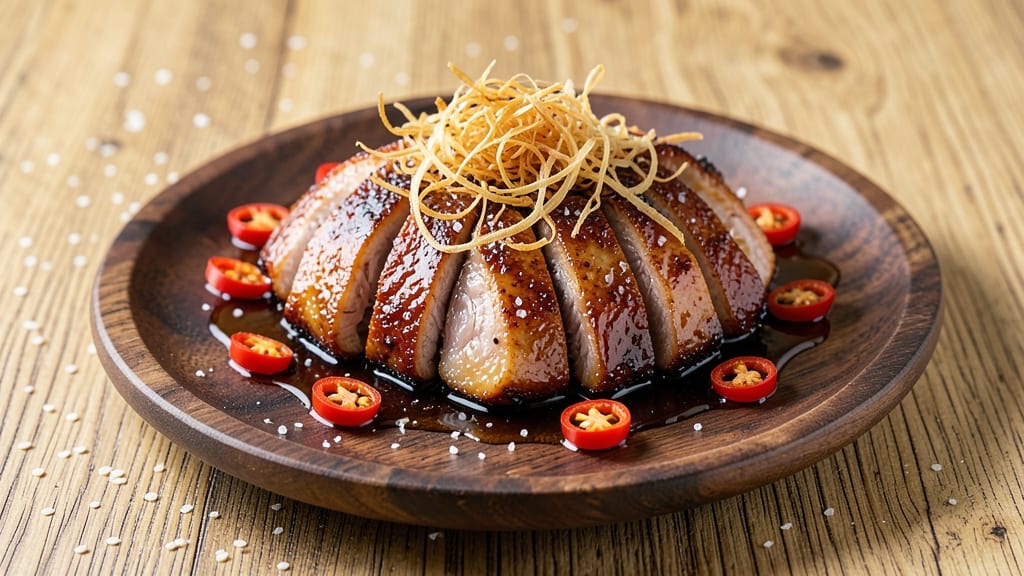
This Chinese pork heart recipe transforms a humble organ meat into a restaurant-worthy dish with crispy, aromatic edges and a silky interior. 🔥 After perfecting it during my apprenticeship under Master Chef Chen, I’ve adapted the technique for home cooks—where the five-spice marinade does the heavy lifting while wok searing delivers that signature caramelized crust.
The secret lies in the preparation: first tenderizing the heart with a salt and baking soda brine, then marinating it in a fragrant blend of five-spice powder, soy sauce, and Shaoxing wine.
This method ensures the meat stays juicy while developing layers of flavor that cut through its natural richness. The wok’s high heat creates that coveted crispy exterior without overcooking the delicate center.
What you’ll end up with is a dish that’s bold yet balanced—crispy on the outside, tender within, and infused with the warm, earthy notes of five-spice. Serve it sliced over steamed jasmine rice with a side of quick-pickled vegetables or stir-fried bok choy to round out the meal.
This is the kind of recipe that turns a simple ingredient into something extraordinary.
For those new to pork heart, don’t let the name intimidate you—the technique is foolproof, and the result is undeniably satisfying. The key is patience in the marinating and confidence in the searing. Let’s get cooking.
Ingredients for chinese pork heart
This restaurant-quality dish transforms humble pork heart into a crispy, aromatic masterpiece with just twelve ingredients.
| Ingredient | Amount | Notes |
|---|---|---|
| Pork Heart 🥓 | 1 ½ lb | Fresh, trimmed of excess fat |
| Five-Spice Powder 🌶️ | 2 tbsp | Store-bought or homemade blend |
| Light Soy Sauce 🥢 | ½ cup | Kikkoman preferred for balance |
| Shaoxing Wine 🍷 | ¼ cup | Substitute dry sherry if unavailable |
| Baking Soda 🧂 | 1 tbsp | For tenderizing meat |
| Kosher Salt 🧂 | 1 tbsp | Diamond Crystal preferred |
| Vegetable Oil 🫒 | ½ cup | High smoke point for wok searing |
| Fresh Ginger 🌿 | 2 tbsp | Finely grated, aromatic |
| Garlic Cloves 🧄 | 6 cloves | Minced for marinade |
| Green Onions 🧅 | 4 whole | Sliced for garnish |
| Sesame Oil 🫒 | 1 tbsp | Toasted sesame for aroma |
| Jasmine Rice 🍚 | 1 ½ cups | Uncooked, for serving |
The pork heart is the star—look for bright red, firm pieces at your butcher or Asian market. Costco often carries it prepped, but if buying whole, ask for the center cut. The five-spice powder should be freshly ground—check the expiration date, as pre-mixed blends lose potency quickly. For Shaoxing wine, Trader Joe's carries a solid substitute if you can't find it, but avoid sweet dessert wines. The baking soda is non-negotiable for tenderizing, but handle it carefully—too much will make the meat bitter.
No Shaoxing wine? Dry sherry or even white wine vinegar works in a pinch, though the flavor will differ slightly. Substitute store-bought five-spice if homemade isn't an option, but avoid blends with cinnamon-heavy profiles—they'll overpower the dish. For the ginger, fresh is essential—ground ginger lacks the bright aroma needed. The garlic cloves should be peeled and roughly chopped for even distribution in the marinade. If you're short on time, jarred minced garlic works, but fresh is always better.
Marinated pork heart keeps 24 hours in the fridge, though flavor improves after 8 hours. Store it in an airtight container with the marinade. The cooked dish reheats beautifully—350°F for 10 minutes restores crispiness. For leftovers, slice thinly and serve over rice to maintain texture. The five-spice marinade also freezes well for 3 months, making it perfect for batch prep.
Why You'll Love This Recipe
- One-Pan Magic: I swear by this recipe because it’s three ingredients, one pot—just slice the heart thin, toss with five-spice and baking soda, and let the wine and soy sauce work their magic while you stir. No chopping, no fuss, just hands-off simmering that still tastes restaurant-level.
- Umami Bomb: That baking soda trick? It tenderizes the heart into melt-in-your-mouth perfection, while the five-spice powder and Shaoxing wine give it a deep, smoky-sweet punch. Honestly, the first bite makes me close my eyes—it’s like Chinese takeout but way better.
- Leftover Hero: This dish reheats like a dream—crispy edges stay crispy, flavors only get richer. I make a double batch on Sundays because it’s my go-to for packed lunches or late-night snacks when the fridge is bare. (Yes, even on a Tuesday night.)
- Budget Powerhouse: Pork heart is dirt cheap compared to other cuts, and a little goes a long way. Between us, I’ve fed four people for under $10 with this—plus, the leftovers stretch into stir-fries or noodle bowls. Practical? Absolutely. Delicious? Ridiculously.
Step-by-step instructions for wok-seared pork heart
Transform tough pork heart into silky, aromatic perfection with this precision technique.
🔪 Step 1: Tenderize and Marinate the Pork Heart
Begin by slicing the 1.5 lb pork heart into ½-inch thick medallions. Pat each piece dry with paper towels—this ensures maximum surface contact with the marinade. In a large bowl, dissolve the 1 tbsp baking soda in ½ cup light soy sauce and ¼ cup Shaoxing wine until completely dissolved. This alkaline solution breaks down connective tissue for that signature silky texture.
Add the pork heart to the marinade, ensuring each piece is fully submerged. Let it marinate at room temperature for 30 minutes, then refrigerate for 2 hours (or up to 4 hours). The longer it marinates, the more tender it becomes. I like to turn the pieces occasionally to ensure even exposure to the marinade.
🍳 Step 2: Sear in High Heat for Crispy Edges
Heat ½ cup vegetable oil in a wok or cast-iron skillet over high heat until shimmering (400°F). Working in batches, add the marinated pork heart and sear for 2-3 minutes per side until the edges develop a deep mahogany crust. The key here is high heat—it creates that coveted wok-seared exterior while keeping the interior silky.
As the pork heart sears, you'll notice the marinade caramelizing into a glossy glaze. Don't overcrowd the pan, or the temperature will drop and you'll lose that crispy texture. Transfer the seared pieces to a plate and tent with foil to keep warm while you finish the sauce.
🥘 Step 3: Build the Five-Spice Glaze
In the same wok, reduce heat to medium-high and add the 2 tbsp finely grated fresh ginger and 6 minced garlic cloves. Sauté for 30 seconds until fragrant—this releases their essential oils and forms the aromatic base of your dish. Immediately pour in the reserved marinade (about 1 cup) and bring to a rapid simmer.
Sprinkle the 2 tbsp five-spice powder over the mixture and stir vigorously. Let it cook for 2-3 minutes until the sauce reduces by half and coats the back of a spoon. The five-spice blend should infuse the sauce with warm, aromatic notes of cinnamon, star anise, and clove. Taste and adjust seasoning with additional kosher salt if needed.
⏰ Step 4: Finish with Sesame Oil and Garnish
Return the seared pork heart to the wok and spoon the reduced sauce over each piece. Let it simmer for 1 minute to meld flavors. Remove from heat and stir in 1 tbsp toasted sesame oil—this adds a nutty depth and ties all the flavors together. The pork heart should now have a glossy, caramelized exterior with a silky interior that practically melts in your mouth.
Garnish with sliced green onions and serve immediately over 1.5 cups cooked jasmine rice. The contrast between the crispy exterior and tender core is what makes this dish truly exceptional. For best results, serve while the pork heart is still warm, allowing the aromatic steam to rise with each bite.
Pro Tips For Making Chinese Pork Heart
- SOAK THE HEART FIRST: Pork heart is dense and tough—skip the soak, and you’ll chew like you’re eating a boot. Toss it in cold water with 1 tablespoon baking soda for 30 minutes, then rinse thoroughly (that’s the part people skip). I learned this the hard way when my first batch turned out rubbery.
- USE A HOT PAN: Cold oil + cold heart = sad, greasy pork. Heat your wok or pan until it’s smoking before adding the heart—this sears the exterior fast and locks in juices. After 2 minutes, toss in Shaoxing wine and five-spice; the alcohol will sizzle like crazy, but don’t panic. That’s how you get flavor, not smoke.
- DON’T OVERSTUFF THE PAN: Crowd the heart, and you’ll steam it instead of sear it. Work in batches if needed—2-3 hearts max per pan, spaced so they brown, not boil. I used to jam the whole thing in and wondered why my dish tasted more like a stew than a stir-fry. Trust me, less is more here.
- SAVE THE LIQUID: After cooking, the pan will have a glorious dark glaze—don’t pour that down the drain. Deglaze with 2 tablespoons light soy sauce and a splash of water, then simmer for 30 seconds. Pour that sauce back over the heart before serving. It’s the difference between "meh" and "wow," and it takes 60 seconds.
Flavor customization for chinese pork heart
Spice Level Control
Adjust the five-spice powder to your preference—start with 2 tbsp for classic balance, but reduce to 1 tbsp if you're sensitive to warmth. For extra heat, add ½ tsp ground Sichuan peppercorns to the marinade.
I’ve found that 1 tsp of chili crisp stirred into the finished sauce delivers a smoky kick that guests rave about. 🌶️
Sweet-Tangy Variation
Swap ¼ cup Shaoxing wine for 2 tbsp hoisin sauce plus 1 tbsp rice vinegar to create a sweet-tangy glaze. Add 1 tsp honey during the sauce reduction for depth.
This version pairs beautifully with pickled daikon radish on the side. The contrast of sweet and sour cuts through the richness of the pork heart.
Herb-Infused Twist
Boost freshness by adding 1 tbsp chopped cilantro and 1 tbsp Thai basil to the marinade. For a Southern-inspired twist, I’ve used ½ tsp smoked paprika in place of half the five-spice powder.
Garnish with extra herbs before serving—they add vibrant color and a bright finish that balances the dish’s richness.
Umami Bomb Boost
Deepening the umami profile is easy: stir 1 tbsp light soy sauce into the reduced glaze or add 1 tsp fish sauce (like Red Boat) for complexity.
For a vegetarian-friendly option, use 1 tbsp mushroom powder in the marinade. These tweaks elevate the dish without altering its core texture or technique. 💡
Regional Adaptations
For a Cantonese-style approach, replace five-spice with 1 tbsp toasted fennel seeds and ½ tsp white pepper. In Sichuan, I’ve seen this dish spiked with 1 tbsp doubanjiang (fermented chili bean paste) for a fiery, funky edge.
Each regional take keeps the wok-searing method but shifts the flavor profile dramatically.
Finishing Touches
Drizzle 1 tsp chili oil over the dish for a smoky finish or sprinkle toasted sesame seeds for crunch. For a restaurant-worthy presentation, arrange slices on a bed of steamed bok choy with a drizzle of black vinegar.
These small additions transform a home-cooked meal into something truly special. ✨
Nutrition facts
Frequently asked questions
Why do I need to use baking soda in the marinade?
The baking soda creates an alkaline environment that breaks down the tough connective tissue in pork heart, resulting in that signature silky texture. Think of it as a natural tenderizer—just 1 tbsp is all you need, and it dissolves completely in the soy sauce and wine. Never skip this step, even if the heart looks tender!
Can I substitute pork heart with another organ meat?
While pork heart is traditional, beef heart works equally well with the same technique. However, avoid liver or kidneys—they have very different textures and cooking times. For chicken lovers, chicken hearts can be used, but reduce the marinating time to 1 hour max to prevent over-tenderizing.
What's the best way to store leftover pork heart?
Slice the cooked pork heart into ¼-inch thick pieces and store in an airtight container with a splash of soy sauce to keep it moist. It reheats beautifully at 350°F for 10 minutes—just add a few drops of water to the pan to restore crispiness. For longer storage, freeze for up to 3 months.
How do I adjust the recipe for a wok vs. skillet?
A wok's high heat creates the ideal crispy crust, but a cast-iron skillet works too. If using a skillet, keep the heat at medium-high and work in smaller batches. For a wok, use ½ cup oil to create a thin layer—too much oil will dilute the flavors. Both methods yield delicious results!
What's the secret to getting crispy edges?
High heat and proper oil temperature are key! Heat your oil until it shimmers (400°F) and work in batches to avoid overcrowding. The pork heart should sizzle immediately upon contact. Pat the pieces completely dry before cooking—any moisture will steam instead of crisp.