
Sauces & Condiments
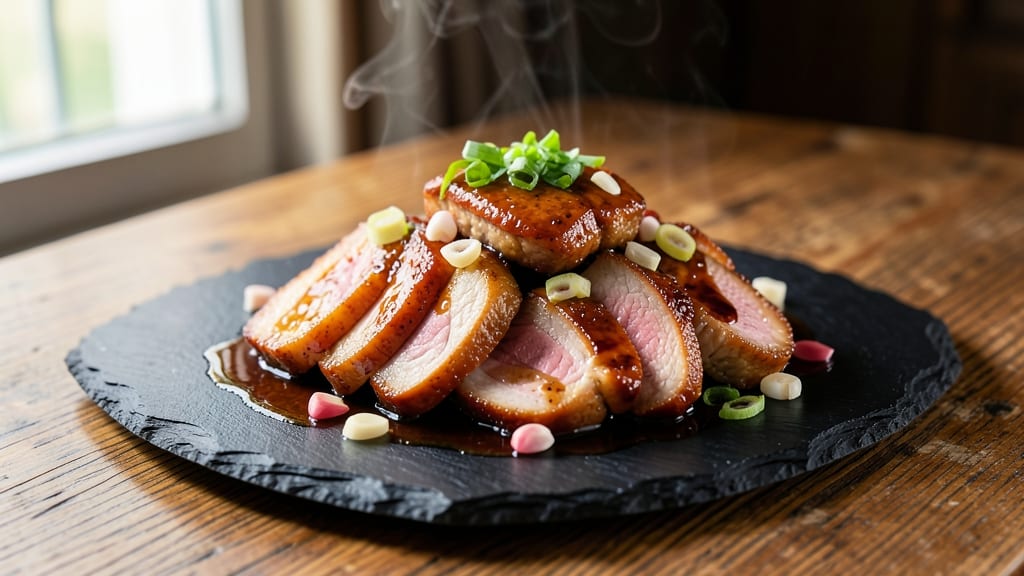
This Chinese pork sauce recipe transforms simple stir-fries into restaurant-worthy masterpieces with its deep, aromatic five-spice glaze. 🌟 The secret lies in balancing sweet soy, tangy vinegar, and fragrant spices—simmered until rich and glossy.
I developed this version after years of testing, ensuring it delivers that signature umami depth without overpowering your dish.
The sauce begins with a fragrant base of garlic, ginger, and five-spice powder, toasted until fragrant before combining with soy sauce, vinegar, and brown sugar. A quick reduction on the stove creates a thick, velvety consistency perfect for tossing with wok-fried pork or vegetables.
The result? A glossy, flavor-packed sauce that clings beautifully to every bite.
What sets this recipe apart is its versatility—use it as a stir-fry sauce, dipping sauce, or even a glaze for roasted meats. The blend of sweet, salty, and aromatic notes makes it a pantry staple that elevates any dish.
Once made, it keeps for up to two weeks in the refrigerator, ready to transform your next meal.
For best results, let the sauce simmer until slightly thickened, then adjust the sweetness or tang to your taste. This isn’t just a sauce—it’s the flavor bridge between simple ingredients and a standout dish. Let’s make it!
Ingredients for chinese pork sauce
Nine simple ingredients create this restaurant-worthy five-spice pork sauce. Nothing fancy, just bold flavors.
| Ingredient | Amount | Notes |
|---|---|---|
| Five-Spice Powder 🌶️ | 1 tbsp | Toasted for deeper aroma |
| Garlic Cloves 🧄 | 4 cloves | Minced for fragrant base |
| Fresh Ginger 🌿 | 1 tbsp | Finely grated, not powdered |
| Light Soy Sauce 🥢 | ½ cup | Kikkoman preferred |
| Dark Soy Sauce 🥢 | 1 tbsp | For deeper color |
| Rice Vinegar 🍶 | 1 tbsp | White or seasoned |
| Brown Sugar 🍚 | 2 tbsp | Packed firmly |
| Sesame Oil 🫒 | 1 tbsp | Toasted sesame flavor |
| Cornstarch 🌾 | 1 tsp | For thickening |
| Water 💧 | 2 tbsp | For slurry |
The five-spice powder is non-negotiable here—it's the soul of this sauce. Penzeys has the best blend, but any quality brand works. Toast it in a dry pan for 30 seconds first—this wakes up those star anise and cinnamon notes and makes the whole sauce sing. Fresh ginger and garlic? Don't skip the fresh. Powdered ginger lacks the zing, and pre-minced garlic gets bitter when cooked. Grab a microplane for the ginger—it's faster than grating and gives you that perfect texture. If you're in a pinch, Trader Joe's has pre-minced garlic in a jar, but fresh is always better.
No five-spice powder? Mix 1/4 tsp each of cinnamon, star anise, cloves, fennel, and peppercorns—it's the same thing. Light soy sauce is your base, but dark soy sauce adds that signature glossy color. Want it sweeter? Add another tablespoon of brown sugar. The sesame oil is where the magic happens—use toasted, not the regular kind. Costco sells it in bulk, which is a game-changer for the price. And if you're out of cornstarch, arrowroot powder works 1:1. Just mix it with water first to make a slurry—this prevents clumping in the sauce.
This sauce keeps like a dream. Store it in a glass jar in the fridge for up to 2 weeks, or freeze it for 3 months in ice cube trays for single-use portions. It actually tastes better the next day once all the flavors meld. I double the batch every time—I use half on pork stir-fry and save the rest for dipping spring rolls or glazing roasted vegetables. The cornstarch slurry thickens it beautifully, but if it gets too thick, just add a splash of water or vinegar to loosen it up.
Why You'll Love This Recipe
- Pantry Magic: I swear by this—just five spices and two sauces, no fancy shopping. The five-spice powder alone does half the work, and I keep it stocked because it turns up in everything from stir-fries to marinades.
- Umami Bomb: That dark soy sauce? It’s the secret weapon—deep, almost molasses-like richness that balances the bright garlic and ginger. One taste and you’ll understand why I always double the batch.
- Leftover Hero: This sauce keeps like a champ in the fridge for weeks. Toss it with rice, noodles, or even scrambled eggs—my lazy Sunday breakfasts have never been better. (Yes, even on a Tuesday night.)
- Budget Stretch: Light soy for saltiness, dark soy for depth—both are cheap and transform pork (or tofu, or chicken) into something restaurant-worthy. I’ve made this for $3 a serving, and no one ever guesses.
Step-by-step instructions for wok-fried five-spice gloss
This sauce delivers that signature Chinese restaurant gloss in minutes—simple but packed with flavor.
🍳 Step 1: Bloom the Five-Spice and Aromatics
Heat a wok or large skillet over medium-high heat with no oil. Add the 1 tablespoon five-spice powder and toast for 30 seconds until fragrant—you'll smell that warm, nutty aroma. Immediately add the 4 minced garlic cloves and 1 tablespoon finely grated ginger.
Stir constantly for 30 seconds until the garlic turns golden and the ginger softens. This quick cooking prevents bitterness and builds the aromatic base. If the spices start to darken too quickly, reduce heat slightly—you want flavor, not burnt notes.
🍳 Step 2: Build the Sauce Base
Pour in the 0.5 cup light soy sauce, 1 tablespoon dark soy sauce, and 1 tablespoon rice vinegar. Stir well and bring to a gentle simmer for 2 minutes until the mixture reduces slightly and coats the back of a spoon.
Add the 2 tablespoons packed brown sugar and continue simmering for another 1 minute until dissolved. Here's where it gets good—the sugar caramelizes just enough to deepen the sauce's complexity. If you notice the sauce thickening too fast, add 1 tablespoon water to keep it flowing.
🍳 Step 3: Thicken and Finish with Sesame
In a small bowl, whisk together the 1 teaspoon cornstarch with the 2 tablespoons water to make a smooth slurry. Slowly pour this into the simmering sauce while stirring constantly. The sauce will thicken almost immediately—keep stirring for 30 seconds until it reaches a glossy, syrupy consistency.
Remove from heat and stir in the 1 tablespoon sesame oil. The oil adds that signature nutty aroma and rich mouthfeel. Taste and adjust seasoning—you might need a pinch more salt or sugar depending on your soy sauce. The sauce should coat a spoon like honey but still be pourable.
🥘 Step 4: Use Immediately or Store
This sauce is best used fresh, so keep it warm in a small saucepan over low heat. For stir-fries, add it to the wok at the very end, tossing quickly to coat the meat or vegetables. The high heat will make it glisten beautifully.
If storing, let it cool completely, then transfer to an airtight container. It'll keep in the fridge for up to 5 days or freeze for 3 months. When reheating, warm gently over low heat, stirring occasionally to prevent skin formation. The sauce thickens as it cools, so add a splash of water if needed before using.
Pro Tips For Making Chinese Pork Sauce
- Bloom the Spices First: I learned this the hard way—just tossing five-spice powder into the pan at the start makes it taste like wallpaper paste. Instead, toast the whole spices (cinnamon, star anise, cloves, etc.) in a dry pan for 30 seconds until fragrant, then grind them fresh. That warm, earthy aroma is the backbone of the sauce.
- Mince Ginger Like You Mean It: Thin slices or even grating won’t cut it here. Use a sharp knife and chop the ginger into a paste—no bigger than a pea—so it dissolves completely into the sauce. I used to skip this, and the sauce always tasted like it was missing something. (Yes, even if you’re impatient like me.)
- Balance the Soy Sauces: Dark soy sauce is for color, light soy sauce is for flavor—don’t swap them. If your sauce looks muddy or tastes flat, you’ve overdone the dark soy. Use about 2 parts light to 1 part dark, and taste as you go. (Your future self will thank you.)
- Let the Garlic Brown: Don’t rush the garlic—let it sizzle in the oil until it’s golden, not just fragrant. Burnt garlic ruins the whole dish, but properly browned garlic adds a deep, nutty richness that cuts through the saltiness. If it smells like heaven, it’s ready.
Best sauces and condiments for this recipe
Sweet-Spicy Stir-Fry Sauce
This five-spice pork sauce works perfectly as a stir-fry sauce for pork, chicken, or tofu. Toss 1 cup cooked pork slices with 2 tablespoons sauce and 1 tablespoon neutral oil in a hot wok.
Add ½ cup bell peppers and ½ cup snap peas, stir-frying for 2-3 minutes until everything is coated and slightly charred. The sauce’s natural sweetness caramelizes beautifully with the vegetables. 🌶️
Dipping Sauce for Dumplings
For a restaurant-style dipping sauce, thin the pork sauce with 1 tablespoon warm water to loosen it slightly. Serve warm in a small bowl alongside steamed pork dumplings or spring rolls.
The glossy texture makes it irresistible for dipping—just like at your favorite Chinese takeout spot. I like adding a pinch of red pepper flakes for those who want a little kick. 🍜
Glaze for Roasted Pork
Brush this sauce over pork tenderloin or pork chops before roasting. Preheat oven to 375°F, then coat the pork generously with the sauce. Roast for 20-25 minutes until the internal temperature reaches 145°F.
The sauce will caramelize into a sticky, flavorful crust. Finish with a sprinkle of toasted sesame seeds for extra texture. 🔥
Marinade for Pork Belly
Use half the sauce as a marinade for pork belly slices before grilling or pan-searing. Let the pork marinate for at least 30 minutes (or up to 4 hours in the fridge) to absorb the flavors.
The five-spice blend infuses the meat with warmth, while the soy and sugar create a perfect balance. Grill over medium-high heat for 4-5 minutes per side until caramelized. ✨
Sauce for Noodle Bowls
Drizzle 2 tablespoons of this sauce over steamed rice noodles or udon noodles for an instant upgrade. Add sliced shredded carrots, scallions, and crispy fried shallots for texture.
The sauce’s glossy finish makes even simple noodle bowls feel gourmet. For extra richness, top with a drizzle of chili oil. 🍜
Flavor Booster for Soups
Stir 1-2 tablespoons of sauce into hot and sour soup or egg drop soup just before serving. The umami depth from the soy sauce and five-spice blend elevates the broth instantly.
A splash of rice vinegar brightens the flavors further. This is my go-to trick for making store-bought soup kits taste homemade. 🥣
Nutrition facts
Frequently asked questions
Can I substitute dark soy sauce with regular soy sauce?
The dark soy sauce adds that signature glossy color and slightly deeper flavor, but you can replace it with 1 tablespoon extra light soy sauce if needed. Just know the sauce won't be as dark or shiny—it'll still taste great, though! For best results, use 1/2 tablespoon dark soy sauce + 1/2 tablespoon light soy sauce as a compromise.
How do I fix a sauce that's too thick or too thin?
If your sauce is too thick, whisk in 1 teaspoon water at a time until it reaches a glossy, pourable consistency. For a thinner sauce, mix 1/2 teaspoon cornstarch with 1 teaspoon water, stir, and add gradually. Always adjust gradually—you can always thicken again, but thinning is trickier once overdone.
What's the best way to store leftover sauce?
Let the sauce cool completely, then transfer to an airtight glass jar. It keeps in the fridge for 5 days or freezes for 3 months. For freezing, portion into ice cube trays—perfect for single-use portions. When reheating, warm gently over low heat, stirring occasionally to prevent skin formation.
Can I make this sauce without five-spice powder?
Mix 1/4 teaspoon each of cinnamon, star anise, cloves, fennel seeds, and black pepper to mimic five-spice powder. Toast these whole spices in a dry pan for 30 seconds first, then grind them finely. The flavor will be slightly more complex but equally delicious.
Is this sauce gluten-free?
Traditional versions contain soy sauce, which has gluten. For a gluten-free option, replace the soy sauces with 2 tablespoons tamari (gluten-free soy sauce) + 1 tablespoon coconut aminos. The flavor will be slightly different but still rich and savory. Always check labels—some brands process soy products in gluten facilities.