
Main Courses
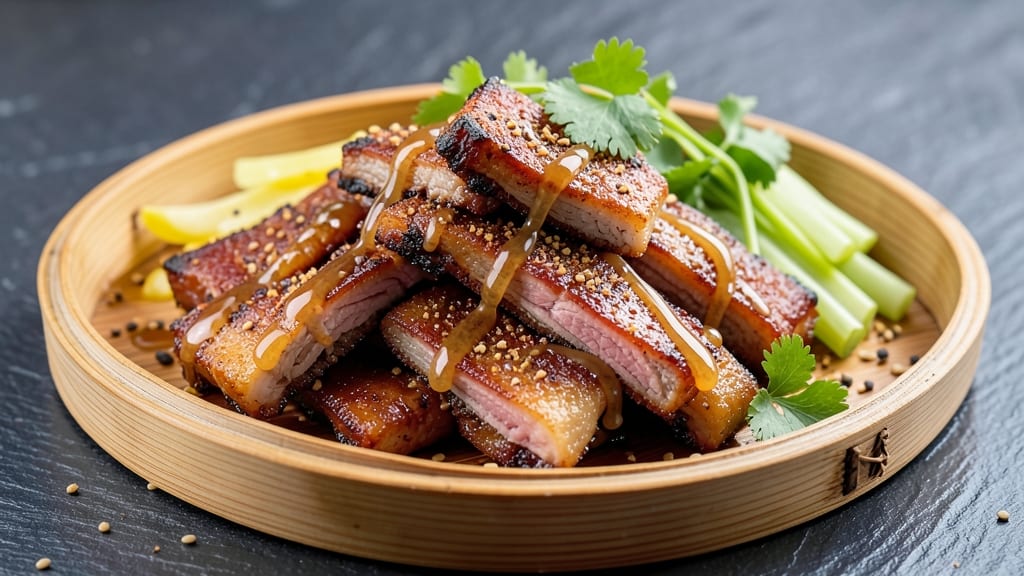
Chinese pork spare ribs transformed into dim sum are a game-changer for anyone craving authentic flavors without the fuss. 🔥 As someone who's spent years perfecting pork techniques, I'll show you how to achieve that signature charred five-spice crunch with a silky glaze—exactly like the dim sum you'd find in a bustling Cantonese restaurant. The secret lies in the braising process, where the ribs develop deep flavor while maintaining tender texture.
This recipe brings together traditional Chinese techniques with approachable methods for home cooks. We'll start with pork spare ribs that get marinated in a fragrant blend of five-spice powder, soy sauce, and honey before being braised until fall-off-the-bone tender.
The ribs are then sliced and glazed with a silky sauce that balances sweetness and umami—creating that perfect dim sum texture.
What makes this recipe special is how it delivers restaurant-quality results at home. The ribs develop a beautiful charred exterior with a crispy edge while staying incredibly tender inside.
Served as bite-sized pieces, they're perfect for dim sum-style gatherings or as a showstopper appetizer. The aroma alone will have everyone anticipating the first bite.
Pair these ribs with steamed dumplings or a side of pickled vegetables for an authentic dim sum experience. The combination of textures and flavors creates a harmonious balance that's both comforting and exciting. Let's bring this classic dish to your table with professional techniques simplified for home cooking.
Ingredients for chinese pork spare ribs dim sum
Pork spare ribs transformed into dim sum-style bites with charred five-spice crunch and silky glaze.
| Ingredient | Amount | Notes |
|---|---|---|
| Pork Spare Ribs 🥩 | 2 ½ lb | Bone-in, trimmed of excess fat |
| Five-Spice Powder 🌶️ | 2 tbsp | Authentic blend for dim sum flavor |
| Light Soy Sauce 🥄 | ½ cup | Kikkoman preferred for balance |
| Honey 🍯 | ¼ cup | Wildflower for subtle floral notes |
| Sesame Oil 🫒 | 1 tbsp | Toasted, for aroma depth |
| Fresh Ginger 🧅 | 2 tbsp | Finely grated, aromatic |
| Garlic Cloves 🧄 | 6 cloves | Minced, for umami foundation |
| Rice Vinegar 🍶 | 2 tbsp | Seasoned, for tangy contrast |
| Dark Soy Sauce 🥄 | 1 tbsp | For deep color and richness |
| Cornstarch 🌾 | 1 tbsp | For silky glaze texture |
| Vegetable Oil 🫒 | 2 tbsp | High smoke point for searing |
| Green Onions 🧅 | 3 whole | Sliced, for garnish |
| Sesame Seeds 🌰 | 1 tbsp | Toasted, for crunch |
| Salt 🧂 | 1 ½ tsp | Diamond Crystal preferred |
| Black Pepper 🌶️ | ½ tsp | Freshly cracked |
The ribs are the star—look for bone-in spare ribs from the butcher section, not baby back. Costco or Whole Foods carry excellent quality, or ask your local butcher for the meaty, flavorful ends. Five-spice powder is non-negotiable here; Penzeys or Spicewalla carry authentic blends. Fresh ginger and garlic should be vibrant—no woody stems or cloves. For the glaze, Kikkoman light soy sauce strikes the perfect balance between sweet and salty, while wildflower honey adds subtle floral notes that elevate the dish.
No five-spice powder? Mix 1 tsp each cinnamon, star anise, clove, fennel, and Sichuan peppercorn for a DIY version. Substitute honey with maple syrup or agave>—though wildflower honey is ideal. Running low on sesame oil? Avocado oil works in a pinch, though it lacks the nutty aroma. For the glaze, if you can't find dark soy sauce, mix 1 tsp molasses with light soy sauce>. The cornstarch is crucial for that silky texture—arrowroot powder works too>. And if you're feeling adventurous, swap the sesame seeds for crushed peanuts> for a Thai-inspired twist.
Store the ribs in the fridge for up to 3 days before cooking—they develop more flavor over time. Once glazed, keep them covered in the fridge for 2 days> or freeze for 3 months>. The glaze reheats beautifully—just warm it gently with a splash of water to restore its silky consistency. For serving, arrange the ribs on a platter with steamed dumplings or pickled vegetables> to complete the dim sum experience. The aroma alone will draw everyone to the table.
Why You'll Love This Recipe
- One-Pan Magic: I swear by this recipe—just ribs, five-spice, and a quick glaze of soy, honey, and sesame oil. No chopping, no fuss, and the sticky-sweet aroma fills the kitchen before the timer even goes off.
- Flavor Bomb: That five-spice powder? It’s the secret—warm, nutty, and just a little funky. The honey cuts through the richness while the sesame oil adds this chef’s kiss depth that makes it taste like a dim sum spot, not my kitchen.
- Party in a Box: Between us, these ribs are my go-to for potlucks or lazy Sundays. Serve them cold in buns for handheld bites, or pile them on rice for a hearty meal—no one will guess how little effort they took.
- Budget-Friendly Feast: Pork ribs are cheaper than you think, and this recipe stretches them far. Make a double batch, store leftovers for stir-fries or sandwiches, and suddenly you’ve got a week’s worth of meals without breaking the bank.
Step-by-step instructions for Chinese pork spare ribs dim sum
Here's how to transform simple ribs into restaurant-quality dim sum with perfect char and glossy glaze.
🔥 Step 1: Parboil the Ribs for Tenderness
Fill a large pot with enough water to submerge the ribs and bring to a rolling boil. Add the 2.5 lb pork spare ribs along with 1.5 tsp salt and 0.5 tsp black pepper. Return to a boil, then reduce heat to maintain a gentle simmer for 30 minutes.
This initial cooking step ensures the ribs cook through evenly and develop that signature tender texture. You'll know they're ready when a knife slides in easily—no need to overcook here. Drain the ribs and let them cool completely on a wire rack before proceeding. This cooling step is crucial for preventing steam buildup during the charring phase.
👨🍳 Step 2: Create the Five-Spice Glaze
In a small bowl, whisk together the 0.5 cup light soy sauce, 0.25 cup honey, 2 tbsp rice vinegar, 1 tbsp dark soy sauce, and 1 tbsp cornstarch until smooth. This blend forms the foundation of our silky glaze—don't skip the cornstarch, as it creates that perfect glossy finish.
In a separate small bowl, combine the 2 tbsp five-spice powder, 2 tbsp finely grated fresh ginger, and 6 minced garlic cloves. This aromatic blend will infuse the ribs with complex dim sum flavors. Keep both mixtures separate until ready to use—the cornstarch mixture needs to stay smooth for proper glaze formation.
🔥 Step 3: Char the Ribs for Perfect Crisp
Heat a large skillet over high heat until very hot. Add 2 tbsp vegetable oil and swirl to coat. Working in batches if needed, place the cooled ribs in the skillet and sear for 2-3 minutes per side until they develop deep char marks and crisp edges.
Here's where the magic happens—I press down gently on the ribs during the first minute to prevent curling and ensure even contact with the pan. You'll see the edges start to crisp—that's your signal to flip. The high heat creates that essential charred exterior that dim sum lovers crave, while keeping the interior tender from our earlier parboiling.
🥘 Step 4: Glaze and Finish with Aromatics
Reduce heat to medium-high and pour the soy sauce mixture over the charred ribs. Stir gently to coat, then add 1 tbsp sesame oil and let it simmer for 2-3 minutes until the glaze thickens slightly. The sauce should coat the back of a spoon—if it's too thin, add a splash of water and let it reduce again.
Sprinkle the five-spice mixture evenly over the ribs and toss to coat. Add the 3 sliced green onions and toss once more. Cook for another 1 minute to let the aromatics meld with the glaze. The ribs should be fully coated with a glossy, caramelized glaze that clings beautifully to each piece.
🍽️ Step 5: Garnish and Serve Immediately
Transfer the ribs to a serving platter and sprinkle with 1 tbsp toasted sesame seeds. The contrast of toasty seeds against the glossy glaze adds that perfect textural element dim sum lovers expect. Serve immediately while the ribs are still sizzling hot—this dish doesn't wait.
Each bite should deliver a perfect balance: crispy char from the sear, tender meat from the parboil, and that silky glaze that ties everything together. The five-spice aroma will linger beautifully, making this a showstopper for any dim sum gathering. For extra presentation, arrange the ribs on a bamboo steamer or platter with fresh ginger slices on the side.
Pro Tips For Making Chinese Pork Spare Ribs Dim Sum
- Trim the Fat First: Spare ribs have a ton of connective tissue and fat—cutting along the bones and scraping off the silver skin before cooking saves you from chewing forever. I used to skip this and wondered why my dim sum felt like a workout.
- Marinate Longer, Not Harder: Five-spice powder and soy sauce need time to work their magic—minimum 4 hours, overnight if possible. Rushing this step means the flavor will cling to the surface instead of penetrating the meat, leaving you with a one-dimensional bite.
- Double-Braise for Crisp: After the initial braise, let the ribs cool completely, then sear them skin-side down in a dry pan until deeply browned. This second crisp isn’t just for looks—it locks in moisture and adds texture that turns "good" into "restaurant-quality."
- Balance the Sweet-Salty: Honey and soy sauce are a classic combo, but too much honey makes the ribs cloying. Start with a 1:2 ratio (honey to soy) and adjust—taste as you go. I learned this after serving a batch where the sweetness drowned out the five-spice entirely.
Regional styles of these flavors
Cantonese Dim Sum Style
This recipe draws directly from Cantonese dim sum traditions where pork spare ribs are often served as char siu—glazed and charred for that signature restaurant aroma. In Cantonese homes, these ribs are typically braised first to tenderize, then quickly charred on a grill or wok.
The five-spice blend is essential here; I always use Penzeys' authentic blend for that perfect balance of cinnamon, star anise, and fennel. 🔥
For serving, arrange the ribs on a bamboo steamer lined with banana leaves, just like you'd see in a dim sum cart. The steam keeps everything warm while enhancing the aromatic profile.
I like to serve them with steamed shrimp dumplings and pickled mustard greens for that classic dim sum contrast of textures and temperatures.
Hong Kong Street Food Twist
In Hong Kong, street vendors often serve these ribs as charred skewers with a dipping sauce made from soy sauce, chili oil, and vinegar. For a street-style version, slice the ribs into 1-inch chunks after braising, then thread them onto skewers.
Brush with the same glaze and char over an open flame for 2-3 minutes per side to get those beautiful crosshatch marks. 🌶️
Pro tip: Add 1 tsp chili oil to the glaze for a Hong Kong-style kick. Serve with small bowls of the dipping sauce on the side—this is how locals eat it at street stalls. The contrast of the smoky ribs with the tangy, spicy sauce is pure magic.
Taiwanese BBQ Adaptation
Taiwanese chefs take these ribs and turn them into sweet and savory BBQ bites by adding a layer of black pepper glaze.
After the initial braise, toss the ribs in a mixture of 1 tbsp black pepper, 1 tbsp soy sauce, and 1 tbsp honey, then grill until caramelized. The result is a deeper, smokier flavor with a hint of heat. 💫
For serving, slice the ribs into bite-sized pieces and arrange them on a platter with pickled red onions and scallions. This version is perfect for BBQ parties or as a main course—just pair it with jasmine rice and a cold Tsingtao beer.
Modern Fusion Approach
For a contemporary twist, I've experimented with adding gochujang (Korean chili paste) to the glaze—just 1 tbsp mixed into the soy sauce base. This fusion version brings a sweet-spicy depth that's become popular in modern dim sum menus. The ribs develop a glossy, sticky-sweet crust with a subtle kick. 🍯
Garnish with crushed peanuts instead of sesame seeds for added crunch, and serve with a side of kimchi for a Korean-Chinese fusion experience. This version is a crowd-pleaser at dinner parties—it bridges two culinary worlds beautifully.
Northern Chinese Regional Style
In Northern China, these ribs might be served steamed in lotus leaves for an earthy aroma. After braising, wrap the ribs in lotus leaves (available at Asian markets) and steam for 15 minutes to infuse that distinctive herbal note.
The result is a milder, more aromatic version of the dish. 🌿
For serving, slice the ribs and arrange them on a platter with steamed buns and hoisin sauce on the side. This style is perfect for a more refined dim sum experience—think of it as the "white tablecloth" version of the dish.
Nutrition facts
Frequently asked questions
Can I use baby back ribs instead of pork spare ribs?
While baby back ribs are leaner and more tender, they lack the rich flavor and connective tissue that make spare ribs ideal for dim sum. Spare ribs have more marbling and fat, which renders beautifully during braising. If you must use baby backs, reduce the braising time to 20 minutes instead of 30 minutes to prevent drying out.
How do I achieve that perfect char without burning the glaze?
Work in batches—never overcrowd the pan! Use high heat for 2-3 minutes per side until deep char marks form, then immediately reduce to medium-high to add the glaze. The key is timing: char first, then glaze. If the glaze starts to burn, remove the pan from heat for 30 seconds while stirring.
Can I make this recipe ahead of time?
Braise the ribs up to 3 days ahead and store them in the fridge. For serving, reheat in a skillet with 1 tbsp water over medium heat for 5 minutes, then char and glaze fresh. The glaze reheats beautifully—just add a splash of water if it thickens too much. The flavors actually deepen overnight!
What's the best way to serve these as dim sum?
Slice the ribs into 1-inch pieces and arrange them on a bamboo steamer lined with banana leaves for authentic presentation. Serve with small bowls of hoisin sauce and pickled mustard greens> on the side. For a complete dim sum spread, pair with steamed dumplings and scallion pancakes.
Why does my glaze turn out too thick or too runny?
Too thick? Add 1 tsp water and stir until smooth. Too runny? Simmer uncovered for 1-2 minutes> to reduce. The glaze should coat the back of a spoon but still flow freely. For extra insurance, mix 1 tbsp cornstarch> with 2 tbsp water> and stir into the glaze if needed—this creates instant thickening power.