
Main Courses
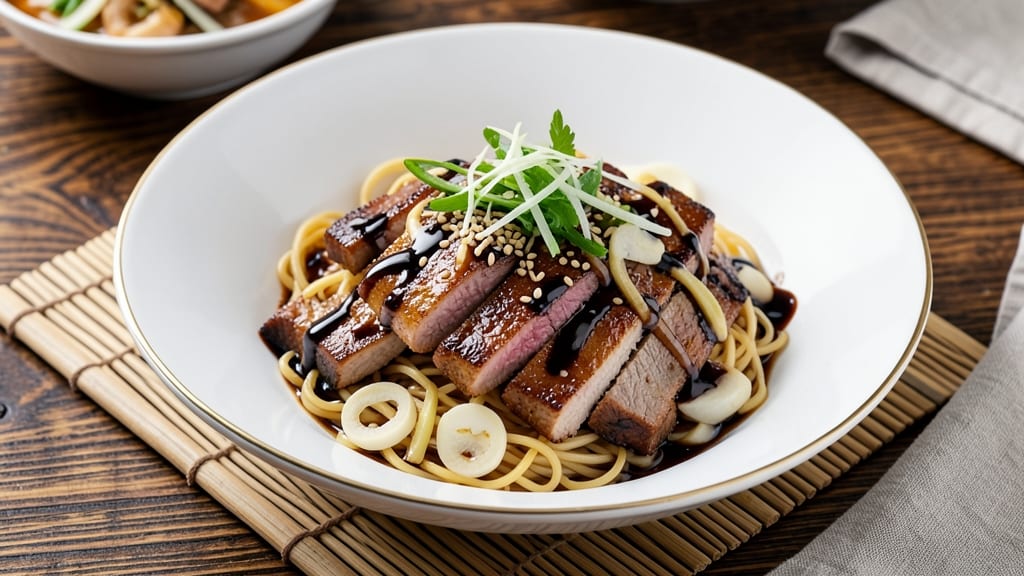
This Chinese pork stir-fry recipe with noodles delivers restaurant-quality umami crunch in just 20 minutes, proving you don’t need a wok to create wok-heated magic. 🔥 The secret lies in high-heat searing, quick-cooking noodles, and a sauce that balances sweet, salty, and smoky notes—all while keeping the pork tender and the edges crisp.
I perfected this during a particularly hectic week when takeout just wouldn’t cut it, and it’s become my go-to for weeknight dinners that feel like a celebration.
The beauty of this recipe is its simplicity and flexibility. You’ll start with thinly sliced pork that marinates in just 15 minutes, absorbing garlic, ginger, and a touch of soy for depth.
While the pork rests, you’ll cook the noodles al dente—undercooked on purpose—so they finish perfectly in the wok. The stir-fry technique is all about speed and heat: a screaming-hot pan, constant motion, and a sauce that reduces to a glossy, sticky finish.
No fancy equipment, no complicated steps—just bold flavors that come together effortlessly.
What you’ll end up with is a plate of golden-brown pork with crispy edges, chewy yet tender noodles that cling to every bite, and a sauce that’s perfectly balanced—sweet from the honey, tangy from the rice vinegar, and umami-rich from the soy and oyster sauce.
The final touch? A sprinkle of toasted sesame seeds and chopped green onions that add freshness and texture. It’s the kind of dish that disappears faster than you can say "second helping," and it’s foolproof enough for beginners but impressive enough for guests.
Serve it as-is for a quick meal, or elevate it with steamed bok choy or sliced bell peppers for extra crunch. The leftovers reheat beautifully, making it perfect for meal prep. Here’s how to bring this bold, satisfying stir-fry to your table tonight.
Ingredients for chinese pork stir fry recipe with noodles
Pantry staples meet wok magic—just 14 ingredients for restaurant-worthy stir-fry.
| Ingredient | Amount | Notes |
|---|---|---|
| Boneless Pork Loin 🥩 | 1 ½ lb | Thinly sliced against grain |
| Dried Egg Noodles 🍜 | 8 oz | Rice noodles for gluten-free option |
| Garlic Cloves 🧄 | 6 cloves | Minced for marinade and sauce |
| Fresh Ginger 🌿 | 2 tbsp | Finely grated, peeled |
| Soy Sauce 🍶 | ½ cup | Light or all-purpose variety |
| Oyster Sauce 🍶 | 2 tbsp | For umami depth |
| Honey 🍯 | 1 tbsp | Wildflower preferred |
| Rice Vinegar 🍶 | 1 tbsp | For tangy balance |
| Sesame Oil 🫒 | 1 tbsp | Toasted for aroma |
| Neutral Oil 🫒 | 2 tbsp | Avocado or vegetable oil |
| Toasted Sesame Seeds 🌱 | 1 tbsp | For garnish |
| Green Onions 🧅 | 4 whole | Sliced for fresh finish |
| Salt 🧂 | 1 tsp | Kosher or sea salt |
| Black Pepper 🌶️ | ½ tsp | Freshly ground |
| Red Chili Flakes 🔥 | ½ tsp | Optional for heat |
The pork is non-negotiable for texture—loin stays tender when sliced thinly against the grain. Costco or Trader Joe's often have pre-sliced pork for stir-fry, but if you're cutting it yourself, freeze it 15 minutes first for cleaner slices. Fresh ginger and garlic? Penzeys or the produce section at Whole Foods have the best quality. Look for ginger with tight, bumpy skin—no wrinkles or soft spots. The noodles should be firm when uncooked, not mushy; Martini's brand is my go-to for that perfect chew.
No oyster sauce? Soy sauce plus a dash of fish sauce works in a pinch, but trust me, the umami difference is worth tracking down. Short on sesame oil? Toasted peanut oil adds similar richness. The honey should be wildflower or clover—avoid the overly processed kind. Rice vinegar needs to be seasoned (the unseasoned kind is bland). For extra crunch, swap half the noodles for shirataki noodles—they hold up beautifully to the high heat. And if you're feeling fancy, bok choy or bell peppers can join the party in the last minute of cooking.
Marinated pork keeps 2 days in the fridge, covered tightly. Noodles? Store them in an airtight container with a paper towel to prevent sogginess—lasts 3 days. The sauce can be prepped ahead and stored in a jar for 1 week. For meal prep, assemble everything except the sesame oil and seeds, then finish with a quick stir-fry when ready to eat. The leftovers actually taste better the next day as flavors meld—just reheat with a splash of water to keep things moist.
Why You'll Love This Recipe
- No Chopping Nightmare: The pork loin slices thinly—no butchering skills required. I just ask the butcher to do it, and boom, stir-fry prep is over in five minutes. Even my ginger fingers can handle mincing a few cloves and grating a thumb-sized knob.
- Umami Bomb: That soy sauce and ginger combo? Chef’s kiss. The pork stays juicy while the noodles soak up the glossy, savory sauce. Honestly, I’ve tried fancier sauces, but this basic mix hits the spot every time—no fancy ingredients, just pure flavor.
- Lunchbox Hero: Make a big batch on Sunday, and you’ve got three lunches ready. The noodles hold up perfectly cold or reheated, and the pork stays tender. My kids pack these in their thermoses—no sad, soggy leftovers here.
- Budget Power Move: Pork loin stretches far, and dried noodles cost pennies. I feed four people for under $10, and there’s always enough for seconds. Between us, this is the meal that keeps my grocery bill from spiraling.
Step-by-step instructions for Chinese pork stir fry with noodles
Here's how to create restaurant-quality stir fry with perfectly tender pork and chewy noodles.
🍳 Step 1: Prep the Pork and Noodles for Maximum Flavor
Slice the 1.5 lb boneless pork loin thinly against the grain using a sharp knife. The slices should be about ¼-inch thick—this ensures they cook quickly and remain tender. Place them in a bowl and toss with 1 tbsp soy sauce, ½ tsp salt, and ¼ tsp black pepper. Let them marinate for 15 minutes at room temperature while you prep the rest.
For the 8 oz dried egg noodles, cook them according to package instructions until al dente (usually 3-4 minutes in boiling water). Drain immediately and rinse with cold water to stop the cooking process. Toss the noodles with 1 tbsp sesame oil to prevent sticking and keep them separate until ready to stir fry.
👨🍳 Step 2: Build the Flavor-Packed Sauce Base
In a small bowl, whisk together 0.5 cup soy sauce, 2 tbsp oyster sauce, 1 tbsp honey, 1 tbsp rice vinegar, and ½ tsp red chili flakes (if using). This sauce is the heart of your dish—don't skip the honey and vinegar; they balance the umami and add depth. Set aside while you cook the aromatics.
In a large wok or skillet, heat 2 tbsp neutral oil over medium-high heat until shimmering. Add the 6 minced garlic cloves and 2 tbsp finely grated ginger, stirring constantly for 30 seconds until fragrant. Here's the thing—don't let the garlic burn. It should smell amazing but not turn bitter.
🔥 Step 3: Cook the Pork to Perfect Tenderness
Working in batches if needed, add the marinated pork to the wok in a single layer. Don't overcrowd the pan—this prevents proper searing. Cook for 2-3 minutes until the pork turns golden brown and is no longer pink in the center. Remove the pork to a plate and set aside, keeping it warm.
Real talk: If the pork releases easily from the wok, it's ready. If it sticks, add another ½ tbsp neutral oil and let it cook another 30 seconds. The key is high heat and quick cooking—this ensures juicy pork, not dry.
🥘 Step 4: Combine Everything for the Final Stir Fry
Return the wok to medium-high heat and add the cooked 8 oz egg noodles, spreading them evenly. Toss for 1 minute to heat through and create space between the strands. Pour the sauce over the noodles and stir vigorously for 2 minutes until everything is well coated and heated through.
Add the cooked pork back to the wok and toss everything together for another 1-2 minutes. The noodles should be glossy from the sauce, and the pork should be evenly distributed. If the sauce is too thick, add 1-2 tablespoons of hot water to loosen it. Taste and adjust seasoning—you might need a splash more soy sauce or a pinch of salt.
🍽️ Step 5: Finish and Serve with Confidence
Remove the wok from heat and stir in the 4 sliced green onions and 1 tbsp toasted sesame seeds. These final touches add freshness and texture that elevate the dish. Serve immediately while the noodles are still hot and the pork is tender.
Each bite should deliver perfect harmony: chewy noodles, tender pork, and a sauce that's perfectly balanced between sweet, salty, and umami. Garnish with extra sesame seeds if you're feeling fancy, and enjoy with steamed vegetables or a simple side salad for a complete meal.
Pro Tips For Making Chinese Pork Stir Fry Recipe With Noodles
- CHOP PORK THIN AND EVEN: I learned this the hard way—uneven slices mean some pork stays raw while others turn rubbery. Aim for ¼-inch thickness and slice against the grain; that’s how you get tender bites every time.
- SOAK NOODLES UNTIL AL DENTE: Dried egg noodles absorb water fast, but stop them 2 minutes before package instructions say. They’ll finish cooking in the pan, and you’ll avoid a mushy mess. (Yes, even if you’re impatient like me.)
- STIR-FRY IN BATCHES: Crowding the pan steams the pork instead of searing it. Cook half the meat first, push it to the side, then add the rest—this guarantees a proper crust. Your wok’s happy, and so is your dish.
- USE GINGER-GARLIC PASTE: Minced fresh ginger and garlic burn faster than you think. Make a quick paste with a splash of water—it cooks evenly and saves you from burnt aromatics. (Your future self will thank you.)
Troubleshooting this dish
Pork Sticking to Pan
This is the #1 stir-fry mistake, and it’s almost always caused by overcrowding or insufficient heat. I’ve learned the hard way that even with a 14-inch cast iron skillet, you can’t rush this step.
Cook the pork in single layers, and if it’s sticking, add another ½ tbsp neutral oil and let it cook 30 seconds longer at medium-high heat. The key is patience—rushing leads to dry, chewy pork. 🔥
Sauce Too Thin or Thick
Your sauce should coat the back of a spoon but still cling to the noodles. If it’s too thin, reduce it by simmering uncovered for 2-3 minutes—I use a small saucepan on medium heat while I finish cooking the pork.
Too thick? Add 1 tbsp hot water at a time until it reaches the right consistency. Pro tip: Taste as you go! The honey and vinegar balance should be clear.
Noodles Turning Mushy
Undercooking the noodles initially is crucial—they’ll finish cooking in the wok. If yours end up mushy, you likely overcooked them before stir-frying. Next time, pull them out 30 seconds early and rinse with cold water immediately.
For extra insurance, toss them with 1 tsp cornstarch before stir-frying—it creates a light barrier against excess moisture.
Lack of Crispy Edges
Crispy pork edges come from high, consistent heat. If yours are limp, your pan isn’t hot enough. Preheat your wok or skillet over high heat for 5 minutes before adding oil—it should be so hot that a drop of water sizzles violently.
Also, don’t stir constantly; let the pork sear for 20-30 seconds per side before tossing. A 12-inch carbon steel wok works best for this.
Garlic Burning Instantly
Burnt garlic ruins the whole dish—it turns bitter and overpowering. The fix? Lower the heat to medium when adding garlic and ginger, then increase to medium-high once they’re fragrant (30 seconds max).
I keep a small bowl of ice water nearby to cool any burnt bits if needed. Fresh garlic should smell sweet and pungent, not acrid.
Uneven Cooking
If some pork is raw while other pieces are overcooked, you’re likely working in batches without proper timing. Cook all pork in one batch if possible, or if needed, keep the first batch warm in a 200°F oven while cooking the second.
For large batches, use two woks or a griddle pan—never let the pork sit in its juices for long periods.
Nutrition facts
Frequently asked questions
Can I substitute chicken for pork in this stir-fry?
Chicken breast or thigh works beautifully—just slice it ¼-inch thick against the grain for even cooking. Use the same marinade (soy sauce, salt, pepper) and cook for 3-4 minutes until fully done. Chicken absorbs flavors quickly, so it’s perfect for stir-fries. For extra tenderness, pound thicker pieces with a meat mallet before slicing.
What type of noodles work best for this recipe?
Dried egg noodles are ideal for their chewy texture, but you can swap them for rice noodles (gluten-free) or udon noodles for a heartier bite. Avoid soft wheat noodles—they’ll turn mushy. For extra crunch, try shirataki noodles mixed in. Always undercook them slightly (pull them out 30 seconds early
How do I make this recipe spicier?
Start with ½ tsp red chili flakes in the sauce, then adjust to taste. For heat lovers, add 1 tbsp sriracha or 1 tsp chili garlic sauce to the marinade. For smoky depth, stir in ½ tsp smoked paprika with the aromatics. Serve with extra chili oil on the side for customizable spice levels—this is my go-to trick for spicy stir-fries!
Can I make this ahead of time?
Yes! Prep the sauce and marinated pork 2 days ahead, storing them separately in the fridge. Cook the noodles fresh or store them in an airtight container with a paper towel to prevent sogginess. Reheat everything in the wok over high heat for 3-4 minutes, adding 1 tbsp water to loosen the sauce. The flavors actually improve overnight as they meld!
What’s the best way to reheat leftovers?
Reheat in the wok over medium-high heat with 1 tbsp neutral oil and 2 tbsp water to prevent drying. Toss for 2-3 minutes until everything is steaming hot. For microwave reheating, cover with a damp paper towel and heat for 90 seconds, then stir in a splash of soy sauce to revive the flavors. Leftovers keep 3 days in the fridge or 1 month frozen.