
Sauces & Condiments
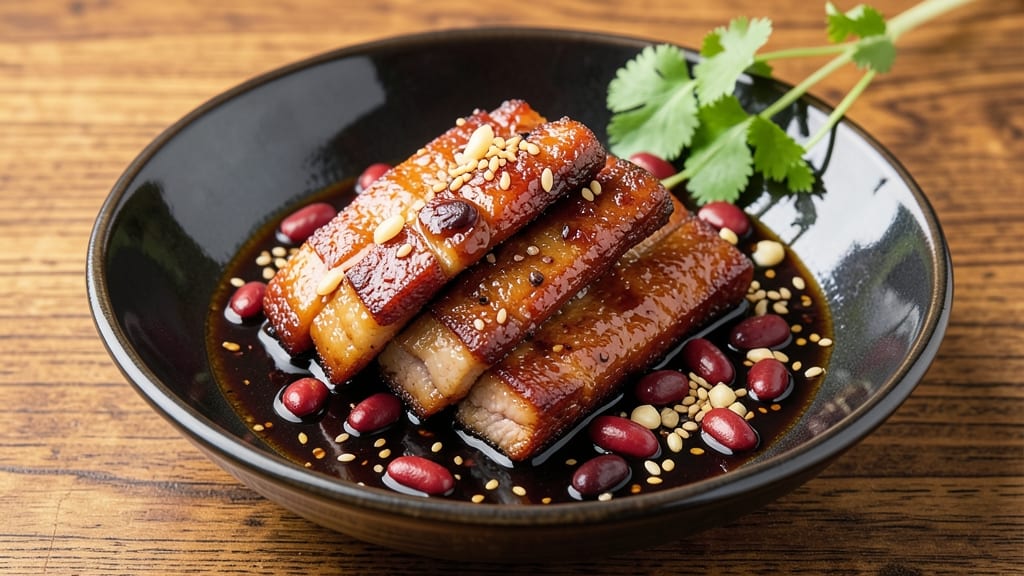
This Chinese recipe for pork ribs and black bean sauce delivers restaurant-quality results with just a few simple ingredients and a slow-braised technique. The secret lies in the sauce—thick, savory, and slightly sweet from slow-cooked black beans—that clings to every rib, creating that signature sticky-sweet gloss.
I first tasted this dish at a tiny family-run restaurant in Portland, and it’s been my go-to recipe ever since.
The process starts with marinating the ribs in a blend of soy sauce, garlic, and ginger, then slow-braising them until tender. Meanwhile, the black bean sauce simmers with fermented black beans, sugar, and a touch of chili oil, developing deep umami and caramelized sweetness.
The key is patience—letting the ribs and sauce meld over low heat transforms tough meat into melt-in-your-mouth bites.
What you’ll end up with is a dish that’s rich, aromatic, and perfectly balanced—sweet from the sauce, savory from the pork, and just a hint of spice from the chili. The ribs are tender enough to pull apart, and the sauce clings like a glossy, flavorful coating.
Serve it over steamed rice with quick-pickled vegetables or scallions for a meal that feels both comforting and special.
This recipe is especially rewarding for weeknight dinners or gatherings—it’s hearty enough for a crowd but simple enough to make with minimal fuss. The slow-cooked flavors only get better the next day, making it ideal for meal prep. Let’s get cooking!
Ingredients for chinese recipe pork ribs and black bean sauce
Six pounds of tender ribs and twelve aromatic ingredients transform into restaurant-quality Chinese comfort food.
| Ingredient | Amount | Notes |
|---|---|---|
| Pork Ribs 🥓 | 4 lb | Baby back or spare ribs, trimmed |
| Fermented Black Beans 🌿 | 1 cup | Packed, drained and rinsed |
| Dark Soy Sauce 🍶 | ½ cup | For deep umami flavor |
| Light Soy Sauce 🍶 | ¼ cup | Balances saltiness |
| Brown Sugar 🍯 | ½ cup | Packed, for caramelized sweetness |
| Garlic Cloves 🧄 | 8 cloves | Minced for aromatic base |
| Fresh Ginger 🌿 | 2 tbsp | Finely grated, peeled |
| Green Onions 🧅 | ¼ cup | Sliced, for garnish |
| Sesame Oil 🫒 | 1 tbsp | Toasted for nutty aroma |
| Chili Oil 🌶️ | 1 tbsp | For subtle heat |
| Star Anise 🌟 | 2 whole | For aromatic depth |
| Cinnamon Stick 🌿 | 1 whole | For warm spice notes |
| Water 💧 | 2 cups | For braising liquid |
| White Wine 🍷 | ½ cup | Dry, for acidity |
| Cornstarch 🌾 | 1 tbsp | For sauce thickening |
The ribs are the foundation here—baby back or spare ribs work best, with baby backs offering slightly more tenderness. Look for meaty, well-marbled cuts at your butcher or grocery store’s meat counter. If using frozen ribs, thaw them overnight in the fridge for even cooking. Costco or Whole Foods often carry high-quality cuts, but any reputable butcher will do. Trim excess fat to avoid greasiness in the sauce, but leave some marbling for flavor. The fermented black beans should be packed in brine—avoid those in oil, which can make the sauce greasy. Asian markets typically carry the best selection, but check the international aisle at larger supermarkets.
No fermented black beans? Substitute with black soybeans (soaked overnight) or a mix of black beans and soy sauce (though the flavor won’t be identical). Running short on star anise or cinnamon? A pinch of ground cinnamon and a dash of anise extract will mimic the aroma, though whole spices add depth. The white wine can be swapped for apple cider vinegar if needed—just add a splash of sugar to balance the acidity. For the brown sugar, coconut sugar or muscovado works beautifully, adding deeper caramel notes. If you’re short on time, pre-minced garlic and ginger from a jar will save prep work, though fresh is always preferable for maximum flavor.
Store the braised ribs and sauce in airtight containers for up to 5 days in the fridge, though they taste even better the next day as flavors meld. The sauce thickens further upon reheating, so a splash of water or broth can loosen it if needed. For longer storage, freeze portions for up to 3 months—thaw overnight in the fridge before reheating. The green onions can be added fresh when serving, but storing them separately preserves their bright color. Leftovers reheat beautifully in a skillet with a splash of water to deglaze any stuck-on sauce, ensuring every bite stays glossy and flavorful.
Why You'll Love This Recipe
- One-Pan Magic: I swear by this—just ribs, black beans, and a quick stir-fry. No chopping, no fuss, and one pan means less cleanup. The sauce sticks to everything like it’s meant to be there.
- Umami Bomb: That fermented black bean paste? It’s the secret weapon. Sweet from the brown sugar, salty from the soy, and funky in the best way. My kids fight over the last bite, and I don’t even pretend to care.
- Leftovers I Actually Want: This dish tastes even better the next day. I make a double batch on Sundays, and by Wednesday, it’s still the star of my lunch. The ribs get tenderer, the sauce thicker—perfection in a container.
- Budget-Friendly Feast: Pork ribs and black beans stretch farther than you’d think. A few dollars at the butcher, a bag of beans, and you’ve fed four for less than takeout. Plus, the flavors sing loud enough to make it feel special.
Step-by-step instructions for Chinese-style pork ribs with black bean sauce
The secret lies in slow braising and precise sauce reduction—here's how to achieve that signature sticky-sweet gloss.
Parboil and Parchment the Ribs
Place the 4 lb pork ribs in a large stockpot and cover with cold water by 2 inches. Bring to a boil over high heat, then immediately reduce to a gentle simmer. Parboil for 10 minutes—this step removes impurities and begins tenderizing the meat. Drain and rinse under cold water to stop cooking.
While still warm, wrap each rib individually in a sheet of parchment paper. This creates a barrier that prevents the ribs from sticking to each other during braising. Seal the edges tightly by folding them over—you'll see the ribs develop a glossy sheen as they steam in their own juices. Set aside for 15 minutes before braising to allow the meat to relax.
Build the Braising Liquid and Aromatics
In a large Dutch oven, combine the 1 cup fermented black beans, 0.5 cup dark soy sauce, 0.25 cup light soy sauce, 0.5 cup packed brown sugar, 8 minced garlic cloves, 2 tbsp finely grated ginger, 2 whole star anise, and 1 whole cinnamon stick. Add the 2 cups water and 0.5 cup white wine, then bring to a boil over medium-high heat.
Watch carefully as the mixture reduces—you want to concentrate the flavors before adding the ribs. The liquid should reduce by about one-third (to roughly 1½ cups) before proceeding. This concentrated base forms the foundation of your sauce's depth. Skim off any foam that rises to the surface during this reduction.
Braise Until Fork-Tender
Carefully add the parchment-wrapped ribs to the Dutch oven, arranging them in a single layer. The braising liquid should come about halfway up the ribs. Cover tightly with a lid and transfer to a preheated 300°F oven. Braise for 2 hours, then increase heat to 325°F and continue cooking for another 1-2 hours until the meat is fork-tender.
Here's the thing—you'll know it's ready when the ribs pull apart easily at the bone and the sauce has thickened to a glossy consistency. The ribs should be submerged in the sauce, which will have darkened to a rich mahogany color. If the sauce reduces too quickly, add ¼ cup hot water to maintain moisture. Resist the urge to peek or stir during cooking—this disrupts the even heat distribution.
Thicken the Black Bean Sauce
Remove the ribs from the Dutch oven and set them aside, leaving the sauce behind. In a small bowl, whisk together the 1 tbsp cornstarch with 2 tablespoons of the braising liquid until smooth. Slowly pour this mixture back into the sauce over medium heat, stirring constantly with a wooden spoon.
Simmer for 3-5 minutes until the sauce thickens to a glossy, spoonable consistency. It should coat the back of a spoon and cling to the ribs when you return them. The sauce should be thick enough to hold its shape when spooned but still flow smoothly. Taste and adjust seasoning with additional light soy sauce if needed—this balances the sweetness and enhances umami.
Finish and Serve with Garnishes
Return the ribs to the Dutch oven and coat them thoroughly with the thickened sauce. Drizzle with 1 tbsp sesame oil and 1 tbsp chili oil, then toss gently to distribute. Let the ribs sit in the sauce for 5 minutes off the heat to absorb the final flavors. Garnish with 0.25 cup sliced green onions just before serving.
Serve immediately with steamed jasmine rice to soak up that luxurious black bean sauce. The ribs should be fall-off-the-bone tender with a glossy, caramelized exterior. Each bite delivers a perfect balance of sweet, salty, and umami flavors, with the fermented black beans adding their signature tangy depth. The sauce should cling to every rib, creating that signature sticky-sweet experience.
Pro Tips For Making Chinese Recipe Pork Ribs And Black Bean Sauce
- Parboil Ribs First: Skip the raw sear—parboil the ribs for 5 minutes in salted water before stir-frying. This softens the collagen just enough to make them tender without falling apart, and the sauce clings better. (I learned this the hard way after fighting rubbery ribs.)
- Rinse Black Beans: Fermented black beans pack funky brine—rinse them quickly under cold water before using. This cuts the saltiness and lets the dark soy sauce shine without competing flavors. (Yes, even if they look clean, do it.)
- Low Heat for Sauce: Simmer the sauce on low heat after adding sugar—high heat turns it into glue. Stir constantly and let it thicken gradually (about 8–10 minutes). The sauce should coat the back of a spoon, not stick like syrup.
- Add Sugar Last: Toss the ribs with the sauce before adding brown sugar—this prevents caramelization that’ll make your sauce look burnt. Sprinkle sugar in the final 2 minutes, toss once, and serve immediately. (Your sauce will thank you.)
Best sauces and condiments for this chinese recipe pork ribs and black bean sauce
Fermented Black Bean Sauce
The star of this dish is the fermented black bean sauce, which delivers that signature sticky-sweet gloss and deep umami flavor. I like to use 1 cup packed fermented black beans (available at Asian markets or in the international aisle) for their tangy, funky depth.
If you can't find them, soak black soybeans overnight as a substitute—though the flavor won't be identical. The key is to simmer them with dark soy sauce, brown sugar, and aromatics until they break down into a thick, glossy paste.
This sauce isn't just for coating; it's the soul of the dish, balancing sweetness with a hint of fermented tang. 🌿
Chili Oil Infusion
A 1 tbsp splash of chili oil at the end adds just the right amount of heat without overpowering the dish. I reach for Lao Gan Ma brand when I'm at the store—it's widely available and delivers that perfect smoky, spicy kick.
For a homemade version, blend dried chili peppers with toasted sesame oil and strain. Add it to the ribs just before serving so the heat doesn't dissipate during braising. The oil also helps seal in moisture, keeping the ribs juicy.
Trust me, this is where the magic happens—it's what transforms good ribs into restaurant-quality bites. 🌶️
Sesame Oil Finish
Don't skip the 1 tbsp toasted sesame oil at the end—it's what gives the dish its nutty aroma and rich finish. I always toast my own by gently heating sesame seeds in a dry pan until fragrant, then straining. For convenience, Kadoya brand works perfectly.
Drizzle it over the ribs just before serving so it doesn't cook off. This step adds a complexity that elevates the dish from home-cooked to special occasion. The aroma alone makes the whole meal feel more celebratory. 🫒
White Wine Reduction
The ½ cup dry white wine in the braising liquid might seem like an extra step, but it's crucial for brightening the sauce and cutting through the richness. I like to use Sauvignon Blanc for its crisp acidity, but any dry white will work.
If you're avoiding alcohol, substitute with apple cider vinegar—just add a pinch of sugar to balance the tang. The wine reduces down to a syrupy consistency, adding depth and balance to the sweet-savory sauce.
It's one of those small details that makes a big difference in the final result. 🍷
Cornstarch Thickening
For that perfectly glossy, spoonable sauce, the 1 tbsp cornstarch slurry is non-negotiable. Mix it with 2 tbsp of the braising liquid before adding it back to the pot—this ensures a smooth, lump-free thickening. Simmer for 3-5 minutes until the sauce coats the back of a spoon.
If it thickens too quickly, add a splash of water. The right consistency is thick enough to cling but still flow smoothly—this is what makes the sauce cloak the ribs so beautifully. 💫
Garnish Game-Changers
Fresh green onions aren't just for looks—they add a bright, crisp contrast to the rich, sticky ribs. I like to slice them thin and scatter them over the top just before serving.
For extra flair, add a sprinkle of toasted sesame seeds or a few drops of chili oil right at the table. These finishing touches make the dish feel restaurant-worthy without adding much effort. It's all about layering flavors and textures at the end. 🧅
Nutrition facts
Frequently asked questions
Why do I need to parboil the ribs before braising?
Parboiling for 10 minutes removes impurities and surface blood that could make the sauce cloudy or bitter. It also begins tenderizing the meat, ensuring your ribs become fork-tender during braising. This step is especially important for tougher cuts like spare ribs—it's what makes the difference between chewy and melt-in-your-mouth results.
Can I use regular black beans instead of fermented black beans?
You can try, but fermented black beans provide that signature tangy funk that's essential to the sauce's depth. For a substitute, soak black soybeans overnight and use them in the recipe—they'll develop some fermentation flavor. If using regular black beans, add an extra ½ teaspoon of soy sauce to compensate for the missing umami. The texture won't be identical, but it'll still be delicious.
How do I know when the ribs are fully cooked?
The ribs are done when they pull apart easily at the bone and the meat is fork-tender (no resistance). The sauce should also thicken to a glossy mahogany color. For perfect timing, start checking after 3 hours of braising at 325°F. If the sauce reduces too quickly, add ¼ cup hot water to maintain moisture. The ribs should be submerged in the sauce, not sitting on top.
Can I make this recipe in a slow cooker?
Yes! Use a 6-quart slow cooker on low for 6-8 hours instead of oven braising. After parboiling and wrapping the ribs in parchment, add all ingredients except cornstarch to the slow cooker. For the sauce, mix cornstarch with 2 tbsp water and stir into the sauce during the last 30 minutes of cooking. The texture will be slightly less glossy but still delicious.
What's the best way to reheat leftovers?
Reheat ribs and sauce in a skillet over medium-low heat with a splash of water or broth to loosen the sauce. Cover and warm for 5-7 minutes, stirring occasionally. Avoid microwaving—it makes the sauce watery. For extra shine, add a drizzle of sesame oil and chili oil before serving. Leftovers taste even better the next day as flavors meld!