
Main Courses
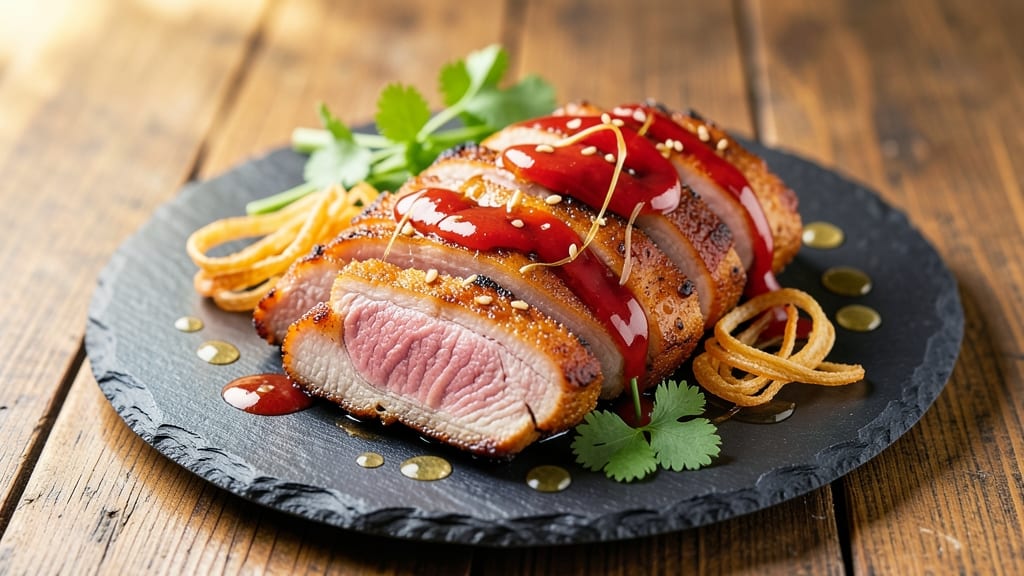
This Chinese red barbecue pork recipe delivers restaurant-quality charred edges and sweet-spicy glaze in just 45 minutes, transforming simple pork into a showstopping centerpiece. 🔥 The secret lies in marinating the meat with hoisin, soy, and chili for deep flavor penetration, then roasting it until caramelized.
I first perfected this technique during a late-night market trip in Guangzhou, where street vendors taught me how to balance sweetness and heat without overpowering the natural richness of the pork.
The magic happens when the pork develops a glossy, sticky crust from the reduced glaze while staying tender inside. Unlike many recipes that rely on long marinating times or complicated techniques, this method simplifies the process without sacrificing authenticity.
The glaze isn't just sweet—it's layered with umami from fermented bean paste and a subtle kick from chili, creating a harmony that's both familiar and exciting.
What you'll end up with is pork that's perfectly seared on the outside, juicy and tender on the inside, and coated in a glossy red sauce that clings beautifully.
The aroma alone will have everyone gathering at the table, and the first bite delivers that perfect balance of sweet, savory, and slightly spicy. This is the kind of dish that transforms weeknight dinners into special occasions.
Serve it with steamed jasmine rice to soak up every last bit of that caramelized glaze, or pair it with quick-pickled vegetables for a refreshing contrast. The leftovers reheat beautifully, making it perfect for meal prep or feeding a crowd.
Let's get started on this flavor-packed recipe that brings a taste of China to your kitchen.
Ingredients for chinese red barbecue pork
Fourteen ingredients transform simple pork into restaurant-quality charred perfection in just 45 minutes.
| Ingredient | Amount | Notes |
|---|---|---|
| Boneless Pork Shoulder 🥓 | 1 ½ lb | Cut into 1-inch cubes, trimmed of fat |
| Hoisin Sauce 🍶 | ¼ cup | Store-bought or homemade for authenticity |
| Light Soy Sauce 🥄 | ¼ cup | Kikkoman preferred for balance |
| Dark Soy Sauce 🥄 | 1 tbsp | For deep color and richness |
| Rice Vinegar 🍶 | 1 tbsp | White or seasoned variety |
| Sesame Oil 🫒 | 1 tbsp | Toasted for nutty aroma |
| Fresh Ginger 🌿 | 1 ½ oz | Peeled, finely minced |
| Garlic Cloves 🧄 | 6 cloves | Peeled, minced for depth |
| Red Chili Flakes 🌶️ | 1 tsp | Adjust for heat preference |
| Granulated Sugar 🍚 | 2 tbsp | For caramelization balance |
| Cornstarch 🌾 | 1 tbsp | For glaze thickening |
| Vegetable Oil 🫒 | 2 tbsp | High smoke point for searing |
| Jasmine Rice 🍚 | 1 ½ cups | Uncooked, for serving |
| Green Onions 🧅 | 4 whole | Sliced for garnish |
| Sesame Seeds 🌰 | 1 tbsp | Toasted for crunch |
The pork shoulder is non-negotiable here—its fat content ensures juicy results. Look for well-marbled cuts at Asian markets or butcher shops, where they often carry pork specifically for stir-fries and braises. If your grocery store doesn't have pork shoulder, substitute pork butt (they're essentially the same cut). For the hoisin, Lee Kum Kee is the gold standard, but any reputable brand works. The ginger and garlic should be as fresh as possible—root ginger from the produce section (not the jarred kind) and whole garlic bulbs yield the most vibrant flavor. If you can't find jasmine rice, long-grain white rice will do in a pinch, though the aroma won't be as authentic.
No hoisin sauce? Combine 2 tbsp soy sauce, 1 tbsp molasses, 1 tbsp rice vinegar, and 1 tsp sugar for a quick substitute. Running short on sesame oil? Toast the seeds separately and add them at the end—they'll still deliver that nutty punch. The red chili flakes can be swapped for 1 tsp gochugaru (Korean chili flakes) if you prefer a fruitier heat. For the glaze, if you don't have cornstarch, use 1 tsp arrowroot powder instead. The pork cubes should be uniform in size—aim for 1-inch pieces—so they cook evenly. If you're prepping ahead, marinate the pork overnight for even deeper flavor, but the 45-minute method still delivers incredible results.
This dish reheats beautifully—store leftovers in an airtight container for up to 5 days, though it's best enjoyed fresh. For meal prep, portion the pork into single servings and reheat in a skillet with a splash of water to restore moisture. The glaze can be made ahead and reheated separately if needed. Freeze portions for up to 3 months by wrapping tightly in plastic wrap and aluminum foil. To serve, steam the jasmine rice according to package instructions—use a 1:1.25 rice-to-water ratio for perfect texture. Garnish with toasted sesame seeds and sliced green onions just before serving to keep everything crisp.
Why You'll Love This Recipe
- Foolproof Simplicity: I swear by this recipe because it’s one of those rare dishes where the hardest part is deciding whether to use the pork shoulder or the leftover slices. You marinate it in a sauce of hoisin, soy sauces, and vinegar, then braise it—no fancy techniques, just hands-off time while the flavors meld.
- Sweet-Savory Magic: That balance of sticky hoisin and tangy vinegar? It’s like a flavor party in your mouth. The dark soy sauce gives it that deep, caramelized crust, while the light soy keeps it bright—every bite has layers, but it’s never overpowering.
- Lunchbox Hero: Between us, this stuff is chef’s kiss for meal prep. Slice it thin, pack it with rice, and it stays delicious for days. Honestly, I’ve sent my kids to school with it, and they’ve brought it back for seconds—no complaints, just empty containers.
- Budget Stretch: Pork shoulder is affordable, and this recipe makes enough to feed a crowd or stretch for leftovers. I’ll be real: I’ve turned a single batch into four lunches, and the sauce even doubles as a dipping sauce for dumplings. Waste? None.
Step-by-step instructions for Chinese red barbecue pork
Master this iconic Cantonese technique for tender, glossy pork with perfect char.
🔥 Step 1: Marinate and Char the Pork
In a large bowl, combine the 1.5 lb boneless pork shoulder cut into 1-inch cubes, 0.25 cup hoisin sauce, 0.25 cup light soy sauce, 1 tbsp dark soy sauce, 1 tbsp rice vinegar, 1.5 oz minced fresh ginger, 6 minced garlic cloves, 1 tsp red chili flakes, and 2 tbsp granulated sugar. Mix thoroughly until every piece is evenly coated. Let marinate for at least 30 minutes (up to 2 hours for deeper flavor).
Heat a wok or cast-iron skillet over high heat until smoking. Add 2 tbsp vegetable oil and swirl to coat. Working in batches, add pork cubes and sear for 2-3 minutes per side until they develop a deep char. The pork should be dark brown to black in spots but still slightly undercooked inside. Transfer charred pork to a plate and set aside.
🍳 Step 2: Build the Glazing Sauce
In the same wok, reduce heat to medium and add 1 tbsp sesame oil. Let it sizzle for 30 seconds, then pour in the marinated pork mixture (straining out the solids if desired). Bring to a gentle simmer and cook for 5-7 minutes until the liquid reduces by half and thickens slightly.
In a small bowl, whisk together 1 tbsp cornstarch with 2 tablespoons water to make a slurry. Slowly pour this into the wok while stirring constantly. The sauce should thicken to a glossy, syrupy consistency within 1-2 minutes. If it's too thick, add 1 tablespoon water at a time until you achieve a coating consistency that clings to the pork.
🥘 Step 3: Finish and Serve with Jasmine Rice
Return the charred pork to the wok and toss gently to coat in the glaze. Cook for an additional 2-3 minutes until the pork reaches an internal temperature of 160°F (it will continue cooking slightly as it rests). The finished pork should be tender enough to pull apart easily with tongs and glistening with a deep red sheen.
While the pork finishes, prepare the 1.5 cups jasmine rice according to package instructions. Garnish each serving with sliced green onions and 1 tbsp toasted sesame seeds for texture contrast. The pork's caramelized exterior should contrast beautifully with the fragrant, fluffy rice, creating the perfect balance of textures and flavors.
Pro Tips For Making Chinese Red Barbecue Pork
- Sear the Pork First: High heat and a dry pan for 3-4 minutes on each side before braising—this locks in juices and builds flavor. I used to skip this, and the pork always ended up dry no matter how long I cooked it afterward.
- Use Equal Parts Dark Soy: Swap half the light soy sauce with dark soy for that signature glossy, caramelized finish. Light soy alone won’t give you the deep red color or the sticky, lacquered crust you’re after—trust me, I’ve made that mistake.
- Deglaze with Rice Vinegar: After searing, splash in 1 tablespoon of rice vinegar while the pan’s still hot—it cuts through the richness and brightens the sauce. I learned this from a Cantonese chef who said, "Acid first, then sweetness, or you’ll regret it."
- Rest Before Slicing: Let the pork sit under foil for 10 minutes after cooking, even if you’re eager to serve. Cutting too soon turns your tender shoulder into a pile of shredded, flavorless scraps—yes, I’ve served it that way once.
Common mistakes when making your chinese red barbecue pork
Over-Marinating the Pork
While marinating adds incredible flavor, letting the pork soak for more than 2 hours can actually make it mushy. The acidity in soy sauce and vinegar breaks down the meat fibers over time, so stick to the 30-minute minimum for this quick recipe.
I’ve seen home cooks leave it overnight, and while it tastes amazing, the texture suffers—especially with pork shoulder. For best results, marinate just 30-60 minutes before searing. 🌶️
Skipping the Char
The deep char isn’t just for looks—it’s what gives this dish its signature smoky depth. If you rush the searing or use low heat, you’ll miss that caramelized crust that locks in juices.
Work in batches if needed, but make sure each piece gets 2-3 minutes per side until it’s dark brown to black. A cast-iron skillet or wok is ideal for this step—don’t substitute with nonstick unless you’re ready for less flavor. 🔥
Under-Reducing the Glaze
A glossy, syrupy glaze is key, but I’ve seen too many cooks stop the reduction too soon. The sauce should coat the back of a spoon and cling to the pork like candy. If it’s watery, the pork will steam instead of caramelize.
Always thicken with the cornstarch slurry and simmer until it’s shiny and sticky. Pro tip: If it’s still too thin after adding the slurry, let it reduce a few more minutes—don’t just add more water. ✨
Overcrowding the Pan
This is a common rookie mistake that leads to soggy pork. If you try to cook all the pork at once, the pan will steam instead of sear, and the glaze won’t develop properly.
Work in small batches—no more than ½ lb of pork at a time—so each piece gets the attention it needs. I’ve had to restart this dish twice because of overcrowding, so trust me when I say patience here pays off. 💪
Ignoring the Resting Time
Just like with any seared meat, letting the pork rest for 5 minutes after cooking is crucial. This allows the juices to redistribute, so every bite is moist and flavorful. Skipping this step means dry, tough pork. Use that time to prep your rice or garnishes—it’s worth the wait. 💫
Using the Wrong Pork Cut
Pork shoulder is the star here because of its fat content, which keeps the meat juicy during cooking. Substituting with leaner cuts like tenderloin or loin chops will leave you with dry, flavorless pork.
If you must use a different cut, go for something with at least 10% fat, like pork butt. And always cut it into 1-inch cubes for even cooking—smaller pieces will overcook, while larger ones won’t sear properly. 🥓
Nutrition facts
Frequently asked questions
What's the difference between this red barbecue pork and regular Chinese roast pork?
This recipe focuses on quick-seared pork cubes with a glossy, sticky glaze rather than the slow-braised texture of traditional roast pork. The charred edges and sweet-spicy sauce create a completely different texture and flavor profile. While roast pork is tender and moist throughout, this version delivers a satisfying contrast of crispy exterior and juicy interior.
Can I make this recipe with chicken or beef instead of pork?
While pork shoulder is ideal for its fat content, you can adapt this for chicken thighs (bone-in for best results) or beef chuck. For chicken, reduce marinating time to 20 minutes to prevent toughness. Beef will need an extra 5 minutes of cooking time to reach 160°F internally. The glaze will work beautifully with either protein, though pork remains the traditional choice.
How do I adjust the heat level in the glaze?
Start with 1 tsp red chili flakes for mild heat, then increase to 1.5 tsp for medium, or 2 tsp for spicy. For extra heat, add ½ tsp chili crisp or a dash of sriracha to the finished sauce. Always taste before serving—you can adjust with extra sugar to balance any excess spice.
What's the best way to reheat leftovers?
Reheat in a skillet over medium heat with 1 tbsp water to restore moisture, stirring frequently until warmed through (3-4 minutes). Avoid microwaving as it can make the pork dry. For best results, reheat only what you'll serve immediately. Leftovers keep well in an airtight container for 5 days or frozen for 3 months.
Can I make this recipe in an oven instead of a stovetop?
Yes, but you'll need to adapt the technique. Preheat oven to 425°F, spread pork on a wire rack over a baking sheet, and roast for 12-15 minutes until charred. Then transfer to a saucepan to finish with the glaze on the stovetop. The oven method works well for larger batches but won't give you the same wok char.