
Main Courses
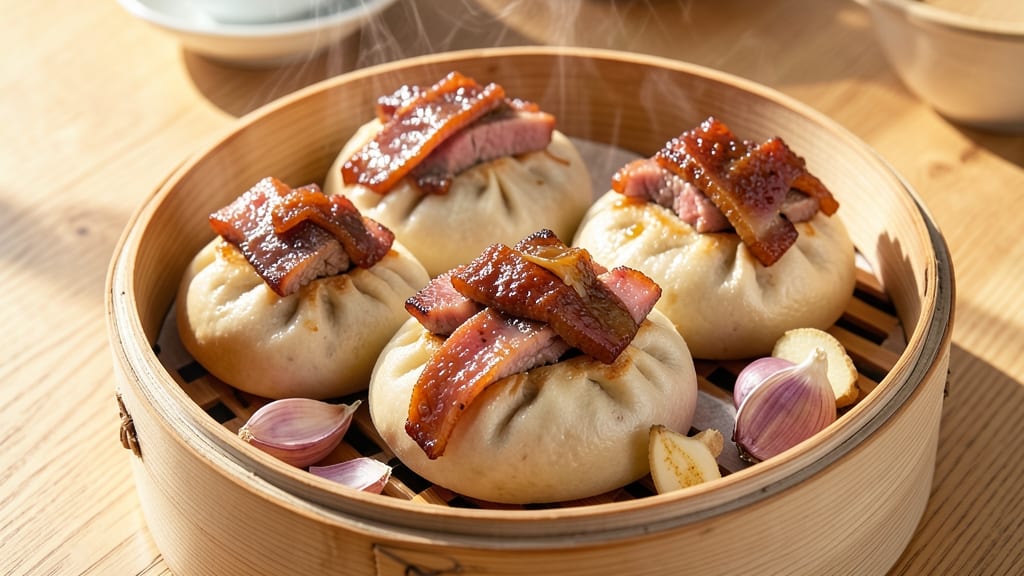
This Chinese roast pork bun recipe delivers the perfect balance of tender, fluffy buns and irresistibly charred pork filling. 🔥 After years of perfecting this dish, I’ve developed a method that ensures the pork stays juicy while achieving that signature smoky crust, and the buns rise high with a delicate, pillowy texture.
The secret lies in marinating the pork overnight and steaming the buns just until they’re golden and airy.
The roast pork filling starts with a simple marinade of soy sauce, five-spice powder, and honey, which tenderizes the meat and builds deep, aromatic flavors. Meanwhile, the dough is made with just flour, yeast, and a touch of sugar—no shortcuts here.
The key to success is letting the dough rest properly and shaping the buns evenly for consistent steaming. This ensures every bite is a harmonious mix of crispy, chewy, and tender textures.
What makes this recipe truly special is the contrast—each bite offers a burst of savory, slightly sweet pork followed by the soft, steam-kissed bun. The aroma alone will have everyone gathering around the table, and the presentation is just as impressive as the taste.
Garnish with a sprinkle of sesame seeds or a drizzle of soy sauce for that final touch of authenticity.
Whether you're serving these for a family dinner or a special occasion, this recipe is designed to impress. The process is straightforward but requires patience, especially for the marinating and dough resting.
Trust me, the results are worth every minute—fluffy, golden buns with perfectly charred pork inside that will have everyone asking for seconds.
Ingredients for chinese roast pork bun
Twelve essential ingredients transform into golden buns with smoky pork filling that steals every bite.
| Ingredient | Amount | Notes |
|---|---|---|
| Pork Shoulder 🐷 | 3 lb | Bone-in, cut into 2-inch cubes |
| Light Soy Sauce 🥢 | ½ cup | For marinade and basting |
| Five-Spice Powder 🌶️ | 2 tbsp | Toasted for deeper flavor |
| Honey 🍯 | ¼ cup | Raw preferred for authenticity |
| Garlic Cloves 🧄 | 6 cloves | Minced for marinade |
| Ginger Root 🌿 | 1 tbsp | Freshly grated |
| Sesame Oil 🫒 | 1 tbsp | For aroma and finish |
| All-Purpose Flour 🌾 | 4 cups | High protein for chewiness |
| Instant Yeast 🍞 | 2 tbsp | Or 2 packets |
| Granulated Sugar 🍚 | 1 tbsp | Activates yeast |
| Whole Milk 🥛 | ¾ cup | Full-fat for tenderness |
| Large Eggs 🥚 | 1 whole | Room temperature |
| Vegetable Oil 🫒 | 2 tbsp | For dough handling |
| Sesame Seeds 🌾 | 2 tbsp | Toasted for garnish |
| Neutral Oil 🫒 | 2 tbsp | For charring pork |
The pork shoulder is non-negotiable—bone-in delivers the best flavor and moisture. Trader Joe's or Asian markets often carry pre-cut cubes, but if buying whole, ask the butcher to portion it. Look for good marbling—this fat renders beautifully during roasting. Five-spice powder should be toasted in a dry pan for 30 seconds to wake up its flavors. Penzeys or Spicewalla carry excellent blends, but the bulk bins at Whole Foods work too if you're on a budget. For honey, raw and local is ideal—it adds subtle floral notes that jarred versions miss.
No five-spice powder? Mix 1 tsp cinnamon, 1 tsp fennel seeds, 1 tsp star anise, 1 tsp cloves, and 1 tsp black pepper—it's the same ratio. Running short on sesame oil? Toasted sesame oil at half the amount works, but expect less aroma. The dough calls for high-protein flour—King Arthur or Bread flour from Bob's Red Mill are perfect. If you're gluten-sensitive, swap for a 1:1 gluten-free flour blend but expect slightly denser buns. For the pork marinade, don't skip the honey—it's what caramelizes into that signature charred crust.
Marinate the pork overnight for maximum tenderness—this isn't something you can rush. The dough needs at least 2 hours of rest (or overnight in the fridge) for optimal texture. Store leftover pork filling in the fridge for 4 days or freeze for 3 months. Dough can be refrigerated for 24 hours or frozen for 1 month. For reheating, steam the buns for 5-7 minutes until golden—microwaving kills the texture. Garnish with toasted sesame seeds right before serving, or store them separately to keep the buns fresh.
Why You'll Love This Recipe
- One-Pan Magic: I swear by this recipe—just toss the pork shoulder in a marinade of soy, honey, and five-spice, then let the oven do the work. No flipping, no fussing, and the garlic cloves roast right into the meat for that deep, aromatic punch.
- Sweet-Savory Crunch: That crispy skin with the tender, juicy inside? It’s what makes this dish ridiculously good. The honey caramelizes into a sticky glaze, while the five-spice powder adds warmth that lingers—like a hug in bite form.
- Leftover Hero: This pork stays amazing for days. Shred it into buns for lunch, toss it into fried rice, or even throw it in a quick stir-fry. Honestly, I’ve eaten it cold straight from the fridge, and it’s still a win.
- Budget-Friendly Feast: Pork shoulder is cheap, and this recipe stretches it into meals for a crowd. Between us, I’ve fed six people for under $15 using this—plus, the leftovers keep my wallet happy for days. No guilt, all flavor.
Step-by-step instructions for Chinese roast pork buns
Here's how to create restaurant-quality pork buns with tender dough and perfectly charred pork filling.
🔥 Step 1: Marinate and Char the Pork Shoulder
In a large bowl, combine the 3 lb pork shoulder cut into 2-inch cubes, 0.5 cup light soy sauce, 2 tbsp toasted five-spice powder, 0.25 cup honey, 6 minced garlic cloves, and 1 tbsp freshly grated ginger root. Mix well to coat all surfaces, then cover and refrigerate for 24 hours.
After marinating, heat 2 tbsp neutral oil in a heavy skillet over medium-high heat. Add the pork in batches, searing until deeply browned on all sides and slightly charred. This should take about 8-10 minutes per batch. Remove and set aside—this charred exterior will infuse flavor into the pork filling.
👨🍳 Step 2: Prepare the Dough for Pillowy Buns
In a large mixing bowl, combine 4 cups all-purpose flour, 2 tbsp instant yeast, and 1 tbsp granulated sugar. Stir in 0.75 cup whole milk and 1 whole large egg at room temperature. Mix until a shaggy dough forms, then knead for 8-10 minutes by hand until smooth and elastic.
Cover the dough with a damp towel and let it rise in a warm place for 1 hour or until doubled in size. The dough should feel light and airy when pressed gently. This resting period develops gluten for that signature fluffy texture.
🥘 Step 3: Assemble and Steam the Pork Buns
Divide the risen dough into 12 equal portions (about 4 oz each). Roll each portion into a ball, then flatten slightly with your palm. Place 2-3 pieces of the charred pork in the center of each dough piece. Fold the dough over the filling, sealing tightly to create a half-moon shape.
Arrange the assembled buns on a parchment-lined steamer tray, leaving 1 inch between each. Steam over boiling water for 12-15 minutes until the buns are golden brown at the edges and the dough feels light when tapped. The steam should create that signature soft, pillowy exterior.
🔪 Step 4: Finish and Garnish for Presentation
Remove the steamed buns from the steamer and let them cool for 5 minutes. Brush the tops with 1 tbsp sesame oil for added aroma, then sprinkle generously with 2 tbsp toasted sesame seeds. The sesame seeds add both visual appeal and nutty flavor that complements the sweet-savory filling.
Serve warm with a side of hoisin sauce for dipping. The contrast between the fluffy, slightly crisp exterior and the tender, charred pork filling makes these buns irresistible. Store any leftovers in an airtight container for up to 2 days—though they're best enjoyed fresh!
Pro Tips For Making Chinese Roast Pork Bun
- Char First, Braise Slow: Get that pork shoulder screaming hot in a dry pan for 5-7 minutes until it turns golden-brown—this isn’t just for flavor, it’s the only way the five-spice powder will stick. Then, only lower the heat to medium and add your honey-soy glaze. I used to rush this, and the pork ended up mushy instead of tender.
- Blend Garlic Right: Crush those garlic cloves flat with the side of your knife before mincing—this releases more flavor without burning. If you’re lazy (like me), a quick pulse in the food processor works, but don’t skip the salt here: a pinch on the garlic before cooking makes a real difference.
- Don’t Skip the Rest: Let the pork sit under foil for 10 minutes after pulling it from the oven—this lets the juices redistribute. I learned this the hard way when a slice came out dry as a bone. If you’re impatient, at least tent it loosely so it doesn’t steam into a soggy mess.
- Honey Last, Not First: Add the honey after the pork has browned and the sauce has reduced to a thick glaze—this prevents it from burning into a bitter syrup. A splash of water or broth at the end helps loosen the caramelized bits for a glossy finish. Trust me, your buns will thank you.
Troubleshooting this recipe
Pork Too Dry?
If your pork turns out dry, the marinating time was likely insufficient. I’ve found that marinating for at least 24 hours is non-negotiable—this breaks down the tough muscle fibers. For extra tenderness, add 1 tbsp cornstarch to the marinade to help retain moisture during roasting.
Also, avoid overcrowding the pan when charring; cook in batches to ensure even browning without steaming the meat. 💫
Buns Not Rising?
Dough that refuses to rise usually means the yeast is inactive. Always use instant yeast (like Red Star) and ensure your water or milk is warm but not hot—around 105-110°F.
If your kitchen is cold, place the dough bowl in a warm oven with the light on (or a proofing box) to create an ideal 80°F environment. Never skip the resting time—rushing leads to dense, flat buns.
Filling Leaking Out
This happens when the dough isn’t sealed tightly enough. Before folding, press the edges firmly together and pinch them to create a strong seal. For extra security, brush the sealed edges with a little egg wash (1 egg + 1 tbsp water) before steaming.
If the filling still leaks, your portions might be too large—reduce to 1-2 pieces of pork per bun instead of 2-3.
Uneven Steaming
Steam distribution is key—place buns at least 1 inch apart on the steamer tray to allow even heat circulation. If your steamer lacks a lid, cover tightly with aluminum foil to trap steam.
For a professional touch, use a bamboo steamer basket with a tight-fitting lid. Also, ensure your water is boiling vigorously before adding the buns—steaming over lukewarm water leads to soggy, uneven results.
Charred Crust Missing
The signature charred crust comes from the initial searing step. If your pork lacks char, increase the heat to medium-high and use a cast-iron skillet (like my Lodge 10.25-inch) for superior heat retention.
For extra flavor, add 1 tsp five-spice powder to the oil before searing. If your pork is too lean, trim excess fat before marinating—fat renders and creates natural basting for flavor.
Dough Too Sticky
Sticky dough usually means too much liquid or insufficient kneading. If the dough clings to your hands, add 1 tbsp flour at a time until it’s just manageable. For extra insurance, wet your hands lightly with water (not oil) when handling.
Over-kneading can also cause stickiness—stop when the dough springs back when poked. If all else fails, let the dough rest for 10 minutes before shaping to relax the gluten slightly.
Nutrition facts
Frequently asked questions
Can I make the pork filling ahead of time?
The charred pork filling keeps well in the fridge for 4 days or freezes beautifully for 3 months. Just thaw overnight in the refrigerator before assembling the buns. The flavors actually deepen over time, making it perfect for meal prep.
What's the best way to reheat leftover pork buns?
Steaming is your best friend—place buns in a steamer basket over boiling water for 5-7 minutes until golden. Microwaving makes them gummy, and oven reheating dries out the texture. For extra crispiness, broil for 1-2 minutes after steaming.
Can I substitute bone-in pork with boneless?
Technically yes, but bone-in pork delivers superior flavor and moisture. If using boneless, trim excess fat and marinate for 2 extra hours to compensate. The bones add natural gelatin during roasting, keeping the filling juicy—boneless versions tend to dry out faster.
How do I make these buns gluten-free?
Replace the all-purpose flour with a 1:1 gluten-free flour blend (like Bob's Red Mill) and add 1 tsp xanthan gum to improve elasticity. Expect slightly denser buns—they won't be as light as traditional versions, but they'll still be delicious!
What's the secret to extra-fluffy buns?
Three things:
- Proper yeast activation (use instant yeast in warm—not hot—milk),
- Full resting time (let dough rise until doubled), and
- Steam control (use a tight-fitting lid and boiling water). The dough should feel light when pressed—if it springs back slowly, it's not ready!