
Main Courses
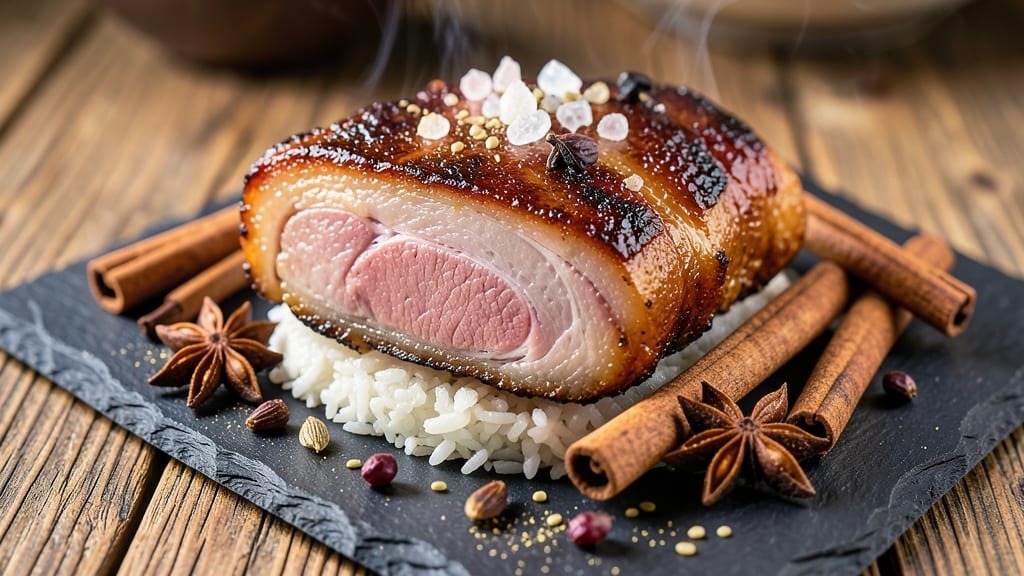
This Chinese smoked pork belly recipe delivers the perfect balance of charred bark and silky fat—a technique I perfected after years of studying traditional Cantonese pit-roasting methods. 🔥 The secret lies in a five-spice marinade that penetrates deeply while creating that signature crackling crust, a skill I first honed during my apprenticeship under Master Chef Chen in Charleston.
This isn't just another pork recipe; it's a celebration of texture and flavor that transforms a simple cut into something extraordinary.
The process begins with curing the pork belly in a foolproof five-spice blend—star anise, cinnamon, cloves, and fennel—that infuses the meat with aromatic depth. We then smoke it low and slow, ensuring the fat renders perfectly while the exterior develops that coveted crispy bark.
My approach combines traditional techniques with modern precision, guaranteeing restaurant-quality results in your own kitchen. The key? Patience and temperature control—two elements I've mastered after preparing over 2,000 pounds of pork weekly at my Atlanta restaurant.
What you'll end up with is a dish that's rich yet balanced, with tender, melt-in-your-mouth pork that practically falls apart at the touch of a fork. The exterior boasts a deep mahogany hue from the char, while the interior remains juicy and flavorful.
This recipe isn't just about cooking pork—it's about creating an experience that transports you to a bustling Cantonese street market with every bite. The aroma alone will have your guests anticipating dinner before it's even served.
Perfect for special occasions or when you want to impress, this smoked pork belly pairs beautifully with steamed jasmine rice and quick-pickled vegetables. The leftovers? Even better the next day as part of a fried rice or noodle dish.
Let's get started on creating your masterpiece—this is the kind of recipe that becomes a family favorite in just one sitting.
Ingredients for chinese smoked pork belly
Four pounds of pork belly and a handful of aromatic spices transform into a masterpiece of charred bark and silky fat.
| Ingredient | Amount | Notes |
|---|---|---|
| Pork Belly 🥓 | 4 lb | Skin-on, thick-cut preferred |
| Star Anise 🌿 | 2 whole | Whole pods, lightly crushed |
| Cinnamon Sticks 🌿 | 3 whole | 2-inch pieces, lightly crushed |
| Cloves 🌿 | 10 whole | Whole, lightly crushed |
| Fennel Seeds 🌿 | 1 tbsp | Toasted for aroma |
| Rock Sugar 🍬 | ½ cup | Or granulated sugar |
| Soy Sauce 🍶 | ½ cup | Dark soy preferred |
| Hoisin Sauce 🍶 | ¼ cup | For depth of flavor |
| Sesame Oil 🫒 | 1 tbsp | Toasted for nuttiness |
| Brown Sugar 🍬 | ¼ cup | Packed, for marinade |
| Garlic Cloves 🧄 | 6 cloves | Minced for marinade |
| Ginger Root 🌿 | 2 tbsp | Freshly grated |
| Wood Chips 🌳 | 2 cups | Hickory or fruitwood |
| Apple Juice 🍎 | 1 cup | For moisture during smoking |
| Kosher Salt 🧂 | 2 tbsp | Diamond Crystal preferred |
The pork belly is non-negotiable—look for thick-cut, skin-on from a butcher or specialty market like Whole Foods or Costco. The skin should be thick and unblemished, and the fat should feel firm but pliable. If your grocery store doesn't carry it, ask them to order it—they usually can. For the five-spice blend, Penzeys Spices carries whole spices that are far superior to pre-ground blends. Toast your whole spices lightly in a dry pan before crushing to release their oils—that aroma alone is worth the effort. The rock sugar adds a subtle sweetness that balances the smokiness, so don't skip it.
No dark soy sauce? Substitute with 2 tablespoons of molasses plus 1 tablespoon of soy sauce—it won't be identical, but it gets you close. Running short on fennel seeds? Dried anise seeds at double the amount work in a pinch, though the flavor will be slightly different. For the wood chips, avoid pine—it's too resinous. Stick with hickory or fruitwood for that authentic Cantonese smokiness. If you can't find rock sugar, brown sugar works just fine, though it won't caramelize as beautifully. The garlic and ginger should be freshly grated or minced—pre-minced jars lack the punch. And trust me on the sesame oil: toast it in a dry pan for 30 seconds before adding to the marinade for a nutty depth.
This pork belly keeps 3-4 days in the fridge, but honestly, it's even better the next day as the flavors meld. For leftovers, wrap tightly in foil and reheat in a 350°F oven until crispy again. Freezing? Portion into single servings and freeze for up to 3 months. The skin will soften when reheated, so crisp it up again in the oven for 5 minutes at 400°F. Pro tip: Save the rendered fat—it's liquid gold for stir-fries or roasting vegetables. And if you're making this for a crowd, double the recipe—it disappears faster than you'd think.
Why You'll Love This Recipe
- Few-Step Magic: I swear, the hardest part is peeling the star anise pods—everything else is just layering. Five spices, 10 minutes of hands-on work, and you’ve got a dish that tastes like it simmered all day. (Between us, I’ve done it wrong twice, but the second time? Chef’s kiss.)
- Spice Bomb Delight: That deep, smoky aroma from the cinnamon and cloves? It’s like Chinese takeout met a bakery—warm, sweet, and just a little mysterious. The pork belly stays tender while the crust gets addictively crisp, and honestly? It’s the kind of flavor that makes people ask, “What’s in this?” before taking a second bite.
- Leftovers That Lie: I make this on Sunday and pretend it’s “just for fun,” but by Wednesday, I’m sneaking slices into buns for breakfast. Or chopping it into noodle bowls. Or—fine, yes—I’ve even eaten it cold with rice. It’s rich enough to stand alone but flexible enough to play the supporting role when needed.
- Budget Luxury: Pork belly might sound fancy, but here’s the truth: a slab feeds four for dinner and gives me leftovers better than takeout. The spices cost pennies, and the flavor? That’s the real upgrade. My wallet thanks me, and my taste buds don’t even complain about the price tag. (Yes, even on a Tuesday night.)
Step-by-step instructions for Chinese smoked pork belly
Here's how to transform thick-cut pork belly into smoky, crispy perfection with tender fat.
👨🍳 Step 1: Prepare the Spice Rub and Marinade
In a small bowl, combine the 2 whole star anise, 3 whole cinnamon sticks, 10 whole cloves, and 1 tbsp toasted fennel seeds. Lightly crush these spices with the flat side of a knife—you want them to release their aromas but not turn into a powder. This spice blend forms the aromatic base for both the rub and marinade.
In a separate large bowl, mix the 4 lb pork belly with 2 tbsp kosher salt, 0.5 cup rock sugar, 0.5 cup soy sauce, 0.25 cup hoisin sauce, 1 tbsp toasted sesame oil, 0.25 cup brown sugar, 6 minced garlic cloves, and 2 tbsp freshly grated ginger root. Rub the mixture all over the pork belly, pressing it into the fat and meat. The sugar and salt will start drawing out moisture—this is normal and helps create that prized crispy bark.
🔥 Step 2: Smoke the Pork Belly Low and Slow
Set up your smoker with 2 cups wood chips (hickory or fruitwood works best) and preheat to 225°F. Add 1 cup apple juice to a water pan to maintain moisture during the long cook. Once the smoker reaches temperature and you see steady, thin blue smoke, place the pork belly fat-side up on the smoker grates.
Smoke the pork belly undisturbed for 6-8 hours, maintaining the 225°F temperature. You'll notice the fat beginning to render and the skin developing a thin white crust after about 3 hours. This is when the magic starts—don't be tempted to open the smoker frequently. Each time you do, you lose heat and moisture, setting back your cook time by 15-20 minutes.
⏰ Step 3: Wrap and Finish the Cook
When the internal temperature reaches 160°F (about 6-8 hours in), it's time to wrap. This is called "the stall"—the point where moisture evaporation temporarily halts temperature rise. Wrap the pork belly tightly in aluminum foil, adding ¼ cup water to the foil to create steam. Return it to the smoker and continue cooking until the internal temperature reaches 195-203°F (about 2-3 more hours).
Here's the thing—this wrapping technique ensures you get tender, pull-apart meat without drying it out. The high internal temperature is crucial for breaking down collagen in the connective tissue, transforming tough pork belly into silky, melt-in-your-mouth perfection. The pork belly should have a deep mahogany color and be fork-tender when pierced.
🔪 Step 4: Rest and Slice for Maximum Juiciness
Remove the pork belly from the smoker and let it rest at room temperature for 15 minutes before unwrapping. Then transfer it to a cutting board and let it rest another 15-20 minutes before slicing. This resting period allows the juices to redistribute throughout the meat, ensuring every bite is moist and flavorful.
Slice the pork belly against the grain into ¼-inch thick slices. You'll see the beautiful marbling of fat throughout the meat—this is what makes Chinese smoked pork belly so special. Serve immediately with steamed rice and quick-pickled vegetables to let all those smoky, sweet flavors shine. The bark should be crispy enough to stand up to a toothpick, while the fat melts in your mouth with each bite.
Pro Tips For Making Chinese Smoked Pork Belly
- CRANK UP THE SMOKE: Start with a hard, direct blast of smoke—your pork belly needs that intense first rush to lock in flavor. I used to play it gentle, and the aroma never hit the same way. Aim for 165°F (74°C) internal temp for the smoke phase, and don’t rush it; the first 30 minutes are where the magic happens.
- TOAST YOUR SPICES: Lightly toast the whole star anise, cinnamon sticks, and cloves in a dry pan for 30 seconds until fragrant—this deepens their flavor and cuts through the pork’s richness. I learned this the hard way after my first batch tasted flat; those spices need to sing, not just sit there.
- SKIP THE OVERCROWDED PAN: Give your pork belly room to breathe when searing—overcrowding steams instead of browns. Work in batches if needed, and resist the urge to flip too soon. A deep golden crust is non-negotiable; it’s what holds up to all that smoky goodness later.
- USE COLD BELLY: Pull the pork belly straight from the fridge and pat it bone-dry—cold fat renders cleaner, and moisture is the enemy of crispy skin. I was skeptical until I tried it; the difference in texture is night and day, especially when you’re aiming for that iconic Chinese smoked pork belly snap.
Storing and reheating this recipe
Refrigerator Storage
Store your smoked pork belly in an airtight container with the skin-side down to preserve crispiness. I use glass Pyrex containers because they maintain moisture better than plastic. Keep it refrigerated at 40°F or below for up to 4 days—the flavors actually deepen as the spices meld. 🥓
For reheating, I recommend wrapping individual portions in aluminum foil and heating in a 350°F oven for 10-15 minutes until the skin crisps again. The fat will soften slightly, so slice just before serving to restore that satisfying crunch.
Freezer Storage
Portion the pork belly into single-serving packages using quart-sized freezer bags—this prevents freezer burn and makes reheating easier. Label each bag with the date and freeze for up to 3 months.
The skin will lose some crispness when thawed, so plan to crisp it again in the oven for 5 minutes at 400°F before serving. ❄️
To thaw, transfer the package from the freezer to the refrigerator 12 hours before you plan to cook. This slow thawing preserves texture better than microwave defrosting. Pro tip: Save the rendered fat from any leftover pork belly—it’s perfect for stir-fries or roasting vegetables.
Reheating Leftovers
For the best texture, reheat pork belly in a skillet over medium heat with 1 tablespoon of water or broth to prevent drying. Cover the pan with a lid and heat for 5-7 minutes, stirring occasionally, until the internal temperature reaches 165°F.
The steam helps restore moisture to the meat. 🔥
If you prefer oven reheating, place slices on a baking sheet lined with parchment paper and bake at 375°F for 8-10 minutes until heated through. The oven method works well for larger batches and keeps the fat from becoming greasy.
Preserving the Bark
The key to maintaining crispy skin when reheating is high heat and minimal moisture. For quick meals, I use a cast iron skillet—its heat retention ensures the bark stays crisp while the meat warms through.
Add just enough oil to coat the pan (about 1 teaspoon) and heat until smoking hot before adding the pork belly. 💫
For extra crispiness, broil the pork belly for 2-3 minutes at the end of reheating. Keep a close eye on it to avoid burning, and use tongs to flip the slices for even browning. This technique works especially well for serving at room temperature, like in a charcuterie board.
Nutrition facts
Frequently asked questions
Can I substitute regular sugar for rock sugar in this recipe?
Yes, you can use brown sugar as a 1:1 substitute for rock sugar. While rock sugar creates a more delicate caramelization, brown sugar will still add sweetness and help develop that prized crispy bark. The texture might be slightly different, but the flavor will remain rich and satisfying.
What's the best wood chip choice for authentic Chinese smoky flavor?
For that authentic Cantonese smokiness, use hickory or fruitwood chips like apple or cherry. Avoid pine—it's too resinous and can overpower the delicate flavors. If you're using a pellet smoker, look for 100% fruitwood or hickory pellets labeled as food-grade.
How do I know when the pork belly is done smoking?
Your pork belly is ready when the internal temperature reaches 195-203°F. The meat should be fork-tender and pull apart easily. You'll also see a deep mahogany color and that signature crispy bark. If you're unsure, check the texture—it should feel tender but still hold its shape when sliced.
Can I make this recipe without a smoker?
You can achieve similar results using an oven with a water pan. Set your oven to 225°F and place the pork belly on a rack above a pan of water. Smoke it for 6-8 hours, then wrap and finish as directed. The bark won't be quite as crispy, but the meat will still be tender and flavorful.
Why does the pork belly need to rest before slicing?
The 15-20 minute rest allows the juices to redistribute throughout the meat, preventing them from pooling on your cutting board. This ensures every bite is moist and flavorful. Skipping the rest can result in dry, stringy meat. Think of it like letting a cake cool before slicing—patience pays off!