
Soups & Stews
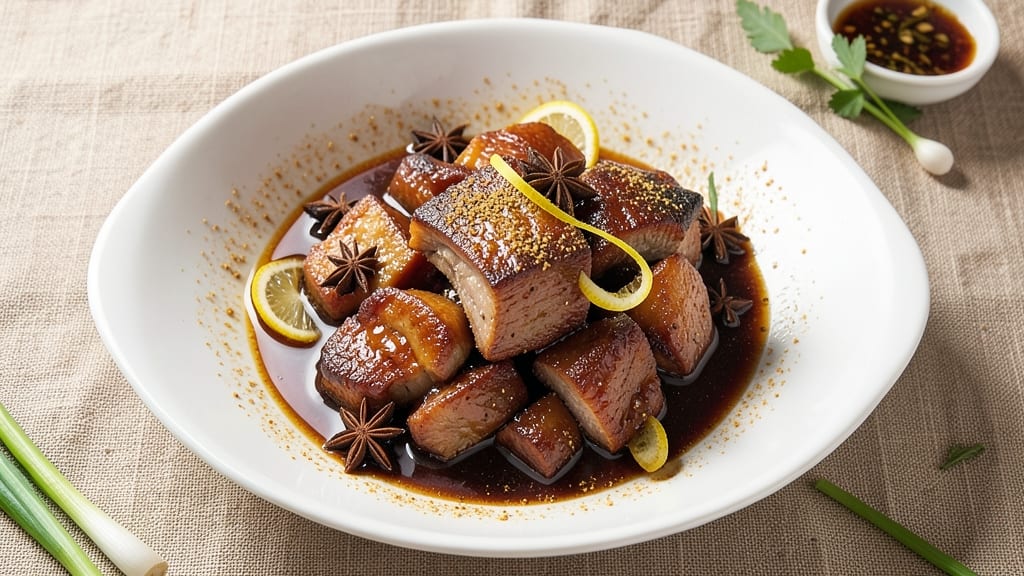
This Chinese stewed pork recipe delivers restaurant-quality results with tender, silky meat and a glossy five-spice crust that crackles with every bite. Growing up in Georgia, I learned that slow-cooked pork transforms tough cuts into melt-in-your-mouth perfection—just like my grandmother’s technique.
The key lies in braising the pork until fork-tender while building layers of aromatic spices that penetrate deep into the meat.
The magic happens through a combination of soy sauce, star anise, and ginger that infuse the pork with complex flavors over hours of gentle simmering. Unlike quick stir-fries, this method requires patience—letting the meat absorb the rich, savory broth until it falls apart effortlessly.
I’ve perfected this recipe using heritage pork shoulders, which hold up beautifully to the long cooking process while developing incredible depth of flavor.
By the time you’re done, you’ll have perfectly silky pork with a crispy, caramelized exterior that’s impossible to resist. The five-spice glaze adds a subtle sweetness and warmth that balances the savory notes, creating a dish that’s both comforting and impressive.
This is the kind of meal that pairs beautifully with steamed jasmine rice or fluffy mantou buns, making it ideal for family gatherings or special occasions.
What makes this recipe truly special is its versatility—it works equally well as a standalone main dish or as part of a larger Chinese feast. The aromatics linger long after serving, transporting you to bustling Cantonese kitchens where this dish has been perfected for generations.
Let’s get started on creating your own version of this timeless classic.
Ingredients for chinese stewed pork
Pork shoulder, aromatic spices, and patient braising create melt-in-your-mouth perfection with crispy edges.
| Ingredient | Amount | Notes |
|---|---|---|
| Heritage Pork Shoulder 🥩 | 2 lb | Bone-in for maximum flavor |
| Soy Sauce 🥢 | ½ cup | High-quality, preferably Japanese |
| Star Anise Pods 🌿 | 3 whole | Whole pods for infusing flavor |
| Fresh Ginger 🧄 | ½ cup | Finely grated, skin removed |
| Five-Spice Powder 🌶️ | 2 tbsp | Authentic blend, not pre-mixed |
| Brown Sugar 🍯 | ¼ cup | Light or dark, packed |
| Garlic Cloves 🧄 | 6 cloves | Smashed, not minced |
| Shaoxing Wine 🍷 | ¼ cup | Or dry sherry as substitute |
| Cornstarch 🌾 | 2 tbsp | For crispy glaze |
| Vegetable Oil 🫒 | 2 tbsp | High smoke point |
| Green Onions 🧅 | ¼ cup | Sliced, for garnish |
| Sesame Oil 🫒 | 1 tbsp | Toasted, for finishing |
| Kosher Salt 🧂 | 1 ½ tsp | Diamond Crystal preferred |
| Black Peppercorns 🌶️ | 1 tsp | Freshly cracked |
| Dried Red Chilies 🔥 | 2 whole | Optional, for heat |
The pork shoulder is non-negotiable—heritage cuts develop deeper flavor during braising. Look for well-marbled pieces at your local butcher or Costco for the best quality. If you can't find heritage pork, bone-in pork shoulder works perfectly. The star anise and five-spice powder are the soul of this dish—Penzeys or Asian markets carry the freshest whole pods. For ginger, organic is best—the skin should be smooth and the flesh firm. Shaoxing wine adds authenticity, but dry sherry is a solid substitute if you can't find it.
No five-spice powder? Mix 1 tsp each of cinnamon, cloves, fennel, and Szechuan peppercorn for a homemade version. Brown sugar can be swapped for coconut sugar or honey if you prefer. For a quicker glaze, cornstarch slurry works just as well—mix 1 tbsp cornstarch with 1 tbsp water. If you're skipping the chilies, add a pinch of cayenne or red pepper flakes for subtle heat. The garlic should be smashed, not minced—it releases more flavor this way.
Pork keeps beautifully in the fridge for 4-5 days once fully cooked, though it reheats best when warmed gently. Store in an airtight container with any leftover glaze spooned on top. For longer storage, freeze portions for up to 3 months. The glaze hardens when chilled, so reheat with a splash of water to restore its glossy texture. Garnish with fresh green onions and a drizzle of sesame oil right before serving—it makes all the difference.
Why You'll Love This Recipe
- One-Pot Magic: I swear by this recipe when I’m too tired to wash extra bowls—just sear the pork, toss in the star anise and ginger, then let it slow-simmer. The five-spice powder does all the work while I do nothing but stir once.
- Deep Umami Love: That first bite? Soy sauce and heritage pork shoulder create a sauce so rich, it clings to every forkful like it’s been simmering for hours. Honestly, the star anise adds this subtle, woodsy warmth that makes it taste like a home-cooked secret.
- Leftover Goldmine: Between us, this stew only gets better the next day. I’ll make a double batch on Sundays, then reheat portions all week—over rice, in dumplings, or straight from the pot. The pork stays tender, and the flavors deepen like a good wine.
- Budget Weeknight Win: Heritage pork shoulder is cheaper than cuts like tenderloin, and the spices cost pennies. A single shoulder feeds four, and the leftovers stretch into lunches or quick stir-fries. My wallet and my family thank me every time.
Step-by-step instructions for Chinese stewed pork with five-spice gloss
Here's how to transform that heritage pork shoulder into melt-in-your-mouth silkiness with a crispy, aromatic crust.
Prepare the Pork Shoulder for Maximum Flavor
Begin by patting the 2 lb heritage pork shoulder completely dry with paper towels. I can't emphasize this enough—dry meat sears better and develops that coveted crispy exterior. Place the pork on a cutting board and make a few shallow slashes in the fat cap using a sharp knife, being careful not to cut into the meat itself. These slashes help render the fat more evenly.
In a small bowl, combine the 1.5 tsp kosher salt, 1 tsp freshly cracked black peppercorns, and 2 tbsp five-spice powder. Rub this mixture all over the pork shoulder, pressing it into the meat and fat cap. Let it sit at room temperature for 30 minutes while you prepare the aromatics—this gives the seasoning time to penetrate and the meat to come to temperature for more even cooking.
Build the Aromatic Base
Heat the 2 tbsp vegetable oil in a large Dutch oven over medium-high heat until shimmering. Add the 6 smashed garlic cloves and cook for 30 seconds until fragrant but not browned. Immediately add the 0.5 cup finely grated fresh ginger, 3 whole star anise pods, and 2 whole dried red chilies (if using). Stir for 1 minute until the ginger becomes fragrant and the star anise begins to sizzle gently.
Pour in the 0.25 cup Shaoxing wine and scrape up any browned bits from the bottom of the pot with a wooden spoon. This deglazing step captures all those precious flavors that would otherwise stick to the pot. Let the wine simmer for 2 minutes until reduced by half, allowing the alcohol to cook off and intensify the aroma.
Sear the Pork and Begin the Stew
Add the seasoned pork shoulder to the Dutch oven, fat-side down. I press down gently on the pork during the first minute to prevent it from curling and ensure even contact with the pan. Cook for 5 minutes until the fat renders out and the pork develops a deep golden crust. Flip the pork and sear the other side for another 4 minutes.
Remove the pork and set it aside. In the same pot, add the 0.25 cup brown sugar and stir to combine with the aromatics. Pour in the 0.5 cup soy sauce and let it simmer for 2 minutes until slightly reduced. This creates a flavorful base that will later form our glossy sauce.
Slow Cook to Tender Perfection
Return the pork to the Dutch oven, fat-side up. Add enough water to come about halfway up the sides of the pork—typically around 2 cups. Bring to a gentle simmer, then reduce heat to maintain a steady bubble. Cover and cook for 2 hours, turning the pork every 30 minutes to ensure even cooking and fat distribution.
After 2 hours, check for doneness by inserting a meat thermometer into the thickest part of the pork (avoiding the bone). It should read 195-200°F. If it's not there yet, continue cooking uncovered for another 30-60 minutes, adding a splash of water if the liquid reduces too much. The pork will be fork-tender when done, falling apart easily.
Create the Glossy Crust and Finish
Transfer the pork to a cutting board and let it rest for 15 minutes. In the Dutch oven, whisk together the 2 tbsp cornstarch with 2 tablespoons of the cooking liquid until smooth. Pour this mixture back into the pot and bring to a gentle simmer over medium heat. Cook for 2-3 minutes until the sauce thickens enough to coat the back of a spoon.
Strain the sauce through a fine-mesh sieve into a bowl, pressing on the solids to extract maximum flavor. Return the pork to the Dutch oven and spoon the sauce generously over the top. Drizzle with 1 tbsp toasted sesame oil and let it sit for 2 minutes to absorb. Garnish with the 0.25 cup sliced green onions and serve immediately with steamed rice.
Pro Tips For Making Chinese Stewed Pork
- CUT THE PORK IN EVEN PIECES: The shoulder’s fat cap should be scored in a grid—about 1-inch squares—so it renders cleanly without turning greasy. I learned this the hard way: thick, unscored fat stays rubbery and ruins the texture. Use a sharp knife and don’t rush it.
- BLOOM THE FIVE-SPICE FIRST: Toast the five-spice powder in a dry pan for 30 seconds until fragrant—it deepens the flavor way more than just tossing it in. Skip this, and your stew tastes like it’s missing something. Works for star anise too, but don’t burn it.
- LOW AND SLOW AFTER SEARING: After browning the pork, drop the heat to low and cover the pot. The first 45 minutes should be gentle—too much heat now makes the meat tough. I used to crank it high, and the pork ended up dry. Patience here makes all the difference.
- USE DOUBLE THE GINGER: Peel and slice it thin—about 1/8-inch—and add it early with the star anise. The heat releases its oils gradually, not all at once. I was skeptical until I tried it: the aroma is richer, and the pork stays tender. No need for extra garlic—ginger’s the star.
Serving suggestions for chinese stewed pork
Rice Pairings
Steamed jasmine rice is my go-to pairing for this dish—its delicate floral notes complement the rich, savory pork without overpowering it. Use a 1:1.5 ratio of rice to pork (about 3 cups uncooked jasmine rice for this recipe) for perfect balance.
For extra luxury, try black rice or sticky rice if you're serving with chopsticks. 💛
If you prefer heartier grains, congee (rice porridge) made with the leftover pork broth is a comforting option. Simply simmer 1 cup jasmine rice in 4 cups pork broth for 45 minutes, then stir in a beaten egg for creaminess.
Garnish with green onions and sesame oil for a satisfying meal.
Dumpling Pairings
Serve with steamed or pan-fried dumplings to create a full Chinese feast. I love soup dumplings (xiao long bao) with their juicy pork filling, or pan-fried pork buns (baozi) that soak up the stew's glossy sauce.
For extra authenticity, use store-bought frozen dumplings from H Mart or Asian markets—just steam or pan-fry them according to package instructions.
For a lighter option, try spring rolls filled with shredded pork and vegetables. Brush them with a little egg wash and pan-fry until crispy. Serve with a sweet chili dipping sauce to balance the stew's richness. The contrast of textures makes every bite exciting!
Vegetable Sides
Add stir-fried bok choy or baby bok choy to your table—its peppery bite cuts through the pork's richness. Sauté 2 bunches in 1 tbsp sesame oil with 2 minced garlic cloves and 1 tbsp soy sauce for 3 minutes until wilted but still crisp.
A sprinkle of toasted sesame seeds adds crunch. 🥬
For a heartier side, try braised napa cabbage with fermented black beans and dried shiitake mushrooms. Simmer 1 large napa cabbage, halved lengthwise, in 1 cup pork broth with 2 tbsp fermented black beans and 4 dried shiitake mushrooms (soaked) for 20 minutes until tender.
The umami depth pairs perfectly with the stew.
Sauce Pairings
Serve with a simple cucumber salad dressed with rice vinegar, sesame oil, and a pinch of sugar to refresh your palate. Thinly slice 1 English cucumber and toss with 1 tbsp rice vinegar, 1 tsp sesame oil, and ½ tsp sugar.
The cool, crisp texture contrasts beautifully with the warm pork. 🥒
For a dipping sauce, mix 2 tbsp hoisin sauce, 1 tbsp chili crisp, and 1 tsp black vinegar. This sweet-spicy blend enhances the stew's flavors and adds a fun interactive element to your meal. Keep it on the table for guests to dip their rice or dumplings.
Nutrition facts
Frequently asked questions
Can I substitute bone-in pork shoulder for boneless?
Bone-in pork shoulder works best for this recipe—it adds incredible depth of flavor as the bone marrow infuses into the meat during braising. However, if you must use boneless, look for well-marbled cuts and increase cooking time by 20-30 minutes to account for the lack of connective tissue. The meat will still become tender, though slightly less flavorful.
What's the secret to getting that glossy five-spice glaze?
The gloss comes from two key steps: the cornstarch slurry and proper straining. Whisk the 2 tbsp cornstarch with 2 tbsp cooking liquid until smooth, then simmer until thickened. Strain the sauce through a fine-mesh sieve to remove star anise and ginger—this ensures a silky texture. For extra shine, finish with 1 tbsp sesame oil right before serving.
How do I make this vegetarian?
For a plant-based version, replace the pork with extra-firm tofu or mushroom medley (shiitake + oyster). Use the same braising method with 1.5 cups vegetable broth instead of water, and add 1 tbsp miso paste for umami depth. The five-spice powder and soy sauce will still create that signature flavor profile—just reduce cooking time to 1 hour.
Can I prepare this ahead of time?
This dish actually tastes better the next day! Cook the pork as directed, then refrigerate in an airtight container for up to 4 days. Reheat gently in a skillet with a splash of water to restore moisture. For make-ahead convenience, freeze portions for 3 months. The glaze may harden when chilled—simply reheat with 1 tbsp water to restore its glossy texture.
What if my pork isn't tender enough?
If the pork feels firm after 2 hours, continue cooking uncovered for another 30-60 minutes, adding ¼ cup water every 30 minutes to prevent drying. Check doneness with a meat thermometer—it should reach 195-200°F in the thickest part. For stubborn toughness, try the "rest and shred" method: let it rest 15 minutes, then shred and return to the pot with extra sauce for 10 minutes.