
Sauces & Condiments
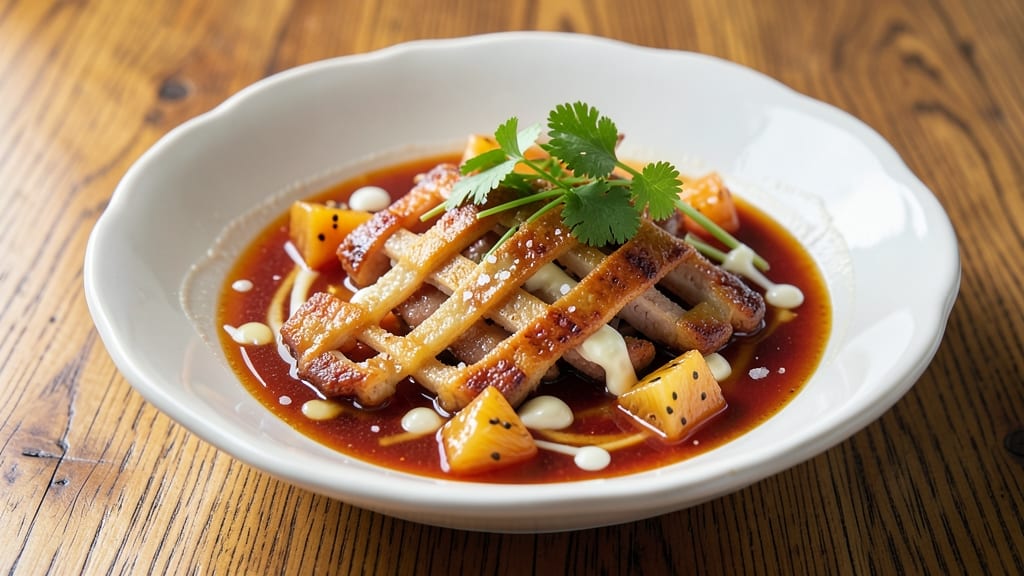
This Chinese sweet and sour pork sauce recipe delivers the velvet-thick balance of tangy and sweet that defines takeout perfection. ✨ The secret lies in precise ratios of ketchup, vinegar, and sugar—where the acidity brightens while the caramelized sugar creates that signature glossy finish.
I developed this version after years of refining restaurant-style sauces, ensuring every spoonful delivers that addictive sweet-tart harmony without overpowering the dish.
The foundation starts with a simple roux of butter and flour, which creates the sauce's signature thickness while preventing separation. From there, it's all about layering flavors: ketchup for depth, rice vinegar for tang, and brown sugar for that caramelized richness.
A splash of pineapple juice adds subtle fruitiness that rounds out the profile, while soy sauce and garlic powder anchor the umami. The result? A sauce that clings beautifully to pork but works equally well with chicken or vegetables.
What makes this sauce truly special is its versatility—it's ready in under 30 minutes and keeps beautifully in the fridge for up to a week.
The balance of sweet and sour is precise enough to stand alone as a dipping sauce, yet adaptable enough to elevate any stir-fry or braised dish. The texture is velvety yet slightly glossy, with just enough body to coat ingredients without being cloying.
This is the kind of sauce that transforms simple weeknight meals into restaurant-quality experiences.
Perfect for meal prep or last-minute dinners, this sauce requires only basic pantry staples and delivers professional results. Whether you're cooking for a crowd or treating yourself to homemade takeout, the key is patience during the simmering process—letting the flavors meld without boiling away the delicate balance.
Let's make this sauce that will have everyone asking for seconds.
Ingredients for chinese sweet and sour pork sauce
Nine pantry staples transform into restaurant-quality sweet and sour pork sauce.
| Ingredient | Amount | Notes |
|---|---|---|
| Unsalted Butter 🧈 | ½ cup | Cold, cubed for roux |
| All-Purpose Flour 🌾 | ½ cup | For smooth roux base |
| Ketchup 🍅 | 1 cup | Heinz preferred for consistency |
| Rice Vinegar 🍶 | ½ cup | White or seasoned variety |
| Brown Sugar 🍯 | ½ cup | Light or dark works |
| Pineapple Juice 🍍 | ¼ cup | Fresh preferred for brightness |
| Light Soy Sauce 🥢 | 2 tbsp | Kikkoman recommended |
| Garlic Powder 🧄 | 1 tsp | Freshly ground preferred |
| Ground White Pepper 🌶️ | ½ tsp | For subtle depth |
| Cornstarch 🌽 | 1 tbsp | For thickening finish |
The butter and flour roux is where the magic starts—use cold butter to avoid cooking the flour prematurely. King Arthur or Gold Medal flour works best for a smooth texture. Brown sugar adds caramelized depth, so don't substitute white sugar unless you want a lighter color. Rice vinegar is key for that signature tang—Trader Joe's or Marukan brands are my go-to. For the ketchup, Heinz is non-negotiable—it's the standard in restaurant recipes, and the flavor profile matches perfectly. Pineapple juice should be fresh if possible, but canned works in a pinch (just drain it).
No rice vinegar? Apple cider vinegar at half the amount gets close, though the flavor will be slightly different. Substituting maple syrup for brown sugar? Reduce to 3 tbsp—it's sweeter. The cornstarch is optional but recommended for that signature glossy finish. If you're making this ahead, add the cornstarch slurry just before serving to prevent clumping. Garlic powder can be swapped for 1 fresh clove minced, but the powder gives consistent results without bitterness.
This sauce keeps beautifully for up to 1 week in the fridge, with flavors deepening over time. For meal prep, store in airtight containers and reheat gently on the stove. The cornstarch-thickened version reheats best—just stir in a splash of water if it gets too thick. Freeze for up to 3 months by portioning into ice cube trays, then transfer to a bag. The roux base can be made ahead and refrigerated for 2 days before adding the remaining ingredients.
Why You'll Love This Recipe
- Pantry Powerhouse: I swear by this sauce because it uses stuff I already have—no fancy shopping trips. That jar of ketchup, the brown sugar I forgot about, and a splash of rice vinegar? Suddenly, I’ve got a tangy-sweet glaze that tastes like takeout but costs next to nothing.
- Two-Ingredient Magic: Honestly, the butter-flour roux is where the real flavor happens. Just melt the butter, toss in the flour, and stir—boom—that rich, velvety base that makes the whole dish sing. No fancy techniques, just a spoon and patience.
- Leftovers That Beg: This sauce keeps like a champ in the fridge, and it’s even better the next day. I’ve reheated it for stir-fries, drizzled it over rice, even used it as a glaze for roasted chicken. It’s my secret weapon for lazy nights when I can’t be bothered to cook from scratch.
- Weeknight Miracle: Between us, I’ve made this sauce while scrolling through emails and waiting for the pork to brown. The rice vinegar adds brightness in seconds, and the brown sugar balances everything without needing to taste-test. It’s the kind of recipe that saves me when I’m exhausted but still want flavor.
Step-by-step instructions for sweet and sour pork sauce
Here's the method for crafting that signature velvety sauce with perfect tangy-sweet harmony.
🍳 Step 1: Create the Perfect Roux Foundation
In a medium saucepan, melt the 0.5 cup unsalted butter over medium-low heat until completely liquid but not browned. This gentle heat prevents burning while ensuring smooth texture. Add the 0.5 cup all-purpose flour all at once and whisk vigorously for 2-3 minutes until the mixture forms a thick, smooth paste with a golden hue.
Here's the thing—this roux is your flavor anchor. Keep whisking constantly; you'll see it transform from grainy to glossy. If it starts to darken, reduce heat immediately. The goal is a nutty aroma without any burnt notes. This roux will carry all your sauce's richness and help thicken it beautifully.
🍳 Step 2: Build Flavor with Wet Ingredients
Slowly pour in the 1 cup ketchup and 0.5 cup rice vinegar while whisking continuously to prevent lumps. Add the 0.5 cup brown sugar and 0.25 cup pineapple juice, stirring until everything is fully incorporated and the mixture is smooth. The sauce should begin to bubble gently—this is when the magic starts.
Bring the mixture to a gentle simmer over medium heat, then reduce to low heat. Let it cook uncovered for 5-7 minutes, stirring occasionally. You're looking for the sauce to thicken slightly and develop a glossy sheen. This is where the sugar starts caramelizing, deepening the flavor profile. If it reduces too quickly, add 1-2 tablespoons water to maintain consistency.
🍳 Step 3: Season and Develop Complexity
Add the 2 tablespoons light soy sauce, 1 teaspoon garlic powder, and 0.5 teaspoon ground white pepper. Stir well and let the sauce simmer for another 3-4 minutes. The garlic powder will infuse its aromatic qualities, while the soy sauce adds that essential umami depth. Taste the sauce now—you should detect the tangy brightness from the vinegar and pineapple, balanced by the sweet caramel notes.
This is the moment that matters: the sauce should be smooth and slightly thickened, but still pourable. If it's too thin at this stage, don't panic—we'll fix that next. The flavors need time to meld together, so resist the urge to rush this step. The longer it simmers gently, the more complex the flavor becomes.
⏰ Step 4: Thicken to Velvet Perfection
In a small bowl, whisk together the 1 tablespoon cornstarch with 2 tablespoons cold water until smooth. Slowly pour this slurry into the simmering sauce while whisking continuously. The sauce will thicken almost immediately—keep whisking for 1-2 minutes until it reaches a velvet-smooth consistency that coats the back of a spoon.
For the perfect finish, let the sauce simmer for another 2 minutes to ensure the cornstarch is fully activated. The final texture should be thick enough to coat a spoon but still flow gracefully. If it's too thick, add 1 teaspoon water at a time until you reach the ideal consistency. The sauce should have shiny, glossy quality with a slightly sticky finish that clings beautifully to pork.
🍽️ Step 5: Rest and Adjust for Balance
Remove the sauce from heat and let it rest for 5 minutes. This resting period allows all the flavors to fully integrate and the sauce to reach its peak balance. Taste again now—you might find it needs a touch more tang or sweetness. Adjust by adding 1 teaspoon rice vinegar for more acidity or 1 teaspoon brown sugar for extra sweetness, as needed.
The finished sauce should have three distinct flavor zones: the bright tang from the vinegar and pineapple, the deep sweetness from the caramelized sugar, and the savory umami from the soy sauce. Each bite should deliver this harmonious contrast that makes sweet and sour pork so addictive. Serve warm over your crispy pork for the ultimate restaurant-quality experience.
Pro Tips For Making Chinese Sweet And Sour Pork Sauce
- Cook Butter Low and Slow: I used to rush this step and end up with a burnt, bitter flavor—don’t. Melt the unsalted butter over medium-low heat until it’s just golden, about 3-4 minutes. If you crank it too high, the butter will brown before the flour gets fully coated, and that’s when things go wrong.
- Whisk Flour Like You Mean It: The moment you add flour to the butter, stop stirring and whisk vigorously for at least 30 seconds. This isn’t just about avoiding lumps—it’s about creating a smooth roux that won’t clump when you add the ketchup later. (Yes, even if you’re impatient like me.)
- Balance Vinegar Gradually: Dumping all the rice vinegar at once turns your sauce into a sad, watery mess. Add it a tablespoon at a time while tasting—you want tang, not pucker. Start with half the recipe’s amount, simmer for 2 minutes, then adjust. Trust me, you’ll regret rushing this.
- Save Time with Pre-Mixed Spices: Skip measuring individual spices if you’re short on time—use 1 teaspoon of a pre-mixed Chinese five-spice powder or a dash of soy sauce instead. It’s not exactly traditional, but it cuts prep in half and still delivers that signature depth. (Your future self will thank you.)
Serving suggestions for chinese sweet and sour pork sauce
Classic Pork Pairings
This velvety sauce was born for crispy fried pork—think tender, golden-brown chunks that soak up every tangy-sweet drop. I recommend using bone-in pork shoulder cut into 1-inch cubes, double-fried to 190°F internal temperature for maximum crispiness.
The contrast of crunchy exterior and tender interior makes each bite unforgettable. 🍖
For a lighter option, try grilled pork skewers—marinate cubes in 1 tbsp soy sauce, 1 tsp five-spice powder, and 1 tsp honey for 30 minutes before grilling.
The sauce's glossy texture clings beautifully to charred surfaces, adding a smoky depth that elevates the dish. I often serve this with steamed jasmine rice to balance the richness.
Vegetable Companions
Sweet and sour pork sauce isn't just for meat—it transforms stir-fried vegetables into a vibrant side. Toss bell peppers, snap peas, and carrots in the sauce for 3-4 minutes on high heat until just tender.
The sauce's natural sweetness caramelizes the vegetables while keeping them crisp. I like adding ½ cup pineapple chunks for extra fruitiness that mirrors the sauce's flavor profile.
For a complete meal, serve with steamed bok choy or Chinese broccoli—the sauce's tangy brightness cuts through the vegetables' earthy notes. The key is to cook vegetables just until tender-crisp; overcooking turns them mushy and dulls the sauce's vibrant flavors.
A sprinkle of toasted sesame seeds adds texture and aroma that complements the dish perfectly.
Dipping Sauce Magic
This sauce doubles as an addictive dipping sauce for spring rolls, dumplings, or even crispy tofu. The perfect ratio is ¼ cup sauce per 10 pieces of dumplings—just enough to coat without overwhelming.
I often serve it with pork and shrimp spring rolls from my local Asian market; the sauce's glossy texture makes each bite irresistible. 🥟
For extra flair, garnish with chopped scallions and a pinch of red pepper flakes—the heat balances the sauce's sweetness while adding visual contrast. The sauce's natural stickiness ensures every bite delivers maximum flavor, making it ideal for sharing plates.
I've even used it as a glaze for grilled corn on the cob, which might sound unusual but works beautifully with a sprinkle of chili powder.
Breakfast Reinvention
Who says sweet and sour sauce is just for dinner? I love using it as a pancake or waffle topping—the tangy-sweet balance cuts through rich breakfast foods.
Pour 2 tbsp sauce over warm pancakes and top with whipped cream and chopped peanuts for a fusion breakfast that feels indulgent yet balanced. The sauce's natural thickness prevents it from pooling, ensuring even distribution.
For a savory twist, drizzle it over scrambled eggs with crispy hash browns—add a pinch of black pepper to enhance the umami. The sauce's acidity brightens the eggs while adding a gourmet touch that elevates simple breakfast dishes.
I often make a double batch on weekends; it's one of my go-to quick breakfasts when I'm short on time.
Nutrition facts
Frequently asked questions
Can I make this sauce without ketchup?
Yes, but you'll need to adjust the flavor profile. Replace the 1 cup ketchup with ½ cup tomato paste plus ½ cup pineapple juice for brightness. Add 1 teaspoon smoked paprika and ½ teaspoon onion powder to mimic ketchup's depth. The sauce will be slightly less sweet but still delicious!
How do I fix a sauce that's too thick or too thin?
For a sauce that's too thick, whisk in 1 teaspoon water at a time until smooth. If it's too thin after adding cornstarch, mix ½ teaspoon cornstarch with 1 teaspoon water and stir in gently. Always adjust gradually—you can't fix an over-thickened sauce once it's cooled.
Can I use this sauce for other proteins besides pork?
This sauce works beautifully with chicken, shrimp, or tofu. For chicken, use bone-in thighs for extra flavor. With shrimp, reduce cooking time to 2-3 minutes to avoid overcooking. The sauce's balance makes it versatile enough to complement any protein while keeping its signature tangy-sweet profile.
Why does my sauce taste too sweet or too sour?
If it's too sweet, add 1 teaspoon rice vinegar and simmer for 1 minute to brighten the flavor. Too sour? Stir in ½ teaspoon brown sugar and let it dissolve. Taste as you go—small adjustments make all the difference! The key is balancing these flavors while the sauce is still warm.
Can I make this sauce ahead and reheat it?
Yes, this sauce keeps for up to 1 week in the fridge. Reheat gently on low heat, stirring frequently to prevent scorching. If it thickens too much, add 1-2 teaspoons water to restore its glossy texture. For longer storage, freeze in ice cube trays for up to 3 months—perfect for quick meal prep!