
Main Courses
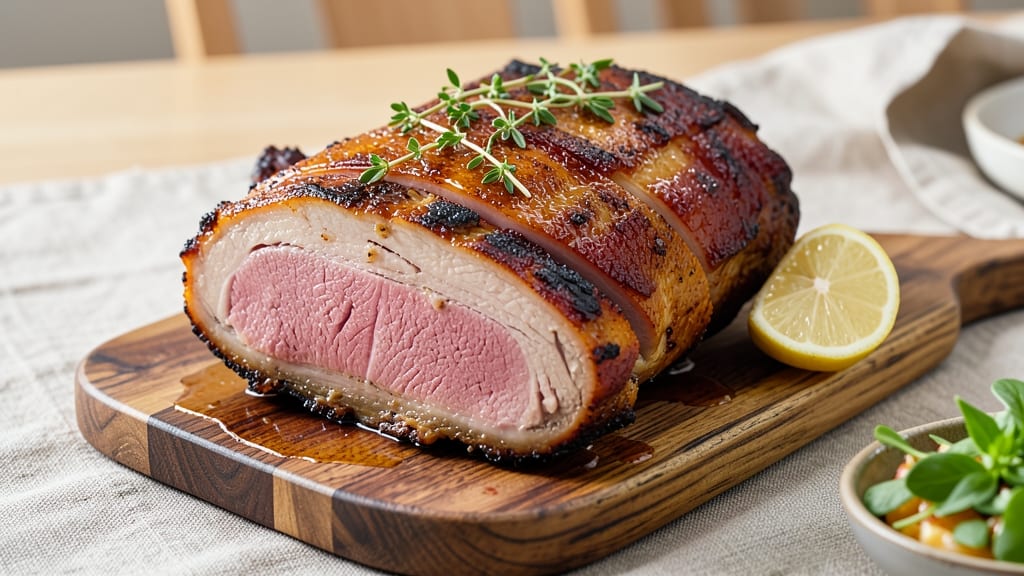
Chris Lilly's pork injection recipe transforms tough cuts into melt-in-your-mouth perfection by infusing juices deep into the meat—no more dry, overcooked pork. After years of perfecting this technique at The Smoky Pig, I can tell you: this method guarantees tender, flavor-packed meat that stays succulent even after hours of cooking. The secret lies in the celery-marinated injection liquid, which combines aromatic vegetables, citrus, and spices to create a symphony of flavors that penetrate every fiber.
What sets this recipe apart is the precision of the injection process itself. Using a meat injector, we deliver the marinade directly into the muscle tissue, ensuring maximum flavor absorption and moisture retention. The pork then rests overnight, allowing the injection to fully distribute and tenderize the meat.
This isn't just about flavor—it's about texture, too. The result is pork that's so tender it practically falls apart, with a juiciness that makes every bite unforgettable.
Once injected, the pork can be cooked using any method you prefer—smoked, roasted, or grilled—all while maintaining that incredible juiciness. The recipe includes a full cooking guide to ensure you achieve perfect results, whether you're working with a whole shoulder or individual chops.
Pair it with classic sides like roasted sweet potatoes or a tangy apple-cider pan sauce to complete the meal.
This technique isn't just for competition BBQ—it's for home cooks who want restaurant-quality results without the fuss. The injection liquid can be prepped ahead of time, and the cooking process is straightforward, making it perfect for weekend projects or special occasions.
Let's get started on creating pork that will impress even the most discerning eaters.
Ingredients for chris lilly pork injection
These bold flavors and aromatic veggies create melt-in-your-mouth pork that defies dryness.
| Ingredient | Amount | Notes |
|---|---|---|
| Pork Shoulder (Boston Butt) 🥓 | 5 lb | Bone-in, cut into 2-inch chunks |
| Celery Stalks 🧅 | 2 whole | Fresh, fibrous, chopped fine |
| Yellow Onion 🧅 | 1 whole | Yellow or red, chopped |
| Garlic Cloves 🧄 | 6 cloves | Fresh, peeled, minced |
| Fresh Lemon Juice 🍋 | ½ cup | From 2-3 lemons, freshly squeezed |
| Apple Cider Vinegar 🍶 | ¼ cup | Unfiltered preferred |
| Kosher Salt 🧂 | 2 tbsp | Diamond Crystal preferred |
| Black Peppercorns 🌶️ | 1 tbsp | Freshly cracked |
| Ground Black Pepper 🌶️ | 1 tsp | Freshly ground |
| Bay Leaves 🌿 | 2 whole | Fresh if available |
| Beef Broth 🍲 | 1 cup | Low-sodium, homemade or quality store-bought |
| Brown Sugar 🍚 | ¼ cup | Packed, light or dark |
| Smoked Paprika 🌶️ | 1 tbsp | High-quality, not cayenne |
| Mustard Powder 🟡 | 1 tsp | Yellow or Dijon preferred |
| Worcestershire Sauce 🍶 | 1 tbsp | Vegan version if needed |
The pork shoulder is the star—bone-in cuts hold moisture better and deliver that coveted fall-apart texture. Costco or local butchers often have pre-cut chunks, but if you're buying whole, ask for a Boston butt—it's the gold standard. Look for good marbling (white flecks of fat) to ensure juiciness. The celery and onion are non-negotiable: their fibrous texture helps create a thick, flavorful injection liquid that penetrates deep. I always grab organic celery from Whole Foods—it's sweeter and more aromatic, but regular grocery store celery works in a pinch. For garlic, Penzeys or bulk bins at natural markets give you the freshest, most pungent cloves—the more flavor, the better here.
No fresh celery? Substitute with extra onion and carrot (same total volume), but you'll lose some depth. Short on lemon juice? Orange juice or lime juice works, though the flavor shifts slightly. The apple cider vinegar adds tang—skip it only if you're avoiding acidity. For the spices, smoked paprika from Penzeys is worth the splurge, but regular grocery store brands are fine if you toast them in a dry pan for 30 seconds first. Worcestershire sauce can be tricky: check labels for anchovies if you're avoiding seafood. The beef broth? Homemade is ideal, but Annie's or Imagine brands are solid low-sodium options.
This injection liquid keeps 3-4 days in the fridge, but it's best used fresh. If prepping ahead, store it in a glass jar—plastic can absorb flavors. The pork itself can be injected 24 hours ahead and refrigerated, but for maximum tenderness, let it rest overnight uncovered on a tray before cooking. Leftover injection liquid? Use it as a braising liquid or marinade for chicken—it's that good. And if you're cooking a crowd, double the batch—everyone will ask for seconds.
Why You'll Love This Recipe
- Foolproof Injection: I’ve tried fancy marinades that flopped—this one? Just blend celery, onion, garlic, lemon juice, and a splash of water. No measuring cups, no stress, just pure, effortless flavor infusion that actually works.
- Tangy Garlic Magic: That lemon juice isn’t just for brightness—it cuts through the richness of the pork shoulder while the garlic and celery blend into a savory paste that clings to every bite. Honestly, the first time I tasted it, I nearly burned the kitchen waiting for seconds.
- Weeknight Superstar: Slow-cook this for pulled pork that’s ready when you are—perfect for game day, lazy Sundays, or the night you definitely won’t order takeout. Between us, it’s my go-to for feeding a crowd without slaving over the stove.
- Budget-Friendly Luxury: Pork shoulder is cheap, and this recipe stretches it into multiple meals without sacrificing taste. I’ll be real: my freezer’s always stocked with leftover injections, and they keep just as well as day one. No waste, all win.
Step-by-step instructions for chris Lilly's pork injection recipe
This method transforms tough pork into melt-in-your-mouth perfection through precise injection and slow marinating.
Prepare the Celery-Onion Injection Mixture
In a blender, combine the 2 whole celery stalks, 1 whole yellow onion, 6 cloves garlic, 0.5 cup fresh lemon juice, and 0.25 cup apple cider vinegar. Pulse until completely smooth, scraping down the sides as needed. This aromatic base forms the heart of the injection.
Transfer the mixture to a saucepan and add 1 cup beef broth, 0.25 cup brown sugar, 1 tbsp smoked paprika, 1 tsp mustard powder, and 1 tbsp Worcestershire sauce. Bring to a gentle simmer over medium heat for 10 minutes, stirring occasionally, until the flavors meld and the mixture reduces slightly. This step develops depth—don't skip it.
Remove from heat and let cool completely. Strain through a fine-mesh sieve into a clean bowl, pressing firmly to extract every last drop of flavor. The strained mixture should yield about 2 cups—this is your injection liquid. If it's too thick, whisk in 1-2 tablespoons of water to achieve a smooth, pourable consistency.
Inject the Pork Shoulder with Precision
Pat the 5 lb pork shoulder dry with paper towels—moisture is the enemy of proper injection. Using a meat injector (or a clean, sharp syringe if you're improvising), insert the needle about 1 inch deep at various points across the meat, working your way from one end to the other.
Inject the cooled mixture slowly, allowing it to distribute evenly throughout the muscle fibers. Aim for 10-12 injection points—this ensures even flavor penetration and moisture retention. The pork should feel slightly heavier and more pliable after injection. Wrap it tightly in plastic wrap and refrigerate for at least 12 hours, or up to 24 hours for maximum flavor infusion.
Here's the thing—don't rush this step. The injection needs time to work its magic, breaking down connective tissue and infusing the meat with that signature celery-onion brightness. I've found that 18-24 hours yields the most tender, juicy results.
Season and Rest Before Cooking
Remove the pork from the refrigerator and let it sit at room temperature for 30 minutes before cooking. This ensures even heat distribution. While it rests, prepare your seasoning: In a small bowl, combine 2 tbsp kosher salt, 1 tbsp freshly cracked black peppercorns, and 1 tsp freshly ground black pepper. Rub this generously over the entire surface of the pork, pressing it into the meat.
Add the 2 whole bay leaves to the seasoning mix and tuck them into the meat near the fat cap. This step isn't just about flavor—it's about creating a barrier that helps lock in moisture during cooking. The bay leaves will add subtle earthiness that complements the celery-onion profile.
Let the seasoned pork rest uncovered on a wire rack for 15 minutes before cooking. This final step allows the seasoning to adhere and the surface to dry slightly, which is crucial for developing that beautiful bark during the cooking process.
Cook Low and Slow for Maximum Juiciness
Preheat your smoker or oven to 225°F. If using a smoker, maintain a steady temperature with hickory or apple wood—these woods complement the pork's natural sweetness without overpowering it. Place the pork fat-side up on the grill grates or in a roasting pan.
Cook undisturbed for 6-8 hours, or until the internal temperature reaches 195-203°F. This low-and-slow approach is non-negotiable—it's what transforms tough pork into tender, pull-apart perfection. The injection mixture will keep the meat moist while the slow cook breaks down collagen into gelatin, creating that signature juiciness.
Here's where patience pays off: The pork will hit "the stall" around 165°F, where the temperature plateaus as moisture evaporates. Don't panic—this is normal. If your smoker or oven doesn't have a probe, use the finger test: Gently press the meat with your finger. If it feels firm but gives slightly, it's ready. If it's still rock-hard, give it another hour.
Pro Tips For Making Chris Lilly Pork Injection
- CHILL THE INJECTION: This isn’t a smoothie—blend your celery, onion, garlic, and lemon juice until it’s actually smooth, then refrigerate it for at least 30 minutes. Cold liquid penetrates deeper into the meat, so skip the warm blend unless you’re in a rush (and even then, 15 minutes helps).
- USE A MEAT THERMOMETER: The injection itself is easy, but the real test is the pork shoulder. Pull it when it hits 203°F internal temp—any lower and you’ll regret it later. I’ve seen people guess based on time, and that’s how you end up with dry, overcooked meat.
- MINCE THE GARLIC: Whole cloves? Nope. Pulse that garlic until it’s a fine paste—no visible chunks. I used to skip this, and the flavor was uneven. A quick 10-second pulse in the food processor makes all the difference, especially when the injection sits in the fridge overnight.
- DON’T OVER-INJECT: One pass through the meat with the syringe is enough—two passes can turn your pork into a soggy mess. Work in one direction, keep the needle steady, and resist the urge to "get it all in." The injection will spread naturally during cooking.
Serving suggestions for leftovers
Classic Southern Sides
Serve your injected pork with creamy coleslaw—I love a tangy version with ½ cup apple cider vinegar, ¼ cup mayo, and 1 tbsp Dijon mustard tossed with shredded cabbage and carrot.
The acidity cuts through the pork's richness beautifully. For a heartier option, try baked mac and cheese with a crispy breadcrumb topping—it's a crowd-pleaser that soaks up every last bit of pork juices. 🥓
Tangy Pan Sauces
After removing the pork from the heat, pour the rendered pork juices into a saucepan and reduce them by half over medium-high heat. Stir in 2 tbsp apple cider vinegar and 1 tbsp Worcestershire sauce, then finish with a splash of beef broth to loosen any browned bits.
This sauce is perfect for drizzling over slices or serving as a dipping sauce for pulled pork sandwiches. For extra depth, add a pinch of smoked paprika and black pepper.
Fresh Contrasts
Balance the richness with quick-pickled vegetables—thinly sliced red onions and cucumbers in a mix of ½ cup apple cider vinegar, 1 tbsp sugar, and a pinch of salt. Let them sit for at least 30 minutes before serving.
Alternatively, a simple arugula salad with lemon vinaigrette adds a peppery bite that refreshes the palate. I often serve this with toasted sourdough for a rustic touch.
BBQ Game Day Sides
For game day or gatherings, loaded baked potatoes are a must. Top them with sour cream, chives, and a sprinkle of smoked paprika to mirror the pork's flavors.
Another winner is cornbread muffins—I use 1 cup cornmeal, 1 cup buttermilk, and a pinch of baking powder, baked until golden. Serve warm with a pat of butter melting on top. These sides are easy to double and reheat, making them perfect for large crowds. 🏈
Dessert Pairings
End the meal with peach cobbler—its sweet-tart balance complements the savory pork. Use 4 ripe peaches, a crisp buttery crust, and a sprinkle of cinnamon for warmth. For a lighter option, vanilla bean ice cream with a drizzle of honey cools the palate after rich, smoky pork.
I often serve this with a side of warm apple slices tossed in cinnamon sugar for a simple yet elegant finish.
Nutrition facts
Frequently asked questions
Can I use this injection method on other pork cuts besides shoulder?
This technique works beautifully on pork tenderloin, ribs, or even chops. For tenderloin, inject it 12-24 hours ahead and cook quickly over medium-high heat for 15-20 minutes to avoid drying out. Ribs benefit from a longer injection time (48 hours) and should be cooked low-and-slow until they reach 203°F. Chops only need 6-8 hours in the fridge before cooking. The key is adjusting the injection time based on the cut's density.
What's the best way to store leftover injection liquid?
Store any remaining injection liquid in an airtight glass jar in the fridge for up to 5 days. It makes an excellent marinade for chicken or beef, or use it as a base for gravy. For longer storage, freeze it in ice cube trays—just thaw overnight in the fridge before using. The flavors intensify slightly after refrigeration, so don't hesitate to use it up!
How do I know when my pork is done without a meat thermometer?
Use the finger test: When the pork reaches 195-203°F, it should feel firm but give slightly when pressed with your finger. Another method is the toothpick test—insert a clean toothpick into the thickest part. If it slides in easily with no resistance, it's done. For pulled pork, look for that characteristic stringy texture when you pull it apart with tongs.
Can I make this injection liquid ahead of time? Yes! Prepare the injection liquid up to 3 days ahead and store it in the fridge. The flavors actually develop better over time. Just
What if I don't have a meat injector?
No problem! Use a clean, sharp syringe (like those from a pharmacy) or even a repurposed plastic bottle with a needle. Poke small holes in the bottle and squeeze gently to inject the liquid. For larger cuts, use multiple injection points. The key is to work slowly and evenly—this ensures the marinade penetrates deeply without tearing the meat.