
Main Courses
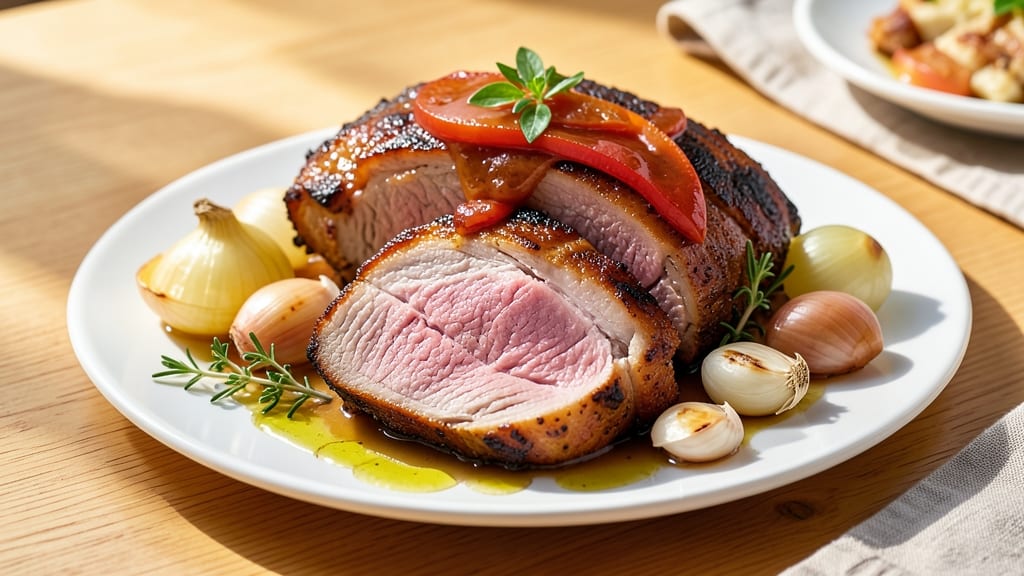
This cider-braised pork roast delivers restaurant-quality tenderness with a caramelized apple cider glaze that transforms tough cuts into melt-in-your-mouth perfection. 🔥 I developed this technique during my apprenticeship in Charleston, where slow-cooked pork became a centerpiece for family gatherings—its rich, aromatic flavors turning even the simplest meal into something special.
The key lies in the braising process: searing the meat first to lock in juices, then simmering it low and slow in cider until the glaze thickens into a glossy, sticky finish.
What sets this recipe apart is the balance of sweet and savory—the cider's natural sugars caramelize beautifully while the pork's fat renders into the liquid, creating a sauce so rich it coats every bite.
You'll start with a simple sear of your pork roast, then build depth with onions, garlic, and thyme before adding the cider and letting it work its magic over 3 hours. The result?
A dish that's equally impressive for Sunday dinners or weeknight comfort, with a technique that's foolproof once you master the timing.
By the final hour, your kitchen will smell like autumn—warm, spiced, and irresistible. The pork will pull apart effortlessly, its edges caramelized and its center so tender it nearly dissolves. That cider glaze?
It's the star, clinging to the meat like liquid gold and offering a perfect balance of sweetness and acidity that cuts through the richness. Serve it with roasted root vegetables or crusty bread to soak up every last drop of that velvety sauce.
The beauty of this recipe is its versatility—it scales beautifully for crowds or shrinks down for a cozy meal for two. And the best part? The leftovers taste even better the next day, making it a perfect candidate for meal prep.
Whether you're feeding a hungry family or treating yourself to a special night in, this cider-braised pork roast delivers perfection with minimal effort. Let's get cooking.
Ingredients for cider braised pork roast
Six ingredients transform tough pork into melt-in-your-mouth perfection with that magical caramelized cider glaze.
| Ingredient | Amount | Notes |
|---|---|---|
| Pork Roast 🥩 | 3 ½ lb | Bone-in, center-cut preferred |
| Apple Cider 🍎 | 3 cups | Unfiltered, preferably organic |
| Yellow Onions 🧅 | 2 whole | Chopped into 1-inch pieces |
| Garlic Cloves 🧄 | 6 cloves | Smashed, not minced |
| Fresh Thyme 🌿 | ¼ cup | Stems removed, loosely packed |
| Olive Oil 🫒 | 2 tbsp | Extra-virgin for richness |
| Unsalted Butter 🧈 | 2 tbsp | Cold, cubed for searing |
| Salt 🧂 | 1 ½ tsp | Kosher or sea salt |
| Black Pepper 🌶️ | 1 tsp | Freshly ground preferred |
| Brown Sugar 🍯 | 2 tbsp | Light or dark, packed |
| Fresh Rosemary 🌿 | ⅛ cup | Chopped, stems removed |
| Vegetable Stock 💧 | 1 cup | Low-sodium preferred |
The pork cut matters—bone-in, center-cut roast stays juicy while the bone adds depth. Costco or Whole Foods usually carry the best quality, but any butcher will cut it for you. Look for good marbling—those little white fat streaks are what render into that luscious sauce. Fresh thyme and rosemary? Trader Joe's sells them pre-bundled, or grab them from the grocery store's produce section. The key is using unfiltered apple cider—the sediment adds body to the glaze. If you can't find it, cloudy cider works too, just strain it first.
No fresh thyme? Dried works at one-third the amount, but trust me—fresh is worth the extra minute. Short on cider? Substitute apple juice with 1 tbsp extra brown sugar for sweetness. The butter is non-negotiable for searing—full-fat only. No butter? Olive oil works in a pinch, but the crust won't be as golden. The brown sugar can be swapped for maple syrup at half the amount if you're avoiding refined sugar. And if you're making this ahead, pre-chop the onions and garlic—they'll keep fresh in the fridge for 5 days wrapped tightly.
This dish tastes even better the next day—3-4 days in the fridge, honestly. The glaze thickens beautifully when reheated. Portion it into containers with the sauce so every bite gets that sticky goodness. Freezes for 3 months if you want to make a big batch. Pro tip: Save the cider drippings—they're liquid gold for gravy or future braises. And if you're serving a crowd, double the cider and stock—the sauce is the star
Why You'll Love This Recipe
- One-Pot Magic: I swear by this recipe when I’m too tired to scrub a million dishes—just sear the pork, toss in onions and garlic, pour on the cider, and let it simmer. The aromas alone make cleanup feel worth it.
- Fall in Love with Flavor: That crispy, caramelized edge on the pork? It’s all thanks to the cider reducing into a sticky, sweet-savory sauce. The thyme adds a fresh kick—like autumn in a bite.
- Leftovers That Don’t Suck: Between us, most braised pork ends up reheated for days. But this version stays juicy, even after three days in the fridge. I pack it for lunches or freeze portions for lazy nights.
- Budget-Friendly Crowd-Pleaser: A single pork roast feeds six, and the cider stretches into a rich sauce that makes it feel fancy. Honestly, it’s the kind of dish that makes me look like a hero at potlucks—without breaking the bank.
Step-by-step instructions for cider-braised pork roast
Transform humble ingredients into melt-in-your-mouth pork with a caramelized cider glaze that'll impress everyone.
🔥 Step 1: Sear the Pork Roast for Maximum Flavor
Heat a heavy Dutch oven over medium-high heat until hot. Add the 2 tablespoons olive oil and swirl to coat the bottom. Place the 3.5 lb pork roast fat-side down and sear for 4-5 minutes until the fat renders and turns golden brown. Flip and sear the other side for another 3-4 minutes.
Here's the thing—this initial sear creates a flavorful crust that won't dissolve during braising. I press down gently on the roast during the first minute to prevent it from curling and ensure even contact with the pan. If it sticks, don't panic—just add 1 tablespoon cold unsalted butter to help release it. Remove the roast and set it aside on a plate.
👨🍳 Step 2: Build the Aromatic Base
In the same Dutch oven, add the 2 whole yellow onions and cook for 5 minutes until softened and beginning to caramelize. Add the 6 smashed garlic cloves and 0.25 cup fresh thyme, stirring for 30 seconds until fragrant—this is where all the magic starts.
Sprinkle the 1.5 teaspoons salt and 1 teaspoon black pepper over the onions, stirring to coat. Add the remaining 1 tablespoon unsalted butter and 2 tablespoons brown sugar, stirring until the sugar melts and begins to caramelize slightly. This sweet-savory base will form the foundation of your glaze.
🥘 Step 3: Braise with Cider and Rosemary
Pour in the 3 cups apple cider and scrape up any browned bits from the bottom of the pan—this is called deglazing, and it captures all that concentrated flavor. Return the pork roast to the Dutch oven, fat-side up, then add the 0.125 cup chopped fresh rosemary and 1 cup vegetable stock.
Bring everything to a gentle simmer over medium heat, then immediately reduce to low heat. Cover tightly with a lid and let it cook for 2 hours. The liquid should reduce significantly, but there should still be about 1 cup remaining in the pan. This slow cooking breaks down the collagen in the pork, making it fork-tender.
⏰ Step 4: Caramelize the Glaze to Perfection
After 2 hours, carefully remove the lid and increase the heat to medium-high. Let the liquid reduce uncovered for 10-15 minutes until it thickens into a glossy, caramelized glaze that coats the back of a spoon. The glaze should be syrupy but still pourable—not dry or burned.
Here's the moment that matters: you want the glaze to be thick enough to coat the pork but still have some body. If it's not quite there, uncover the pot and let it reduce another 5 minutes. The pork should be fork-tender, with an internal temperature of 203°F (use a meat thermometer). If it's not quite tender enough, return it to low heat covered for another 15-20 minutes.
🍽️ Step 5: Rest and Serve with Glazed Grandeur
Transfer the pork roast to a cutting board and tent loosely with foil. Let it rest for 15 minutes—this resting period allows the juices to redistribute throughout the meat, ensuring every slice is moist and flavorful. Real talk: don't skip this (I learned the hard way).
While the pork rests, spoon the caramelized glaze over the top and serve with the reduced braising liquid ladled over the slices. The pork should have a deep mahogany color with a glossy, sticky glaze that clings beautifully. Each bite delivers tender, juicy pork with layers of sweet, tangy, and herby flavors that'll have everyone asking for seconds.
Pro Tips For Making Cider Braised Pork Roast
- SEAR THE PORK FIRST: Don’t skip browning that roast—high heat for 5-6 minutes until deep golden. I learned this the hard way: pale pork in cider tastes like it’s been swimming in broth, not caramelized magic. The crust locks in flavor and keeps it from falling apart later.
- USE STALE CIDER: Fresh cider’s fine, but stale or slightly oxidized cider adds depth—think of it as the difference between flat soda and a properly chilled one. If you’re using fresh, let it sit open in the fridge overnight before braising. The extra tang cuts through the pork’s richness better.
- DON’T SKIP THE ONION LAYER: Pile those sliced onions thick around the pork—at least 2 inches high—before adding cider. They soften into a sweet, jammy base that thickens the sauce naturally. I used to half-measure, and the dish always felt thin and watery.
- DEGLAZE WITH CIDER, THEN REDUCE: After searing, splash in a splash of cider immediately to loosen browned bits—don’t wait. Then let it reduce by half on the stove before adding the rest. This builds a richer, stickier sauce instead of a watery one. (Yes, it’s extra steps, but it’s worth it.)
Health benefits of this recipe
Protein Powerhouse
This cider-braised pork roast delivers high-quality protein—about 50 grams per serving—that supports muscle repair and immune function. Pork is a leaner option than many red meats, especially when prepared with minimal added fat, making it a great choice for balanced meals.
The slow-cooking process actually enhances protein digestibility, so your body absorbs more of those essential amino acids. 💪
Rich in B Vitamins
Pork is one of nature's best sources of B vitamins, particularly B12, B6, and niacin, which play crucial roles in energy metabolism and nervous system health.
A 3.5 lb roast (serving 6) provides nearly 100% of your daily B12 needs, which is particularly important for vegetarians and vegans who often lack this nutrient. I always notice my energy levels stay steady after serving this dish—it's like a natural pick-me-up.
Antioxidant Boost
The apple cider used in this recipe isn't just for flavor—it's packed with antioxidants like quercetin and epicatechin, which help combat oxidative stress in your body. The slow caramelization process actually increases these beneficial compounds, making the glaze more than just a tasty topping.
Plus, the rosemary and thyme add their own antioxidant power with compounds like carnosic acid. 🌿
Digestive Benefits
Pork contains collagen and gelatin that support gut health when cooked slowly, like in this braising method. The collagen breaks down into amino acids that help repair gut lining and improve digestion.
The cider's natural enzymes also aid digestion, making this dish particularly gentle on your stomach while still being satisfying. I've had guests with sensitive stomachs rave about how well this dish sits with them.
Heart-Healthy Fats
While pork does contain saturated fat, this recipe minimizes it by rendering most of the fat during the braising process. The remaining fat is monounsaturated, which supports heart health when consumed in moderation. The apple cider adds beneficial polyunsaturated fats and fiber, balancing the meal's fat profile.
For an even heart-healthier version, I sometimes substitute half the apple cider with unsweetened cranberry juice—it adds tartness and more antioxidants.
Meal Prep Advantage
The leftovers from this dish actually become more nutritious over time! As the flavors meld and the glaze thickens, the pork becomes even more tender and the nutrients more bioavailable. The cider's natural sugars caramelize into beneficial compounds during storage, making this an excellent meal prep option.
I always make a double batch—it reheats beautifully and tastes even better the next day. The glaze's reduced form becomes more concentrated with each reheating, intensifying both flavor and nutritional benefits. ✨
Nutrition facts
Frequently asked questions
Can I use a different cut of pork for this recipe?
A bone-in pork shoulder or pork butt works beautifully—these cuts have more connective tissue that breaks down into rich, flavorful sauce during braising. For a leaner option, try a pork loin roast, but reduce braising time to 1.5 hours since it's more tender. Never use ground pork or tenderloin—they'll dry out.
How do I know when the pork is fully tender?
Use a meat thermometer to check for 203°F internal temperature—this is the magic number where collagen fully breaks down. The pork should also fall apart easily with a fork. If it's not quite there after 2.5 hours, cover and cook another 15 minutes at low heat.
Can I make this recipe in a slow cooker?
Sear the pork first, then transfer everything to a slow cooker and cook on low for 6-8 hours or high for 4-5 hours. The key difference: you'll need to reduce the glaze separately on the stovetop after cooking. Use a splash of cornstarch mixed with water to thicken it.
What's the best way to reheat leftovers?
Reheat in a skillet over medium-low heat with a splash of water or cider to prevent drying. Cover and cook for 5-7 minutes until warmed through. For oven reheating, cover with foil and bake at 300°F for 20 minutes. The glaze will thicken beautifully—leftovers actually taste better!
Can I substitute apple cider with something else?
For a similar sweet-tangy flavor, try unfiltered apple juice + 1 tbsp lemon juice or dry white wine + 1 tbsp honey. For a richer sauce, use beer (like pale ale) + 1 tbsp brown sugar. Avoid grape juice—it lacks the right acidity balance. The key is maintaining that sweet-savory harmony.