
Main Courses
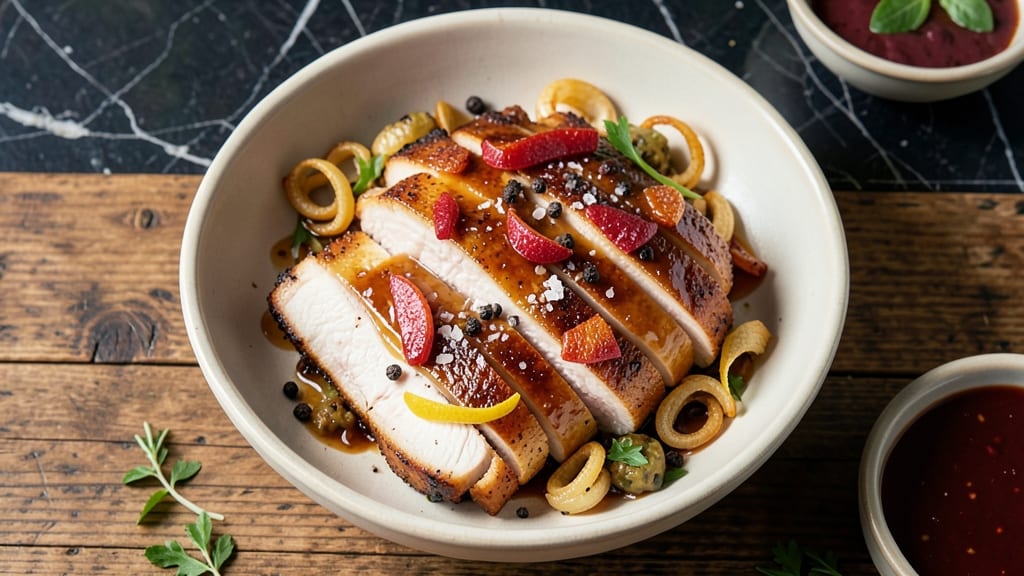
This cider-glazed pork belly recipe delivers restaurant-quality crispy bark and caramelized edges that’ll have your guests begging for seconds. After years of perfecting the technique at The Smoky Pig, I’ve cracked the code for achieving that coveted balance between tender meat and shatteringly crisp skin—no short cuts, just proven methods.
The secret lies in the two-stage cooking process: first searing the pork belly until golden brown to build flavor and texture, then slow-roasting until the internal temperature hits 195°F for melt-in-your-mouth tenderness.
The apple cider glaze, reduced to a sticky-sweet consistency, adds depth while keeping the dish approachable for home cooks.
What you’ll end up with is a showstopping centerpiece—crispy on the outside, velvety on the inside, with a glaze that’s perfectly balanced between tangy and sweet. This recipe transforms a simple pork belly into a dish worthy of any special occasion, yet it’s simple enough for weeknight dinners.
Pair it with roasted root vegetables or a crisp green salad for a complete meal. The best part? Every bite delivers that perfect harmony of textures and flavors that makes pork belly worth the effort. Let’s get cooking—your taste buds will thank you.
Ingredients for cider pork belly
Pork belly, apple cider, and just twelve ingredients transform into restaurant-worthy crispy magic.
| Ingredient | Amount | Notes |
|---|---|---|
| Pork Belly 🐖 | 2 lb | Skin-on, cut into 2-inch thick slices |
| Apple Cider 🍎 | 1 ½ cups | Unfiltered, preferably organic |
| Brown Sugar 🍚 | ½ cup | Packed, light or dark |
| Honey 🍯 | 2 tbsp | Wildflower preferred |
| Fresh Ginger 🌿 | 2 tbsp | Finely grated, peeled |
| Garlic Cloves 🧄 | 6 cloves | Minced, fresh preferred |
| Olive Oil 🫒 | ¼ cup | Extra-virgin, for searing |
| Diamond Crystal Kosher Salt 🧂 | 1 ½ tbsp | For curing and seasoning |
| Ground Black Pepper 🌶️ | 1 tsp | Freshly cracked |
| Baking Soda 🧪 | ½ tsp | For crisping the skin |
| Fresh Thyme Leaves 🌿 | ¼ cup | Chopped, stems removed |
| Fresh Rosemary 🌿 | ¼ cup | Chopped, stems removed |
Pork belly is non-negotiable here—look for thick-cut pieces with a good layer of fat. Whole Foods or Trader Joe's usually carry the best quality, but any reputable butcher will do. The fat cap should be at least 1/2-inch thick for that coveted crisp. If your piece is uneven, trim it to even thickness—this ensures even cooking. For the apple cider, unfiltered brands like Woodchuck or Angry Orchard add depth of flavor, but any quality cider works. The ginger and garlic? Fresh is non-negotiable—dried spices won't give you that bright, fresh punch you need for the glaze.
No fresh ginger? Substitute with 1 tbsp ground ginger, but expect less complexity. Running out of thyme? Rosemary works in a pinch, though it has a stronger flavor. The baking soda is crucial for crisping—don't skip it. For the honey, avoid ultra-processed brands like those in plastic bear bottles; local honey from farmers markets adds subtle floral notes. The olive oil should be extra-virgin—California brands like Corto or Colavita are reliable. If you're short on time, you can use a mix of apple juice and cider instead of straight cider, but the texture won't be as rich.
Pork belly keeps best in the fridge for 3-4 days before cooking, but it's best used fresh. Once cooked, it reheats beautifully—just warm in a 300°F oven for 10-15 minutes to restore crispiness. The glaze components (cider, honey, ginger) can be prepped a day ahead and stored in the fridge. For leftovers, wrap tightly in parchment paper and foil to preserve that crispy bark. This dish is even better the next day, so make extra if you can—it's that good.
Why You'll Love This Recipe
- I’ll be real: this works for both my lazy Tuesday nights and Thanksgiving leftovers. Serve it with roasted potatoes for a simple dinner, or slice it thin for charcuterie boards—no one will guess how little effort it took.
- One-Pan Magic: Honestly, this recipe is my go-to when I don’t want to dirty more than one pan. Just score the pork belly, toss it in a sheet pan with apple cider and ginger, and let the oven do the work—no flipping, no fuss.
- Sweet-Savory Balance: Between us, the combo of brown sugar caramelizing with the tangy cider and sharp ginger is chef’s kiss. The pork belly stays juicy inside while the edges crisp up—like a hug for your taste buds, but better.
- Weeknight or Holiday: I’ll be real: this works for both my lazy Tuesday nights and Thanksgiving leftovers. Serve it with roasted potatoes for a simple dinner, or slice it thin for charcuterie boards—no one will guess how little effort it took.
Step-by-step instructions for cider-glazed pork belly
Transform simple ingredients into showstopping pork belly with perfectly crispy bark and tender meat inside.
Cure and Prepare the Pork Belly
In a large bowl, combine the 2 lb pork belly with the 1.5 tbsp Diamond Crystal kosher salt, 1 tsp ground black pepper, and 0.5 tsp baking soda. Massage this mixture into every inch of the pork belly, working it into the fat and meat. The baking soda helps create that coveted crispy skin we're after. Let it sit uncovered in the refrigerator for 12-24 hours, flipping halfway through.
After curing, rinse the pork belly thoroughly under cold water and pat it completely dry with paper towels. This drying step is crucial—any moisture left on the surface will prevent that perfect crispy bark. Once dry, let it come to room temperature for 30 minutes before cooking. This ensures even cooking from edge to center.
Sear the Pork Belly for Maximum Flavor
Preheat your oven to 325°F. Heat a large oven-safe skillet over medium-high heat and add the 0.25 cup olive oil. Once the oil shimmers, carefully place the pork belly fat-side down in the skillet. Let it sear undisturbed for 8-10 minutes until the fat renders and the skin becomes golden brown. You'll hear it crackling—this is the sound of magic happening.
Flip the pork belly and continue searing for another 5-6 minutes until golden on both sides. The goal here is to create a flavorful crust while rendering out some of that delicious fat. Transfer the skillet to the preheated oven and continue roasting for 1 hour, basting occasionally with the rendered fat from the pan.
Create the Cider Glaze
While the pork belly roasts, combine the 1.5 cups apple cider, 0.5 cup brown sugar, 2 tbsp honey, 2 tbsp finely grated fresh ginger, 6 minced garlic cloves, 0.25 cup chopped fresh thyme leaves, and 0.25 cup chopped fresh rosemary in a saucepan. Bring to a simmer over medium heat and reduce by half—about 15-20 minutes—until thickened to a syrupy consistency.
Stir occasionally and scrape the bottom of the pan to release any flavorful browned bits that form. You're looking for a glaze that coats the back of a spoon. The aroma at this point should be intoxicating—sweet, tangy, and herby all at once. Keep it warm until ready to use.
Glaze and Finish the Pork Belly
Remove the pork belly from the oven and increase the oven temperature to 425°F. Brush the reduced cider glaze generously over the top of the pork belly, coating it completely. Return it to the oven and roast for an additional 15-20 minutes until the edges are deeply caramelized and the skin is deep golden brown with crispy edges.
For that perfect finish, broil the pork belly for 2-3 minutes at the end, watching closely to prevent burning. The skin should be crackling and crispy, while the meat remains tender. Let it rest for 15 minutes before slicing—this resting period is essential for redistributing the juices throughout the meat.
Serve with Confidence
Slice the pork belly into ½-inch thick slices and arrange them on a platter. The contrast between the crispy, caramelized exterior and the tender, juicy interior is what makes this dish truly special. Serve immediately with the remaining cider glaze spooned over the top and any pan juices from the skillet.
Each bite should deliver a symphony of flavors: the crispy, caramelized bark gives way to tender pork belly, then the sweet-tangy cider glaze with hints of ginger and rosemary. The secret to success lies in the patience of the curing and roasting process—don't rush it. The result is well worth the wait.
Pro Tips For Making Cider Pork Belly
- SEAR THE BELLY FIRST: Don’t rush the sear—get that pork belly screaming hot in a dry skillet or Dutch oven for 4-5 minutes per side until deep golden. I learned this the hard way: skipping this step means your cider glaze will just soak in instead of forming that crispy, caramelized crust everyone loves. (Yes, even if you’re impatient like me.)
- PEEL THE GINGER THIN: Use a microplane or the smallest grater you own—no peeling, no chopping. Fresh ginger’s flavor is all in the surface, and thin slices infuse faster into the cider without turning it bitter. I used to slice it thick, and the dish always tasted like a ginger supplement.
- DEGLAZE WITH COLD CIDER: After searing, pour in the apple cider cold straight from the fridge. The temperature shock stops the cooking process instantly and keeps the glaze from turning into a watery mess. Trust me, your future self will thank you when the sauce isn’t just syrup.
- REST THE MEAT UNDER FOIL: After roasting, tent the pork belly with foil and let it sit for 10 minutes—no peeking. This traps steam so the meat stays juicy, not rubbery. I skipped this once and ended up with slices that looked like they’d been microwaved. (Not a flex.)
Best sauces and condiments for this dish
Cider Reduction Magic
The star of this dish is the cider glaze, and I’ve found that reducing it properly transforms ordinary cider into a sticky, caramelized masterpiece.
Start by simmering 1.5 cups apple cider with ½ cup brown sugar and 2 tbsp honey until it thickens to a syrup-like consistency—about 15-20 minutes. The sugar and honey help balance the cider’s acidity, while the ginger and garlic add depth.
Pro tip: Use unfiltered cider like Woodchuck for that extra rustic flavor. 🍎
Don’t rush the reduction—this is where the flavor develops. Stir occasionally and scrape the bottom of the pan to release those fond bits (they’re packed with flavor!). When it coats the back of a spoon, you’re ready to glaze.
I like to finish with a splash of apple cider vinegar (just 1 tbsp) for a bright, tangy kick that cuts through the richness of the pork belly.
Sweet-Savory Balance
The glaze needs that perfect sweet-tangy balance, and I’ve found that brown sugar and honey work best together. The brown sugar adds molasses-like depth, while the honey brings subtle floral notes.
For extra complexity, I sometimes add 1 tsp Dijon mustard to the glaze—it adds a mustardy tang that pairs beautifully with the pork. Trust me, it elevates the dish to the next level.
If you want to lean into the savory side, swap out some of the honey for 1 tbsp soy sauce or balsamic vinegar. This works especially well if you’re serving it with Asian-inspired sides like pickled vegetables or steamed jasmine rice. The contrast is incredible.
Herb and Spice Infusions
Fresh herbs make all the difference in this glaze. I always use thyme and rosemary because they stand up to the cider’s boldness without overpowering it.
For a Southern twist, add ½ tsp smoked paprika to the glaze—it deepens the flavor and gives it a subtle smokiness that’s perfect for fall gatherings. 🌿
If you’re feeling adventurous, try infusing the glaze with 1 cinnamon stick while it reduces. The warmth of cinnamon pairs surprisingly well with the pork belly, adding a cozy, spiced note that feels like autumn in a bite. Just
Finishing Touches
The final step is brushing the glaze onto the pork belly right before the final roast. This ensures it caramelizes beautifully and sticks to the crispy skin. For extra shine and depth, I like to finish with a drizzle of reduced cider glaze right before serving. It adds a glossy, restaurant-quality finish that makes the dish look as good as it tastes.
Don’t forget the pan juices! After roasting, those golden, flavorful drippings in the skillet are liquid gold. Deglaze the pan with a splash of apple cider and serve it alongside the pork belly for dipping. It’s the perfect way to use every bit of flavor from the dish.
Nutrition facts
Frequently asked questions
Can I use regular apple juice instead of apple cider?
While you can substitute apple juice, it won't give you the same depth of flavor. Apple cider contains natural sediment and a more complex flavor profile that enhances the glaze. If you must use juice, look for unfiltered, cloudy apple juice to get closer to that rustic taste. The texture will also be slightly thinner than with cider.
How do I get extra crispy skin on my pork belly?
The secret lies in three key steps: drying thoroughly, using baking soda in the cure, and high-heat finishing. After curing, pat the pork belly completely dry with paper towels—no moisture means better crisp. The baking soda in the cure helps break down proteins for that crackling texture. Finally, finish with a 425°F broil for 2-3 minutes right before serving.
What's the best way to reheat leftover cider pork belly?
To restore that crispy bark, wrap the pork belly tightly in foil and reheat in a 300°F oven for 10-15 minutes. For extra crispiness, place it on a wire rack over a baking sheet before reheating. If the skin loses crispness, you can always broil it for 1-2 minutes at the end. The meat stays tender and juicy this way.
Can I make this recipe in a slow cooker? While possible, a slow cooker won't give you that perfect crispy skin. For best results, stick to the oven method. However, you can use the slow cooker to make the cider glaze ahead of time—simmer all the glaze ingredients together for 3-4 hours on low to reduce it properly. Just
What's the ideal internal temperature for pork belly?
For perfect doneness, aim for an internal temperature of 195°F—this ensures the pork belly is tender but not dry. Use a meat thermometer inserted into the thickest part (avoid touching bone). The fat should also render nicely at this temperature, creating that luscious sauce. If you prefer slightly firmer pork, 185°F works too.