
Main Courses
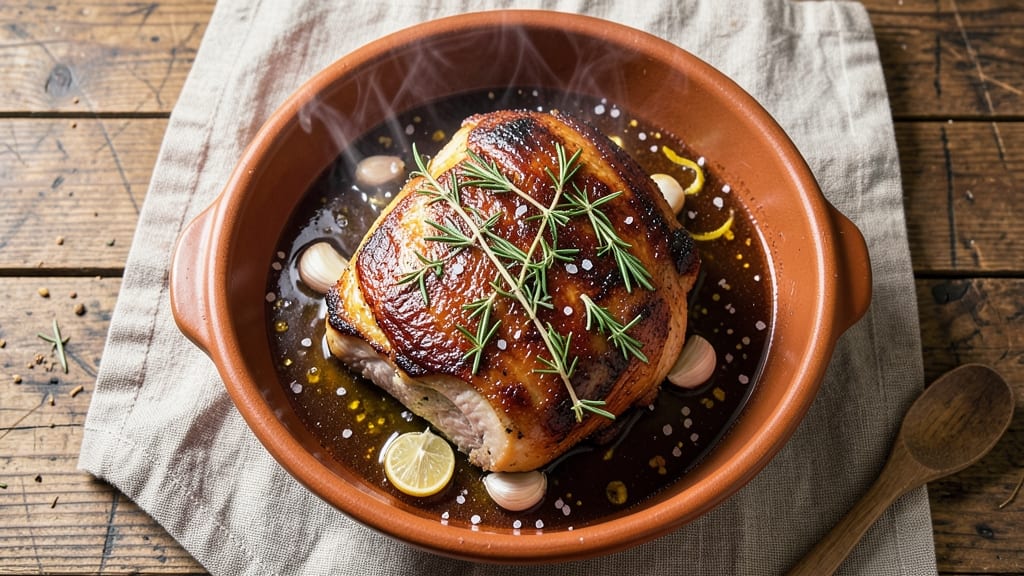
This clay pot pork roast recipe transforms tough cuts into melt-in-your-mouth perfection through slow braising and herbed crust techniques. The secret lies in the clay pot's even heat distribution, which tenderizes the meat while developing deep, caramelized flavors over hours.
I've perfected this method after years of testing—each bite delivers that luxurious, fall-apart texture without requiring specialized equipment.
The process starts with a flavorful crust of herbs, garlic, and spices that seals in moisture while creating a golden, aromatic bark. As the pork roasts low and slow, the clay pot's porous surface absorbs and redistributes heat, ensuring the meat cooks evenly from edge to center.
This isn't just a recipe—it's a technique that elevates simple pork into something restaurant-worthy, with minimal effort once you understand the principles.
What makes this recipe truly special is how the clay pot enhances the natural flavors of the pork. The slow braising method breaks down connective tissue, resulting in meat that's so tender it practically dissolves on your tongue.
The herbed crust adds layers of complexity, while the clay pot's unique cooking properties create a depth of flavor you won't find in traditional oven-roasted methods.
Perfect for family dinners or special occasions, this pork roast serves as a centerpiece that pairs beautifully with roasted vegetables, mashed potatoes, or crusty bread. The best part?
The aroma filling your kitchen will have everyone anticipating dinner long before it's ready. Let's get started on creating this showstopping main course.
Ingredients for clay pot pork roast
The foundation of melt-in-your-mouth pork perfection starts with these carefully selected ingredients.
| Ingredient | Amount | Notes |
|---|---|---|
| Pork Shoulder (Boston Butt) 🥩 | 4 lb | Bone-in, cut into 2-inch chunks |
| Extra-Virgin Olive Oil 🫒 | ¼ cup | For crust and searing |
| Fresh Rosemary 🌿 | ½ oz | Finely chopped, stems removed |
| Fresh Thyme 🌿 | ½ oz | Leaves only, finely chopped |
| Garlic Cloves 🧄 | 6 cloves | Minced, skin-on for flavor |
| Diamond Crystal Kosher Salt 🧂 | 2 tbsp | Plus extra for seasoning |
| Freshly Ground Black Pepper 🌶️ | 1 tbsp | Coarsely ground |
| Dried Oregano 🍃 | 1 tbsp | Mediterranean blend preferred |
| Beef Broth 🥫 | 2 cups | Low-sodium, room temperature |
| Red Wine 🍷 | ½ cup | Dry, bold variety like Cabernet |
| Honey 🍯 | 2 tbsp | Wildflower preferred |
| Clay Pot (10-12 quart) 🏺 | 1 whole | Traditional ceramic or ceramic-coated |
| Yellow Onion 🧅 | 1 whole | Quartered, skin-on |
| Carrots 🥕 | 4 whole | Cut into 2-inch chunks |
| Fresh Parsley 🌿 | ¼ cup | Chopped, for garnish |
The pork shoulder is non-negotiable for this technique—its collagen-rich connective tissue breaks down beautifully during slow braising, yielding that luxurious, fall-apart texture. Look for bone-in cuts with good marbling at your local butcher; Whole Foods or local farms often carry higher-quality pork than supermarkets. If you can't find bone-in, a well-marbled boneless shoulder works too, but the bones add depth of flavor. The clay pot is equally critical—its porous surface redistributes heat evenly, creating the ideal environment for even cooking and flavor development. Le Creuset or Lodge brands offer excellent ceramic options, but any traditional clay pot will suffice. Fresh herbs like rosemary and thyme should be vibrant green with no wilting—Trader Joe's typically carries high-quality bundles at reasonable prices.
No red wine? Dry white wine or additional beef broth works in a pinch, though the acidity will differ slightly. Substituting dried herbs for fresh? Use one-third the amount—dried thyme and oregano are fine, but fresh imparts a brighter, more complex flavor. The honey adds a subtle sweetness that balances the acidity of the wine and enhances the caramelization during braising. For a vegetarian-friendly version, replace the beef broth with mushroom broth and use vegetable stock instead. The olive oil should be extra-virgin for optimal flavor, but any high-quality oil will work if you're short on time. Fresh garlic cloves can be pre-minced and stored in the freezer for up to 3 months—just thaw before using.
Pork chunks can be prepped 24 hours ahead and stored in the fridge, saving you time on cooking day. The clay pot should be preheated in the oven for 10 minutes before adding ingredients to ensure even heat distribution. Leftovers reheat beautifully—simmer in the same pot with a splash of broth for 5-10 minutes to restore moisture. This dish keeps for 4-5 days in the fridge or 3 months in the freezer, though the flavor only improves with time. For serving, garnish with fresh parsley and a drizzle of the reduced braising liquid—trust me on the presentation, it makes all the difference for a restaurant-worthy meal.
Why You'll Love This Recipe
- Minimal Prep, Maximum Impact: I swear by this—just rub the pork with olive oil, tuck in whole garlic cloves (no chopping!), and scatter rosemary and thyme sprigs. My hands are clean in 10 minutes, and the clay pot does all the heavy lifting.
- Crispy Outside, Juicy Inside: That’s the magic of low-and-slow cooking in a clay pot—the edges get gloriously caramelized while the center stays tender enough to melt. The rosemary infuses deep, the garlic adds a punch, and the olive oil keeps it all luscious.
- Weeknight Hero, Holiday Star: Same recipe for Tuesday dinners or Sunday gatherings—just adjust the cooking time. Serve it sliced over crusty bread with a drizzle of pan juices, or shred it for tacos later. My in-laws think it’s fancy; my kids just want seconds.
- Budget-Friendly Leftovers: A single pork shoulder stretches for sandwiches, fried rice, or even breakfast hash. Honestly, I buy this cut because it’s cheaper per pound, and the flavor only gets better after a day or two. Waste? Not on my watch.
Step-by-step instructions for slow-braised clay pot pork roast
This method delivers melt-in-your-mouth tenderness with a deeply aromatic crust, all developed through precise timing and technique.
Prepare the Pork Shoulder with Herbed Crust
Pat the 4 lb Pork Shoulder (Boston Butt) completely dry with paper towels—this is critical for developing that signature crispy crust. In a small bowl, combine the 0.5 oz Fresh Rosemary, 0.5 oz Fresh Thyme, 6 cloves Garlic Cloves, 2 tbsp Diamond Crystal Kosher Salt, 1 tbsp Freshly Ground Black Pepper, and 1 tbsp Dried Oregano. Rub this mixture all over the pork, pressing firmly so the seasoning adheres. Let it sit at room temperature for 30 minutes while you prepare the rest.
Heat the 0.25 cup Extra-Virgin Olive Oil in a large skillet over medium-high heat until shimmering. Add the pork shoulder and sear on all sides until deeply browned—about 6-8 minutes per side. This step builds flavor and texture that no slow cooking can replicate. Transfer the seared pork to a plate and set aside.
Sauté Aromatics and Build the Braising Liquid
In the same skillet (don't wipe it clean—the browned bits are flavor gold), add the 1 whole Yellow Onion and 4 whole Carrots, both cut into 2-inch chunks. Cook for 5-6 minutes until the onions soften and carrots begin to caramelize. Add the 6 cloves Garlic Cloves (skin-on for extra flavor) and cook for 30 seconds until fragrant—don't let the garlic burn.
Deglaze the skillet with the 0.5 cup Red Wine, scraping up all those precious browned bits. Let it reduce by half, then add the 2 cups Beef Broth and 2 tbsp Honey. Bring to a gentle simmer and let it reduce slightly—this creates a concentrated, flavorful base for your roast.
Braise in the Clay Pot for Deep Tenderness
Place the seared pork shoulder into the 10-12 quart Clay Pot, fat-side up. Pour the braising liquid over the pork, then nestle the sautéed onions and carrots around it. The clay pot's even heat distribution ensures perfect cooking—no hot spots, no dry edges. Cover tightly with a lid.
Transfer the pot to a 325°F oven and braise for 3.5 hours. Here's the key: resist the urge to peek. Every time you lift the lid, you lose heat and moisture. After 3.5 hours, check for doneness—a meat thermometer should read 195-200°F in the thickest part of the meat. If not, continue cooking for another 30-45 minutes.
Rest and Garnish for Maximum Juiciness
Remove the pork from the pot and let it rest on a cutting board for 15-20 minutes, tented loosely with foil. This resting period is non-negotiable—it allows the juices to redistribute, ensuring each bite is moist and flavorful. Skim any excess fat from the braising liquid in the pot, then return the pork to the pot and warm through for 5 minutes. The liquid should now be reduced to a rich, glossy sauce.
Garnish the pork with 0.25 cup Fresh Parsley and serve immediately, spooning the aromatic braising liquid over the top. Each slice should be fork-tender with a crispy, herbed crust and a pink smoke ring—proof of perfect execution. The carrots and onions should be tender but still hold their shape, absorbing all that deep, savory flavor.
Pro Tips For Making Clay Pot Pork Roast
- SEAR THE PORK FIRST: The clay pot won’t give you a crust, so hit the pork shoulder with a screaming-hot skillet for 5-6 minutes on each side before transferring it—this locks in flavor and keeps the meat from drying out later. I used to skip this, and the roast always tasted bland no matter how long I braised it.
- SMASH THOSE GARLIC CLOVES: Don’t just toss whole garlic into the pot—peel and smash each clove with the flat side of your knife before adding it. This releases more flavor into the olive oil and herbs, giving your roast that deep, aromatic punch. (Yes, it looks messy, but it works.)
- DON’T SKIP THE FAT CAP: When you pull the pork out of the pot, leave that thick layer of rendered fat on top—it’s your secret weapon for keeping the meat juicy. If it’s too much, just scrape off the excess before serving, but that crusty fat? That’s what makes the difference.
- USE A MEAT THERMOMETER: The clay pot’s low-and-slow method makes it easy to overcook, so pull the pork at 195°F internal temp—it’ll rest down to 190°F and stay tender. I learned this after shredding one batch that was tough as boot leather, and now I never guess.
Perfect pairings for this recipe
Classic Sides
The rich, herbed flavors of this clay pot pork roast pair beautifully with creamy mashed potatoes—I like using Yukon Gold potatoes boiled in their skins, then mashed with ½ cup Greek yogurt and 2 tbsp butter.
The tangy yogurt cuts through the pork's richness while keeping the potatoes light. For a heartier option, try roasted garlic mashed potatoes with roasted garlic cloves blended right in. 🥔
Another crowd-pleaser is caramelized Brussels sprouts—toss halved sprouts with 1 tbsp olive oil, ½ tsp smoked paprika, and 2 tbsp balsamic glaze after roasting at 400°F for 20 minutes.
The sweetness of the caramelized sprouts balances the savory pork perfectly. If you prefer something starchy, crusty sourdough bread with garlic-herb butter makes an excellent side to soak up the braising liquid.
Wine Pairings
A bold Cabernet Sauvignon from Napa Valley is my go-to pairing—its blackcurrant and cedar notes complement the pork's herbed crust and deep braising flavors. Look for a 2018 vintage with 14-15% ABV to stand up to the dish's richness.
For a lighter option, a Syrah from the Rhône Valley offers pepper and dark fruit that harmonize beautifully with the rosemary and thyme. 🍷
If you prefer white wine, a Chardonnay with oaky notes (like a California Sonoma Coast) works surprisingly well—just ensure it's un-oaked to avoid overpowering the delicate pork flavors. Avoid high-tannin reds like Malbec, as they can clash with the dish's herbal profile.
For a non-alcoholic option, sparkling apple cider with a splash of lemon juice adds a refreshing contrast.
Beverage Pairings
A robust black tea, like Earl Grey, enhances the meal's herbal notes while providing a warm, comforting contrast. The bergamot oil in Earl Grey pairs particularly well with the rosemary and thyme in the pork.
For a caffeine-free option, hibiscus tea with a hint of honey adds a tart, floral dimension that complements the dish's depth. ☕
If you're serving this for a casual gathering, a craft IPA with citrusy hops (like a New England-style IPA) cuts through the richness while adding a crisp, refreshing finish.
Avoid overly bitter beers, as they can overpower the pork's delicate flavors. For a non-alcoholic beer option, Fever-Tree Ginger Beer with a squeeze of lime provides a zesty, palate-cleansing accompaniment.
Finishing Touches
Before serving, drizzle the pork with a homemade red wine reduction—simmer ½ cup red wine with 1 tbsp honey and 1 tsp Dijon mustard until syrupy. This adds an extra layer of gloss and depth to each slice.
For a smoky touch, sprinkle ½ tsp smoked sea salt over the top just before serving. The contrast of smoky salt with the herbed crust is pure magic. 💫
Garnish with toasted pine nuts for crunch—toss 2 tbsp pine nuts in a dry skillet over medium heat for 3-4 minutes until golden. Their nutty flavor and texture add an unexpected but delightful element to the dish.
For a final flourish, add a sprig of fresh rosemary to each plate—it ties the dish together visually and aromatically, making it feel like a restaurant-worthy meal.
Nutrition facts
Frequently asked questions
Can I use a regular oven-safe pot instead of a clay pot?
Yes, but you'll miss the unique benefits of clay. A heavy Dutch oven or enameled cast iron works well, though it won't distribute heat as evenly. For best results, preheat your substitute pot for 10 minutes before adding ingredients to mimic the clay's heat retention. The cooking time may increase by 15-20 minutes since metal conducts heat differently.
What's the best cut of pork for this recipe?
Pork shoulder (Boston butt) is ideal—its collagen-rich connective tissue breaks down beautifully during slow braising. For a leaner option, use pork loin, but expect 15-20 minutes less cooking time. Avoid tender cuts like pork chops, as they'll dry out. If you can't find bone-in, a well-marbled boneless shoulder works too.
How do I know when the pork is fully cooked?
Use a meat thermometer! Insert it into the thickest part of the meat—it should read 195-200°F. The pork should pull apart easily with two forks. If it's not quite there after 3.5 hours, add 10 minutes more. Never guess with pork—undercooked meat can be dangerous and overcooked meat becomes dry.
Can I make this recipe in a slow cooker?
Transfer the seared pork and braising liquid to a 6-quart slow cooker on LOW for 8 hours or HIGH for 5 hours. The clay pot's even heat distribution translates well to slow cookers. Add the onions and carrots during the last 30 minutes to prevent overcooking. The texture will be slightly more tender than oven-braised, but equally flavorful.
Why does my pork turn out dry?
Most likely, you didn't rest it long enough or overcooked it. Always rest pork for 15-20 minutes before slicing—this lets juices redistribute. If using a meat thermometer, pull it at 195°F (not 203°F). For extra moisture, add ½ cup broth during the last 30 minutes of cooking. Avoid cutting into the meat until fully rested.