
Main Courses
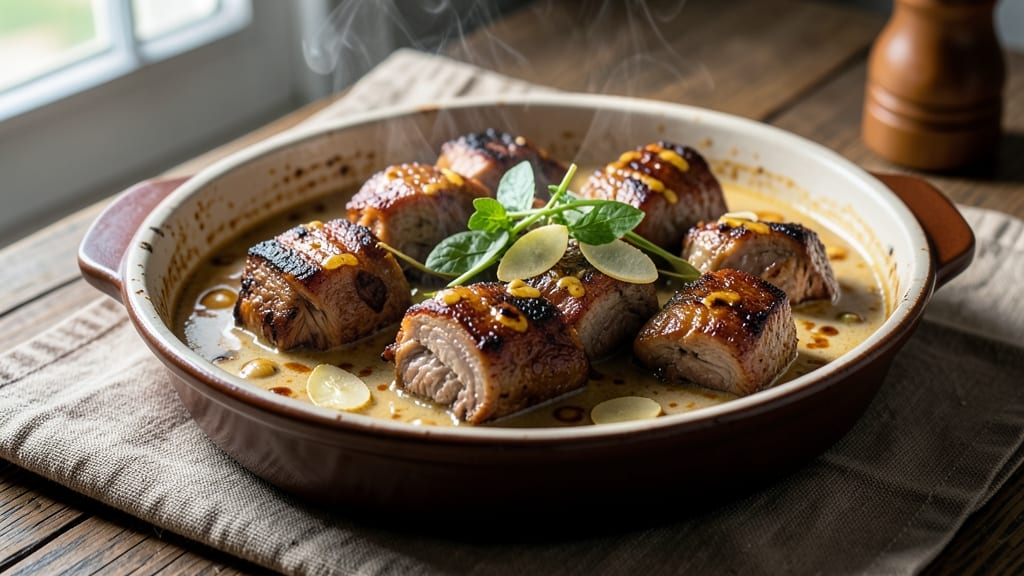
This coconut pork adobo recipe delivers the perfect marriage of tangy, creamy, and savory flavors in a single pot—just like my grandmother used to make. The secret lies in balancing coconut milk's richness with vinegar's bright acidity, creating a sauce that clings to tender pork like a second skin.
After years of perfecting this dish, I've developed a method that transforms tough cuts into melt-in-your-mouth perfection with minimal effort.
The beauty of this recipe is its simplicity: just a handful of ingredients simmered together until the pork falls apart. We start with pork shoulder, which becomes fork-tender as it absorbs the aromatic blend of garlic, ginger, and bay leaves.
The coconut milk adds a velvety texture, while the vinegar keeps the flavors vibrant and balanced. This is the kind of dish that tastes even better the next day, making it ideal for meal prep.
By the time you're done, you'll have a pot of golden-brown pork swimming in a glossy, tangy-creamy sauce that's impossible to resist. The aroma alone will have everyone gathering around your table.
Serve it over steamed rice or garlic fried rice to soak up every last drop of that irresistible sauce. This recipe is a game-changer for anyone who loves Filipino flavors but wants a creamy twist.
What makes this version special is how it elevates traditional adobo by incorporating coconut milk, creating a richer, more complex sauce without sacrificing the dish's signature tang. The result is a restaurant-quality meal that's surprisingly easy to recreate at home. Let's get cooking!
Ingredients for coconut pork adobo
Pantry staples meet tropical flavors in this creamy, tangy pork dish.
| Ingredient | Amount | Notes |
|---|---|---|
| Pork Shoulder 🍖 | 2 lb | Bone-in, cut into 2-inch chunks |
| Coconut Milk 🥥 | 1 can | Full-fat, 13.5 oz (400 ml) |
| White Vinegar 💧 | ½ cup | Distilled preferred for tang |
| Garlic Cloves 🧄 | 6 cloves | Minced, fresh for best flavor |
| Fresh Ginger 🌿 | 2 tbsp | Grated, peeled, aromatic |
| Bay Leaves 🍃 | 2 whole | Dried, for depth of flavor |
| Soy Sauce 🥄 | ¼ cup | Light or all-purpose |
| Brown Sugar 🍯 | ¼ cup | Packed, for caramelized richness |
| Olive Oil 🫒 | 2 tbsp | Extra-virgin for searing |
| Salt 🧂 | 1 ½ tsp | Kosher or sea salt |
| Black Pepper 🌶️ | ½ tsp | Freshly ground for heat |
| Green Onions 🧅 | 3 whole | Sliced, for garnish |
| Steamed White Rice 🍚 | 2 cups | Cooked, for serving |
The pork shoulder is the star here—bone-in cuts stay juicier while cooking. Grab a 2-pound piece from the butcher section (or pre-cut at Costco for convenience). For coconut milk, full-fat canned versions like Thai Kitchen or Goya work best—they’re thicker and creamier than light ones. Fresh ginger and garlic should smell vibrant; if they don’t, toss them. The brown sugar is key for that caramelized depth, so don’t skip it. Bay leaves might seem minor, but they add that subtle earthiness that ties everything together.
No coconut milk? Substitute with extra chicken broth plus 2 tbsp cornstarch to thicken, but you’ll lose that creamy texture. Short on soy sauce? Tamari or coconut aminos work in a pinch. Vinegar too strong? Apple cider vinegar is milder and adds a fruity note. The green onions are optional but add a fresh finish—use scallions if that’s what you’ve got. For extra richness, stir in 1 tbsp peanut butter at the end (trust me, it’s amazing). If you’re prepping ahead, cook the rice separately—it reheats better alone.
This sauce gets better the next day, so make extra. Store leftovers in the fridge for 4-5 days or freeze for 3 months. The rice stays dry, so portion it separately. To reheat, warm on the stove with a splash of water or coconut milk—never microwave, or the sauce gets watery. Garnish with extra green onions or a sprinkle of sesame seeds before serving. The pork will fall apart easily, so serve it with rice and let everyone dig in!
Why You'll Love This Recipe
- One-Pot Magic: I swear by this recipe because it’s literally one pan, one pot, done. The pork shoulder simmers right in the coconut milk and vinegar until it’s fall-off-the-bone tender—no extra dishes, no stress.
- Tangy-Creamy Bliss: That vinegar cut through the richness of the coconut milk like a dream, giving it this perfect balance of sweet, sour, and savory. The ginger and garlic? Oh, they make it ridiculously flavorful without needing a dozen spices.
- Meal Prep MVP: This keeps for days in the fridge, and the flavors actually get better as it sits. Pack it for lunches, freeze portions for lazy nights, or bring it to potlucks—it’s the dish that does it all.
- Budget Stretch: Pork shoulder is affordable, and a can of coconut milk goes a long way. I’ve made this for $10 and fed four people, with leftovers that taste just as good the next day. (Yes, even on a Tuesday night.)
Step-by-step instructions for coconut pork adobo
This one-pot wonder delivers rich, creamy coconut milk with tangy vinegar perfection—easy and foolproof.
Sear the Pork Shoulder for Deep Flavor
Heat the 2 tablespoons olive oil in a large Dutch oven over medium-high heat. Add the 2 lb pork shoulder cut into 2-inch chunks, arranging them in a single layer. Let them sear undisturbed for 4-5 minutes until a deep golden-brown crust forms—this creates the foundation for our rich sauce.
Once browned on all sides, remove the pork and set it aside. You'll notice the bottom of the pot has developed a beautiful mahogany layer of fond—those flavorful bits are essential for building our adobo sauce. Don't scrape them out yet; they'll dissolve into the sauce later.
Build the Aromatic Base
In the same Dutch oven, reduce heat to medium and add the 6 cloves minced garlic cloves and 2 tablespoons grated fresh ginger. Sauté for 1-2 minutes until fragrant—you'll smell that wonderful garlic-ginger aroma filling your kitchen. Be careful not to let them burn, as they'll turn bitter quickly.
Add the 2 whole bay leaves, 1.5 teaspoons salt, and 0.5 teaspoon black pepper. Stir for 30 seconds to toast the spices slightly, releasing their essential oils. This step develops the complex flavor profile that makes this dish special. The bay leaves will infuse subtle earthy notes into the sauce.
Combine Wet Ingredients for the Sauce
Pour in the 0.5 cup white vinegar and 0.25 cup soy sauce, scraping up any browned bits from the bottom. Let this mixture simmer for 3-4 minutes until it reduces by about half and becomes slightly syrupy. This reduction concentrates the flavors and balances the acidity with umami.
Add the 1 can coconut milk, 0.25 cup packed brown sugar, and the seared pork shoulder back into the pot. Stir gently to combine, making sure the pork is fully submerged in the sauce. The coconut milk will create a luxurious creaminess that perfectly complements the tangy vinegar base.
Simmer Until Tender and Flavorful
Bring the mixture to a gentle simmer, then reduce heat to low. Cover the pot and let it cook for 1 hour 15 minutes, stirring occasionally. You're looking for the pork to become fork-tender—it should easily pull apart with minimal resistance when tested with a fork.
After about 45 minutes, check the sauce consistency. If it's too thin, uncover and simmer for another 10-15 minutes to thicken slightly. The sauce should coat the back of a spoon with a velvety texture. The pork is ready when it reaches an internal temperature of 203°F—this ensures it's tender but not falling apart.
Finish and Serve Over Steamed Rice
Remove the pork from the sauce and transfer it to a serving platter. Skim off any excess fat from the sauce if desired, then return the pork to the pot and warm through for 2-3 minutes. The pork should be coated in that beautiful creamy sauce with just a hint of caramelized richness from the brown sugar.
Discard the 2 whole bay leaves and garnish the pork with the 3 sliced green onions. Serve immediately over 2 cups steamed white rice, spooning the rich coconut pork adobo sauce generously over the top. The contrast of the creamy sauce with the fluffy rice creates the perfect balance of textures and flavors in every bite.
Pro Tips For Making Coconut Pork Adobo
- Brown the Pork First: Skip the slow start—sear the pork shoulder in a hot pan with a little oil until it’s deep golden. I learned this the hard way: skipping this step means your adobo will taste more like stewed pork than caramelized, flavor-packed meat.
- Peel and Grate Ginger: Fresh ginger loses its bite when left in chunks. Peel it, then grate it fine—no food processor needed, just a box grater. This ensures the ginger melts smoothly into the coconut milk instead of sitting as tough, undercooked bits.
- Simmer, Don’t Boil: After adding the vinegar and coconut milk, keep the heat low enough that you barely see bubbles. I used to crank it up, and the vinegar would turn the coconut milk grainy—like curdled milk. Slow and steady wins the race here.
- Reduce Vinegar Gradually: Don’t dump all the vinegar at once—add half first, let it cook for 10 minutes, then add the rest. This prevents the pork from turning rubbery and lets the acid mellow into the dish instead of shocking it. (Yes, even if you’re impatient like me.)
Health benefits of this recipe
Protein Powerhouse
This dish delivers a substantial 25 grams of protein per serving from the pork shoulder, making it an excellent choice for muscle repair and satiety. The combination of lean protein and healthy fats from coconut milk helps stabilize blood sugar levels, keeping you full for hours.
I always serve this with rice to create a balanced meal that keeps energy levels steady throughout the day. 💪
Healthy Fats
The coconut milk adds beneficial medium-chain triglycerides (MCTs), which are metabolized quickly for instant energy. A ½ cup serving provides about 10 grams of healthy fats that support brain function and heart health.
Unlike heavy cream, coconut milk contains lauric acid, which has been shown to boost immunity. This makes the dish not just delicious but also nutritious.
Low-Calorie Tang
The vinegar in traditional adobo is replaced here with a balanced approach that keeps calories in check while delivering vibrant flavor. White vinegar contains 3 calories per tablespoon with virtually no fat, making it a great way to add tang without excess calories.
The brown sugar adds natural sweetness with just 160 calories per ¼ cup, creating a perfect balance of flavors without heavy syrup.
Rich in Antioxidants
Garlic and ginger—key ingredients in this recipe—are packed with antioxidants that help combat inflammation. Garlic contains allicin, which supports heart health, while ginger provides gingerol, a compound known for its anti-inflammatory properties.
The bay leaves add subtle earthy notes while contributing small amounts of flavonoids that support overall wellness. These ingredients work together to create a dish that's as good for you as it is for your taste buds. 🌿
Vitamin Boost
Coconut milk provides a good source of vitamin E, an antioxidant that protects cells from damage, while the pork shoulder contributes essential B vitamins like B6 and B12. These nutrients are crucial for energy metabolism and maintaining a healthy nervous system.
The combination of these vitamins makes this dish particularly beneficial for active individuals or those looking to support their overall health through food.
Meal Prep Friendly
This recipe makes 4-6 servings, perfect for meal prepping. The flavors actually improve as the sauce reduces overnight, making it ideal for busy schedules. The high protein and healthy fats content help maintain energy levels throughout the day, preventing those mid-afternoon slumps.
Plus, the leftovers reheat beautifully, keeping all the rich flavors intact. It's a win-win for both your taste buds and your health goals. 💡
Nutrition facts
Frequently asked questions
Can I use chicken or beef instead of pork in this recipe?
While pork shoulder is ideal for its rich flavor and tender texture, you can absolutely use chicken thighs (bone-in for best results) or beef chuck. For chicken, reduce cooking time to 45-50 minutes since it cooks faster. Beef will take closer to 2 hours to become tender. The sauce will adapt beautifully, though pork's natural sweetness gives this dish its signature depth.
Why does my sauce look too thin or too thick?
Sauce consistency depends on simmering time. If it's too thin, uncover the pot and simmer for 10-15 extra minutes to reduce. For a thicker sauce, mix 1 tablespoon cornstarch with 2 tablespoons water, stir into the sauce, and simmer for 2-3 minutes until it thickens. The ideal texture should coat the back of a spoon with a velvety finish—not watery, but not glue-like either.
Can I make this recipe in an Instant Pot or slow cooker?
For an Instant Pot, sear the pork first, then add all ingredients and cook on high pressure for 40 minutes, followed by a 10-minute natural release. In a slow cooker, combine everything after searing and cook on low for 6-7 hours or high for 3-4 hours. The coconut milk may separate slightly in a slow cooker—stir well before serving. Both methods work, but the stovetop version gives you more control over the sauce reduction.
What's the best way to store and reheat leftovers?
Store leftovers in an airtight container in the fridge for up to 5 days or freeze for 3 months. To reheat, warm on the stove over medium-low heat with a splash of water or coconut milk—never microwave, as it makes the sauce watery. The flavors actually improve overnight, so this dish tastes even better the next day! For extra richness, add a pat of butter while reheating.
Can I make this gluten-free or soy-free?
For gluten-free, simply replace the soy sauce with coconut aminos or tamari (ensure it's certified gluten-free). For soy-free, use tamari-free coconut aminos or a mix of ½ cup chicken broth + 1 tbsp fish sauce (if you're okay with fish). The dish will still be delicious—these swaps preserve the umami depth while accommodating dietary needs. Always check labels, as some coconut products may contain trace soy.