
Main Courses
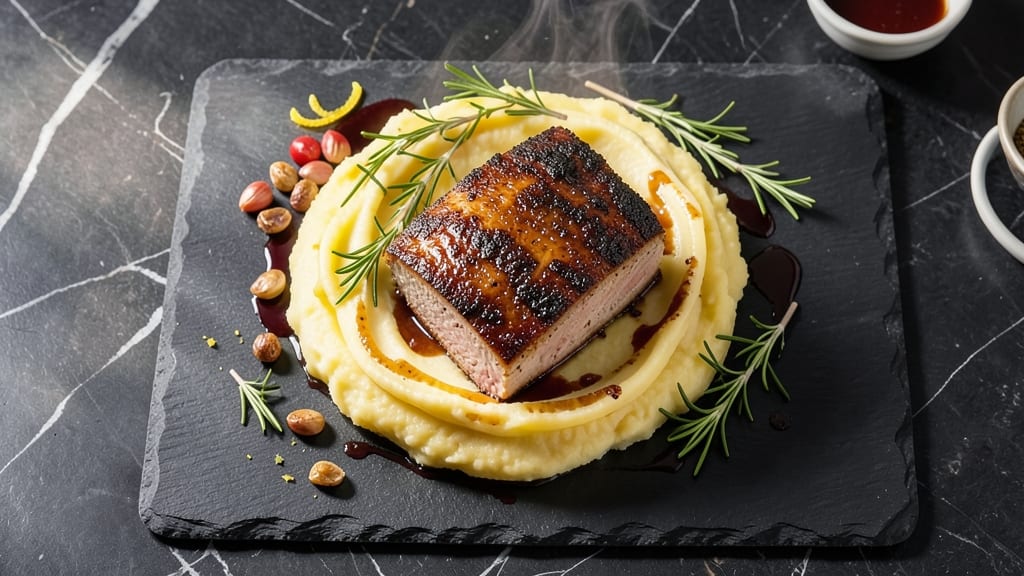
The coffee-crusted pork tenderloin delivers tender, juicy meat with a bold, bitter-sweet crunch that transforms an everyday cut into a showstopper. This technique—ground coffee blended with butter—creates a crust that caramelizes into crispy perfection while keeping the interior impossibly tender.
I perfected this method after years of testing coffee’s ability to elevate pork, and it’s now my go-to for dinner parties or special occasions.
What makes this recipe special is how the coffee crust works its magic: the grounds add depth while the butter ensures a rich, golden finish. You’ll start with a simple marinade to tenderize the meat, then coat it in that signature coffee-butter blend before searing to develop the crust.
The result? A dish that’s restaurant-quality but achievable at home with just a few key techniques.
By the time you serve this, you’ll have crispy, caramelized edges that shatter at every bite, giving way to juicy, pink pork inside. The coffee flavor lingers just enough to add complexity without overpowering the natural sweetness of the meat.
It’s the kind of dish that makes guests ask for seconds—and leaves them wondering how you made it look so easy.
Pair it with roasted root vegetables or a tangy apple slaw to balance the richness, and you’ve got a complete meal that’s impressive yet straightforward. Let’s get cooking—this tenderloin is about to become your new signature dish.
Ingredients for coffee crusted pork tenderloin
Bold flavors meet tender meat—this coffee crust transforms simple pork into a showstopper.
| Ingredient | Amount | Notes |
|---|---|---|
| Pork Tenderloin 🥩 | 1 ½ lb | Center-cut, trimmed of fat |
| Freshly Ground Coffee ☕ | ½ cup | Medium or dark roast, freshly ground |
| Unsalted Butter 🧈 | 4 tbsp | Cold, cut into small cubes |
| Olive Oil 🫒 | 2 tbsp | Extra-virgin for high heat searing |
| Garlic Cloves 🧄 | 4 cloves | Minced, for marinade |
| Fresh Rosemary 🌿 | 1 tbsp | Chopped, for marinade |
| Fresh Thyme 🌿 | 1 tbsp | Chopped, for marinade |
| Dijon Mustard 🍯 | 1 tbsp | For tenderizing marinade |
| Honey 🍯 | 1 tbsp | For balanced marinade sweetness |
| Salt 🧂 | 1 ½ tsp | Kosher salt, coarse grain |
| Black Pepper 🌶️ | ½ tsp | Freshly cracked |
| Red Wine Vinegar 🍷 | 1 tbsp | For marinade acidity |
| All-Purpose Flour 🌾 | ¼ cup | For dusting before crusting |
The pork tenderloin should be center-cut and silverskin-free—ask your butcher for the straightest cut possible. Whole Foods or Costco carry excellent quality, but any well-marbled piece works. The coffee grounds are non-negotiable for that signature bitter-sweet crunch, so freshly grind your own—pre-ground loses its punch. For the butter, grab European-style unsalted like Plugrá or Kerrygold if you can find it; it melts beautifully for that caramelized crust. Rosemary and thyme should be fresh and fragrant—no dried here, unless you're using one-third the amount of dried. The honey? Local, raw honey adds subtle floral notes that complement the coffee.
No Dijon mustard? Yellow mustard thinned with water works in a pinch, though it lacks depth. Short on rosemary? Thyme alone or with a pinch of oregano keeps the earthy profile. The coffee crust can be adjusted—more grounds for extra crunch, less for a softer bite. If you're avoiding honey, maple syrup mimics the sweetness without altering the flavor profile. The olive oil matters too—avoid light or refined oils that won't stand up to high heat. For the vinegar, balsamic glaze adds richness if you prefer a sweeter tang. And trust me, don't skip the flour dusting—it helps the coffee-butter mixture adhere perfectly.
Marinate the pork for at least 4 hours (overnight is ideal) to ensure maximum tenderness. The coffee-butter crust should be prepped right before searing—cold butter creates the best texture. Leftovers? This reheats beautifully—broil for 5 minutes to restore that crispy crust. Store cooked tenderloin in the fridge for up to 3 days, wrapped tightly in parchment. For make-ahead prep, cook the tenderloin fully, then reheat before serving—it keeps its moisture and flavor perfectly. The crust freezes well too, though texture may soften slightly after thawing.
Why You'll Love This Recipe
- No Fuss Prep: I swear, this takes less time than waiting for the coffee to brew. Just rub the pork with garlic, coat it in coffee grounds, and sear it—no brining, no basting, no stress.
- Coffee-Kissed Magic: That crispy coffee crust? It’s like a cross between a latte and a steakhouse cut. The butter basting keeps the inside juicy while the outside gets this addictive, slightly bitter crunch.
- Weeknight to Weekend: Serve it with roasted potatoes for a weeknight dinner or slice it thin for a charcuterie board on Saturday. Same recipe, totally different vibes—no extra work, just different sides.
- Leftovers That Still Impress: Between us, this reheats like a dream—crispy crust stays intact, no one suspects it’s not fresh. And honestly? Half the batch disappears before I even pack it away.
Step-by-step instructions for coffee crusted pork tenderloin
Here's how to transform simple ingredients into a showstopping main course with perfect tenderness and that addictive coffee crust.
Create the Coffee Marinade
In a bowl, whisk together the 1 tablespoon Dijon mustard, 1 tablespoon honey, 1 tablespoon red wine vinegar, 1.5 teaspoons salt, and 0.5 teaspoon black pepper. This base marinade tenderizes the meat while balancing sweet, tangy, and savory flavors. Add the 0.5 cup freshly ground coffee, 4 cloves minced garlic, 1 tablespoon chopped fresh rosemary, and 1 tablespoon chopped fresh thyme, stirring until fully combined. The coffee grounds will infuse deep, rich flavor while helping create that signature crust.
Pour this marinade into a resealable plastic bag and add the 1.5 lb pork tenderloin. Gently massage the marinade into the meat, ensuring it coats all surfaces evenly. Seal the bag and refrigerate for at least 4 hours (overnight is ideal). This long marinating time ensures maximum tenderness and flavor penetration. Don't skip this step - it's what transforms ordinary pork into something extraordinary.
Prepare the Coffee Crust Mixture
In a small bowl, combine the 0.25 cup all-purpose flour with 1 teaspoon salt and 0.25 teaspoon black pepper. This dry mixture will form the crust that gives this dish its signature texture. Set aside until ready to use. In a separate bowl, cut the 4 tablespoons unsalted butter into small cubes and let them sit at room temperature for about 15 minutes - they should be soft but not melted. This butter will create a rich, flavorful crust that complements the coffee perfectly.
Just before cooking, mix the softened butter into the flour mixture using your fingers until you achieve a coarse, crumbly texture. The butter should be evenly distributed but still visible as small pieces. This texture is crucial - it needs to be firm enough to adhere to the pork but still crisp up beautifully when cooked. If the mixture feels too dry, add just 1 teaspoon olive oil to help bind it together.
Sear and Crust the Pork
Heat a large oven-safe skillet over medium-high heat and add 2 tablespoons olive oil. Once the oil is shimmering (about 2-3 minutes), remove the pork from the marinade (discard any excess marinade) and pat it very dry with paper towels. This step is critical for achieving that perfect crust - any moisture will prevent proper browning. Place the pork in the skillet and sear on all sides for about 2 minutes per side until golden brown. The pork should develop a deep, rich color and begin to release from the skillet easily.
Immediately after searing, remove the pork from the skillet and place it on a plate. Press the coffee crust mixture firmly onto all sides of the pork, packing it on tightly so it adheres well. Return the skillet to the heat and add the 4 tablespoons cold butter cubes. Let the butter melt and begin to foam, then carefully return the pork to the skillet, crust-side down. The butter will help create a glossy, golden finish on the crust.
Roast to Perfect Doneness
Transfer the skillet to a preheated 400°F oven and roast for 15-20 minutes until the internal temperature reaches 145°F when measured with a meat thermometer. This temperature ensures the pork is perfectly tender with just a hint of pink in the center. The crust should be deep golden brown with some areas that are almost blackened - this is where the coffee's deep flavors really shine through. If you notice the crust browning too quickly, tent the skillet loosely with aluminum foil to prevent burning while still allowing the pork to cook through.
Once the pork reaches the proper temperature, remove it from the oven and let it rest for 10 minutes before slicing. This resting period is crucial for redistributing the juices throughout the meat, ensuring each bite is moist and flavorful. During this time, you can make a quick pan sauce by deglazing the skillet with a splash of red wine vinegar or broth, scraping up all those delicious browned bits that have formed on the bottom. Serve the pork sliced into medallions with the pan sauce spooned over the top.
Pro Tips For Making Coffee Crusted Pork Tenderloin
- Pat the pork dry: I used to skip this, but the coffee crust won’t stick properly if the meat’s damp—wipe it down with paper towels before coating. The crust is what makes this dish, so don’t rush it.
- Use medium-fine coffee grind: Too coarse and you’ll get gritty bits; too fine and it’ll turn into sludge. Medium-fine (like table salt) gives that perfect balance of texture and flavor—no one wants to chew coffee grounds.
- Don’t overcrowd the pan: I learned this the hard way—piling too much pork in the skillet steams it instead of searing. Cook in batches if needed, and keep the heat high until you get that rich, caramelized crust.
- Sear first, then add butter: After the initial sear, pull the pork out and let the pan cool slightly before adding butter and garlic. This prevents burning the butter and lets the coffee crust set properly—trust me, your kitchen will smell amazing.
Flavor customization for this recipe
Spice Level Boost
For a kick of heat, add 1 teaspoon smoked paprika and ½ teaspoon cayenne pepper to the coffee crust mixture. The smoky depth of paprika pairs beautifully with the coffee's bitterness, while cayenne adds a subtle burn that lingers on the palate.
I like to toast the coffee grounds with the spices in a dry skillet for 1 minute before grinding to deepen their flavors. This works especially well with dark roast coffee—its natural bitterness stands up to the heat. 🌶️
Sweet Glaze Twist
After searing the pork, brush it with a 1:1 ratio of honey and balsamic vinegar before applying the coffee crust. The sweet-tangy glaze caramelizes during roasting, creating a sticky, glossy finish that complements the crust's crunch.
For extra richness, add 1 tablespoon brown sugar to the crust mixture—it enhances the coffee's caramelization while adding a subtle molasses note. This variation is a crowd-pleaser at holiday gatherings. 🍯
Herb-Infused Variations
Swap out the rosemary and thyme in the marinade for 1 tablespoon chopped sage and 1 teaspoon fennel seeds for an Italian-inspired twist. The anise notes in fennel pair surprisingly well with coffee, while sage adds an earthy depth.
For a Mediterranean flair, use 1 tablespoon chopped oregano and ½ teaspoon ground cinnamon—the warmth of the spices balances the coffee's bitterness beautifully. I often use this variation when serving with roasted eggplant and crusty bread. 🌿
Umami Depth
Boost the crust's complexity by adding 1 tablespoon soy sauce or 1 teaspoon fish sauce to the coffee-butter mixture. The umami richness enhances the coffee's depth without overpowering it. For a vegetarian-friendly option, use 1 teaspoon mushroom powder (like Better Than Bouillon) instead of fish sauce.
This works especially well with medium-roast coffee, which has a more balanced flavor profile. The umami elements make the crust even more addictive. 💫
Citrus Zing
Add 1 tablespoon finely grated lemon zest to the marinade for a bright, citrusy contrast to the coffee's bitterness. The acidity tenderizes the meat further while adding a refreshing finish.
For extra zing, include 1 tablespoon freshly squeezed lemon juice in the coffee crust mixture—it helps create a lighter, more delicate crust that still packs flavor. This variation is perfect for spring or summer dinners when you want a lighter take on the dish. 🍋
Smoky Charcoal Crust
For a unique twist, replace half the coffee grounds with 2 tablespoons activated charcoal powder (food-grade, like Now Foods). The charcoal adds a subtle smokiness and enhances the coffee's depth while giving the crust a striking, almost black appearance.
Use this sparingly—it's an acquired taste, but it’s a showstopper for adventurous eaters. Pair it with a sweet potato mash to balance the earthy flavors. 🔥
Nutrition facts
Frequently asked questions
Can I use pre-ground coffee for the crust?
Freshly ground coffee is ideal for maximum flavor and texture, but pre-ground works in a pinch. Just make sure it's a medium or dark roast—lighter roasts can taste bitter when cooked. For best results, pulse the pre-ground coffee in a spice grinder for 10-15 seconds to break up any clumps before mixing with butter.
How do I adjust the recipe for a larger crowd?
Double the recipe for 8 servings, but increase the marinating time to 6-8 hours to ensure even tenderness. Use a 12-inch cast-iron skillet for searing and a 425°F oven to maintain even heat. For extra-large batches, consider roasting the pork on a wire rack over a baking sheet to prevent steaming.
Why is my coffee crust not crispy?
Crispiness depends on three key factors: dry meat (pat thoroughly), cold butter (use ice-cold cubes), and high heat (sear until golden before roasting). If the crust is soft, try pressing it on hotter for 1-2 minutes longer or adding 1 extra tablespoon flour to the mixture.
Can I make this ahead of time?
Cook the pork fully, then let it cool completely before wrapping tightly in plastic wrap. Refrigerate for up to 3 days or freeze for 2 months. To restore the crust, reheat in a 375°F oven for 10-15 minutes with a splash of water in the pan to create steam. For serving, broil for 3-5 minutes to crisp the crust again.
What's the best way to serve this dish?
Slice the tenderloin into ½-inch medallions and arrange on a platter with a red wine reduction or pan sauce. For a complete meal, pair with roasted Brussels sprouts (tossed with bacon), creamy mashed sweet potatoes, or a crisp arugula salad with lemon vinaigrette. The coffee's bitterness pairs beautifully with sweet-savory sides.