
Main Courses
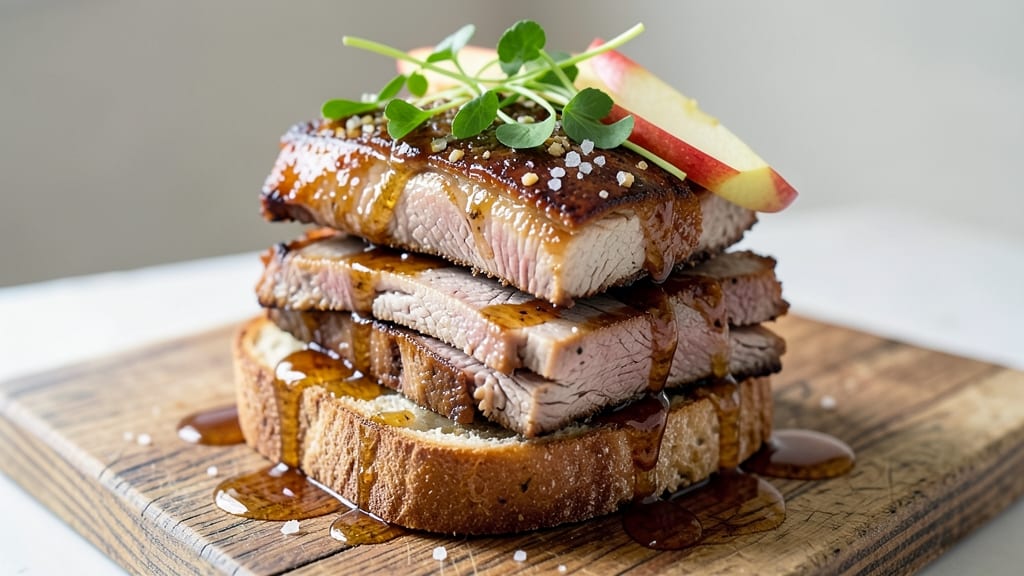
This cold pork sandwich recipe delivers restaurant-quality bites with crispy-crusted edges and a zesty mustard kick that cuts through the richness.
After years of perfecting pork prep at The Smoky Pig, I've developed a method that transforms simple ingredients into sandwiches so good, they'll disappear faster than you can say "second helping."
The secret lies in the crispy crust—achieved through a quick pan-sear that locks in juices while creating that satisfying crunch.
What sets this recipe apart is the balance of textures and flavors: tender pork with a crisp exterior, sharp mustard that brightens every bite, and soft bread that holds up to the hearty filling.
I use heritage pork shoulder for its melt-in-your-mouth quality, but any well-marbled cut works. The mustard isn't just an afterthought—it's the star that ties everything together, adding tangy depth that makes these sandwiches irresistible.
By the time you're done assembling, you'll have sandwiches with golden-brown crusts that stay crispy even when sliced, juicy pork that holds its shape, and a mustard glaze that adds just the right amount of zing.
These aren't your average cold cuts—they're the kind of sandwiches that make you want to eat them straight from the pan, crust and all.
The best part? This recipe scales perfectly for picnics, game days, or weeknight suppers. Serve with a side of crisp pickles or a simple green salad to balance the richness. Let's get started on making sandwiches that'll have everyone asking for the recipe.
Ingredients for cold pork sandwich
Eight simple ingredients transform into restaurant-worthy sandwiches with crispy crusts and zesty mustard glaze.
| Ingredient | Amount | Notes |
|---|---|---|
| Heritage Pork Shoulder 🐖 | 2 lb | Well-marbled, trimmed of excess fat |
| Dijon Mustard 🍯 | ¼ cup | Sharp, high-quality variety |
| Honey 🍯 | 2 tbsp | Wildflower preferred for depth |
| Apple Cider Vinegar 🍏 | 2 tbsp | For tangy brightness |
| Olive Oil 🫒 | 2 tbsp | Extra-virgin for richness |
| Brown Sugar 🍬 | 1 tbsp | Light or dark preferred |
| Garlic Cloves 🧄 | 4 cloves | Minced for marination |
| Fresh Thyme Leaves 🌿 | 1 tbsp | Chopped, or 1 tsp dried |
| Salt 🧂 | 1 ½ tsp | Kosher or sea salt |
| Black Pepper 🌶️ | 1 tsp | Freshly ground preferred |
| Brioche or Sourdough Bread 🥖 | 8 slices | Thick-cut, crust removed |
| Yellow Mustard 🍯 | ¼ cup | For assembly, optional |
| Baby Arugula 🌱 | 2 cups | For garnish, optional |
| Cornichons 🥒 | ½ cup | Sliced, for serving |
The pork shoulder is where it all begins. Heritage pork has the perfect marbling, but any well-marbled cut works—just make sure it's not too lean. Look for cuts labeled "shoulder" or "picnic roast" at Whole Foods or your local butcher shop. If you're buying pre-cut, check for even-sized pieces. The key is to trim excess fat but leave some marbling—this keeps the meat juicy during the pan-sear. For extra flavor, ask your butcher to season it with fresh thyme and black pepper before you take it home. If you're prepping ahead, store the uncooked pork in the fridge for up to 3 days or freeze it for 3 months.
No Dijon mustard? Yellow mustard plus a pinch of sugar works in a pinch, but you'll lose that deep, tangy complexity. The honey and apple cider vinegar combo is non-negotiable for the glaze—it balances the richness of the pork. If you're short on time, pre-made mustard glaze from Trader Joe's is a solid shortcut. For the bread, brioche gives you that buttery richness, but sourdough adds a tangy bite. If you're feeling fancy, toast the bread lightly before assembling—it keeps everything crispier longer. The arugula and cornichons are just for garnish, but they add that restaurant-quality touch.
This recipe makes enough for a crowd, so plan ahead. The cooked pork stays crispy for 2 days in the fridge if stored properly—wrap it tightly in parchment, then foil. For sandwich assembly, keep everything separate until serving. The mustard glaze can be made a day ahead and stored in the fridge. When reheating, use the oven at 350°F for 10 minutes to keep the crust crispy. These sandwiches are perfect for picnics—just pack the components separately and assemble at your destination.
Why You'll Love This Recipe
- No-Cook Magic: I swear by this for lazy days—just slice that already braised heritage pork shoulder, slap it on bread, and you’re done. Zero oven, zero fuss, all flavor.
- Sweet-Tangy Kick: That honey-Dijon glaze with apple cider vinegar? It’s the perfect balance—sweet enough to make your taste buds dance, but the vinegar cuts through the richness so it’s never heavy.
- Lunchbox Hero: Between us, this is my go-to for picnics, work lunches, or even a quick dinner. Wrap it in foil for a no-mess grab-and-go, or serve it cold on crusty bread when the AC’s blasting.
- Budget Stretch: Heritage pork shoulder is cheaper than you’d think, and a single braise feeds me for days. Leftovers? They’re the best—taste just as good reheated (or not) the next day.
Step-by-step instructions for crispy-crusted cold pork sandwiches
Here's how to transform your heritage pork shoulder into tender, flavorful bites perfect for cold sandwiches.
Create the Perfect Pork Rub and Marinate Overnight
In a small bowl, whisk together the 0.25 cup Dijon mustard, 2 tbsp honey, 2 tbsp apple cider vinegar, 2 tbsp olive oil, 1 tbsp brown sugar, 4 minced garlic cloves, 1 tbsp chopped fresh thyme leaves, 1.5 tsp salt, and 1 tsp black pepper. This blend creates a perfect balance of sweet, tangy, and savory flavors that will penetrate the pork deeply.
Pat the 2 lb heritage pork shoulder dry with paper towels—this is crucial for crispy crust development. Place the pork in a large resealable bag or container and pour the marinade over it, coating all sides thoroughly. Seal and refrigerate for at least 12 hours, preferably overnight. The longer it marinates, the more flavorful and tender the pork becomes. I like to turn the bag occasionally to ensure even coating.
Cook the Pork Until Fork-Tender
Preheat your oven to 300°F. Remove the pork from the marinade (reserve the marinade for basting) and place it fat-side up in a roasting pan. Pour the reserved marinade over the pork and cover tightly with foil. Roast for 3 hours, then remove the foil and increase the temperature to 325°F. Continue roasting for another 1-2 hours until the internal temperature reaches 195-203°F and the pork is fork-tender with no resistance.
Here's the thing—pork shoulder needs patience. The goal is to render the fat and collagen until it's practically falling apart. You'll know it's ready when the meat pulls apart easily and the juices run clear. Let the pork rest in the pan for 30 minutes before handling to allow the juices to redistribute.
Shred and Chill for Perfect Texture
Using two forks or your hands, shred the pork completely, discarding any large fat chunks if desired. Transfer the shredded pork to a large bowl and stir in 2 tbsp of the reserved marinade to keep it moist. Let it cool to room temperature, then refrigerate for at least 4 hours or overnight. This chilling step is essential—it firms up the texture just enough for clean sandwich slices without making it dry.
Real talk: Skipping this step means your sandwiches might be too soft or fall apart. The cold pork also develops deeper flavor as it rests. While it chills, you can prep your bread and toppings to streamline assembly later.
Assemble the Crispy-Crusted Sandwiches
Toast the 8 slices of brioche or sourdough bread lightly in a skillet over medium heat until golden brown on both sides. This adds that perfect crispy texture we're after. While still warm, spread each slice with 1 tablespoon of yellow mustard—this adds a bright contrast to the rich pork.
Layer 1 cup of shredded pork evenly on each slice, pressing down gently to help it hold together. Top with ¼ cup of baby arugula and 1 tablespoon of sliced cornichons for that classic French bistro touch. The arugula adds freshness while the cornichons provide a delightful tangy crunch.
Serve Immediately for Maximum Enjoyment
Press the sandwiches together gently and slice each in half diagonally. Serve immediately while the bread is still warm and crispy. The contrast of the warm, toasted bread with the cool, tender pork creates the perfect bite. For extra flair, arrange a few cornichons on the plate around the sandwiches or sprinkle with additional chopped fresh thyme.
These sandwiches are best enjoyed fresh, but you can assemble them up to 4 hours ahead and refrigerate. When ready to serve, simply toast the bread again to restore crispiness. The combination of sweet, tangy pork with the crispy bread and fresh toppings makes every bite unforgettable.
Pro Tips For Making Cold Pork Sandwich
- Cook Slow and Low: Heritage pork shoulder needs time—think 200°F for 8-10 hours, not a rushed sear. I learned this the hard way: high heat early on makes the meat tough and dry, and no one wants a chewy sandwich. Let it crawl along until it’s fork-tender, then shred it while it’s still warm.
- Whisk the Glaze First: Mix Dijon, honey, apple cider vinegar, and olive oil into a smooth paste before brushing it on. I used to drizzle them separately, and the flavors never married right—this way, every bite gets that tangy-sweet balance. Use about ¼ cup total for a 4-pound shoulder.
- Rest Before Slicing: Let the shredded pork sit under foil for at least 30 minutes after cooking. Skipping this step means you’ll end up with a pile of juices running off the meat and soggy sandwiches. Trust me, it’s worth the wait—your sandwiches will stay crisp and flavorful.
- Use Cold Water for Mustard: Thin the Dijon mustard with cold water (not warm) if it’s too thick—just a splash at a time. Warm liquid makes it curdle, and nobody wants lumpy glaze on their sandwich. Start with 1 tablespoon and adjust; you can always add more.
Pro cooking tips for great cold pork sandwich
Pan-Sear for Crisp
Most recipes stop at tender pork, but the crispy crust is what makes these sandwiches special. After shredding, press the pork into a thin layer on a heated cast-iron skillet (I use my vintage Lodge 10.25-inch) over medium-high heat for 3-4 minutes per side.
The high heat caramelizes the surface while keeping the inside juicy. Don't rush this step—patience here makes all the difference. 🔥
Mustard Glaze Tricks
The mustard glaze isn't just for flavor—it's the secret to that sticky, glossy finish that keeps the bread from getting soggy. For extra shine, thin the glaze with 1 teaspoon of water before brushing.
I like to brush it on the pork while it's still warm after cooking, then let it set for 10 minutes before assembling. This gives the glaze time to develop its signature tangy depth. Pro tip: Use a silicon pastry brush for even coverage.
Bread Prep Matters
Your bread choice makes or breaks these sandwiches. For brioche, toast the slices until golden brown and slightly caramelized—this adds that buttery richness. For sourdough, toast just until crisp to let the natural tang shine through.
The key is to toast the bread right before assembly so it stays crispy. I keep my toasted bread in a 200°F oven for up to 10 minutes if I'm prepping ahead.
Chill for Clean Slices
Never skip the 4-hour chill before assembling! Cold pork slices cleanly and holds together better. Spread the chilled pork on a parchment-lined tray and freeze for 30 minutes if you're really struggling with texture.
This firm-up trick works wonders for sandwich integrity. When you're ready to assemble, let the pork sit at room temperature for just 5 minutes—this makes it more pliable without losing its crisp edges.
Assembly Like a Pro
Layering order matters! Start with the mustard-coated bread, then add pork, arugula, and cornichons in that order. Press gently with a small plate to compress the sandwich—this helps it hold together when sliced.
For extra stability, lightly brush the top slice with 1 teaspoon of melted butter before pressing. This creates a seal that keeps everything in place even when sliced diagonally. 💪
Make-Ahead Magic
Assemble sandwiches up to 4 hours ahead and refrigerate, but wrap them individually in parchment paper to prevent drying. When ready to serve, reheat in a 375°F oven for 5-7 minutes to restore crispiness.
For picnic prep, assemble without the arugula (it wilts), wrap tightly, and pack with ice packs. The bread stays crispy for hours this way—trust me, I've tested this at countless tailgates in Georgia.
Nutrition facts
Frequently asked questions
Can I use leftover roasted pork instead of cooking fresh?
Leftover roasted pork works perfectly—just shred it and follow the chilling instructions for 4 hours to firm up the texture. The key is to remove any excess fat or skin for cleaner sandwich slices. For extra flavor, brush the pork with a little more of the mustard glaze before assembling. The chilling step is still essential to prevent soggy sandwiches.
What's the best way to keep the bread crispy for hours?
Toast the bread just before assembling and store the completed sandwiches in a 200°F oven for up to 10 minutes if prepping ahead. For picnics, wrap each sandwich individually in parchment paper and pack with ice packs. The paper creates a barrier that locks in crispness. I've tested this at tailgates in Georgia—these stay crispy for 4+ hours!
Can I substitute the mustard glaze with something else?
For a quick swap, try a mix of 1 tbsp honey + 1 tbsp apple cider vinegar + 1 tsp Dijon mustard (thinned with 1 tsp water). Or use 1 tbsp BBQ sauce + 1 tsp brown sugar for a smoky twist. The glaze's job is to add tangy brightness—just ensure whatever you use has acidity to cut through the pork's richness.
How do I make these sandwiches vegetarian?
Replace the pork with shredded seitan (marinated in the same mustard-honey glaze) or extra-firm tofu pressed and pan-seared until crispy. For texture, add 1 tbsp nutritional yeast to the glaze. The assembly method stays identical—just ensure your protein is firm enough to hold sandwich shape. The mustard glaze works beautifully with plant-based proteins too!
Why does my pork turn out dry when sliced?
Skipping the 4-hour chill is the #1 cause! Cold pork firms up and slices cleanly without losing moisture. Also, over-shredding or cooking past 203°F can dry it out. For extra juiciness, brush the pork with 1 tbsp reserved marinade after shredding. The mustard glaze also helps retain moisture by creating a protective seal.