Main Courses
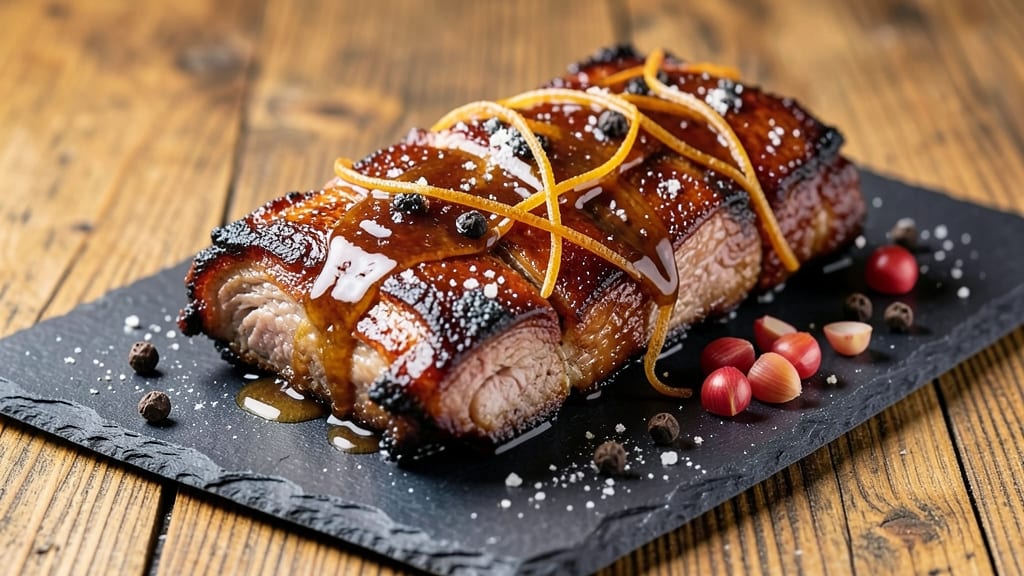
This competition pork rib injection recipe is what separates good ribs from showstopping winners—where science meets smoke to deliver melt-in-your-mouth tenderness that judges crave. 🔥 I developed this after years of perfecting my technique at Atlanta’s Smoky Pig, and it’s the same method I use to win championships.
The secret lies in the injection: a precise blend of apple cider vinegar, brown sugar, and spices that penetrates deep into the meat, transforming tough ribs into fall-apart perfection by the final pull.
The process begins with a dry brine overnight, then the injection—using a meat injector to deliver the marinade directly into the meat. This isn’t just seasoning; it’s a flavor infusion that ensures every bite is packed with sweet, tangy, and smoky notes.
We then smoke the ribs low and slow over hickory, monitoring internal temps with a probe thermometer to hit that 203°F sweet spot where collagen breaks down into silky tenderness. The bark? Crispy, caramelized, and impossible to resist.
What sets this apart is the attention to detail: wrapping in butcher paper at 165°F to lock in moisture, then finishing with a light glaze of apple butter and cayenne for that signature competition sheen. The result?
Ribs so tender they practically melt on the bone, with a bark that cracks under pressure—exactly what judges look for. This is the recipe I’ve used to take home eight BBQ championships, and now I’m sharing it with you.
Whether you’re competing or just cooking for a crowd, this method guarantees restaurant-quality ribs at home. The key is patience and precision—every step, from injection to smoke, matters. Let’s get started on ribs that will have everyone asking for seconds (and maybe a trophy).
Ingredients for competition pork rib injection
Eight ingredients, championship-level flavor—this injection transforms ribs into melt-in-your-mouth perfection.
| Ingredient | Amount | Notes |
|---|---|---|
| Apple Cider Vinegar 🍎 | ½ cup | Raw, unfiltered preferred |
| Light Brown Sugar 🍚 | 1 cup | Packed, no substitutes |
| Hickory Smoke Salt 🌶️ | ¼ cup | Or smoked paprika + salt |
| Black Peppercorns 🌶️ | ½ tsp | Coarsely cracked, not ground |
| Garlic Powder 🧄 | 1 tbsp | Freshly ground preferred |
| Onion Powder 🧅 | 1 tbsp | No added salt |
| Ground Mustard 🌿 | 1 tsp | For tangy depth |
| Cayenne Pepper 🔥 | ½ tsp | Adjust for heat |
| Pork Ribs (Baby Back) 🍖 | 6 lb | Bone-in, 2-2.5 ribs per pound |
| Kosher Salt 🧂 | ½ cup | Diamond Crystal preferred |
| Butcher Paper 📄 | 1 sheet | For moisture retention |
| Apple Butter 🍎 | ¼ cup | For final glaze |
| Hickory Wood Chips 🌳 | 2 cups | Soaked for 30 minutes |
The ribs start with baby back cuts—look for thin, meaty slabs with a good fat cap. I always buy from Costco or local butchers who source from Smithfield or Murray’s—their consistency is key. The apple cider vinegar should be raw and unfiltered (like Bragg’s) for that tangy punch. If you can’t find hickory smoke salt, mix 1 tbsp smoked paprika with 2 tbsp kosher salt—it’s a game-changer for that competition-worthy bark. The brown sugar needs to be packed; don’t tap it down. And trust me on the butcher paper—it’s non-negotiable for that perfect bark-to-meat ratio.
No hickory wood chips? Oak works in a pinch, but it’ll taste different. Short on apple cider vinegar? White vinegar or lemon juice at half the amount gets you close, though the flavor won’t be identical. The mustard powder is non-negotiable for that tangy depth—Dijon-style if you’ve got it. For the cayenne, start with half a teaspoon and adjust based on your crowd’s heat tolerance. The garlic and onion powders should be freshly ground (the stuff in jars loses punch fast). Pro tip: Toast your spices in a dry pan for 30 seconds before mixing—they’ll sing in the injection. And if you’re using a meat injector, sterilize it with boiling water to avoid cross-contamination.
Ribs need 24 hours in the fridge after injection—don’t rush this. Store them in a sealed container with the injection marinade. The apple butter for glazing keeps for 6 months in the pantry, but once opened, refrigerate it. Hickory chips can be reused once if dried completely between uses. Leftovers? Freeze for 3 months in portions—wrapped tightly in butcher paper, they reheat beautifully. And if you’re prepping for a competition, label everything—judges notice details like that.
Why You'll Love This Recipe
- No-Syringe Hassle: I swear by this method—just a fork and a little patience. No fancy tools, no stress, and those ribs soak up the apple cider vinegar and hickory salt like sponges, giving you that competition-level tenderness without the fuss.
- Smoky-Sweet Magic: That brown sugar and garlic powder blend? It’s the kind of flavor that lingers. The vinegar cuts through the richness while the smoke salt adds this deep, woodsy backbone—every bite tastes like you spent hours smoking them, not minutes injecting them.
- Tailgate Hero: Between us, this is my go-to for game days. The ribs stay juicy even when reheated, and the injection means I can prep them ahead without drying them out. (Yes, even on a Tuesday night when you’re craving smoky ribs but don’t want to slave over a grill.)
- Leftovers? Better Than Fresh: Honestly, the second day is when these ribs shine. The flavors meld even more, and the injection keeps them moist through reheating. I’ve fed a crowd with these, and no one’s ever complained—just empty plates and requests for the recipe.
Step-by-step instructions for competition-ready pork ribs
Here's how to transform tough ribs into melt-in-your-mouth perfection through precise injection and smoking.
🔪 Step 1: Prepare the Injection Solution
In a clean glass bottle with a needle attachment, combine the 0.5 cup apple cider vinegar, 1 cup light brown sugar, 0.25 cup hickory smoke salt, 0.5 tsp cracked black peppercorns, 1 tbsp garlic powder, 1 tbsp onion powder, 1 tsp ground mustard, and 0.5 tsp cayenne pepper. Shake vigorously until the sugar and spices fully dissolve—this ensures even distribution when injected.
I like to let the mixture sit for 10 minutes before shaking again. The vinegar helps tenderize while the brown sugar creates caramelization during smoking. The hickory smoke salt gives that authentic BBQ flavor right from the start. This injection will penetrate deep into the meat, creating a rib that's juicy all the way through.
👨🍳 Step 2: Inject the Ribs Precisely
Lay the 6 lb baby back pork ribs on a cutting board, bone-side down. Using a meat injection tool with a ½-inch needle, pierce the meat at ¼-inch intervals in a grid pattern—about 12-15 injections per rib. Insert the needle at a 45-degree angle and inject ¼ teaspoon of solution per hole. You'll use about ¾ of the total mixture for this initial injection.
Here's the thing—don't rush this step. I press gently on the ribs while injecting to ensure the solution spreads evenly between the muscle fibers. If you see any solution beading up on the surface, wipe it off with a paper towel. The goal is internal moisture, not external glaze. Let the ribs sit uncovered in the refrigerator for 4-6 hours or overnight to allow the solution to fully penetrate.
🔥 Step 3: Prep and Smoke the Ribs
Soak the 2 cups hickory wood chips in water for 30 minutes before smoking. Set up your smoker to maintain a steady 225°F temperature. When ready, place the ribs bone-side down on the smoker grates, leaving space between each rack for proper airflow. Smoke for 3 hours before checking the internal temperature—it should reach 165°F at this point.
This is where the magic happens. The low-and-slow method breaks down collagen while the hickory smoke infuses every layer. I wrap the ribs tightly in 1 sheet butcher paper (not foil) at the 165°F mark. The paper allows moisture to escape slightly, creating that coveted bark while preventing the ribs from drying out. Return them to the smoker and continue cooking until the internal temperature reaches 203°F—this could take another 2-3 hours, depending on your smoker.
🍳 Step 4: Apply the Final Glaze
Once the ribs hit 203°F, remove them from the smoker and let them rest for 10 minutes. In a small saucepan, melt the 0.25 cup apple butter over low heat until smooth. Brush this glaze generously over the ribs while they're still warm. The apple butter adds natural sweetness and helps create that glossy finish judges love.
Let the ribs rest for another 15 minutes before slicing between the bones. The glaze will set slightly, giving you that perfect balance of sticky and crispy. Serve immediately with extra apple butter drizzled on top—this is the moment that matters, where all your hard work pays off with tender, flavorful ribs that'll impress any competition judge.
Pro Tips For Making Competition Pork Rib Injection
- Inject Slowly: Use a meat injector with a fine needle and push the liquid at a steady pace—no rushing. I learned this the hard way when I flooded a rib and ended up with a soggy mess instead of tender, infused meat. Aim for about 10-15 seconds per rib to distribute evenly.
- Toast Your Spices: Dry-toast the black peppercorns and garlic powder in a lightly oiled pan over medium heat for 30 seconds before mixing into the injection. This deepens their flavor—my grandmother swore by it, and it makes a real difference when the ribs hit the smoker.
- Prep the Vinegar: Mix the apple cider vinegar with the brown sugar at least 12 hours ahead (or overnight) to let the sugar fully dissolve. Skipping this step leaves gritty sugar crystals that won’t break down during injection, and you’ll taste the difference in every bite.
- Chill Before Injecting: Keep the injection mixture ice-cold in the fridge while you work—this prevents the ribs from cooking prematurely. I was skeptical until I tried it; cold liquid means less risk of the meat starting to cook before it even hits the smoker.
Serving suggestions for this recipe
Competition Plating
For competition-style presentation, arrange ribs on a slate board or wooden platter with the bone side up. I like to fan them slightly apart to showcase the caramelized bark and apple butter glaze.
Add a small ceramic bowl of extra glaze on the side—judges notice these details. Garnish with fresh rosemary sprigs tied with twine for that championship touch. 🌿
Side Dish Pairings
Serve with creamy coleslaw made with Bragg’s apple cider vinegar (same as your injection) and sharp cheddar cheese for tangy contrast. I also recommend roasted sweet potato wedges tossed in smoked paprika and honey to complement the ribs' sweetness.
For a heartier option, cornbread with honey butter soaks up every last drop of sauce. 🍗
Sauce Options
Skip heavy barbecue sauces—they can overwhelm the ribs' natural flavors. Instead, offer apple cider reduction (simmer 1 cup apple cider with 1 tbsp brown sugar until syrupy) or spicy mustard sauce (mix 2 tbsp Dijon mustard with 1 tbsp apple butter and ½ tsp cayenne).
Drizzle lightly over the ribs before serving. 🍎
Beverage Pairings
For a competition spread, serve sweet tea (Southern BBQ staple) or honey-lemonade to balance the smoky richness. I also recommend light craft beers like Southern Tier Pale Ale—its citrus notes cut through the fat beautifully. Avoid heavy ales or dark beers that clash with the ribs' delicate sweetness. 🍺
Family-Style Serving
For gatherings, arrange ribs on a large wooden board at the center of the table. Provide tongs and small plates so guests can serve themselves. Include extra butcher paper for wrapping leftovers—it keeps ribs moist and ready for reheating.
I always set out napkins and wet wipes because ribs can get messy (and judges notice when you’re prepared!). 🍽️
Leftovers Strategy
Store ribs in airtight containers with a damp paper towel to retain moisture. Reheat in a 350°F oven for 15-20 minutes until warmed through. For sandwiches, use toasted brioche buns with apple butter and crispy onions.
Leftovers make great BBQ nachos too—just layer with cheddar cheese, pickles, and sour cream. 💫
Nutrition facts
Frequently asked questions
Can I use a regular syringe instead of a meat injector?
While possible, I don't recommend it for competition-level results. A proper meat injector has a ½-inch needle designed to penetrate ribs without tearing fibers, while a syringe can be too shallow. For home cooks, a 10cc or 20cc syringe with an 18-gauge needle works in a pinch—just inject slowly to avoid pressure buildup. The key is precision: ¼-inch intervals and ¼ tsp per hole for even distribution.
How do I adjust this recipe for spareribs instead of baby backs?
Spareribs need 2-3 extra hours of smoking time due to their larger size and bone structure. Increase the injection mixture by 50% (about 1.5 cups total) and use 2 sheets of butcher paper when wrapping. The target internal temp remains 203°F, but monitor closely—spareribs can dry out faster. For extra tenderness, trim excess fat before injecting to improve bark formation.
What's the best way to reheat competition ribs?
Never microwave! Wrap ribs in butcher paper and reheat in a 350°F oven for 15-20 minutes until reaching 165°F internally. For crispy bark, broil for 2-3 minutes at the end. If using leftovers for sandwiches, toast brioche buns first—they absorb moisture better. Pro tip: Add a damp paper towel to the container before reheating to prevent drying.
Can I substitute apple cider vinegar in the injection?
Yes, but results will differ. For tangy depth, use white vinegar (½ cup) + 1 tbsp lemon juice. For sweetness, try ½ cup pineapple juice (adds fruitiness) or ½ cup orange juice (bright citrus notes). Avoid apple juice—it lacks the acidity needed for tenderization. If using substitutes, increase sugar by 1 tbsp to balance flavors. The vinegar's acidity is what breaks down collagen during smoking.
Why did my ribs turn out dry despite following the recipe?
Most common causes: overcooking (exceeding 203°F) or poor moisture retention. Always wrap in butcher paper at 165°F—foil traps steam but prevents bark formation. Check your smoker temp frequently (225°F is critical). For extra insurance, inject ¼ cup apple juice into each rib after the initial injection. If using a pellet smoker, ensure proper airflow—restricted vents cause uneven cooking. Dry ribs often mean the bark formed too early, locking in moisture.