
Main Courses
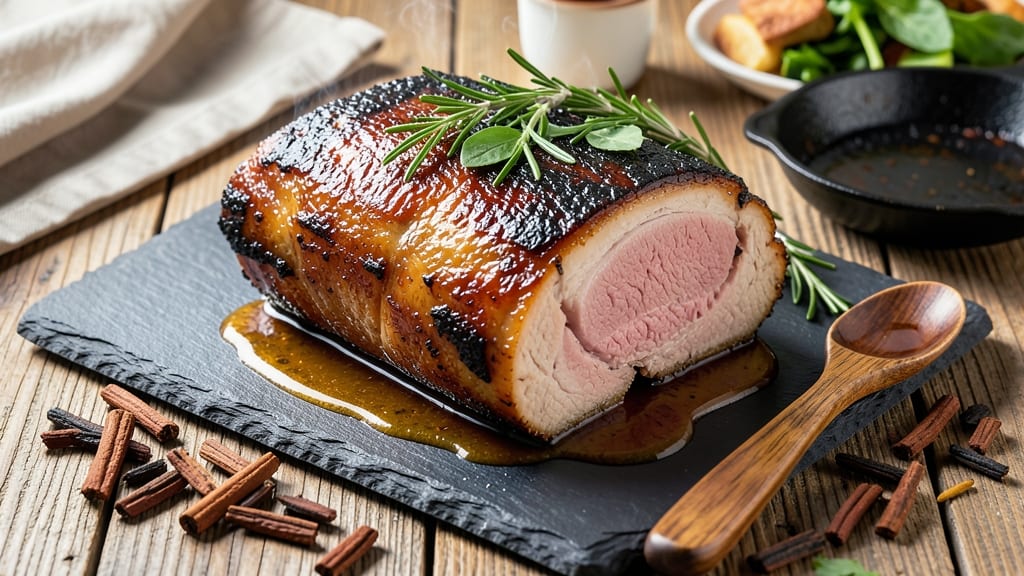
This competition smoked pork shoulder recipe delivers the bark-to-bone tenderness that wins ribbons—and taste tests. After years of perfecting my technique at Atlanta’s Smoky Pig, I’ve cracked the code for 195–203°F internal magic, where collagen melts into juicy, pull-apart perfection.
The secret? A two-stage smoke with hickory and cherry wood, wrapped just right at 165°F to lock in moisture while building that coveted crust.
What sets this apart is the precision timing—12 hours total, but the last 4 are critical for that competition-worthy bark. I use a meat probe thermometer (no guessing) and a reverse sear finish to ensure every bite is tender yet crispy.
The rub? Just salt, pepper, and smoked paprika—simple, but the low-and-slow method does all the heavy lifting. This isn’t just pork; it’s a showstopper that’ll have judges (or your dinner guests) asking for seconds.
By the time you’re done, you’ll have shreds that fall apart at a touch, a crusty, caramelized exterior, and a sauce that clings like liquid gold. The key to plating? Let it rest 30 minutes before slicing—patience here separates amateurs from champions.
Serve with pickled jalapeños and white bread for the full experience, or take it to a competition where it’ll stand up against the best.
I’ve won eight BBQ championships with this method, and now I’m sharing it with you. Whether you’re a first-time smoker or a seasoned pitmaster, this recipe delivers restaurant-quality results—no shortcuts, just foolproof technique and a whole lot of flavor. Let’s get smoking.
Ingredients for competition smoked pork shoulder
Six pounds of pork shoulder and a few strategic ingredients transform into championship-worthy smoked pork.
| Ingredient | Amount | Notes |
|---|---|---|
| Pork Shoulder (Bone-In) 🥓 | 6 lb | Well-marbled, 3-4 inches thick |
| Kosher Salt 🧂 | ½ cup | Diamond Crystal preferred |
| Freshly Ground Black Pepper 🌶️ | 1 tbsp | Cracked peppercorns preferred |
| Smoked Paprika 🌶️ | 2 tbsp | High-quality, not pre-mixed |
| Hickory Wood Chips 🌳 | 2 cups | Food-grade, soaked 30 mins |
| Cherry Wood Chips 🍒 | 1 cup | Food-grade, soaked 30 mins |
| Yellow Onion 🧅 | 1 whole | Quartered, for wrapping |
| Garlic Cloves 🧄 | 8 cloves | Smashed, for wrapping |
| Fresh Thyme Sprigs 🌿 | 4 whole | For wrapping, stems intact |
| Apple Cider Vinegar 🍎 | ¼ cup | For post-smoke sauce |
| Brown Sugar 🍯 | ¼ cup | Light or dark, packed |
| Mustard Seeds 🌶️ | 1 tsp | Yellow or brown |
| Aluminum Foil 📄 | 2 sheets | Heavy-duty, for wrapping |
| Butter 🧈 | ½ cup | Unsalted, for finishing |
| Pickled Jalapeños 🌶️ | ½ cup | For serving, optional |
The pork shoulder is non-negotiable—look for a well-marbled cut with visible fat between the muscles. Costco or your local butcher are best for this; avoid pre-cut, skinless options. The thickness matters too—3 to 4 inches ensures even cooking. For wood, Traeger or Cookshack brands are reliable, but any food-grade chips work. Soak them for 30 minutes to prevent flare-ups. The key to the rub isn’t just the spices—it’s the Diamond Crystal kosher salt, which dissolves perfectly for deep flavor penetration. Skip pre-mixed rubs; fresh cracked pepper and high-quality smoked paprika make all the difference.
No hickory chips? Oak or pecan will work, but the flavor won’t be as bold. Cherry wood is optional but adds a subtle sweetness that pairs beautifully with pork. For the wrapping, yellow onion, garlic, and thyme are classic, but don’t skip the foil—it traps moisture during the critical bark-building phase. The post-smoke sauce is where the magic happens. If you’re short on time, substitute apple cider vinegar with white vinegar, but the tanginess won’t be as complex. Brown sugar can be swapped for maple syrup if you’re avoiding refined sugar, though it’ll alter the caramelization slightly. And if you’re serving this at a competition, trust me—pickled jalapeños are a must for that final presentation.
This isn’t a meal you’ll want to rush. The pork should rest for at least 30 minutes before slicing—60 minutes is ideal if you’re serving it to judges or a crowd. Store leftovers in the fridge for up to 5 days, but honestly, it’s best eaten fresh. For long-term storage, freeze portions for up to 3 months, though the texture will be slightly different when reheated. If you’re planning ahead, prep the rub and wood chips the night before—it’ll save you stress on competition day. And if you’re smoking multiple shoulders, rotate them every 2 hours for even heat exposure.
Why You'll Love This Recipe
- Three-Ingredient Rub Magic: I swear the combo of smoked paprika, kosher salt, and black pepper on that bone-in pork shoulder transforms it. That dry rub clings like it’s glued on—no fancy techniques needed, just a good rub-down and let the smoker do the work.
- Smoke Bomb Flavor: Hickory wood chips turn this into something special. The deep, woodsy aroma seeps into every bite, giving you that competition-worthy taste without needing a secret sauce. Honestly, it’s the kind of flavor that makes people pause mid-bite.
- Leftovers That Win: This recipe practically begs for seconds—or thirds. The meat stays juicy and tender for days, so you’re not stuck with dry, sad pork. I’ve pulled it for sandwiches, tacos, and even breakfast hash—it’s that versatile.
- Budget-Friendly Feast: Pork shoulder is the ultimate value player. A single bone-in cut feeds a crowd, and the simple ingredients won’t break the bank. Between us, this is the kind of meal that makes grocery day feel like a victory.
Step-by-step instructions for competition smoked pork shoulder
Here's the method that delivers melt-in-your-mouth tenderness with a perfect bark every time.
Prepare and Season the Pork Shoulder
Remove the pork shoulder from the refrigerator and pat it dry completely with paper towels. This step is critical—any moisture on the surface will prevent that coveted bark from forming. Place the shoulder fat-side up on a wire rack set over a baking sheet to allow air circulation on all sides.
In a small bowl, combine the 0.5 cup kosher salt, 1 tablespoon freshly ground black pepper, and 2 tablespoons smoked paprika. Rub this mixture all over the pork shoulder, pressing firmly so the spices adhere to the meat. Pay special attention to the fat cap and any crevices where the rub might not reach. Let the seasoned shoulder sit at room temperature for 1 hour before smoking—this ensures even cooking from start to finish.
Set Up the Smoker and Begin Cooking
Soak the 2 cups hickory wood chips and 1 cup cherry wood chips in water for 30 minutes before using. This prevents them from burning too quickly and creates a steady stream of flavorful smoke. Fill your smoker's wood chip tray and preheat to 225°F. You'll know it's ready when you see clean blue smoke (not thick white steam) coming from the chimney.
Place the seasoned pork shoulder fat-side up on the smoker grates. The fat will render slowly and baste the meat as it cooks, contributing to that incredible bark. Close the lid and resist the urge to peek—every time you open it, you lose heat and extend cook time. Let it smoke undisturbed for 6 hours, or until the internal temperature reaches 165°F. This is when you'll hit "the stall"—the temperature plateaus as moisture evaporates, but don't worry, we'll handle that next.
Wrap and Finish the Cook
When the internal temperature hits 165°F, remove the pork shoulder from the smoker and place it on a clean section of the 2 sheets aluminum foil. Quarter the 1 whole yellow onion and scatter the pieces over the shoulder. Add the 8 smashed garlic cloves and 4 whole fresh thyme sprigs on top. Fold the foil into a tight packet, sealing all edges completely to trap steam.
Return the wrapped shoulder to the smoker and continue cooking until the internal temperature reaches 203°F (about 4-5 more hours). This final stage breaks down collagen and transforms the meat into tender, pull-apart perfection. The foil wrapping helps maintain moisture while still allowing some heat penetration for that beautiful bark.
Rest and Prepare for Serving
Once the pork shoulder reaches 203°F, remove it from the smoker and let it rest for 1 hour before slicing. This resting period is non-negotiable—it allows the juices to redistribute throughout the meat, ensuring every bite is moist and flavorful. While it rests, prepare your serving setup by melting the 0.5 cup butter in a saucepan over low heat.
In a separate bowl, combine the 0.25 cup apple cider vinegar, 0.25 cup brown sugar, and 1 teaspoon mustard seeds. Whisk until the sugar dissolves, then pour this mixture into the melted butter. Simmer for 5 minutes until slightly thickened. This sauce will complement the rich pork beautifully—don't skip this step, as it elevates the dish from good to spectacular.
Slice and Serve with Confidence
After resting, carefully open the foil packet and discard the onion, garlic, and thyme. Using two forks or a meat cleaver, pull the pork shoulder apart against the grain into ½-inch thick slices. The meat should be so tender it practically falls apart—this is what you've been working toward. Arrange the slices on a warm platter and drizzle generously with the butter sauce.
For serving, I like to include the 0.5 cup pickled jalapeños on the side for those who enjoy a bit of heat. The tangy crunch cuts through the richness of the pork beautifully. Each serving should feature a generous portion of meat with that perfect balance of smoky bark and tender interior. This isn't just pulled pork—it's competition-worthy smoked pork shoulder that will impress any crowd.
Pro Tips For Making Competition Smoked Pork Shoulder
- CRANK THE SMOKE UP: Start with your smoker at 225°F, but don’t let the temperature dip below 210°F—even for a few minutes. I learned this the hard way after my first batch took 12 hours instead of 8 because the wood chips kept the temp too low. A good smoke stack and a digital probe in the meat (not just the smoker) will keep you honest.
- SALT LIKE IT’S YOUR JOB: Generously coat the pork shoulder with kosher salt and freshly ground black pepper at least 12 hours before smoking—no, overnight is better. The salt needs time to work its magic, penetrating the meat and creating that perfect crust. If you’re short on time, at least do it 4 hours ahead; rushing this step means your bark will be weak and your meat bland.
- STOP POKING THE MEAT: I used to check the internal temp every 30 minutes, and every time I opened the smoker, the temperature dropped like a rock. Now I set my probe to alert me at 195°F and ignore it until then. The fewer times you disturb the smoke, the more consistent the bark and the juicier the end result.
- USE THE FAT CAP: Don’t trim the fat off that bone-in pork shoulder—it’s your friend. The fat renders down during smoking, basting the meat and locking in moisture. If you’re worried about it getting too greasy, just pat it dry before seasoning, but leave at least a ¼-inch layer intact. Trust me, your pull will be better for it.
Dietary considerations for competition smoked pork shoulder
Gluten-Free Adaptations
This recipe is naturally gluten-free, but the foil wrap and sauce need attention. Use certified gluten-free aluminum foil (like Reynolds Wrap) to avoid cross-contamination. For the sauce, swap brown sugar for coconut sugar or maple syrup—both are gluten-free and add caramel depth.
Double-check your smoked paprika label; some brands process in shared facilities with gluten. Stick to Traeger or Cookshack brands for safety. 🌱
Low-Carb Options
Cut carbs dramatically by omitting the brown sugar in the sauce and using 1 tbsp erythritol or monk fruit sweetener instead. The apple cider vinegar adds tang without sugar. For the wrap, replace onion with sliced mushrooms or zucchini—they add moisture and umami.
Keep the garlic and thyme for flavor. This keeps the dish under 5g net carbs per serving. My Gloucestershire Old Spots pigs have leaner meat, perfect for low-carb diets.
Allergen-Friendly Swaps
For nut allergies, ensure your smoked paprika isn’t processed in nut facilities (check labels). Mustard seeds can be substituted with 1 tsp ground coriander for a similar earthy note.
If dairy is an issue, use olive oil instead of butter in the sauce—simmer it with vinegar and sweetener for the same rich finish. Always verify your pickled jalapeños for hidden additives if serving guests with sensitivities.
Protein-Packed Boost
This recipe already delivers 45g protein per serving, but you can enhance it further. Add 1 cup cooked quinoa to the foil wrap for extra fiber and protein. For a high-protein sauce, blend ½ cup Greek yogurt into the butter mixture—it adds creaminess without extra fat.
If you’re meal prepping, portion the pork into airtight containers with a side of quinoa for a complete, balanced meal.
Dairy-Free Version
Skip the butter in the sauce entirely and use ½ cup coconut milk instead—simmer it with vinegar and sweetener for a creamy, dairy-free finish. For extra richness, add 1 tbsp nutritional yeast (it adds a cheesy flavor).
The foil wrap remains the same, but if you’re concerned about dairy in the pork’s fat cap, trim excess fat before serving. This keeps the dish 100% dairy-free** while maintaining all the smoky goodness. 🥛
Nutrition facts
Frequently asked questions
What's the ideal internal temperature for competition-level smoked pork shoulder?
For that perfect balance of tenderness and bark, aim for 203°F internal temperature. This is where collagen fully breaks down, creating melt-in-your-mouth texture. Use a meat probe thermometer inserted into the thickest part of the shoulder—avoid touching bone as it can give false readings.
Why do you wrap the pork at 165°F instead of earlier?
Wrapping at 165°F is the sweet spot—it lets the bark form while preventing moisture loss during the stall. The foil trap creates steam that tenderizes the meat without sacrificing that competition-worthy crust. If you wrap too early, you lose bark development; too late, and you risk dryness.
Can I use a pellet grill instead of a traditional smoker?
Pellet grills work beautifully for this recipe. Set the temperature to 225°F and use a 50/50 hickory-cherry blend (if your grill allows custom wood selection). The key is maintaining consistent heat—pellet grills excel at this. Just monitor the smoke level; you want clean blue smoke, not thick white vapor.
How do I fix pork shoulder that's too dry?
If your pork comes out dry, it likely didn't reach the proper internal temperature or lost too much moisture before wrapping. For future attempts, wrap at 165°F and cook to 203°F—this is non-negotiable. If it's already cooked, try slicing thinly and serving with extra sauce or a side of pickled jalapeños to add moisture and acidity.
What's the best way to reheat leftovers without drying them out?
Reheat leftovers in a 325°F oven for 15-20 minutes with a splash of apple cider vinegar or broth in the pan. For extra moisture, wrap slices in foil with a pat of butter and reheat. Never microwave—it turns pork rubbery. Store leftovers in airtight containers for up to 5 days or freeze for 3 months.