
Main Courses
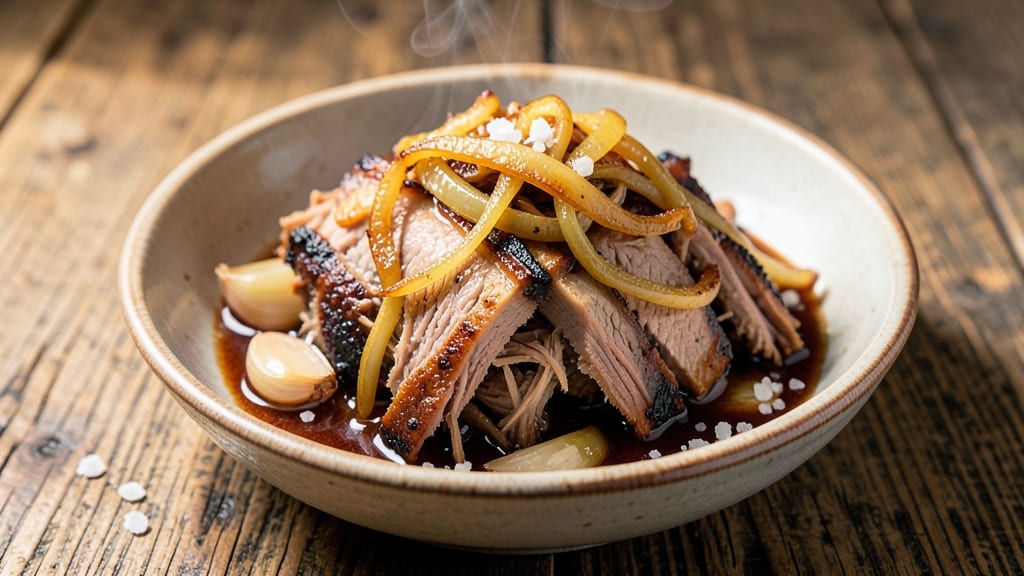
A cooking pulled pork recipe transforms tough pork shoulder into melt-in-your-mouth perfection with just time and patience. This recipe delivers that signature smoky bark and tender texture that makes every bite irresistible. I've perfected this method over years of competing in BBQ championships, ensuring foolproof results even for beginners.
The secret lies in low-and-slow cooking at precise temperatures, allowing collagen to break down into rich, flavorful juices that keep the meat moist. We'll use a simple dry rub for that coveted bark, then finish with a tangy sauce that ties everything together.
What you'll end up with is restaurant-quality pulled pork that's perfect for sandwiches, tacos, or serving as a main course.
With just a few hours of hands-off cooking, you'll have pulled pork that falls apart at the touch of a fork. The key is maintaining consistent heat and letting the meat rest properly before shredding. This isn't just a recipe—it's a technique that will elevate your BBQ game forever.
Whether you're feeding a crowd or meal prepping for the week, this method delivers consistent results. The beauty of pulled pork is its versatility—serve it on buns with coleslaw, in tacos with pickled onions, or even as a hearty bowl with cornbread.
Let's get started on creating your best pulled pork yet.
Ingredients for cooking pulled pork
Eight simple ingredients transform tough pork into melt-in-your-mouth perfection with smoky bark and tender magic.
| Ingredient | Amount | Notes |
|---|---|---|
| Pork Shoulder (Boston Butt) 🍖 | 6 lb | Bone-in for best flavor, trimmed of excess fat |
| Yellow Onion 🧅 | 1 whole | Large, yellow variety, sliced into wedges |
| Garlic Cloves 🧄 | 8 cloves | Fresh, peeled, smashed for intense flavor |
| Brown Sugar 🍚 | ½ cup | Light or dark, packed firmly |
| Smoked Paprika 🌶️ | 2 tbsp | High-quality, not sweet paprika |
| Kosher Salt 🧂 | 2 tbsp | Diamond Crystal preferred, coarse grain |
| Ground Black Pepper 🌶️ | 1 tbsp | Freshly cracked for maximum flavor |
| Ground Cumin 🌿 | 1 tbsp | Toasted for deeper aroma |
| Apple Cider Vinegar 🍎 | ¼ cup | Bragg or organic for tangy finish |
| Worcestershire Sauce 🍶 | 2 tbsp | Vegan version if needed |
| Honey 🍯 | ¼ cup | Wildflower preferred for floral notes |
| Yellow Mustard 🥬 | 2 tbsp | Dijon-style for extra depth |
| Vegetable Oil 🫒 | 2 tbsp | For searing, high smoke point |
The pork shoulder is your star—bone-in, 6 lbs minimum for that championship-level texture. Costco or local butchers usually carry it pre-cut, but if buying whole, ask for the Boston butt section. Look for good marbling; it's what keeps the meat juicy during hours of cooking. Trim any hard fat caps but leave the rest—it renders down into flavor. For the rub, Penzeys or bulk bins are your best bet for fresh, potent spices. Toast your cumin seeds in a dry pan for 30 seconds before grinding—game-changer for aroma.
No smoked paprika? Substitute 1 tbsp regular paprika plus 1 tsp liquid smoke—just don't tell anyone. Running low on apple cider vinegar? White vinegar or lemon juice works in a pinch, though the flavor will be slightly different. The honey can be swapped for maple syrup if you're avoiding it, but trust me, the floral notes are worth it. For the vinegar-based sauce, reduce it by half if you prefer a thicker consistency. And if you're short on time, pre-mix the dry rub in a jar—it'll keep for months in your pantry.
This sauce reheats beautifully—simmer it again for 5 minutes to bring back its glossy finish. Store it in glass jars in the fridge for up to 2 weeks or freeze for 6 months. The dry rub? Keep it in an airtight container in a cool, dark place. I always make double batches of both—one for immediate use, one to stash for next time. The pork itself? Rest it uncovered in the fridge overnight before shredding—this is non-negotiable for that perfect texture.
Why You'll Love This Recipe
- Sweet-Smoky Magic: That caramelized brown sugar and smoked paprika combo? It’s the kind of flavor that makes people pause mid-bite. The onions add depth, but the real star is how the pork absorbs the rub into something that’s ridiculously good straight from the pan.
- Leftovers That Work: Between us, this recipe makes way more than you’ll eat in one sitting—and that’s a good thing. Tacos, sandwiches, nachos, or even fried rice? I’ve repurposed this pulled pork for days without getting tired of it. (Yes, even on a Tuesday night.)
- Budget-Friendly Feast: A big cut of pork shoulder stretches across multiple meals without breaking the bank, and the ingredients? Basic stuff you already have. I’ll be real: this is my go-to for feeding a crowd without stressing over grocery costs or last-minute takeout runs.
Step-by-step instructions for smoky pulled pork
Here's how to transform that pork shoulder into fall-apart tender, bark-crusted perfection.
Prepare the Pork Shoulder
Start by trimming any excess fat from the 6 lb pork shoulder (Boston Butt), leaving about ¼-inch fat cap for flavor and moisture protection. Pat the meat completely dry with paper towels—this is crucial for that crispy bark. Place the pork in a large roasting pan or Dutch oven and rub it generously with 2 tbsp vegetable oil on all sides. This helps the rub stick and creates a better sear.
In a small bowl, combine 2 tbsp kosher salt, 1 tbsp ground black pepper, 1 tbsp ground cumin, and 2 tbsp smoked paprika. Rub this mixture all over the pork, pressing firmly so it adheres well. Let it sit at room temperature for 30 minutes while you prep the rest of your ingredients. This resting time ensures even cooking and better flavor penetration.
Sear the Pork for Maximum Flavor
Preheat your oven to 275°F—low and slow is key for pulled pork. Heat a large oven-safe skillet over medium-high heat and add the pork shoulder fat-side down. Sear for 5-7 minutes until the fat renders and the skin starts to turn golden brown. Flip and sear the other side for another 5 minutes. This step locks in juices and builds deep flavor through the Maillard reaction.
Transfer the seared pork to a baking dish or slow cooker. Here's where the magic happens: pour 0.25 cup apple cider vinegar and 2 tbsp Worcestershire sauce over the pork. These acidic ingredients help tenderize the meat and add tangy depth. Cover tightly with foil or a lid and place in the oven.
Cook Low and Slow Until Fork-Tender
Cook the pork for 6-8 hours at 275°F, checking occasionally. The meat is done when it reaches an internal temperature of 200-203°F and a fork slides in like butter. Real talk: don't rush this. The low temperature breaks down collagen into gelatin, creating that signature tender pull-apart texture.
Here's the thing—if you're using a slow cooker, transfer the pork after searing and cook on low for 8 hours or high for 5-6 hours. The key is patience. When the pork is tender, remove it from the oven or slow cooker and let it rest for 30 minutes before shredding. This resting period allows the juices to redistribute, preventing dryness.
Build the Sauce and Shred to Perfection
While the pork rests, prepare the sauce. In a saucepan, combine 0.5 cup brown sugar, 0.25 cup honey, 2 tbsp yellow mustard, and the 1 whole yellow onion (sliced into wedges). Add 8 smashed garlic cloves and cook over medium heat for 10 minutes, stirring occasionally, until the onion softens and the mixture thickens slightly. This creates a sweet, tangy glaze that clings beautifully to the pork.
Transfer the pork to a cutting board and shred it using two forks. Discard any large fat pieces or connective tissue. Return the shredded pork to the saucepan and stir well to coat. Let it simmer for 5-10 minutes to meld all the flavors together. The result should be moist, flavorful, and ready to serve—no dryness in sight.
Pro Tips For Making Cooking Pulled Pork
- Trim the Fat First: Slice off that thick fat cap on the pork shoulder before cooking—it’ll render into crispy, flavorful bits, but if left on, it’ll steam the meat instead of crisping. I learned this the hard way when my pulled pork came out soggy and bland.
- Don’t Rush the Low Heat: After searing, drop the heat to 225°F (107°C) and let that pork shoulder cook slow and steady for 6-8 hours. Rushing it to save time means tough, dry meat—no shortcut here will save you from that disappointment.
- Caramelize the Onions: Cook your yellow onions until they’re deep golden, almost jammy, before adding them back to the pork. Raw onions just add moisture and won’t give that sweet, deep flavor you want in every bite.
- Use a Meat Thermometer: Pull the pork at 203°F (95°C) internal temp—no guessing. I used to rely on time, and that led to either overcooked stringy meat or undercooked rubbery chunks. A thermometer makes this foolproof.
Best sauces and condiments for cooking pulled pork
Classic BBQ Sauce
My go-to BBQ sauce for pulled pork is a tangy-sweet blend inspired by my time in Charleston. Start with 1 cup ketchup, ¼ cup apple cider vinegar, ¼ cup brown sugar, 1 tbsp Worcestershire sauce, 1 tbsp smoked paprika, and 1 tsp garlic powder.
Simmer for 15 minutes to meld flavors, then brush generously over the pork during the last 30 minutes of cooking. This sauce cuts through the richness while enhancing the smoky bark. 🌶️
Creamy Vinegar Sauce
For a lighter option, I love a creamy vinegar sauce made with ½ cup sour cream, ¼ cup apple cider vinegar, 2 tbsp Dijon mustard, 1 tbsp honey, and 1 tsp onion powder.
Whisk together and toss with shredded pork after cooking. The tangy-sweet balance makes this perfect for tacos or bowls. I often serve it with pickled jalapeños for extra kick.
Spicy Chipotle Glaze
When I want heat, I make a chipotle glaze by blending ½ cup BBQ sauce, 2 chipotle peppers in adobo, 1 tbsp lime juice, and 1 tsp cumin. Simmer for 10 minutes, then brush over pork in the final hour.
The smoky heat from the chipotle pairs perfectly with the tender meat. For extra depth, add 1 tsp liquid smoke.
Honey-Mustard Finish
This is my secret weapon for restaurant-quality pulled pork. Mix ¼ cup honey, 2 tbsp Dijon mustard, 1 tbsp apple cider vinegar, and 1 tsp smoked paprika. Drizzle over shredded pork just before serving.
The honey adds gloss and sweetness, while the mustard keeps it balanced. I love this for pulled pork sandwiches or as a topping for baked beans. ✨
Smoky Maple Reduction
For a sophisticated twist, reduce ½ cup maple syrup, 2 tbsp apple cider vinegar, and 1 tsp smoked salt. Simmer until syrupy, then brush over pork in the last 20 minutes.
This works beautifully with a bourbon glaze—just add 1 tbsp bourbon. The caramelized maple creates a stunning bark while keeping the pork moist. Perfect for holiday gatherings.
Garlic-Herb Butter
Not a sauce, but a game-changer! Melt 4 tbsp butter, 3 minced garlic cloves, 1 tbsp fresh rosemary, and 1 tsp smoked paprika. Drizzle over pulled pork just before serving.
The herby richness elevates every bite without overpowering the smoky flavors. I use this for pulled pork tacos or as a finishing touch for a platter. 💛
Nutrition facts
Frequently asked questions
Can I use a pork shoulder smaller than 6 lbs?
For best results, stick with at least 5 lbs of pork shoulder. Smaller cuts may not yield enough meat after cooking and resting. If you must use less, consider doubling the recipe for future meals or serving as a side dish. The key is maintaining that 200-203°F internal temperature for proper collagen breakdown.
How do I know when the pork is fully cooked?
Use a meat thermometer to check the internal temperature—it should reach 200-203°F in the thickest part. The meat should also pull apart easily with two forks. If you're unsure, let it cook 15 more minutes and check again. Overcooking can make it dry, so patience is key!
Can I make pulled pork in a slow cooker instead of the oven? After searing, transfer the pork to your slow cooker with the apple cider vinegar and Worcestershire sauce. Cook on low for 8 hours or high for 5-6 hours. The slow cooker method is even more hands-off and delivers tender results. Just
What if my pulled pork turns out dry?
Dry pulled pork usually means it was overcooked or didn't rest properly. To fix it, shred the meat and immediately toss it with 2 tbsp apple cider vinegar and 1 tbsp honey. Let it sit for 10 minutes to reabsorb moisture. For next time, keep the internal temperature below 203°F and rest the meat for 30 minutes before shredding.
How long will cooked pulled pork keep in the fridge?
Store leftover pulled pork in an airtight container in the fridge for up to 4 days. For longer storage, freeze it for up to 3 months. Reheat gently in a saucepan with a splash of broth or water to prevent drying out. The sauce reheats beautifully—just warm it with the pork to keep flavors cohesive.