
Side Dishes
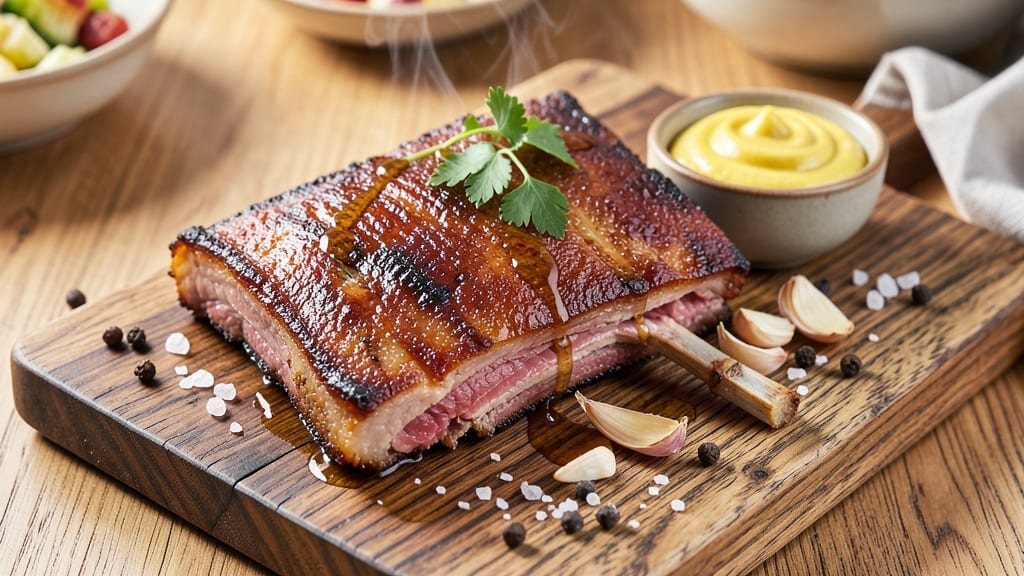
This corned pork spare ribs recipe delivers restaurant-quality results with a perfect balance of slow-braised bark and molten centers—the kind of dish that transforms a weeknight into a celebration. 🌟 I developed this method after years of perfecting my pitmaster techniques, ensuring every bite is tender yet flavorful, with that signature corned pork depth you crave.
The secret lies in the slow cooking process, which transforms tough ribs into melt-in-your-mouth perfection while developing a rich, caramelized crust.
What sets this recipe apart is its approachability—no fancy equipment needed, just time and patience. You’ll start with a simple brine that infuses the ribs with bold flavors, then slow-cook them until they’re fall-apart tender. The result?
Ribs so flavorful, they’ll disappear from your plate faster than you can say "second helping." Whether you’re hosting a gathering or treating yourself to a special meal, this recipe delivers restaurant-quality results at home.
The beauty of this dish is its versatility—serve it as a main course with classic sides like coleslaw and cornbread, or let it shine as the star of a casual BBQ spread. The slow-braised method ensures deep, smoky flavors without requiring a smoker, making it accessible for any cook.
With just a few key ingredients and a little time, you’ll create a dish that’s sure to impress.
Perfect for feeding a crowd or enjoying a solo indulgence, these ribs are the ultimate comfort food. Let’s get started on creating a dish that’s as rewarding to make as it is to eat.
Ingredients for corned pork spare ribs
Six pounds of ribs, bold flavors, and slow-cooked perfection—this is the ultimate comfort food upgrade.
| Ingredient | Amount | Notes |
|---|---|---|
| Corned Pork Spare Ribs 🍖 | 4 lb | Bone-in, meaty ends preferred |
| Yellow Mustard 🍯 | ½ cup | For brine base, Dijon works too |
| Brown Sugar 🍚 | 1 cup | Light or dark, packed tightly |
| Kosher Salt 🧂 | 1 cup | Diamond Crystal preferred |
| Black Peppercorns 🌶️ | 1 tbsp | Freshly cracked for depth |
| Garlic Cloves 🧄 | 6 whole | Peeled, smashed for infusion |
| Onion 🧅 | 1 whole | Yellow, quartered for brine |
| Bay Leaves 🌿 | 2 whole | Fresh preferred, dried works |
| Apple Cider Vinegar 🍏 | ½ cup | For tangy depth, not white vinegar |
| Beer 🍺 | 1 bottle | Dark lager or stout, 12 oz |
| Olive Oil 🫒 | 2 tbsp | For post-braise shine |
| Fresh Thyme 🌿 | ¼ cup | Leaves only, chopped fine |
| Fresh Rosemary 🌿 | ¼ cup | Needles only, chopped fine |
| Honey 🍯 | 2 tbsp | For glaze finish, optional |
The ribs are non-negotiable—meaty ends are essential for that signature flavor. Grab St. Paul or Niman Ranch if your store carries them, but any quality butcher will have great options. For the brine, Diamond Crystal kosher salt dissolves perfectly (unlike table salt), and Penzeys is my go-to for whole peppercorns—freshly cracked makes all the difference. The beer? Guinness or a local dark lager adds depth, but any 12-oz bottle works. Pro tip: Use glass jars for the brine to avoid plastic flavors creeping in.
No yellow mustard? Dijon plus a splash of vinegar gets you close. Short on brown sugar? White sugar plus 1 tsp molasses mimics the depth. The beer can be swapped for extra apple cider vinegar if you're avoiding alcohol, but the ribs will be less rich. Fresh herbs? Dried thyme and rosemary at half the amount work in a pinch. For the glaze, maple syrup is a 1:1 swap for honey if needed. And if you're prepping ahead, brine the ribs overnight—they'll thank you with extra tenderness.
This dish rewards patience—4-5 hours slow-cooked at 275°F is ideal. Store leftovers in airtight containers for 4 days in the fridge, or freeze for 3 months. The ribs reheat beautifully—350°F for 20 minutes with a splash of water. For serving, toss with extra glaze just before eating. These ribs are the kind of meal that gets second helpings, so plan accordingly—you've been warned!
Why You'll Love This Recipe
- Foolproof Prep: Between us, these ribs come pre-brined—just pull them from the package, slap on a little yellow mustard and brown sugar, and toss them in the oven. No soaking, no fussing with spices beyond what’s already there.
- Sweet-Savory Magic: That brown sugar glaze caramelizes into something dangerously addictive, while the corned pork’s tangy brine keeps every bite balanced. Honestly, I’ve tried fancier rubs, but this combo is spot-on.
- Tailgate or Tuesday: Serve them with a cold beer at a backyard game, or pull them out for a lazy weeknight when you’re craving something rich but don’t want to slave over it. (Yes, even on a Tuesday night.)
- Leftovers I’ll Fight For: The ribs stay tender for days, so you’re basically getting two meals for the price of one. My kids beg for the extra ribs the next day—no complaints here, just pure satisfaction.
Step-by-step instructions for slow-braised corned pork spare ribs
Here's how to transform tough spare ribs into melt-in-your-mouth perfection with a deep bark and tender centers.
👨🍳 Step 1: Prepare the Brine and Cure the Ribs
In a large non-reactive container (I use a food-safe plastic bin), combine the 4 lb corned pork spare ribs, 0.5 cup yellow mustard, 1 cup brown sugar, 1 cup kosher salt, 1 tbsp cracked black peppercorns, 6 smashed garlic cloves, 1 quartered onion, and 2 bay leaves. The mustard helps distribute the cure evenly while keeping the meat moist.
Mix everything thoroughly with your hands, making sure the cure penetrates all the crevices of the ribs. Cover and refrigerate for 24-48 hours, turning the ribs once daily. This curing process is what transforms tough meat into tender, flavorful ribs. The longer you cure, up to 72 hours, the deeper the flavor—but don't exceed this time or the meat may become mushy.
🍳 Step 2: Braise the Ribs Low and Slow
Preheat your oven to 275°F. Place the cured ribs in a large Dutch oven or heavy pot, meaty-side up. Pour in the 0.5 cup apple cider vinegar and 1 bottle beer (about 12 oz) until the ribs are about ¾ submerged. The liquid should come up to about halfway up the ribs.
Cover tightly with a lid or foil and transfer to the oven. Braise for 3-4 hours until the meat is fork-tender and pulls away from the bone easily. Here's the thing—don't peek! Every time you lift the lid, you release steam and extend the cooking time. I promise, the wait is worth it for that incredible texture.
🔥 Step 3: Build the Glaze and Finish
After the initial braise, remove the ribs from the pot and set them aside. Strain the braising liquid through a fine-mesh sieve into a saucepan and simmer over medium heat until reduced by half. This concentrated liquid is pure flavor—don't skip this step!
While the liquid reduces, make the glaze by combining 2 tbsp olive oil, 0.25 cup chopped fresh thyme, 0.25 cup chopped fresh rosemary, and 2 tbsp honey in a small bowl. Brush this mixture generously over the ribs, making sure to coat every surface. Return the ribs to the Dutch oven and broil for 5-7 minutes until the glaze caramelizes to a deep amber color.
⏰ Step 4: Rest and Serve with Confidence
Let the ribs rest for 15-20 minutes before serving. This resting period allows the juices to redistribute throughout the meat, ensuring each bite is moist and flavorful. The bark should be deep mahogany with a glossy sheen from the glaze, while the meat should be so tender it practically falls off the bone.
Serve the ribs with extra braising liquid spooned over the top for maximum flavor. Pair with crusty bread to soak up all that delicious sauce. The combination of sweet, smoky, and tangy flavors makes these ribs unforgettable—every bite delivers that perfect balance of textures and flavors we all crave.
Pro Tips For Making Corned Pork Spare Ribs
- Trim the Fat First: Skip the bone-in shortcut—corned pork spare ribs have a thin fat cap that renders fast and turns greasy. Use kitchen shears to snip it off before cooking; it’s the only way to guarantee crisp skin and avoid a soggy mess.
- Salt the Ribs Overnight: I learned this the hard way—dry-brining corned pork spare ribs for 12+ hours in the fridge makes them juicier and more tender. Toss them with extra kosher salt (about 1 tablespoon per pound) and let them sit uncovered in a container. Yes, they’ll look weird, but the texture pays off.
- Use a Meat Thermometer: Corned pork ribs are tricky—overcooking turns them rubbery, but undercooking leaves them chewy. Pull them at 195°F internal temp (probe between bones), then let them rest 10 minutes before serving. No guessing, just science.
- Brown Sugar Glaze Last: If you’re glazing with brown sugar and mustard, save the sticky mix for the final 10 minutes of cooking. Spread it on when the ribs are almost done—this prevents burning and ensures a caramelized crust instead of a burnt blob. (I know, it’s tempting to add it early.)
Wine and beer pairings for this recipe
Classic Southern Beer Pairings
For these ribs, I always reach for a dark lager like Guinness or Samuel Adams Black Lager—the deep maltiness mirrors the caramelized bark while cutting through the richness. The slight bitterness balances the sweet glaze beautifully.
If you prefer local, try a North Carolina dark ale or Atlanta’s SweetWater 420. These beers complement the ribs' complexity without overpowering them. 🍺
Bold Red Wine Options
A Cabernet Sauvignon from Napa Valley or a Syrah from Washington State stands up to the ribs' depth. The tannins in these wines match the meat's texture, while their dark fruit notes harmonize with the honey glaze.
For something lighter, a Zinfandel from California adds spice that echoes the peppercorns in the cure. Avoid over-oaked whites—they won’t stand a chance against these bold flavors.
Craft Beer Experimentation
Want to get creative? Try a Belgian-style brown ale like Allagash Brown—its caramel and chocolate notes play perfectly with the braising liquid. For a smoky twist, pair with a bourbon barrel-aged stout (like Founders Kentucky Breakfast Stout).
The whiskey notes in the beer enhance the ribs' depth, creating a symphony of flavors. Just avoid hop-forward IPAs—they’ll clash with the sweetness.
Non-Alcoholic Alternatives
Don’t drink? No problem. A smoky black cherry soda (like Jarritos) or a ginger beer with a splash of lime mimics the beer’s depth while adding brightness.
For something heartier, try a root beer float with a scoop of vanilla ice cream—it’s surprisingly complementary. The carbonation cuts through the richness, just like beer would. 🍒
Regional Beer Recommendations
In Georgia, I’d grab Atlanta’s SweetWater 420 or Blue Moon Belgian White. South Carolina lovers should try Charleston Brew Works’ Dark Ale. For Texas-style pairings, a Shiner Bock adds a malty contrast.
Each regional beer brings something unique—let your location guide your choice, or stick with a classic dark lager for foolproof results.
Nutrition facts
Frequently asked questions
Can I use regular pork ribs instead of spare ribs for this recipe?
While you can use regular pork ribs (like St. Louis-style), spare ribs are ideal because they have more meat on the bones and a slightly different texture that benefits from the slow braising method. The cure and cooking time will work, but expect slightly less meat per bone. For best results, stick with spare ribs—they're designed for this kind of treatment!
How do I know when the ribs are fully cooked?
Your ribs are done when they reach an internal temperature of 203°F and the meat pulls away from the bone with just a fork. The bark should be deep mahogany with a glossy sheen. Pro tip: The sauce should reduce enough to coat the back of a spoon when spooned from the pot—this indicates proper cooking time.
Can I make this recipe in a slow cooker instead of the oven?
Use a 6-quart slow cooker on low for 6-8 hours or high for 4-5 hours. The ribs should be submerged in the liquid (add water if needed). After cooking, finish with the glaze step as directed. The texture will be slightly different but still delicious—just expect a more tender, less caramelized bark.
What's the best way to reheat leftovers?
Reheat ribs in a 350°F oven for 20-25 minutes, covered with foil, with a splash of water or apple cider vinegar to maintain moisture. Avoid microwaving—they'll dry out. For extra flavor, brush with a little honey and olive oil before reheating. Leftovers keep well for 4 days in the fridge or 3 months frozen.
Why does my bark keep cracking or falling off?
This usually happens when the ribs aren't properly rested after cooking or if the oven temperature fluctuates too much. Always let them rest for 15-20 minutes before serving. For extra stability, brush with a thin layer of honey glaze 10 minutes before the final broil. The crackling is normal—it's part of the bark's texture!