
Main Courses
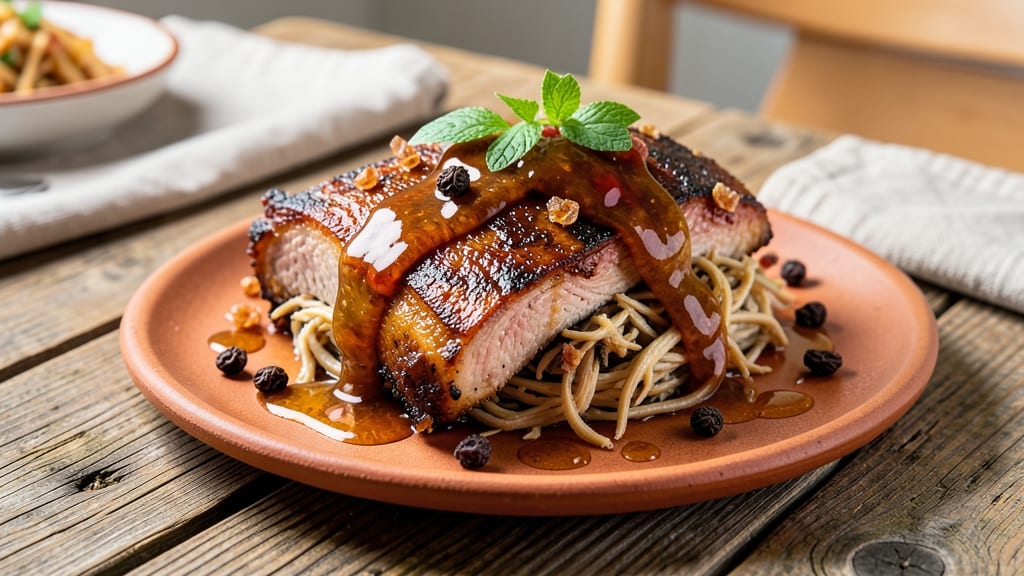
This Costa Vida sweet pulled pork recipe brings Caribbean-inspired comfort to your table with its signature smoky maple glaze. 🌟 I first tasted it during a Charleston market trip where the sweet-savory balance completely changed how I approach pulled pork—tender, sticky, and impossible to resist.
The secret lies in slow-cooking the pork until it falls apart, then finishing it with a caramelized glaze that adds depth without overpowering the meat.
What sets this recipe apart is the perfect marriage of smoky spices and sweet maple, creating a sauce that caramelizes beautifully on top while keeping the pork juicy inside. Unlike traditional BBQ, this version embraces a Caribbean touch with allspice and Scotch bonnet peppers, adding warmth and complexity.
The process is straightforward but requires patience—those hours in the slow cooker transform tough cuts into melt-in-your-mouth perfection.
By the time you're done, you'll have pulled pork that's sticky, sweet, and smoky all at once, with a glaze that's almost too pretty to eat. The texture is what makes it special—tender enough to shred with a fork but with just enough resistance to hold its shape.
This is the kind of dish that pairs beautifully with rice, plantains, or warm tortillas, making it a crowd-pleaser for any gathering.
Whether you're serving it at a family dinner or a festive gathering, this recipe delivers restaurant-quality results at home. The key is in the slow cooking and that perfect glaze—once you try it, you'll never go back to traditional BBQ again. Let's get cooking!
Ingredients for costa vida sweet pulled pork
Six ingredients transform this pork shoulder into Caribbean-inspired perfection with smoky-sweet magic.
| Ingredient | Amount | Notes |
|---|---|---|
| Pork Shoulder (Bone-In) 🐖 | 4 lb | Well-marbled for juiciness |
| Pure Maple Syrup 🍁 | ½ cup | Grade B for smokiness |
| Scotch Bonnet Peppers 🌶️ | 2 whole | Seeds removed for mild heat |
| Allspice Berries 🌿 | 1 tbsp | Ground fresh for depth |
| Brown Sugar 🍚 | ¼ cup | Packed firmly |
| Apple Cider Vinegar 🍏 | ¼ cup | For tangy balance |
| Smoked Paprika 🌶️ | 1 tbsp | For authentic smokiness |
| Garlic Cloves 🧄 | 6 cloves | Smashed for intense flavor |
| Onion (Yellow) 🧅 | 1 whole | Chopped, medium size |
| Beef Broth (Low-Sodium) 🍲 | 1 cup | For rich base |
| Olive Oil 🫒 | 2 tbsp | For searing pork |
| Salt 🧂 | 1 ½ tsp | Kosher or sea salt |
| Black Pepper 🌶️ | ½ tsp | Freshly cracked |
| Fresh Thyme 🌿 | 2 sprigs | Or 1 tsp dried |
The pork shoulder is your star—look for bone-in cuts at Costco or your butcher counter for better flavor and moisture. Grade B maple syrup has the smokiness you want (the darker, the better), and you'll find it at Trader Joe's or specialty stores. Scotch bonnet peppers are the secret weapon here—if you can't find them, habanero at half the amount works in a pinch. For the allspice, Penzeys Spices sells whole berries that you can toast and grind yourself—game-changer for depth. The pork needs to be room temperature before cooking, so take it out of the fridge an hour ahead.
No Scotch bonnet? Jalapeño or cayenne adds heat but lacks the fruity sweetness. Swap brown sugar for coconut sugar if you're avoiding refined sugar, but it'll caramelize slightly differently. The apple cider vinegar is non-negotiable for that tangy balance—white vinegar in a bind, but you'll taste the difference. For the beef broth, low-sodium is key—you don't want to over-salt the dish. Fresh thyme is ideal, but dried at one-third the amount gets you close. The garlic and onion can be prepped ahead and stored in the fridge for up to 3 days.
This dish tastes even better the next day—plan ahead! The pork keeps for 4-5 days in the fridge, and you can freeze portions for 3 months. I like to portion it into containers with a little extra sauce so it stays moist. For serving, warm tortillas or rice soak up all the sticky glaze. The leftovers reheat beautifully—just add a splash of water or broth to keep it tender. If you make a double batch, freeze half right away—you'll thank me later.
Why You'll Love This Recipe
- Sweet Heat Magic: That Scotch bonnet pepper isn’t just for show—it adds a slow-building warmth that pairs perfectly with the deep caramelized sweetness of the maple and brown sugar. The allspice berries? They’re the secret—earthy, warm, and just a little mysterious, like a hug in spice form.
- Leftovers That Beg: Between us, this recipe makes way more than you’ll eat in one sitting—and that’s a good thing. I’ve reheated shreds in tacos, sandwiches, and even fried rice for days. The meat stays tender, the sauce clings, and honestly? I’ve been known to eat it straight from the fridge.
- Budget Meal for Crowds: A single pork shoulder feeds my family of five and leaves enough for leftovers—no takeout needed. The maple syrup and brown sugar stretch the flavor without breaking the bank, and the Scotch bonnet adds drama for pennies. My wallet and taste buds thank me.
Step-by-step instructions for Costa Vida sweet pulled pork
Here's how to transform that pork shoulder into tender, caramelized perfection with a smoky-sweet glaze.
🔥 Step 1: Sear the Pork Shoulder for Maximum Flavor
Pat the 4 lb Pork Shoulder (Bone-In) completely dry with paper towels—this is non-negotiable for crispy bark. Heat 2 tbsp Olive Oil in a large Dutch oven over medium-high heat until shimmering. Place the pork fat-side down and sear undisturbed for 8-10 minutes until the fat renders and the skin turns golden brown.
Flip the pork and sear the other side for another 8-10 minutes. The goal is to develop a deep mahogany crust that locks in juices during the slow cook. I press down gently on the meat during the first minute—this prevents it from curling and ensures even contact with the pan. Once seared, remove the pork and set it aside on a plate.
👨🍳 Step 2: Build the Flavor-Packed Rub and Glaze
In the same Dutch oven, reduce heat to medium and add the chopped 1 whole Onion (Yellow) and 6 cloves Garlic Cloves (smashed). Cook for 5-6 minutes until softened and fragrant. Sprinkle in 1 tbsp Smoked Paprika, 1 tbsp Allspice Berries (ground), 1.5 tsp Salt, and 0.5 tsp Black Pepper, stirring constantly for 1 minute to toast the spices.
Pour in 0.5 cup Pure Maple Syrup, 0.25 cup Brown Sugar, and 0.25 cup Apple Cider Vinegar. Stir vigorously to combine, then add 1 cup Beef Broth (Low-Sodium) and 2 sprigs Fresh Thyme. Bring to a gentle simmer, scraping up any browned bits from the bottom—this is where all the flavor hides. Let this mixture reduce by half (about 10 minutes) until it thickens into a glossy glaze.
🔥 Step 3: Slow-Cook Until Fork-Tender
Return the seared pork to the Dutch oven, fat-side up, and pour the glaze mixture over it. The liquid should come about halfway up the sides of the pork. Place the lid on the Dutch oven and transfer it to a 275°F oven. Here's the thing—don't peek! Every time you open the lid, you lose heat and moisture, adding unnecessary time to the cook.
Cook for 6-7 hours until the pork reaches 195°F internally and the meat is fork-tender (a knife should slide in like butter). The glaze will bubble and caramelize beautifully, creating that signature Costa Vida crust. If the glaze reduces too much before the pork is done, add 2-3 tablespoons of water to keep it moist.
🥘 Step 4: Rest and Shred for Perfect Texture
Once the pork reaches 195°F, remove it from the oven and let it rest for 30 minutes before shredding. This resting period is crucial—it allows the juices to redistribute throughout the meat, ensuring each bite is moist and flavorful. I like to tent the Dutch oven loosely with foil during this time to keep it warm.
Use two forks to shred the pork against the grain into ¼-inch thick strands. Discard any large fat chunks or connective tissue. Return the shredded pork to the Dutch oven and stir gently to coat it evenly with the caramelized glaze. If the glaze has thickened too much, add 1-2 tablespoons of water to loosen it to a spoonable consistency.
🍽️ Step 5: Serve with the Glazed Sauce
Transfer the shredded pork to a serving platter and spoon the glaze generously over the top. The glaze should be sticky and glossy, with a beautiful caramelized crust on top. Serve immediately with the juices spooned over the pork—this is where all the magic happens. For extra flair, garnish with thinly sliced Scotch Bonnet Peppers (seeds removed) for a hint of heat.
Each bite should deliver tender, juicy pork with a perfect balance of smoky, sweet, and tangy flavors. The glaze will cling to every strand, making this pulled pork irresistible. Pair it with crusty bread to soak up all that delicious sauce, or serve it on buns for pulled pork sandwiches that'll have everyone asking for seconds.
Pro Tips For Making Costa Vida Sweet Pulled Pork
- Trim the Fat First: Cut off the thickest layer of fat from the pork shoulder before cooking—this keeps the meat tender and prevents grease from making your sauce greasy. (Yes, it’s extra work, but your pulled pork will thank you.)
- Toast the Scotch Bonnets: Dry-toast the Scotch bonnet peppers in a hot pan for 30 seconds per side before blending them into the sauce—this deepens their heat and smokiness. (I learned this the hard way when my first batch tasted flat.)
- Don’t Rush the Low Heat: Once the pork hits 195°F, switch to the lowest oven setting (or turn off the smoker) and let it rest for at least 30 minutes. The meat will keep cooking gently, staying moist instead of drying out. (Patience here makes all the difference.)
- Use Two Types of Sugar: Mix half pure maple syrup with half brown sugar in the rub—this balances the sticky sweetness and caramelizes better than maple alone. (The brown sugar also helps the crust stick.)
Essential equipment for perfect results
Slow-Cooking Essentials
For this recipe, you'll need a heavy-duty Dutch oven—I swear by my Le Creuset Signature with a 6-quart capacity—to handle the searing and slow cooking. The deep sides prevent spills, and the tight-fitting lid traps steam for even cooking.
If you don’t have one, a cast-iron skillet with lid works, but it may not hold heat as steadily. Preheat your oven to 275°F and let it stabilize for 15 minutes before adding the pork to maintain consistent temperature. 🔥
Precision Thermometer
An instant-read meat thermometer is non-negotiable here—ThermoWorks Smoke is my go-to because it’s durable and gives accurate readings. Insert the probe into the thickest part of the pork shoulder, avoiding fat or bone. The pork is done at 195°F, and this thermometer helps you avoid overcooking.
If you’re using a dial thermometer, place it in the oven to monitor temperature alongside the pork. Never guess—this is where tender perfection happens. ⏰
Maple Syrup & Glaze Tools
Use a heat-resistant silicone spatula to scrape up caramelized bits from the Dutch oven—this is where deep flavor hides. For the glaze, a small saucepan (like my All-Clad Stainless Steel) helps reduce the maple syrup mixture to a glossy consistency.
If you’re making this ahead, store the glaze separately in an airtight container in the fridge for up to 5 days. Reheat gently on the stovetop before tossing with the pork. 🍁
Shredding & Serving Gear
Two heavy-duty forks (like OXO Good Grips) make shredding effortless—grab one fork in each hand and pull the pork apart against the grain. For serving, a large ceramic platter (I love Corelle Stoneware) keeps everything warm and showcases the caramelized glaze beautifully.
If you’re serving at a buffet, use a chafing dish to keep the pork warm for hours. Don’t forget a tongs set for easy serving. 🍽️
Optional: Smoker Setup
For a smoky twist, you can finish the pork in a smoker at 225°F for the last 2 hours using hickory or applewood chips. I use a Traeger Pellet Grill for convenience, but a Weber Smokey Mountain works too.
Just add the wood pellets or chips 30 minutes before the pork is done to infuse flavor without overpowering the glaze. This step is optional but adds an extra layer of depth. 🌿
Nutrition facts
Frequently asked questions
Can I substitute Scotch bonnet peppers with something milder?
For a milder heat, use 1 jalapeño or ½ habanero pepper (seeds removed). If you want to eliminate heat entirely, omit the pepper entirely and add an extra ½ teaspoon ground cinnamon to enhance the sweetness. The key is balancing the fruitiness of the Scotch bonnet—jalapeños provide a similar smoky depth without the heat.
How do I adjust this recipe for a smoker instead of oven?
For a smoker, start by searing the pork as directed, then transfer it to the smoker at 225°F with hickory or applewood chips. Smoke for 5-6 hours until the internal temp reaches 195°F. In the last 30 minutes, wrap the pork in butcher paper and add the glaze. This keeps the meat tender while letting the smoky aroma infuse. The glaze will caramelize beautifully during this final phase.
Why does my pulled pork turn out dry?
Dry pulled pork usually happens from overcooking or not resting properly. Always cook until the internal temp hits 195°F—no higher! Let the pork rest for 30 minutes after cooking to redistribute juices. If using a slow cooker, keep the lid on and avoid peeking. For oven cooking, maintain a consistent 275°F—fluctuations cause moisture loss. A meat thermometer is your best friend here.
Can I make this recipe in a slow cooker?
Yes! Brown the pork in a skillet first, then transfer it to your slow cooker with all the glaze ingredients. Cook on low for 8 hours or high for 5-6 hours until fork-tender. The texture will be slightly more tender than oven-cooked, but the sweet glaze still caramelizes beautifully. Just add 2-3 tablespoons of water if the glaze reduces too much during cooking.
What's the best way to reheat leftovers?
Reheat leftovers in a skillet over medium-low heat with 1-2 tablespoons of beef broth or water to prevent drying. Stir frequently until warmed through (5-7 minutes). For microwave reheating, cover with a damp paper towel and heat in 30-second intervals, stirring between each. Never reheat above 165°F—this ensures food safety while keeping the pork moist.