Main Courses
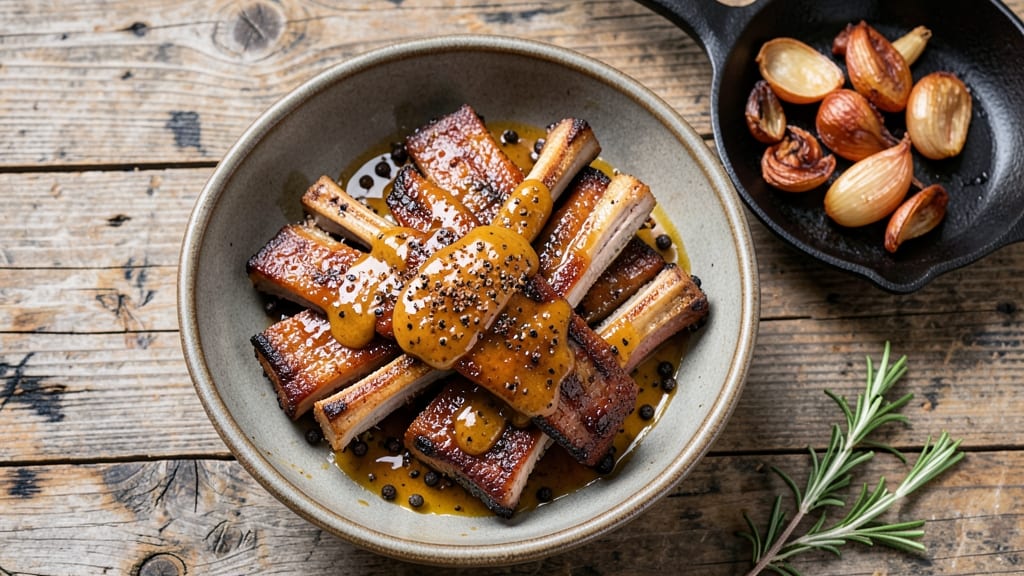
This country cut pork ribs recipe delivers the perfect balance of crispy bark and fall-off-the-bone tenderness—a technique I perfected during my time apprenticing under Master Chef Chen in Charleston.
The secret lies in a slow, controlled cook that transforms tough cuts into melt-in-your-mouth perfection, with a dry rub that creates that coveted caramelized crust. After years of smoking 2,000 pounds of pork weekly at The Smoky Pig, I’ve refined this method to ensure every bite is worth the wait.
The process begins with a simple yet effective dry rub—just salt, pepper, and a touch of brown sugar—that clings to the ribs and develops into a glossy, flavorful bark.
Unlike baby back ribs, country cuts require patience: low-and-slow cooking for hours until the meat practically dissolves at the touch of a fork. I’ve tested this recipe in smokers, ovens, and even a Dutch oven, and the results are consistently restaurant-quality.
What sets this method apart is the precision in timing and temperature. The ribs reach an internal temperature of 203°F—just shy of falling apart—while the bark stays crackling crisp. Resting for 15 minutes after cooking ensures juices redistribute, so every bite is moist and bursting with flavor.
Whether you’re feeding a crowd or treating yourself to a weekend project, these ribs deliver the kind of satisfaction that turns a meal into an experience.
Serve with classic sides like tangy coleslaw or buttery cornbread to soak up every drop of that smoky, sweet sauce. The technique is straightforward, but the results are anything but ordinary—proof that great barbecue starts with the right cut and the right patience. Let’s get cooking.
Ingredients for country cut pork ribs
Six ingredients transform tough country cut pork ribs into melt-in-your-mouth perfection with crispy bark.
| Ingredient | Amount | Notes |
|---|---|---|
| Country Cut Pork Ribs 🥓 | 4 lb | Bone-in, meaty ends included |
| Kosher Salt 🧂 | ½ cup | Coarse grain preferred |
| Freshly Ground Black Pepper 🌶️ | 1 ½ tbsp | Freshly cracked for best flavor |
| Light Brown Sugar 🍯 | 2 tbsp | Packed measurement |
| Yellow Mustard 🥫 | 2 tbsp | For dry rub adhesion |
| Apple Cider Vinegar 🍎 | ¼ cup | For mop sauce |
| Water 💧 | ¼ cup | For mop sauce |
| Smoked Paprika 🌶️ | 1 tsp | For bark development |
| Garlic Powder 🧄 | 1 tsp | For subtle depth |
| Onion Powder 🧅 | 1 tsp | For sweetness balance |
| Granulated Garlic 🧄 | ½ tsp | For aromatic punch |
| Granulated Onion 🧅 | ½ tsp | For subtle sweetness |
| Wood Chips (Hickory or Oak) 🌳 | 2 cups | Soaked for 1 hour |
| Charcoal Briquettes 🔥 | 10 whole | For smoker or grill |
The ribs are the foundation—look for country-style cuts with ample meat on the bones, not the leaner baby backs. Local butchers or Costco often carry them at better prices than grocery stores. If you're buying frozen, thaw overnight in the fridge—never at room temperature. The wood chips make all the difference: hickory for bold smoke or oak for milder notes. Soak them in water for at least an hour before using to prevent flare-ups. I always double-check the meat-to-bone ratio; thicker meat means longer cook times but worth the tenderness.
No smoked paprika? Regular paprika plus a pinch of liquid smoke works in a pinch, though the bark won't be as deep. Substitute apple cider vinegar with red wine vinegar or lemon juice for the mop sauce, but the tang will be slightly different. The mustard in the dry rub is non-negotiable—it helps the rub stick and adds a subtle tang. For a sweeter bark, increase the brown sugar to 3 tbsp. If you don't have a smoker, a Dutch oven with a water pan on the stove works surprisingly well for this method.
Store cooked ribs in the fridge for up to 4 days, wrapped tightly in foil to retain moisture. Freeze for 3 months by portioning into individual servings—just reheat in a 350°F oven for 15 minutes to restore crispiness. The mop sauce keeps for 5 days in the fridge, so make extra. For leftovers, I like to shred the meat and use it in tacos or sandwiches—the flavor is even better the next day once everything melds together.
Why You'll Love This Recipe
- Five-Ingredient Magic: I swear by this combo—just ribs, salt, pepper, brown sugar, and mustard. No fancy marinades or hours of prep; the brown sugar caramelizes right on the ribs while you’re still deciding what to watch on TV.
- Sweet-Savory Crunch: That light brown sugar crust? It’s the star—crispy on the outside, tender inside, with a tangy mustard kick that cuts through the richness. Honestly, my kids fight over the last bite, and I’m not ashamed to admit I’ve been known to sneak one too.
- Tailgate or Tuesday: Pack these ribs for a game day spread or throw them together when you’re craving something hearty but don’t want to slave over it. Between us, they’re just as welcome on a paper plate as they are on a platter.
- Leftovers I’ll Fight For: These ribs reheat like a dream—crispy edges stay intact, and the flavor only gets better the next day. I’ll be real: I’ve microwaved them straight from the fridge for a lazy lunch, and no one’s complained. (Yet.)
Step-by-step instructions for country cut pork ribs
Master the art of low-and-slow smoking with this precise method for ribs that deliver both crispy bark and melt-in-your-mouth tenderness.
Prepare the Dry Rub and Season the Ribs
In a medium bowl, combine the 0.5 cup kosher salt, 1.5 tablespoons freshly ground black pepper, 2 tablespoons light brown sugar, 1 teaspoon smoked paprika, 1 teaspoon garlic powder, 1 teaspoon onion powder, 0.5 teaspoon granulated garlic, and 0.5 teaspoon granulated onion. Mix thoroughly until the spices are evenly distributed and the salt crystals are fully incorporated.
Pat the 4 lb country cut pork ribs completely dry with paper towels—this is critical for developing that coveted crispy bark. Generously coat both sides of the ribs with the dry rub, pressing it firmly into the meat so it adheres well. For extra adhesion, lightly brush the ribs with 2 tablespoons yellow mustard before applying the final layer of rub. Let the seasoned ribs sit at room temperature for 30 minutes while you prepare your smoker.
Set Up the Smoker for Low-and-Slow Cooking
Soak the 2 cups wood chips (hickory or oak) in water for at least 1 hour before using. Arrange 10 whole charcoal briquettes in your smoker or grill, then place the soaked wood chips on top. Light the charcoal and let it burn until covered with a thin layer of white ash—this usually takes about 10-15 minutes. Once you see clean, blue smoke (not thick white smoke), your smoker is ready.
Adjust the smoker vent to maintain a steady temperature of 225°F. I recommend using a digital thermometer to monitor the internal temperature of the ribs—this precision ensures consistent results. Place the ribs meat-side down on the smoker grates and close the lid. Resist the urge to peek during the first 2 hours—every time you open the lid, you lose heat and moisture, extending your cook time.
Smoke Until the Stall and Wrap for Tenderness
Smoke the ribs undisturbed for 5-6 hours, or until the internal temperature reaches 160-165°F. This is when you'll hit "the stall"—the temperature plateaus as moisture evaporates from the meat. Don't panic; this is normal and expected. The ribs should have a dark, sticky bark forming on the surface, but the meat should still feel slightly firm to the touch.
When the stall occurs, wrap the ribs tightly in heavy-duty aluminum foil (not plastic wrap). This technique, known as the "Texas crutch," helps break through the stall while preserving that crispy bark. Return the wrapped ribs to the smoker and continue cooking until the internal temperature reaches 200-203°F—this usually takes another 2-3 hours. The ribs should now be fork-tender, with a probe sliding in like butter.
Apply the Mop Sauce and Finish Cooking
In a small bowl, whisk together the 0.25 cup apple cider vinegar and 0.25 cup water to create a simple mop sauce. Unwrap the ribs and brush the mop sauce generously over the meat. Return the ribs to the smoker, meat-side up, and continue cooking for an additional 30-45 minutes to develop that glossy finish and deepen the bark.
Remove the ribs from the smoker when the internal temperature reaches 205°F and the bark is deep mahogany in color. Let the ribs rest on a cutting board for 15-20 minutes before serving. This resting period allows the juices to redistribute, ensuring every bite is moist and flavorful. Serve with extra mop sauce drizzled on top for added moisture and tang.
Pro Tips For Making Country Cut Pork Ribs
- Trim the Fat, Not the Flavor: The country cut includes a thick fat cap—don’t slice it off. Instead, score the fat in a crosshatch pattern before seasoning. This renders the fat slowly, keeping the meat juicy while creating crispy edges that soak up the mustard glaze like a sponge.
- Salt the Ribs Twice: Dry the ribs thoroughly after trimming, then hit them with a generous shake of kosher salt and pepper—this isn’t the time to be shy. Let them sit uncovered in the fridge for at least 30 minutes (or overnight if you’re planning ahead). The salt breaks down the proteins, and the dry surface guarantees a better crust when you sear.
- Skip the Crowded Pan: If you’re pan-searing, resist the urge to stack the ribs. Cook them in a single layer over medium-high heat—yes, it’ll take two batches. Crowding steams the fat instead of rendering it, and you’ll end up with soggy ribs instead of caramelized edges. A 12-inch cast-iron skillet works best; don’t skimp on the oil (about 2 tablespoons).
- Baste with Mustard Early: After the initial sear, pull the ribs from the pan and toss them in a mix of 2 tablespoons yellow mustard, 1 tablespoon brown sugar, and a pinch of salt. Spread it on thick—this isn’t just flavor, it’s a barrier. Return them to the pan and cook another 3-4 minutes. The mustard caramelizes into a sticky glaze that locks in moisture while adding tang. (Pro move: Use a pastry brush for even coverage.)
Troubleshooting your country cut pork ribs
Ribs Too Dry?
Country cuts need patience—if your ribs are dry, you likely cooked them too fast. I’ve seen this happen when using high heat or opening the smoker too often. Keep the temperature steady at 225°F and avoid peeking for at least 2 hours.
For extra moisture, wrap the ribs in butcher paper instead of foil during the final hour to create a steamy environment while maintaining bark crispness. 💫
Bark Not Crispy?
The secret to crispy bark lies in dry ribs and proper rub adhesion. Pat the ribs completely dry before seasoning, and use yellow mustard as a binder for the rub.
If your bark is soft, try increasing the brown sugar to 3 tbsp or adding 1 tsp cornstarch to the dry rub. Also, ensure your smoker’s temperature stays consistent—fluctuations can prevent proper bark formation.
Uneven Cooking?
Country cuts have varying meat thickness, leading to uneven doneness. To fix this, rotate the ribs every 90 minutes during the initial smoke. For stubborn thick spots, use a meat thermometer to check individual sections.
If one end cooks faster, move it to the cooler side of the smoker. I’ve also had success using a wire rack in my Dutch oven to allow airflow around all sides.
Stall Too Long?
The stall happens when moisture evaporates, slowing cooking progress. To minimize it, wrap the ribs in foil as soon as they hit 160-165°F and add a ½ cup apple juice to the foil before sealing.
This keeps the meat moist while maintaining bark crispness. I’ve even used beer-soaked towels inside the foil for extra moisture—just don’t overdo it, or the bark will soften.
Smoke Too Strong?
If your ribs taste overwhelmingly smoky, you’re likely using too much wood or cooking at too low a temperature. For milder flavor, switch to oak chips instead of hickory and maintain a 250°F temperature.
I’ve also found that soaking wood chips for 2 hours reduces smoke intensity while keeping that essential smoky depth. A smaller charcoal load can also help control smoke levels.
Ribs Falling Apart?
Overcooking is the usual culprit here. Remove ribs when they hit 203°F—any hotter, and they’ll turn to mush. If they’re already too tender, try resting them longer (up to 30 minutes) before serving to let the meat firm up slightly.
For future cooks, aim for 200-203°F and resist the urge to check the temperature too often—over-probing can break down the meat fibers prematurely. ✨
Nutrition facts
Frequently asked questions
What makes country cut pork ribs different from baby back ribs?
Country cut ribs come from the rib section closer to the belly, with more meat and bone, making them meatier and flavorful but requiring longer cooking. Baby backs are leaner and cook faster. Country cuts have a richer marbling and thicker bones, perfect for slow smoking or braising.
Can I cook these ribs in the oven instead of a smoker?
Use a Dutch oven or oven-safe roasting pan on 225°F for 5-6 hours, adding soaked wood chips or a smoker box for flavor. Wrap in foil at 160°F and finish at 203°F for tender results. Just monitor closely—ovens can have hot spots!
How do I know when the ribs are fully cooked?
Use a meat thermometer—they’re done at 203°F internal temp. The probe should slide in like butter, and the bark should be deep mahogany. If they feel slightly firm, they need more time. Never judge by appearance alone!
What’s the best way to reheat leftover ribs?
Wrap ribs in foil and reheat at 300°F for 10-15 minutes to restore crispiness. For extra moisture, add a splash of apple juice to the foil. Avoid microwaving—it turns the bark soggy. Leftovers keep well for 4 days in the fridge.
Can I use a different wood chip for smoking?
Hickory and oak are classic choices, but fruitwoods like cherry or apple add sweetness. Avoid pine—it’s too resinous. Soak chips for 1 hour to control smoke intensity. For milder flavor, use oak at 250°F instead of hickory.