
Main Courses
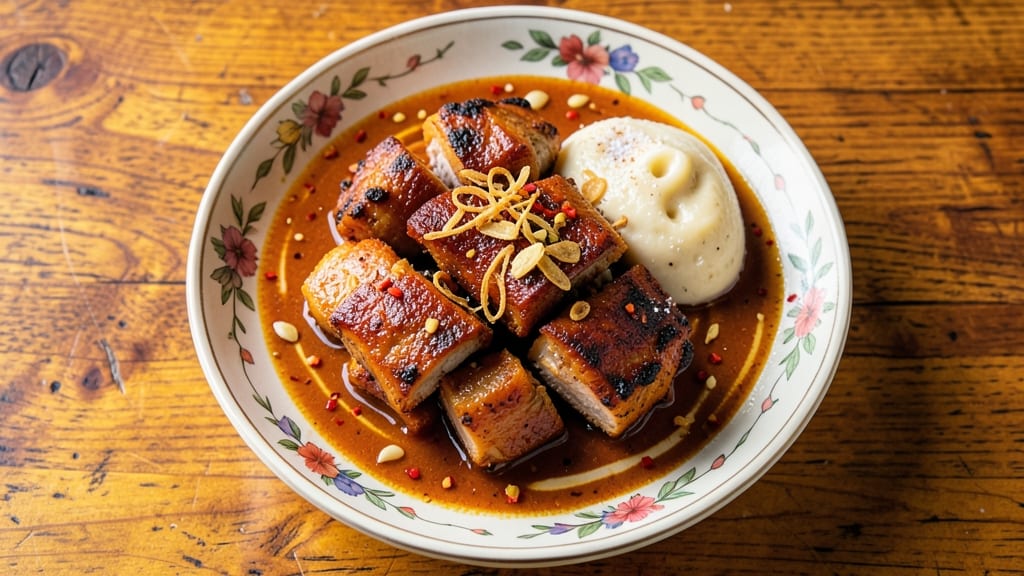
This crispy pork binagoongan with gata recipe captures the essence of Filipino comfort food in every bite. The secret lies in achieving that perfect caramelized crust on the pork while balancing the tangy, vinegar-rich binagoongan sauce with creamy coconut curds.
After years of perfecting this dish in my kitchen, I've developed a foolproof method that delivers restaurant-quality results at home.
The process begins with frying the pork until it develops a golden, crispy exterior that shatters with each bite. Meanwhile, the binagoongan sauce simmers down to a glossy, tangy perfection, its acidity perfectly balanced by the sweetness of the coconut curds.
What makes this dish truly special is how these elements come together - the crispy pork soaks up the sauce, creating pockets of flavor in every bite.
By the time you're done, you'll have a dish that's rich yet refreshing, with the perfect harmony of textures and flavors. The crispy pork provides contrast to the creamy gata, while the tangy binagoongan sauce ties everything together.
This recipe is perfect for family gatherings or special occasions when you want to impress your guests with authentic Filipino flavors.
Whether you're serving this as a main course or as part of a larger feast, the combination of crispy pork, tangy sauce, and creamy gata creates a symphony of flavors that will have everyone asking for seconds.
Let's get cooking and bring a taste of the Philippines to your dinner table.
Ingredients for crispy pork binagoongan with gata
These 14 ingredients transform into crispy pork perfection with creamy coconut bliss in every bite.
| Ingredient | Amount | Notes |
|---|---|---|
| Pork Shoulder 🥩 | 1 ½ lb | Cut into 1-inch chunks |
| All-Purpose Flour 🌾 | ½ cup | For dredging pork |
| Coconut Milk 🥥 | 1 can (13.5 oz) | Full-fat for creaminess |
| White Vinegar 💧 | ½ cup | Distilled preferred |
| Brown Sugar 🍯 | ¼ cup | Packed, light brown |
| Soy Sauce 🍶 | 2 tbsp | Regular or light |
| Garlic Cloves 🧄 | 6 cloves | Minced for sauce |
| Fresh Ginger 🌿 | 2 tbsp | Grated, fresh preferred |
| Coconut Curds (Gata) 🥥 | 1 cup | Store-bought or homemade |
| Vegetable Oil 🫒 | 2 tbsp | For deep frying |
| Salt 🧂 | 1 ½ tsp | Kosher or sea salt |
| Black Pepper 🌶️ | ½ tsp | Freshly ground |
| Green Onions 🧅 | 3 whole | Chopped, for garnish |
| Olive Oil 🫒 | 1 tbsp | For finishing |
The pork shoulder is non-negotiable—it's what gives you that crispy, caramelized crust while staying juicy inside. Grab the bone-in, skin-on cut from your local Asian market or butcher shop for the best texture. If you're short on time, pre-cut chunks from Trader Joe's work too. Look for well-marbled meat—those little fat streaks render down during cooking and keep the pork moist. For the coconut curds, Filipino markets carry authentic gata, but store-bought coconut milk thickened with cornstarch works in a pinch. Just remember: full-fat coconut milk makes all the difference for that creamy texture.
No bone-in pork? Pork tenderloin cut into chunks works, but expect slightly less crispiness. Short on vinegar? Lemon juice at half the amount gets you close, though it'll be slightly less tangy. Fresh ginger is ideal, but dried ginger at one-third the amount works if you're in a hurry. The soy sauce can be swapped for fish sauce if you're not avoiding it, but coconut aminos give a cleaner flavor. For the coconut curds, if you can't find gata, blend coconut milk with cornstarch until thickened—it's not the same, but it'll get you through. The green onions? Scallions or chives work too, but green onions have that perfect bite.
This dish tastes even better the next day as the flavors meld together. Store leftovers in an airtight container in the fridge for up to 4 days. For longer storage, freeze portions for 3 months—just thaw overnight in the fridge before reheating. The crispy pork loses some crunch when reheated, so I always re-crisp in a hot pan before serving. Garnish with extra green onions right before eating—that's when it really shines. And trust me, double the batch if you're feeding a crowd—this disappears faster than you think.
Why You'll Love This Recipe
- Here’s what sold me: the vinegar cuts through the richness of the pork, while brown sugar caramelizes into the coconut milk for this perfect balance. It’s like a hug in a bowl—familiar but never boring.
- Pork in 20 Minutes: I swear, this dish is my lazy-day hero. Toss pork shoulder in flour, pan-fry until golden, then simmer in coconut milk and vinegar—no marinating, no fuss. That crispy crust? Happens while you stir the sauce.
- Sweet-Sour Magic: Here’s what sold me: the vinegar cuts through the richness of the pork, while brown sugar caramelizes into the coconut milk for this perfect balance. It’s like a hug in a bowl—familiar but never boring.
- Leftovers That Shine: Between us, this recipe actually improves the next day. The sauce thickens into a glossy glaze, and reheating it turns the pork even more tender. Pack it for lunch or freeze portions—no one will guess it’s not fresh.
Step-by-step instructions for crispy pork binagoongan with gata
Transform humble pork shoulder into irresistible crispy bites bathed in luscious coconut sauce—here's how.
Prepare the Pork for Crispy Perfection
Cut the 1.5 lb pork shoulder into 1-inch chunks—uniform size ensures even cooking. Pat each piece dry with paper towels to remove excess moisture, which is crucial for that signature crispy exterior. In a large bowl, combine the ½ cup all-purpose flour, 1.5 tsp salt, and ½ tsp black pepper. Toss the pork chunks in this mixture until fully coated, shaking off any excess.
Heat 2 tablespoons vegetable oil in a large skillet over medium-high heat until shimmering. Working in batches to avoid crowding, add the coated pork and fry for 3-4 minutes per side until golden brown and crispy. Transfer to a paper towel-lined plate to drain excess oil, but leave them warm—the residual heat helps maintain their texture. This step builds the foundation for that addictive crunch we're after.
Create the Signature Coconut-Ginger Sauce
In the same skillet (no need to wipe it clean—those browned bits pack flavor), add 2 tablespoons fresh ginger and 6 minced garlic cloves. Sauté for 1-2 minutes until fragrant and lightly golden, stirring constantly to prevent burning. Pour in ½ cup white vinegar and 2 tablespoons soy sauce, scraping up any browned bits from the bottom of the pan. Let this mixture bubble away for 2-3 minutes until slightly reduced.
Add ½ cup brown sugar and 1 can (13.5 oz) coconut milk, stirring to combine. Bring to a gentle simmer and cook uncovered for 10-12 minutes, stirring occasionally, until the sauce thickens slightly and develops a glossy sheen. The sauce should coat the back of a spoon but still be pourable—this consistency ensures perfect sauce-to-pork ratio. Here's where the magic happens: the vinegar brightens the flavors while the coconut milk creates that velvety texture we crave.
Finish with Gata and Garnish
Reduce heat to low and stir in 1 cup coconut curds (gata) until fully melted and incorporated. The gata should dissolve smoothly, creating a thicker, creamier sauce. Return the crispy pork to the skillet and gently toss to coat each piece evenly with the sauce. Let it simmer together for 3-4 minutes—just enough time for the pork to absorb some of that rich coconut goodness while maintaining its crispy exterior.
Remove from heat and stir in 1 tablespoon olive oil for extra richness. Divide the pork and sauce among serving plates, garnishing each portion with chopped green onions. The contrast of crispy pork against the creamy sauce, topped with fresh green onions, makes this dish visually stunning and irresistibly delicious. Serve immediately while the pork is still crispy and the sauce is warm—this dish doesn't wait!
Pro Tips For Making Crispy Pork Binagoongan With Gata
- CUT PORK INTO EVEN STRIPS: After slicing the pork shoulder, line up the strips and trim any uneven edges with kitchen shears—this guarantees they cook uniformly and crisp up at the same rate. I used to skip this, and half the pieces would turn rubbery while the others burned.
- USE COLD COCONUT MILK: Pour the coconut milk straight from the fridge into your saucepan—starting cold prevents curdling when you add vinegar later. I learned this the hard way when my sauce split into greasy globs mid-cook.
- DON’T SKIP THE SECOND FRY: After the initial sear, let the pork rest 5 minutes, then hit it with another quick fry in fresh oil. This second pass locks in the crisp while the sauce finishes—my lazy version (just one fry) always left the edges soggy.
- SWEAT THE VINEGAR FIRST: Add the white vinegar to the pan before the brown sugar and let it bubble off for 30 seconds—this cuts the sharpness and deepens the caramel flavor. I was skeptical until I tried it; now it’s non-negotiable for that classic tang.
Best sauces and condiments for this recipe
Ginger-Garlic Base
Start with a fragrant ginger-garlic foundation—this is where the magic begins. Sauté 6 minced garlic cloves and 2 tbsp fresh ginger in the same skillet used for frying the pork (those crispy bits add depth!). Let them cook until golden but not burnt—about 1-2 minutes over medium heat.
This step unlocks the aromatic backbone of your sauce, balancing the tangy vinegar and sweet coconut. I always use fresh ginger because dried lacks that bright punch, and I swear by Penzeys Spices for their high-quality garlic powder if I'm in a pinch. 🌶️
Vinegar Reduction
The vinegar is non-negotiable for that signature tang, but it needs to reduce properly. After adding ½ cup white vinegar and 2 tbsp soy sauce, let it bubble for 2-3 minutes—this concentrates the flavors and cuts through the richness.
If your vinegar tastes too harsh, swap in lemon juice (though it won’t be identical). For extra depth, add a splash of fish sauce (just 1 tsp) to amplify umami. This reduction step is crucial—don’t rush it!
Coconut Milk Magic
Now for the creamy element: 1 can full-fat coconut milk is essential—light versions won’t give that luxurious texture. Stir in ½ cup brown sugar to balance the acidity, then simmer uncovered for 10-12 minutes until the sauce thickens to a glossy consistency.
If it reduces too much, splash in 1-2 tbsp water to loosen it. Pro tip: Use Thai Kitchen coconut milk for a richer flavor profile than store brands. The sauce should coat the back of a spoon but still be pourable—this ensures perfect sauce-to-pork ratio. 🥥
Gata Integration
The gata is what elevates this dish from good to extraordinary. Stir in 1 cup coconut curds on low heat until fully melted—this creates a velvety, almost custard-like texture. If you can’t find gata, blend ½ cup coconut milk with 1 tbsp cornstarch until thickened as a substitute.
The gata should dissolve smoothly, adding a subtle sweetness that rounds out the tangy sauce. For extra richness, finish with 1 tbsp olive oil—this adds a silky mouthfeel that makes every bite irresistible.
Sauce Variations
Want to customize? Swap the soy sauce for coconut aminos for a cleaner flavor, or add 1 tbsp chili flakes for heat. For a sweeter profile, increase the brown sugar to ⅓ cup.
If you prefer a thinner sauce, reduce the gata to ½ cup and add 2 tbsp water. Each variation keeps the dish authentic while letting you tailor it to your taste. The key is balancing the tang, sweet, and umami—trust your palate!
Nutrition facts
Frequently asked questions
Can I use regular coconut milk instead of gata?
Yes, but the texture will be different. Gata gives that signature creamy, slightly sweet consistency that makes this dish special. For a substitute, blend ½ cup coconut milk with 1 tbsp cornstarch until thickened—it won't be identical but works in a pinch. The sauce will be smoother rather than the rich, custard-like quality of gata.
How do I keep the pork extra crispy?
Pat the pork chunks very dry before coating in flour—this is key for maximum crispiness. Fry in small batches over medium-high heat until golden brown (about 3-4 minutes per side). Keep the oil hot but not smoking, and avoid crowding the pan. For extra crunch, broil for 1-2 minutes after frying. The secret? Don't overcook—pork stays crispy when it's hot!
What if I don't have white vinegar?
Use lemon juice or rice vinegar as substitutes, but adjust the amount. White vinegar has a distinct tang that balances the sweetness perfectly. For rice vinegar, use ⅓ cup (it's milder), and for lemon juice, use ¼ cup (but the flavor will be slightly different). The sauce will still work, just with a different brightness.
Can I make this dish ahead of time?
The flavors actually improve overnight. Store leftovers in an airtight container in the fridge for up to 4 days. Reheat gently in a skillet over low heat to restore crispiness—just add a splash of water to prevent drying. For freezing, portion the sauce and pork separately. Freeze for up to 3 months, then thaw overnight before reheating.
Why does my sauce taste too sweet?
If the sauce tastes overly sweet, it's likely from the brown sugar or coconut milk. Balance it by adding 1 extra tablespoon of vinegar or ½ tsp fish sauce to cut through the sweetness. For future batches, reduce the brown sugar to ¼ cup or use light coconut milk instead of full-fat. Taste as you go—this sauce is all about balance!