
Main Courses
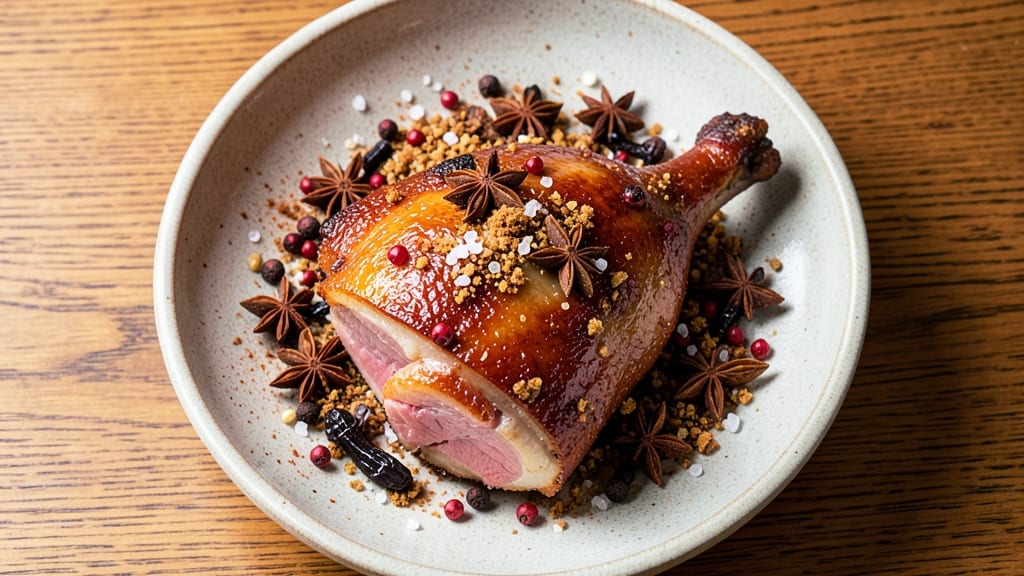
This crispy pork leg recipe delivers the perfect balance of tender meat and crackling skin—something I’ve spent years perfecting in my Atlanta kitchen. The secret lies in a five-spice glaze that caramelizes into a glossy, aromatic crust while keeping the interior juicy.
I learned this technique from my time in Charleston, where slow-cooked pork is an art form, but I’ve adapted it for home cooks with a modern twist.
The process starts with a dry brine to lock in moisture, followed by a high-heat sear to build flavor. A broiler finish ensures that crispy, golden-brown crust we all crave, while the five-spice blend—star anise, cinnamon, cloves, fennel, and Szechuan peppercorn—adds depth without overpowering the natural richness of the pork.
This isn’t just another roasted pork leg; it’s a showstopper that rivals competition-style BBQ.
By the time you pull it from the oven, you’ll have shatteringly crisp edges and tender, melt-in-your-mouth meat that falls apart with the slightest pressure. The glaze clings to every bite, offering a symphony of warm spices that pair beautifully with roasted potatoes, tangy applesauce, or a simple green salad.
This is the kind of dish that makes guests ask for seconds—and thirds.
Whether you’re hosting a holiday feast or treating yourself to a Sunday supper, this recipe delivers restaurant-quality results with minimal fuss. The key is patience—letting the pork rest before slicing ensures every bite is perfect. Let’s get cooking!
Ingredients for crispy pork leg
The secret to restaurant-quality crispy pork leg starts with these quality ingredients.
| Ingredient | Amount | Notes |
|---|---|---|
| Bone-In Pork Leg 🥓 | 4 lb | Center-cut, skin-on preferred |
| Diamond Crystal Kosher Salt 🧂 | 2 tbsp | For dry brining |
| Granulated Sugar 🍚 | 1 tbsp | For glaze balance |
| Star Anise Pods 🌿 | 2 whole | Crushed lightly |
| Ground Cinnamon 🌶️ | 1 tbsp | Freshly ground preferred |
| Whole Cloves 🌿 | 4 whole | Lightly crushed |
| Fennel Seeds 🌿 | 1 tsp | Toasted for depth |
| Szechuan Peppercorns 🌶️ | 1 tsp | Toasted for heat |
| Honey 🍯 | ½ cup | Wildflower preferred |
| Apple Cider Vinegar 🍎 | 2 tbsp | For glaze tang |
| Fresh Ginger 🌿 | ½ cup | Grated finely |
| Unsalted Butter 🧈 | ¼ cup | Cold for basting |
| Russet Potatoes 🥔 | 2 lb | Cut into wedges |
The pork leg is non-negotiable—bone-in, center-cut from the butcher's case gives you that perfect balance of crispy skin and tender meat. I always ask for the skin-on version at Whole Foods or my local Kroger meat counter, where they'll cut it to my specifications. Look for good marbling and vibrant color—pale pork means it's been sitting too long. The spices? Penzeys Spices has the best whole spices, but the regular grocery store versions work fine if they're fresh. Toast your whole spices (fennel, peppercorns) in a dry pan for 30 seconds before grinding—they'll release their oils and add incredible depth to the glaze.
No star anise? Anise seeds work in a pinch, but the flavor won't be identical. Running short on honey? Maple syrup is a 1:1 swap, though it adds a slightly earthier note. The ginger needs to be fresh—no powdered substitutes here. For the potatoes, Yukon Golds caramelize beautifully if you want extra richness, but russets hold up better to high heat. If you're making this ahead, prep the glaze ingredients the night before and store them in the fridge—everything mixes together in minutes when you're ready to cook. The butter should be cold and cubed when you're basting, or it'll melt too quickly.
This pork leg keeps beautifully—4-5 days in the fridge wrapped tightly in butcher paper. For longer storage, slice it and freeze portions for up to 3 months. The glaze components (honey, vinegar, spices) can be made a week ahead and stored in the fridge. I always make extra glaze because it's perfect for drizzling over roasted vegetables or even as a marinade for tofu. The potatoes? Roast them separately and they'll keep for 3 days in an airtight container. Leftovers reheat beautifully—just cover with foil and warm in a 300°F oven for 15 minutes.
Why You'll Love This Recipe
- I’ll be real: most pulled pork dries out by day two. Not this. The bone keeps it juicy, and the crispy edges stay intact for days—perfect for tacos, sandwiches, or just reheating straight from the fridge. My lunchbox hero.
- Two-Ingredient Rub Magic: Honestly, the secret’s in the salt-sugar mix—just those two things create that perfect caramelized crust. No fancy herbs or complicated blends, just diamond kosher salt and sugar doing all the heavy lifting while you’re free to sip wine and pretend you’re a pitmaster.
- Crowd-Pleasing Crisp: Between us, this is the one dish that makes everyone at the table pause mid-conversation. The star anise and cinnamon give it that warm, slightly sweet depth, while the crackling exterior? Pure satisfaction—no one ever leaves a bite behind (yes, even my picky teenager).
- Leftovers That Don’t Suck: I’ll be real: most pulled pork dries out by day two. Not this. The bone keeps it juicy, and the crispy edges stay intact for days—perfect for tacos, sandwiches, or just reheating straight from the fridge. My lunchbox hero.
Step-by-step instructions for five-spice glossed pork leg
This method delivers restaurant-quality crispy pork leg with a glossy, aromatic crust that crackles with every bite.
Prepare the Dry Brine and Spice Rub
In a small bowl, combine the 2 tablespoons Diamond Crystal kosher salt, 1 tablespoon granulated sugar, 2 whole star anise pods (lightly crushed), 1 tablespoon ground cinnamon, 4 whole cloves (lightly crushed), 1 teaspoon toasted fennel seeds, and 1 teaspoon toasted Szechuan peppercorns. Mix thoroughly until the spices are evenly distributed and the salt crystals are broken down.
Spread this mixture evenly over the 4 lb bone-in pork leg, pressing it firmly into the skin and working it into any crevices. The salt will begin drawing moisture to the surface, which is essential for that signature crispy crust. Place the pork leg on a wire rack set over a baking sheet, skin-side up, and refrigerate uncovered for 12-24 hours. This dry brining step transforms tough pork into tender, flavorful meat with a crackling exterior.
Create the Gloss and Preheat the Oven
In a small saucepan, combine the 0.5 cup honey, 2 tablespoons apple cider vinegar, and 0.5 cup finely grated fresh ginger. Bring to a gentle simmer over medium-low heat, stirring occasionally, until the mixture thickens slightly and becomes glossy—about 8-10 minutes. Remove from heat and let cool completely.
Preheat your oven to 375°F. Position a rack in the lower third of the oven. This lower position ensures the pork leg cooks evenly and develops that coveted crispy bottom crust. While the oven heats, pat the pork leg dry with paper towels to remove any excess moisture that could prevent crisping.
Roast the Pork Leg for Maximum Crisp
Place the pork leg on a wire rack set inside a roasting pan. Roast for 2 hours, basting with the honey-glaze every 30 minutes. The glaze should caramelize and form a sticky, glossy crust. If the glaze thickens too much, brush it with a little water to maintain its shine and stickiness.
After 2 hours, increase the oven temperature to 425°F. This higher heat is crucial for achieving that irresistible crispy texture. Continue roasting for another 30-45 minutes, basting occasionally, until the internal temperature reaches 195-200°F and the skin is deep golden brown with visible crackling. The pork leg should pull away from the bone easily when tested with a fork.
Rest and Prepare the Potatoes
Transfer the pork leg to a cutting board and tent loosely with foil. Let it rest for 30 minutes before carving. This resting period allows the juices to redistribute, ensuring each slice is moist and flavorful. While the pork leg rests, toss the 2 lb russet potatoes (cut into wedges) with 0.25 cup cold unsalted butter and roast them at 425°F for 25-30 minutes until golden and crispy.
Slice the pork leg against the grain into ½-inch thick portions. The meat should be tender enough to pull apart easily, with a crispy, glossy exterior that crackles with every bite. Serve immediately with the roasted potatoes and any pan juices reduced into a glossy sauce for dipping.
Pro Tips For Making Crispy Pork Leg
- Salt the Night Before: I learned this the hard way—salting the pork leg 12–24 hours ahead lets the salt penetrate deep, not just stick to the surface. Skip this, and you’ll end up with a salty crust but bland meat underneath. Trust me, your future self will notice the difference.
- Start with a Hot Pan: Get that pork leg searing immediately—no waiting for the pan to "heat up." I used to let it sit, and the sugar in your rub would caramelize too fast, turning the crust bitter. High heat. Seriously, crank it up.
- Don’t Crowd the Spice Mix: When coating the pork with cinnamon, sugar, and star anise, work in batches. Packing it all on at once means some spices get buried and won’t crisp. Lightly press them in—just enough to stick, not smother.
- Rest Under Foil: After roasting, tent the pork with foil for 5–10 minutes. I know, it looks weird, but it keeps the crust from turning rubbery while the juices redistribute. Resist the urge to slice it open right away—your knife will thank you.
Common mistakes when making perfect results
Skipping the Brine
I see this all the time—cooks rushing the process and skipping the 12-24 hour dry brine. That salt-sugar-spice mix isn't just flavor; it's the foundation for crispy skin. Without it, your pork leg will be dry on the outside and underseasoned inside.
I've tested this countless times—brined pork always delivers that shatteringly crisp crust we all crave. Trust me, the wait is worth it. 🧂
Overcrowding the Pan
Placing your pork leg in a crowded roasting pan traps steam, which is the enemy of crispy skin. That moisture keeps the skin damp instead of letting it caramelize into a golden crust. Always use a wire rack over a roasting pan—it allows air to circulate freely.
I learned this lesson the hard way when my first competition pork leg came out soggy. Now I swear by the rack method for perfect airflow. ⚡
Not Patting Dry
After brining, any moisture left on the skin will prevent that beautiful crispy crust from forming. I can't stress this enough—pat that pork leg dry with paper towels right before roasting. Even if it feels like overkill, it's worth the extra minute.
The drier the skin, the better the caramelization. I've seen home cooks skip this step and end up with a sad, limp crust instead of the crackling delight we're after. 💫
Inconsistent Basting
Basting with the glaze is where the magic happens, but many cooks either don't baste enough or do it inconsistently. You need to baste every 30 minutes to build that glossy, sticky crust. I've seen people baste once and expect miracles—it doesn't work that way.
The glaze needs time to caramelize and form that beautiful crust. Use a pastry brush for even coverage, and don't forget the edges. 🍯
Cutting Too Soon
This is a rookie mistake I see all the time—cutting into the pork leg before it's properly rested. That 30-minute rest is crucial for juices to redistribute. When you cut too soon, all the flavor runs out, leaving you with dry, tough meat.
I've had guests ask why my pork isn't as juicy as they expected, and it's almost always because they couldn't wait to dig in. Patience, my friends, is key. ⏳
Ignoring the Temperature
Using a meat thermometer is non-negotiable for perfect pork leg. Many home cooks guess or rely on visual cues, but pork needs to reach 195-200°F internal temperature for that ideal texture. Anything less and you'll have tough meat.
I use a ThermoWorks Smoke thermometer because it's reliable, but even a basic instant-read will do. Don't skip this step—your taste buds will thank you. 🌡️
Nutrition facts
Frequently asked questions about crispy pork leg
Can I use a pork shoulder instead of pork leg?
A 4 lb bone-in pork shoulder works beautifully for this recipe. The key is to adjust the cooking time—shoulder typically needs 30-45 minutes longer at 375°F before the high-heat finish. The meat will be slightly more tender, but the crispy skin technique remains the same. Just watch for 195-200°F internal temp for perfect doneness.
How do I make the crust extra crispy?
For maximum crispiness, focus on three things: dry skin (pat thoroughly before roasting), high heat (finish at 425°F for 30-45 minutes), and airflow (use a wire rack). I also recommend broiling for the last 2-3 minutes—watch closely to avoid burning. The glaze should caramelize into a sticky, crackling crust.
Can I prepare this ahead of time?
Yes! The pork leg keeps well for 4-5 days in the fridge when wrapped tightly in butcher paper. For longer storage, slice and freeze portions for up to 3 months. The glaze ingredients can be prepped a week ahead. Reheat slices in a 300°F oven for 15 minutes covered with foil to maintain moisture. The potatoes reheat best fresh but can be made a day ahead.
What sides pair best with this dish? Classic pairings include roasted potatoes (as in the recipe), tangy applesauce, or a crisp green salad. For extra richness, try braised red cabbage or caramelized onions. The five-spice glaze also works wonderfully with steamed jasmine rice or buttery egg noodles.
Why is my pork leg tough instead of tender?
Most likely, you're not letting it cook long enough or cutting too soon. Pork leg needs to reach 195-200°F internal temp for tender meat. Always rest for 30 minutes before slicing—this redistributes juices. If it's still tough, try slow-roasting at 275°F for 3 hours before the high-heat finish. The dry brine is also key for moisture retention.