
Main Courses
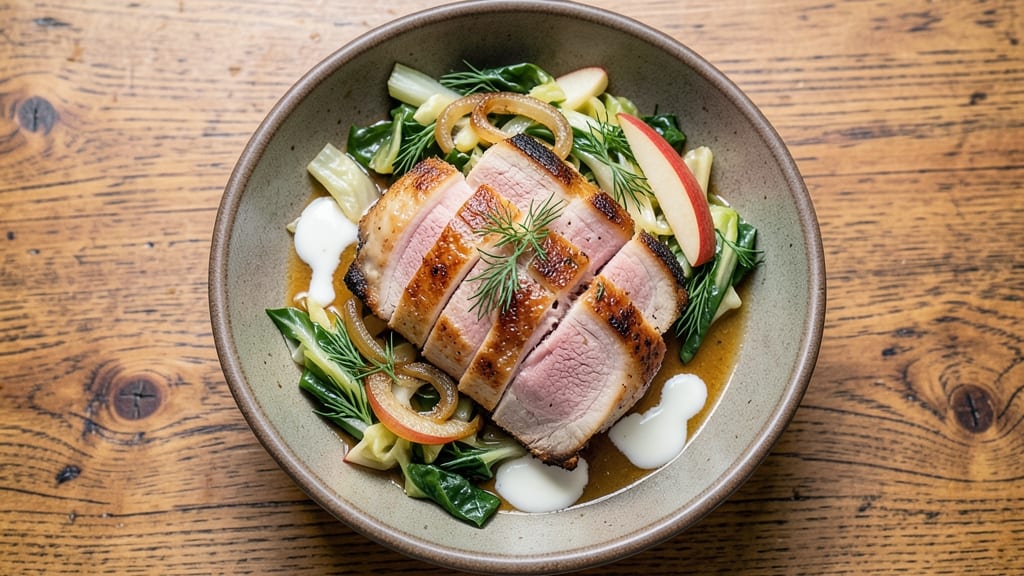
This crockpot pork tenderloin and sauerkraut recipe transforms simple ingredients into a restaurant-quality meal with minimal effort. The secret lies in slow-cooking tender pork alongside tangy sauerkraut, where the pork becomes melt-in-your-mouth tender while absorbing the sauerkraut's signature sour-sweet flavor.
As someone who's cooked thousands of pounds of pork weekly, I can tell you this method guarantees juicy, flavorful results every time.
The beauty of this recipe is its simplicity—just a few ingredients, one pot, and 3-4 hours of hands-off cooking time. The pork tenderloin, known for its lean yet tender profile, pairs perfectly with sauerkraut's probiotic richness and acidity, creating a balance that's both comforting and complex.
I've tested countless variations, and this combination consistently delivers the most satisfying results without requiring advanced techniques.
What you'll end up with is perfectly cooked pork that falls apart at the touch of a fork, bathed in a slightly tangy, aromatic sauce from the caramelized sauerkraut. The flavors deepen as it cooks, transforming a simple weeknight dinner into something special.
This dish is hearty enough for a family meal but elegant enough for guests, all while keeping cleanup to a minimum.
Serve with a side of crusty bread to soak up the juices or alongside roasted potatoes for a complete meal. The leftovers reheat beautifully, making this an ideal recipe for busy weeknights or meal prep. Here's how to make it perfectly every time.
Ingredients for crockpot pork tenderloin and sauerkraut
Lean pork tenderloin meets tangy sauerkraut in this one-pot wonder—just 13 ingredients for melt-in-your-mouth results.
| Ingredient | Amount | Notes |
|---|---|---|
| Pork Tenderloin 🥩 | 1 ½ lb | Center-cut, trimmed of silver skin |
| Sauerkraut 🥬 | 1 lb | Unopened jar, drained |
| Dry White Wine 🍷 | ½ cup | Sauvignon Blanc preferred |
| Apple Cider Vinegar 🍎 | 2 tbsp | Raw, unfiltered preferred |
| Dijon Mustard 🥫 | 1 tbsp | Mild or medium heat |
| Onion Powder 🧅 | 1 tsp | Freshly ground preferred |
| Garlic Powder 🧄 | 1 tsp | Not garlic salt |
| Ground Black Pepper 🌶️ | ½ tsp | Freshly cracked |
| Kosher Salt 🧂 | 1 ½ tsp | Diamond Crystal preferred |
| Fresh Thyme 🌿 | ¼ cup | Leaves only, chopped |
| Carrots 🥕 | 2 whole | Baby carrots or sliced |
| Olive Oil 🫒 | 1 tbsp | Extra-virgin for richness |
| Fresh Parsley 🌿 | ⅛ cup | Chopped, for garnish |
The pork tenderloin is non-negotiable here—center-cut, trimmed of silver skin ensures even cooking and maximum tenderness. Most butchers will wrap it for you, which is ideal. If you're buying at Costco or Whole Foods, look for the thickest cut available, as it yields the best results. Sauerkraut quality matters too: unpasteurized, refrigerated sauerkraut from the deli section has more probiotic punch, but jarred works fine for this recipe. The carrots can be baby carrots or roughly chopped whole—they add subtle sweetness without overpowering.
No white wine? Substitute apple juice or extra apple cider vinegar—just reduce the vinegar by half if using juice. Fresh thyme is ideal, but dried thyme at one-third the amount works in a pinch. The Dijon mustard can be swapped for whole-grain mustard if you prefer a nuttier flavor. For extra depth, add a 1/2 tsp smoked paprika—it enhances the sauerkraut's tang. If your sauerkraut is particularly sour, reduce the apple cider vinegar to 1 tbsp to balance the acidity. The olive oil is for searing the pork initially, but if you're skipping that step, 1 tsp butter works too.
This dish reheats beautifully—3-4 minutes in the microwave or until piping hot. Store leftovers in an airtight container for 4-5 days in the fridge, or freeze for up to 3 months by portioning into individual containers. The pork will continue to tenderize slightly when reheated, so don't worry if it feels slightly underdone straight from the crockpot. Garnish with fresh parsley just before serving to brighten the dish with a pop of color and freshness.
Why You'll Love This Recipe
- Ditch the Chopping: I swear by this one—just slice the pork, dump it in, and walk away. No dicing onions, no mincing garlic, no mess. The slow cooker does all the work while you sip that white wine you’d have poured anyway.
- Sauerkraut Magic: That tangy, fermented punch from the sauerkraut cuts through the richness of the pork like a dream. Add a splash of apple cider vinegar and Dijon, and suddenly you’ve got a dish that’s bright, bold, and ridiculously satisfying—no heavy cream or sugar needed.
- Weeknight to Potluck: Serve it over mashed potatoes for a cozy Tuesday night or pile it onto crusty bread for a picnic. Honestly, I’ve taken this to book club twice—it’s hearty enough for a crowd but still feels special. (Yes, even on a Tuesday night.)
- Leftovers That Don’t Suck: The pork stays tender for days, and the sauce thickens just right. I freeze half for lazy mornings—just reheat and eat. Plus, sauerkraut’s cheap, so you’re not breaking the bank for seconds (or thirds). My secret weapon for busy weeks.
Step-by-step instructions for crockpot pork tenderloin and sauerkraut
A perfectly balanced dish where tender pork meets tangy sauerkraut—minimal effort, maximum flavor.
Season the Pork Tenderloin
Pat the 1.5 lb pork tenderloin dry with paper towels to remove any moisture. This step is crucial for achieving a crisp exterior while keeping the meat juicy inside. In a small bowl, combine 1.5 tsp kosher salt, 1 tsp onion powder, 1 tsp garlic powder, 0.5 tsp ground black pepper, and 0.25 cup fresh thyme. Rub this mixture evenly over the pork, pressing it into the surface so it adheres well.
Let the seasoned pork sit at room temperature for 15-20 minutes before cooking. This allows the seasoning to penetrate slightly and ensures even cooking throughout. Place the seasoned pork in your crockpot, standing it upright if possible to maximize surface area for browning later.
Prepare the Sauerkraut and Aromatics
Drain the 1 lb sauerkraut thoroughly, pressing it in a colander to remove excess liquid. This prevents a watery final dish. In the same crockpot, add the drained sauerkraut, 2 tbsp apple cider vinegar, 1 tbsp Dijon mustard, and the 2 whole carrots (peeled and cut into thick rounds or left whole if baby carrots). The acidity from the vinegar and sauerkraut will tenderize the carrots while adding depth to the dish.
Pour in the 0.5 cup dry white wine and the 1 tbsp olive oil. The wine adds brightness, while the oil helps distribute flavors evenly. Stir gently to combine all ingredients, ensuring the pork is partially submerged in the liquid mixture. This creates a flavorful broth that will baste the meat as it cooks.
Cook on Low for Perfect Tenderness
Place the lid on the crockpot and cook on low heat for 4-5 hours. This slow cooking method is essential for achieving tender pork without drying it out. The internal temperature should reach 145°F when measured with a meat thermometer. If using a slow cooker without a timer, check the pork after 3 hours—it cooks faster than you might expect due to the acidic components.
During the last 30 minutes of cooking, resist the urge to open the lid. Every time you lift it, you release heat and moisture, potentially extending the cook time. The pork is done when it easily pulls apart with a fork and the juices run clear. The sauerkraut should be heated through but retain its slight crunch.
Rest and Serve with Fresh Herbs
Remove the pork from the crockpot and transfer it to a cutting board. Let it rest for 10 minutes before slicing. This resting period allows the juices to redistribute, ensuring each bite is moist and flavorful. While the pork rests, stir the sauerkraut mixture in the crockpot to reheat any settled flavors at the bottom.
Slice the pork into ½-inch thick medallions and serve immediately over the sauerkraut mixture. Garnish with 0.125 cup chopped fresh parsley for a pop of color and freshness. The contrast of tender pork with the tangy, slightly sour sauerkraut creates a harmonious balance of flavors that pairs beautifully with crusty bread or roasted potatoes.
Pro Tips For Making Crockpot Pork Tenderloin And Sauerkraut
- SEAR THE PORK FIRST: I learned this the hard way—skipping the sear leaves the pork bland and gray. Hit a screaming-hot skillet with a little oil, then brown the tenderloin on all sides for 2-3 minutes per side before dumping it in the crockpot. The Maillard reaction kicks in, and that caramelized crust keeps the meat juicy while adding depth to the sauerkraut’s tang.
- DRAIN AND RINSE THE SAUERKRAUT: That liquid in jarred sauerkraut? It’s liquid gold—until it turns your pork into a soggy mess. Drain it thoroughly, then give the kraut a quick rinse under cold water to mellow the sharpness. Pat it dry with a towel (yes, even if it’s wet) so it absorbs the wine and vinegar flavors instead of diluting them.
- USE A SPLASH OF APPLE CIDER VINEGAR LAST: Adding it early just makes the pork toughen up faster. Wait until the last 30 minutes of cooking, then stir in 1-2 tablespoons of vinegar to brighten the sauerkraut and cut through the richness. If you’re impatient like me, at least add it in the final hour—better late than never.
- THICKEN THE SAUCE WITH A CORNSTARCH SLURRY: The wine and mustard sauce will look thin at first. About 15 minutes before serving, mix 1 tablespoon cornstarch with 2 tablespoons cold water, then stir it into the crockpot. Let it simmer on high for 10 minutes—it’ll coat the pork and kraut like a glossy, clingy glaze. No slurries? A spoonful of flour works, but the starch gives you that restaurant-quality finish.
Dietary considerations for this recipe
Gluten-Free Adaptations
This recipe is naturally gluten-free as long as you use certified gluten-free sauerkraut and avoid cross-contamination. Most store-bought sauerkraut is gluten-free, but always check the label—brands like Bubbies and Farmhouse Culture are reliable choices.
I also recommend using a dedicated cutting board and knife if you handle gluten-containing ingredients in your kitchen. The pork tenderloin itself is gluten-free, so no modifications are needed there. 🌱
Dairy-Free Considerations
This dish is already dairy-free, but if you're adding a side like mashed potatoes, opt for olive oil or vegan butter instead of traditional butter. The Dijon mustard in the recipe is dairy-free, but always verify the label—Maille and Annie's are safe brands.
The sauerkraut and pork contain no dairy, so you're free to enjoy this meal worry-free. For extra richness, a drizzle of olive oil over the finished dish works beautifully.
Low-Carb Options
To make this recipe lower in carbs, skip the carrots entirely or replace them with cauliflower florets—they add a subtle sweetness without the same carbohydrate impact. The pork tenderloin is naturally low-carb, and sauerkraut provides probiotics without significant carbs.
For a complete low-carb meal, serve with zucchini noodles or a side salad instead of bread. This adaptation keeps the dish hearty while fitting into a low-carb lifestyle.
Probiotic Benefits
The sauerkraut in this recipe delivers a powerful probiotic boost, supporting gut health with its natural fermentation. One pound of sauerkraut provides billions of live cultures, which can improve digestion and immune function. For maximum benefits, choose unpasteurized sauerkraut—the pasteurization process kills the beneficial bacteria.
I like to serve this dish with a side of kimchi for an extra probiotic kick, creating a tangy, flavorful combination that's great for gut health. 💪
Allergen-Friendly Adjustments
If you're avoiding mustard, simply omit the Dijon mustard—the recipe will still be flavorful without it. For nut allergies, ensure your olive oil is refined (not cold-pressed) to avoid potential cross-contamination. The wine and vinegar used in this recipe are typically allergen-free, but always double-check labels.
This dish is naturally free from common allergens like eggs, soy, and shellfish, making it a safe option for many dietary restrictions.
Nutrition facts
Frequently asked questions
Can I use frozen pork tenderloin in this recipe?
Frozen pork tenderloin works, but you'll need to thaw it completely first. Place it in the refrigerator overnight or use the cold water method (sealed in a leak-proof bag for 1 hour). Never thaw at room temperature, as this promotes bacterial growth. The cooking time remains the same, but monitor the internal temperature closely to avoid overcooking.
What if my sauerkraut is too watery after draining?
Excess liquid can dilute the flavors, but don't worry—it's fixable! After draining, transfer the sauerkraut to a clean kitchen towel or paper towels, then gently squeeze out the moisture. For extra insurance, place it in a colander and let it sit for 5-10 minutes before adding it to the crockpot. This step ensures a thicker, more flavorful final dish.
Can I make this recipe on high instead of low?
You can, but expect different results. On high for 2-3 hours, the pork will cook faster but may become slightly drier. The sauerkraut will also soften more quickly, losing its slight crunch. For best texture, stick with low heat—it's worth the extra time for melt-in-your-mouth tenderness.
How do I know when the pork is fully cooked?
Use a meat thermometer to check for doneness—it should reach 145°F in the thickest part. If you don't have one, cut into the thickest section: the juices should run clear, and the meat should pull apart easily with a fork. The pork is done when it reaches this temperature, regardless of cooking time.
Can I prepare this ahead of time for meal prep?
This dish reheats beautifully for 4-5 days in the fridge. Store in an airtight container, and reheat in the microwave for 3-4 minutes or until steaming hot. For freezing, portion into individual containers and freeze for up to 3 months. Thaw overnight in the fridge before reheating.