Main Courses
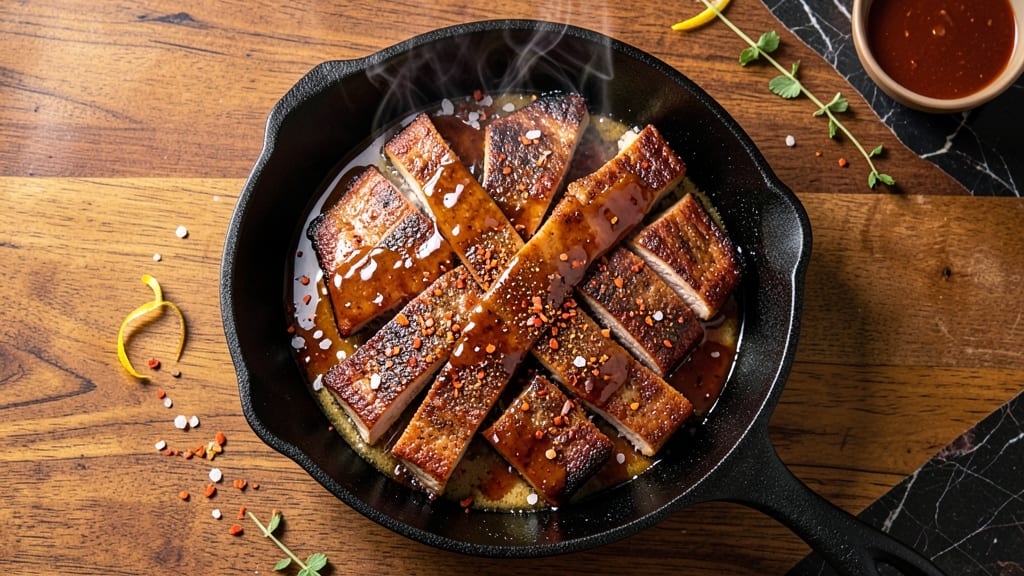
This cross cut pork ribs recipe delivers the perfect balance of crispy bark and fall-off-the-bone tenderness—the kind of results that make your taste buds sing and your guests ask for seconds.
After years of perfecting my technique in professional kitchens and backyard pits, I've refined this method to be both approachable for home cooks and impressive enough for gatherings. The secret lies in a carefully balanced dry rub and precise temperature control, whether you're grilling, smoking, or roasting.
What sets this recipe apart is the combination of traditional techniques with modern flexibility.
We'll start with a robust dry rub featuring brown sugar, smoked paprika, and a touch of cayenne for depth and heat, then cook the ribs using a 3-2-1 method—three hours of smoking, two hours wrapped in foil, and one hour back on the grill for that coveted bark.
This approach ensures tender meat without sacrificing flavor or texture. The ribs develop layers of complexity as they cook, with the bark forming a caramelized crust that contrasts beautifully with the tender meat underneath.
The end result is ribs that are so tender they practically melt in your mouth, with a crispy exterior that adds satisfying texture to every bite.
The aroma alone will have everyone gathering around your grill or oven, and the flavor profile—smoky, slightly sweet, with a hint of spice—is the kind of dish that becomes a family favorite.
This recipe isn't just about the meat; it's about the experience of slow-cooked perfection that transforms an ordinary weeknight into a memorable meal.
Whether you're feeding a crowd or treating yourself to a special dinner, these cross cut pork ribs are sure to impress. The method is designed to be adaptable to your preferred cooking style, so you can achieve the same restaurant-quality results at home.
Let's get started on creating ribs that will have everyone coming back for more.
Ingredients for cross cut pork ribs
Six ingredients transform simple pork ribs into restaurant-quality masterpieces—just add time and patience.
| Ingredient | Amount | Notes |
|---|---|---|
| Pork Ribs 🥓 | 4 lb | Cross cut, bone-in preferred |
| Brown Sugar 🍯 | ½ cup | Light or dark variety |
| Smoked Paprika 🌶️ | 2 tbsp | For deep smoky flavor |
| Cayenne Pepper 🔥 | 1 tsp | Adjust for heat preference |
| Ground Black Pepper 🌶️ | 1 tsp | Freshly ground preferred |
| Kosher Salt 🧂 | 1 tbsp | Diamond Crystal preferred |
| Garlic Powder 🧄 | 1 tbsp | Fresh ground if possible |
| Onion Powder 🧅 | 1 tbsp | For aromatic depth |
| Apple Cider Vinegar 🍎 | 2 tbsp | For tangy balance |
| Yellow Mustard 🥬 | 1 tbsp | For moisture during cook |
| Wood Chips 🌳 | 1 package | Hickory or apple preferred |
| Aluminum Foil 📄 | 1 sheet | Heavy-duty for wrapping |
| Butter 🧈 | ½ cup | Unsalted, softened for basting |
The ribs are the star, so pick bone-in, cross-cut slabs—they hold up better during the long cook. Costco or your local butcher usually have the best quality, often pre-cut for convenience. Look for good marbling (that white fat streaked through) for juiciness. If you're buying whole racks, ask for them to be cut into individual ribs—this recipe works best with single ribs rather than full slabs. For a quick grocery run, Trader Joe's carries pre-cut pork ribs that work perfectly (just skip the pre-marinated kind).
No smoked paprika? Regular paprika plus a pinch of liquid smoke gets you close. Cayenne too hot? Swap for half the amount of red pepper flakes. The brown sugar can be swapped for white sugar plus 1 tsp molasses if that's what you've got. For the wood chips, apple or cherry work beautifully if hickory isn't available—just soak them for 30 minutes before using. The mustard and vinegar combo is non-negotiable for that perfect bark, but if you're avoiding mustard, extra apple cider vinegar (3 tbsp total) works in a pinch.
These ribs taste even better the next day—plan ahead! Store them wrapped in foil in the fridge for up to 4 days. For longer storage, freeze them unwrapped for 1 month (the bark stays crispy when reheated). I always make double batches because they disappear fast. Reheat by wrapping in foil and baking at 300°F for 20 minutes—no sad, dry ribs here. The leftovers reheat beautifully for sandwiches or tacos all week.
Why You'll Love This Recipe
- One-Pan Magic: I swear by this recipe because it’s that simple—just ribs, a quick rub of brown sugar and smoked paprika, and a 45-minute bake. No flipping, no fuss, no extra pots. Honestly, the hardest part is deciding whether to eat them right away or save for later.
- Sweet Heat Balance: That cayenne and black pepper combo wakes up the ribs, but the brown sugar keeps it from being too spicy. It’s the kind of flavor that sticks with you—smoky, slightly sweet, with just enough kick to make your taste buds notice.
- Weeknight to BBQ Hero: Between us, these ribs are my secret weapon for game days, lazy Sundays, or when I’m too tired to grill. They’re easy enough for a weeknight but feel fancy enough for company. (Yes, even on a Tuesday night.)
- Leftovers That Don’t Suck: I make a double batch because the second day is even better—the ribs get more tender, and the flavors deepen. Plus, they freeze like a dream, so I always have a backup when cravings hit. Budget-friendly? Absolutely.
Step-by-step instructions for cross cut pork ribs
Here's how to transform tough pork ribs into melt-in-your-mouth perfection with a perfect bark.
Prepare the Dry Rub
In a medium bowl, combine the 0.5 cup brown sugar, 2 tablespoons smoked paprika, 1 teaspoon cayenne pepper, 1 teaspoon ground black pepper, 1 tablespoon kosher salt, 1 tablespoon garlic powder, and 1 tablespoon onion powder. Mix thoroughly with your hands until the spices are evenly distributed and the sugar is fully incorporated.
This blend creates the perfect balance of sweet, smoky, and spicy flavors that will penetrate the ribs during cooking. The brown sugar helps form that coveted crispy bark while the cayenne adds just enough heat to keep things interesting. Store any leftover rub in an airtight container for future use.
Coat and Marinate the Ribs
Pat the 4 lb pork ribs completely dry with paper towels - moisture is the enemy of crispy bark. Generously coat each rib with the dry rub mixture, pressing it firmly into the meat so it adheres well. Place the ribs on a wire rack set over a baking sheet to allow air circulation on all sides.
In a small bowl, whisk together the 2 tablespoons apple cider vinegar and 1 tablespoon yellow mustard. Brush this mixture evenly over the rubbed ribs. The vinegar tenderizes while the mustard adds moisture during the cook. Let the ribs marinate uncovered in the refrigerator for at least 1 hour (overnight is even better) to allow the flavors to penetrate deeply.
Set Up Your Smoker
Fill your smoker with the wood chips (hickory or apple work best) and preheat to 225°F. I like to use a two-zone fire method - place the wood chips on one side and let them create a gentle smoke flow across the cooking chamber. This ensures clean, flavorful smoke without overwhelming heat.
While the smoker heats up, prepare the ribs for cooking. If you haven't already, trim any excess fat from the ribs, leaving about ¼ inch of fat cap to protect the meat. Place the ribs bone-side down on the smoker grates. The fat will render down and baste the meat as it cooks, creating additional flavor and moisture.
Smoke Low and Slow
Smoke the ribs for 3 hours before checking their progress. The low temperature (225°F) is crucial for tenderizing the meat without drying it out. Every 45 minutes, brush the ribs with melted 0.5 cup butter to enhance moisture and create that beautiful bark.
After 3 hours, check the internal temperature using a meat thermometer. The ribs should register around 170°F at this point. If they're not quite there, continue smoking. The bark should be starting to form - if it's not, increase the temperature slightly to 250°F for the next hour to help develop that crispy crust.
Wrap and Finish
Once the ribs reach 170-180°F internally, it's time to wrap them in aluminum foil. This is called the "Texas crutch" and helps push the ribs through the stall where they might stop cooking. Place each rib on a double layer of foil, drizzle with any accumulated juices, and wrap tightly, sealing all edges.
Return the wrapped ribs to the smoker and continue cooking until they reach 203°F internally. This typically takes another 1-2 hours. The ribs should be fork-tender with a slight jiggle when moved. Let them rest on the smoker for 15 minutes before serving - this allows the juices to redistribute throughout the meat for maximum tenderness.
Pro Tips For Making Cross Cut Pork Ribs
- CUT THE FAT FIRST: Trim the membrane off the bones before cutting—it’s the only way to keep the ribs tender. I used to skip this and ended up with chewy, tough pieces that even the sauce couldn’t save. Grab a butter knife, slide it under the membrane, and peel it off in one go.
- SWEAT THE SPICES: Bloom the smoked paprika and cayenne in oil for 30 seconds before adding the ribs. This wakes up their flavors and makes the crust stick better. I learned this the hard way after tasting bland ribs—don’t rush this step, even if you’re impatient.
- DON’T DROWN THEM: Cross-cut ribs release a ton of liquid when cooking. If you’re braising or baking, reduce the liquid to ¼ cup or skip it entirely—too much moisture turns the ribs soggy. I now use just enough to coat the bottom of the pan, and the sugar caramelizes into a glossy glaze.
- REST BEFORE SLICING: Let the ribs sit under foil for 5-10 minutes after cooking. This keeps them from falling apart when you cut them into those pretty cross-cut pieces. I was skeptical—until I tried it and saw the difference in texture. Patience here makes all the difference.
Wine and beer pairings for cross cut pork ribs
Red Wine Pairings
For these cross-cut pork ribs, I always reach for a bold red wine that can stand up to the smoky, spicy, and sweet flavors. A Cabernet Sauvignon from Napa Valley—like Caymus Vineyards—is my go-to because its dark fruit notes and firm tannins complement the ribs' caramelized bark.
The wine's acidity cuts through the richness, while its oak aging echoes the smoky depth. 🍷
If you prefer something lighter but still robust, try a Syrah from Washington State, such as Chateau Ste. Michelle. Its blackberry and peppery notes harmonize beautifully with the cayenne and smoked paprika in the rub.
Both wines should be served at 65-68°F to enhance their aromas and balance the dish's bold flavors.
Beer Pairings
For beer lovers, a smoked porter like Goose Island Bourbon County Stout is a perfect match—its caramel and coffee notes mirror the ribs' sweet and smoky profile. The beer's slight sweetness also balances the cayenne's heat. Serve it chilled at 45-50°F to preserve its creamy texture. 🍺
If you're grilling outdoors, a hoppy IPA from a local brewery works surprisingly well. The bitterness in the beer cuts through the fat, while the citrusy hops brighten the dish.
I love pairing ribs with a New England-style IPA like Trillium Brewing's—its juicy, tropical flavors provide a refreshing contrast to the smoky ribs.
Non-Alcoholic Options
Don’t overlook non-alcoholic pairings! A smoked tea like Lapsang Souchong—infused with pine needles and wood smoke—mimics the ribs' smoky essence. Brew it strong and serve it chilled with a splash of honey to complement the sweetness. 🍵
For something more refreshing, try a ginger beer with a touch of lime. The spicy ginger and citrus notes enhance the ribs' cayenne and apple cider vinegar, while the effervescence cleanses the palate between bites. Look for a craft version like Boylan’s for the best flavor.
Nutrition facts
Frequently asked questions
What's the difference between cross-cut and regular pork ribs?
Cross-cut pork ribs are individual ribs cut from the ribcage, typically 2-3 inches wide and 6-8 inches long, while regular pork ribs often refer to full slabs (like baby back or spare ribs). The cross-cut style cooks faster and develops better bark because of the increased surface area. They're perfect for grilling or smoking since they don't require as long of a cook time as full slabs.
Can I make these ribs in an oven instead of a smoker?
Preheat your oven to 225°F and use a cast iron skillet or Dutch oven with a water pan for moisture. Follow the same 3-2-1 method—3 hours uncovered, 2 hours wrapped in foil, then 1 hour uncovered to crisp the bark. For extra smokiness, add wood chips to the skillet or use a smoker box with charcoal. The results will be just as tender!
Why do my ribs sometimes turn out dry?
Dry ribs usually happen from cooking too fast or not enough moisture. The 225°F low-and-slow method is critical—rushing it causes the meat to lose moisture. Always wrap ribs in foil when they hit 170°F (the "Texas crutch") to trap steam. Also, never skip the butter basting or the mustard-vinegar mix—they keep the meat juicy during cooking.
How do I store leftover cross-cut pork ribs?
Store ribs in an airtight container with any accumulated juices. They'll keep in the fridge for 4 days (wrapped in foil) and freeze beautifully for 1 month (unwrapped for crispy bark). To reheat, wrap in foil and bake at 300°F for 20 minutes. For sandwiches, slice against the grain and serve on toasted brioche with coleslaw!
What's the best way to serve these ribs?
These ribs shine with classic sides like creamy mac and cheese, tangy slaw, or roasted sweet potatoes. For a Southern touch, serve with cornbread and pickled jalapeños. The smoky-sweet flavor pairs perfectly with a bold red wine or smoked porter. Leftovers make amazing tacos or sandwiches—just slice thinly and pile high!