
Main Courses
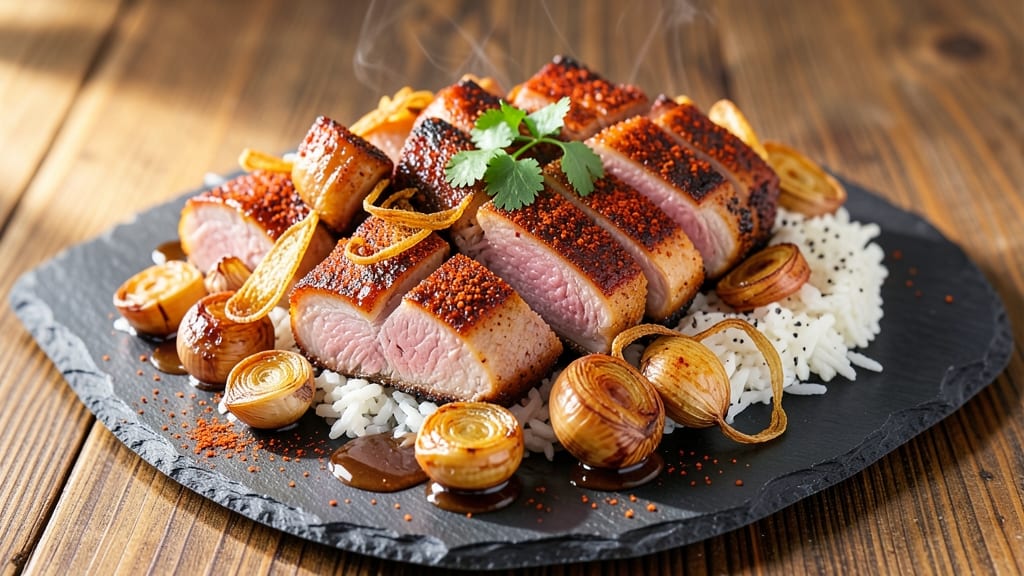
Mastering crunchy pork recipe starts with the perfect balance—golden, crackling bark that gives way to melt-in-your-mouth tenderness. After years of perfecting this technique in my Atlanta kitchen, I’ve cracked the code for achieving that ideal contrast every time.
The secret lies in a two-step cooking process that locks in moisture while building that irresistible crunch.
This method transforms tough pork shoulder into succulent bites with crispy edges, thanks to a dry rub of smoked paprika and brown sugar that caramelizes beautifully. What makes it special is the 30-minute resting period after cooking—this crucial step ensures the meat stays juicy while the exterior stays crisp.
No more dry, overcooked pork here; just restaurant-quality results at home.
By the time you’re done, you’ll have pork that’s crispy on the outside, juicy in the middle, and packed with smoky-sweet flavor. The bark will shatter at every bite, revealing tender meat underneath—a combination that’s impossible to resist.
Serve it sliced thin over a bed of creamy coleslaw or piled high on buns for sandwiches that’ll have everyone asking for seconds.
Whether you’re feeding a crowd or treating yourself to a special meal, this recipe delivers foolproof crispiness without the guesswork. Let’s get cooking—your taste buds will thank you.
Ingredients for crunchy pork
Six pounds of pork shoulder and twelve spices transform into restaurant-style crispy perfection.
| Ingredient | Amount | Notes |
|---|---|---|
| Pork Shoulder (Bone-In) 🍖 | 4 lb | Well-marbled, cut into 1.5-inch chunks |
| Smoked Paprika 🌶️ | 2 tbsp | High-quality, for deep smoky flavor |
| Brown Sugar 🍚 | 2 tbsp | Light or dark, for caramelization |
| Kosher Salt 🧂 | 1 ½ tbsp | Diamond Crystal preferred for texture |
| Black Pepper 🌶️ | 1 tbsp | Freshly ground for sharpness |
| Garlic Powder 🧄 | 1 tbsp | Not garlic salt |
| Onion Powder 🧅 | 1 tbsp | For balanced depth |
| Apple Cider Vinegar 🍎 | 2 tbsp | For tenderizing marinade |
| Olive Oil 🫒 | ½ cup | Extra-virgin for richness |
| Fresh Rosemary 🌿 | ¼ cup | Chopped, for aromatic depth |
| Yellow Onion 🧅 | 1 whole | Thinly sliced for garnish |
| Fresh Thyme 🌿 | ¼ cup | Leaves only, for brightness |
| Butter 🧈 | 2 tbsp | Unsalted, for basting |
The pork shoulder is non-negotiable here—bone-in with good marbling delivers that melt-in-your-mouth texture. Costco or your local butcher are your best bets for quality cuts. Look for pieces with visible fat marbling (that’s what keeps it juicy). If you can’t find bone-in, bone-out works too, but trim excess fat to avoid flare-ups. The 1.5-inch chunks ensure even cooking—no tiny pieces that dry out. I always grab mine from Whole Foods when I’m doing a big batch, but the regular supermarket stuff works fine for a weeknight dinner.
No smoked paprika? Regular paprika plus a pinch of liquid smoke gets you close, but the real stuff is worth hunting down. Fresh rosemary is ideal, but dried at half the amount works if you’re in a pinch. The apple cider vinegar is crucial—it tenderizes the meat while adding subtle tang. Short on time? Substitute lemon juice, but add a pinch of sugar to balance. The butter for basting? Don’t skip this part—it’s what builds that golden bark. If you’re worried about calories, use olive oil instead, but the butter creates that irresistible crunch.
This pork is a make-ahead masterpiece. Cook it, rest it, and store in the fridge for 5 days or freeze for 3 months. The bark stays crispy if you reheat it in a 375°F oven for 10 minutes—just add a splash of water to the pan. I always make double batches because it reheats so well. For serving, slice against the grain for maximum tenderness. The leftovers? Sandwiches, tacos, or fried rice—endless possibilities.
Why You'll Love This Recipe
- Foolproof Prep: I swear by this—just rub the pork with smoked paprika, brown sugar, salt, and pepper, then let the oven do the work. No fancy techniques, no stress.
- Sweet-Smoky Magic: That caramelized crust? It’s all thanks to the brown sugar and paprika working together on the bone-in pork. Every bite has this perfect balance of heat and sweetness that sticks with you.
- Budget Breakthrough: Bone-in pork shoulder is my wallet’s hero—it’s cheaper than cuts without bone, and the flavor? Unmatched. Plus, the spices cost pennies, so you’re getting a restaurant-worthy meal for less.
Step-by-step instructions for crispy pork shoulder
Here's how to transform tough pork into melt-in-your-mouth perfection with that coveted crunchy bark.
Prepare the Pork Shoulder for Maximum Flavor
Start by cutting the 4 lb pork shoulder (bone-in) into 1.5-inch chunks—this size ensures even cooking and better bark formation. Pat each piece completely dry with paper towels, pressing firmly to remove all moisture. Wet pork won't develop crispy bark, so take your time here.
In a large mixing bowl, combine 2 tbsp smoked paprika, 2 tbsp brown sugar, 1.5 tbsp kosher salt, 1 tbsp black pepper, 1 tbsp garlic powder, and 1 tbsp onion powder. Mix well to create a fine, even rub. Add the 2 tbsp apple cider vinegar and 0.5 cup olive oil, then stir until fully incorporated into a paste-like consistency.
Coat each pork chunk generously with the rub, pressing it into the meat so it adheres well. Place the coated pork in a single layer on a baking sheet and refrigerate uncovered for at least 2 hours—this allows the rub to penetrate deeply and creates that signature bark when cooked.
Sear the Pork for Deep Flavor and Crispy Edges
Preheat your oven to 325°F. Heat a large oven-safe skillet over medium-high heat and add the pork chunks in a single layer, leaving space between them. Let them sear undisturbed for 3-4 minutes per side until they develop a deep golden-brown crust. This initial sear locks in juices and builds that essential crunch.
Once seared, transfer the skillet to the preheated oven. The residual heat will help render fat and begin breaking down collagen in the meat. Here's the thing—don't flip or move the pork during this initial sear. Patience is key for that perfect crust.
Bake uncovered for 2 hours, then flip each piece and continue baking for another 2 hours. This slow cooking method ensures the pork becomes fork-tender while maintaining that crispy exterior. I like to check the internal temperature at the 3-hour mark—it should be around 160°F at this point.
Wrap and Rest for Perfect Texture
When the internal temperature reaches 160°F, remove the pork from the oven and wrap it tightly in heavy-duty aluminum foil. This technique, known as the "Texas crutch," helps push the pork through the stall and ensures a juicy interior. Return it to the oven and continue cooking until the internal temperature reaches 203°F—this can take another 2-3 hours.
Here's where it gets exciting: the pork should be fork-tender with a deep mahogany bark. If the bark isn't as crispy as you'd like, you can finish it under a broiler for 2-3 minutes on high heat, watching closely to prevent burning. The bark should be deep brown and crispy while the meat remains juicy.
Remove the pork from the oven and let it rest in the foil for 15 minutes before serving. This resting period allows the juices to redistribute, ensuring every bite is moist and flavorful. During this time, you can prepare your garnishes using 0.25 cup fresh rosemary, 0.25 cup fresh thyme, and 1 whole yellow onion thinly sliced.
Serve with Crispy Garnishes and Butter
Unwrap the pork and arrange the chunks on a serving platter. Drizzle with melted 2 tbsp butter and sprinkle with the sliced yellow onion, rosemary, and thyme. The butter adds richness, while the fresh herbs and onions provide a bright contrast to the smoky, sweet pork.
Slice the pork against the grain for maximum tenderness, and serve immediately. Each bite should deliver a perfect balance of crispy bark and juicy, melting meat. The bark should shatter slightly when cut, revealing the tender interior beneath. This is the moment you've been waiting for—crispy outside, juicy inside, with layers of flavor in every bite.
Pro Tips For Making Crunchy Pork
- USE A RACK: If you’re slow-roasting this, skip the direct pan placement—elevate that pork shoulder on a rack. I learned this the hard way after my first batch came out steamed and sad. The air circulates, and you get that crispy bark without a soggy bottom.
- SALT THE PORK TWICE: Slather the pork with kosher salt before you sear it, then again after you’ve browned it. The first layer seasons deep, while the second helps form that caramelized crust. (Yes, even if you’re impatient like me—don’t skip the second round.)
- WATCH THE BROWN SUGAR: That sweet, sticky crust is what makes crunchy pork sing, but too much brown sugar turns it into a sticky mess. Use it sparingly—just enough to coat the pork lightly—and brush it on after the initial sear, not before.
- REST IT RIGHT: Pull the pork when it’s just done—195°F internal temp—and tent it loosely with foil. Let it rest a solid 15 minutes before slicing. I used to cut into it too soon, and the juices would pool instead of staying where they belong—in the meat.
Regional styles of crunchy pork
Southern BBQ Style
In the Carolinas, where I first learned my craft, pork shoulder is transformed into crispy, vinegar-brined slabs with a dry rub of smoked paprika and brown sugar—just like my recipe. The key difference?
Carolina pitmasters often use apple cider vinegar in the marinade for tangy depth, and they finish the pork with a broiler blast to lock in that crackling bark.
I’ve seen them use peanut oil for frying instead of butter, adding a nutty undertone that pairs perfectly with the smoky rub. 🔥
Georgia's Fried Pork
Back in my hometown of Georgia, fried pork cutlets rule the dinner table. Instead of slow-cooking, we sear thin pork chops in hot lard or peanut oil until golden, then coat them in a cornmeal and cayenne crust for extra crunch.
The secret? Double-frying: First at 350°F to cook through, then at 375°F to crisp the exterior. I still make these for family gatherings—they’re a crowd-pleaser with honey mustard for dipping.
Texas-Style Bark
Texas takes crispy pork to another level with their "bark" technique—a thick, mahogany crust that shatters like glass. They use a heavy dry rub with coffee grounds (for depth) and granulated garlic, then slow-smoke the pork at 225°F before finishing under a hot broiler.
The result? A glossy, crackling exterior that’s almost sweet. I’ve adapted this by adding 1 tbsp instant coffee to my rub—it’s a game-changer for that Texas-style crunch. 🌶️
Charleston's Citrus Twist
In Charleston, where I apprenticed under Chef Chen, citrus and herbs elevate crispy pork. The locals love a lemon-rosemary marinade before searing, then finish with a honey glaze for a sticky, caramelized crust. I’ve seen them serve it with pickled onions to cut through the richness.
For a Charleston touch, add 1 tbsp lemon zest to your rub and a drizzle of honey in the last 5 minutes of cooking—trust me, it’s worth it.
Modern Crispy Pork
Today’s chefs are reimagining crispy pork with unexpected textures. Some use panko breadcrumbs for a lighter crunch, while others dehydrate pork slices first for an airy, almost papery finish. I’ve experimented with crispy pork rinds (just dehydrated pork skin) as a snack—it’s addictive!
For a modern twist, try tossing cooked pork in crushed potato chips before serving for an extra crunchy bite. 💫
Nutrition facts
Frequently asked questions
Can I use pork tenderloin instead of pork shoulder for this recipe?
Pork tenderloin is leaner and cooks much faster than pork shoulder, so it won't develop the same deep, crispy bark. For best results, stick with pork shoulder or pork butt—these cuts have enough fat and collagen to create that perfect crunchy exterior while staying juicy inside. If you're set on tenderloin, try slicing it thin and pan-searing with a cornmeal crust for a lighter crunch.
How do I fix pork that's crispy on the outside but still tough inside?
This usually happens when the pork hasn't cooked long enough. The fix? Wrap the pork in foil after searing and return it to the oven at 275°F until the internal temperature reaches 203°F. This low-and-slow method breaks down the collagen for tenderness. For future attempts, always use a meat thermometer—203°F is your target for pull-apart perfection.
Can I make this recipe in an air fryer for extra crispiness?
Start by searing the pork chunks in a skillet first, then transfer them to your air fryer at 375°F for 12-15 minutes, flipping halfway. For maximum crunch, spray with olive oil before air frying. The air fryer works best for smaller batches (about 2 lbs at a time) and gives you that crispy bark without needing a full oven. Just watch closely—they cook faster than in the oven!
What's the best way to reheat leftover crispy pork?
Reheat in a 375°F oven for 10-15 minutes with a splash of water or broth in the pan to restore moisture. For extra crispiness, broil for 2-3 minutes at the end. Microwaving will make the bark soggy—avoid it! The oven method keeps that perfect texture while warming through. Store leftovers in an airtight container for up to 5 days.
Can I substitute brown sugar with something else in the rub?
Yes! For a different flavor profile, try 1 tbsp honey or 1 tbsp maple syrup mixed with 1 tbsp granulated sugar. If you're avoiding sugar, use extra smoked paprika (1 extra tbsp) for depth. The sugar in the rub helps create that caramelized bark, so if you omit it completely, you might need to broil the pork longer to achieve the same crispiness.