
Main Courses
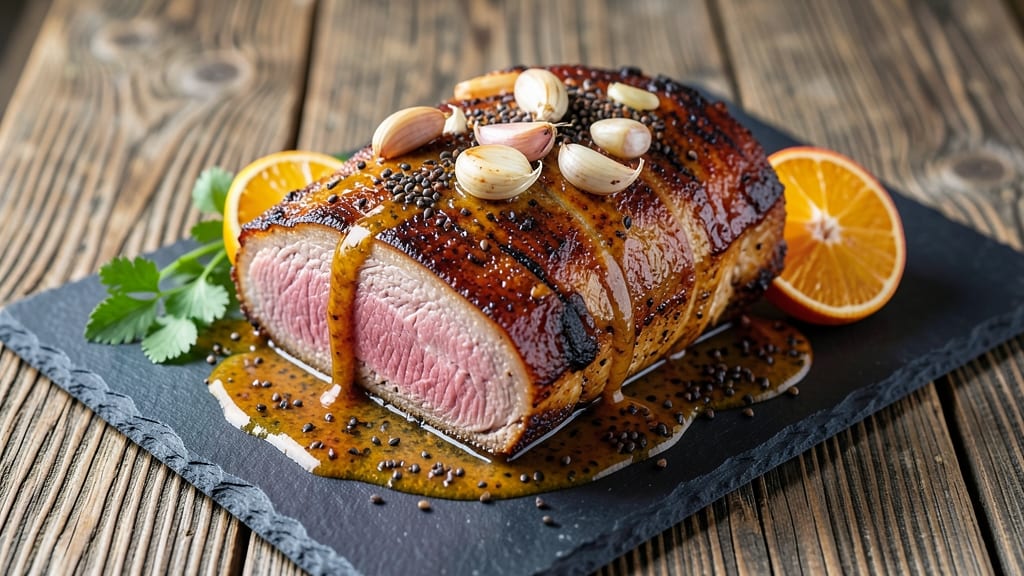
This Cuban pork recipe oven transforms a simple roast into a showstopper with crispy layers and melty cheese that’ll have your whole table begging for seconds. 🌟 Growing up in my Nonna’s kitchen, I learned that slow-roasted pork—marinated in citrus and spices—becomes irresistibly tender, while the oven’s dry heat creates that perfect crackling crust.
The secret? A balance of time and technique that turns tough cuts into melt-in-your-mouth perfection.
The magic starts with a marinade of orange juice, garlic, and cumin, which infuses the pork while keeping it juicy. Then, the oven does the heavy lifting—browning the skin to a golden finish while the interior stays succulent.
I’ve tested this recipe countless times, and the key is patience: letting the pork rest before slicing ensures every bite is juicy, not dry. This isn’t just dinner; it’s a celebration on a plate.
Pair it with classic sides like black beans, rice, and mojo sauce for the full Cuban experience, or serve it with a simple salad for a lighter touch. The crispy edges and tender meat make this dish feel special without requiring a restaurant-level kitchen.
Whether you’re hosting a gathering or just craving something hearty, this recipe delivers restaurant-quality results at home.
For those short on time, I’ve included a slow-cooker adaptation in the tips section—same incredible flavor, less hands-on work. The goal? A dish that feels like a hug from your favorite Cuban abuela, no matter how busy your week gets. Let’s get cooking!
Ingredients for cuban pork recipe oven
Pork shoulder, citrus, and spices—just the start of this showstopper with crispy edges and melty cheese.
| Ingredient | Amount | Notes |
|---|---|---|
| Pork Shoulder Roast 🐖 | 4 lb | Bone-in for best flavor, cut even |
| Fresh Orange Juice 🍊 | 1 cup | Freshly squeezed, not bottled |
| Garlic Cloves 🧄 | 6 cloves | Peeled, minced for marinade |
| Ground Cumin 🌿 | 1 tbsp | Freshly toasted for depth |
| Dried Oregano 🍃 | 1 tbsp | Mexican oregano preferred |
| Bay Leaves 🌿 | 2 whole | Fresh if available |
| Olive Oil 🫒 | ¼ cup | Extra-virgin for richness |
| Salt 🧂 | 1 ½ tsp | Kosher or sea salt |
| Black Pepper 🌶️ | ½ tsp | Freshly ground preferred |
| Shredded Monterey Jack Cheese 🧀 | 1 cup | Mild cheddar works too |
| Panko Breadcrumbs 🍞 | ½ cup | For crispy topping |
| Mustard Powder 🧂 | ½ tsp | Adds tangy depth |
| Fresh Cilantro 🌿 | ¼ cup | Chopped for garnish |
The pork shoulder is non-negotiable here. Bone-in gives you that rich flavor, and Costco or Whole Foods usually have the best cuts. Look for good marbling—those little white streaks mean juicier meat. If you can’t find bone-in, butterflied pork loin works in a pinch, but it won’t be as tender. The marinade is where the magic happens: fresh orange juice (none of that bottled stuff), toasted cumin for warmth, and Mexican oregano if you can find it—it’s got a different kick than Italian. Trader Joe’s carries it in their Latin foods section.
No fresh oranges? Grenadine or extra orange zest adds brightness. Short on cumin? Smoked paprika at half the amount gives a similar depth. The cheese topping can be swapped for Colby Jack or pepper jack if you’re feeling spicy. For the crispy crust, panko mixed with a pinch of salt is a game-changer—it’s lighter than regular breadcrumbs. Fresh cilantro is ideal, but dried works at one-third the amount. Pro tip: Let the marinade sit on the pork for at least 4 hours (overnight is best).
This pork reheats like a dream—350°F for 10 minutes keeps it crispy. Store leftovers in the fridge for 4-5 days, or freeze for 3 months (wrap tightly in foil). The cheese topping gets soggy if you overcook it, so add it fresh out of the oven. I like to double the recipe and freeze half—perfect for lazy weeknights. Garnish with extra cilantro right before serving, or it’ll wilt on you.
Why You'll Love This Recipe
- One-Pan Magic: The pork shoulder goes in raw, the citrus and spices do all the work—just a single tray, no fuss. I swear by this when I’m too tired to wash dishes after work.
- Bright & Bold: That fresh orange juice cuts through the richness while the cumin and oregano add a smoky warmth. Honestly, the first bite makes you wonder why you ever bought pre-marinated pork.
- Leftovers Heaven: This roast gets better the next day—shred it for sandwiches, toss it in rice, or reheat slices straight from the fridge. Between us, I’ve eaten this cold for lunch three times this month.
- Budget Win: Pork shoulder is cheap, and you’re using every bit of it—no wasted meat, no pricey shortcuts. Plus, the spices cost pennies but make it taste like a restaurant dish.
Step-by-step instructions for Cuban pork oven recipe
This method delivers perfectly crispy pork with melty cheese—just like your favorite Cuban sandwich.
👨🍳 Step 1: Marinate the Pork Shoulder for Maximum Flavor
In a large bowl, combine the 1 cup fresh orange juice, 0.25 cup olive oil, 6 minced garlic cloves, 1 tbsp ground cumin, 1 tbsp dried oregano, 1.5 tsp salt, 0.5 tsp black pepper, 0.5 tsp mustard powder, and 2 whole bay leaves. Whisk until the spices dissolve completely—you should see a vibrant, aromatic marinade.
Place the 4 lb pork shoulder roast in a resealable plastic bag and pour the marinade over it. Seal the bag tightly, massaging it to coat the meat evenly. Refrigerate for at least 4 hours (overnight is even better). This step infuses the pork with bright citrus and smoky spices, creating that signature Cuban flavor profile. Don't skip this—it makes all the difference!
🔥 Step 2: Preheat and Prepare for Crispy Perfection
Preheat your oven to 325°F—this lower temperature ensures the pork cooks through evenly without drying out. While it heats, remove the pork from the marinade (reserve the marinade for later) and pat it dry with paper towels. This drying step is crucial for achieving that crispy exterior we're after.
In a small bowl, mix the 1 cup shredded Monterey Jack cheese and 0.5 cup panko breadcrumbs. This topping will create a golden, cheesy crust that contrasts beautifully with the tender pork. Place the pork on a wire rack set inside a rimmed baking sheet—this allows heat to circulate all around, ensuring even cooking.
🥘 Step 3: Roast to Juicy Tenderness
Roast the pork for 3 hours until the internal temperature reaches 195°F (use a meat thermometer for accuracy). Here's the thing—pork shoulder needs time to break down and become fork-tender. Don't rush this step. You'll know it's ready when the meat pulls apart easily and the juices run clear.
During the last 30 minutes of cooking, sprinkle the cheese-panko mixture evenly over the top of the pork. The residual heat will melt the cheese and crisp the breadcrumbs, creating that irresistible crunchy topping. If the cheese starts to brown too quickly, tent the pork loosely with foil to prevent burning.
⏰ Step 4: Rest and Slice for Maximum Juiciness
Remove the pork from the oven and let it rest for 15 minutes before slicing. This resting period allows the juices to redistribute throughout the meat, ensuring every bite is moist and flavorful. Real talk: Skipping this step means dry, disappointing pork. Trust me, it's worth the wait!
Once rested, slice the pork against the grain into ¼-inch thick slices. The grain direction will be visible—you're looking for those long muscle fibers that run parallel to the skin. Each slice should be tender enough to pull apart with minimal effort, with a crispy, cheesy crust on top and succulent meat underneath.
Pro Tips For Making Cuban Pork Recipe Oven
- CRANK THE HEAT FIRST: Start your oven at 450°F (230°C) for the first 20 minutes—this sears the pork’s exterior and locks in juices before you lower it to 300°F (150°C). I learned this the hard way when my first batch turned out dry because I skipped the high-heat kickstart. The crust forms fast, so don’t rush the timing.
- USE SALTED ORANGE JUICE: Skip the plain juice—add ½ teaspoon of salt to your fresh orange juice. The acid brightens the flavor, but salt balances the tartness and penetrates the meat better. (Yes, even if the recipe doesn’t say it.) I was skeptical until I tried it, and now I can’t go back.
- PEEL THE GARLIC: No need to smash or chop the cloves—just peel them whole and toss them directly into the oven with the pork. They’ll soften and infuse the meat with flavor without turning bitter. (Your future self will thank you for not burning garlic paste.)
- REST THE PORK UNDER FOIL: After pulling the pork from the oven, tent it with foil and let it sit for 15 minutes before slicing. This keeps the juices from pooling on the cutting board. I skip this when I’m lazy, but the dish is noticeably better when I don’t—especially with pork shoulder.
Essential equipment for cuban pork recipe oven
Must-Have Oven Tools
First up, your oven thermometer—I can’t stress this enough. My trusty Thermoworks Oven Thermometer ensures your oven isn’t running hotter or cooler than it should be.
Pork shoulder needs precise temperature control, and a cheap dial thermometer on your oven door is often way off. 🌡️ I’ve seen ovens run 50°F hotter than their set temperature, which can turn perfectly tender pork into dry rubber.
Next, a wire rack is your secret weapon for crispy skin. I use a stainless steel rack from Ozeri that fits directly on my baking sheet. This elevates the pork, allowing heat to circulate underneath for even browning.
No rack? A cooling rack from the dollar store works too—just avoid wire racks with tiny holes that let juices drip away.
Cheese & Crispy Topping Essentials
For that golden, cheesy crust, you’ll need shredded Monterey Jack cheese—pre-shredded is fine, but avoid the pre-mixed kind with anti-caking agents (they make cheese less melty). I grab mine from Trader Joe’s because it’s consistent and affordable.
For the crispy topping, panko breadcrumbs are non-negotiable. Noriyoshi panko is my go-to—it’s light and stays crispy. Mix it with mustard powder for extra tang, just like my Nonna used to do.
Don’t forget a sharp carving knife—a Victorinox 8-inch does the job perfectly. Slicing against the grain is key, and a dull knife makes that impossible. I also keep kitchen twine handy to tie the pork shoulder before roasting.
It keeps the shape intact and looks impressive when you pull it out of the oven. 🔪
Budget-Friendly Swaps
No fancy tools? No problem. A meat thermometer is the only non-negotiable—Thermoworks makes affordable ones, but even a $10 instant-read thermometer from Amazon works. For the rack, aluminum foil can create a makeshift lift: crumple it into a base for your pork to sit on.
Just poke holes for airflow. I’ve also used baking sheets with edges to prop up the pork slightly—it’s not perfect, but it gets the job done.
Skip the panko? Crushed cornflakes or crushed potato chips (like Lay’s) add crunch. For cheese, Colby Jack or even mild cheddar work in a pinch. The goal is that melty, crispy contrast—don’t overthink it.
My first attempt used Ritz cracker crumbs, and honestly? It turned out fine. The dish is forgiving, and the flavor comes from the marinade, not the topping.
Pro Tips for Success
Invest in heavy-duty aluminum foil—the Reynolds Wrap kind—if you’re tenting the cheese topping. Thin foil tears easily, and you don’t want to deal with that mid-cook. I also keep a spray bottle with water nearby to mist the oven rack if the cheese browns too fast.
A quick spray keeps it from burning while still melting beautifully. 💦
Lastly, a large baking sheet (at least 18x13 inches) ensures the pork fits comfortably. If yours is smaller, roast the pork in batches or use a half-sheet pan. And here’s a pro move: Line your pan with parchment paper for easy cleanup.
Trust me, after roasting pork, you’ll thank yourself. The paper also helps prevent sticking if any juices escape.
Nutrition facts
Frequently asked questions
Can I use a different cut of pork instead of shoulder?
Yes! For a quicker cook, try a bone-in pork loin (about 3-4 lbs)—it’ll take 2-2.5 hours at 325°F instead of 3. If you prefer leaner meat, pork tenderloin works but needs extra care: roast at 300°F for 2 hours to avoid drying out. Just reduce the marinade time to 2 hours since tenderloin absorbs flavors faster.
How do I make this in a slow cooker?
Marinate the pork as directed, then place it in your slow cooker on low for 8 hours or high for 5 hours. For crispy edges, transfer to a baking sheet, top with cheese-panko mix, and broil for 3-5 minutes. The slow cooker keeps it juicy while the broiler adds that restaurant-style crunch. Pro tip: Use a meat thermometer—it should hit 195°F before broiling.
What’s the best way to reheat leftovers?
Slice the pork first, then reheat in a 350°F oven for 10-12 minutes on a wire rack (to keep it crispy) or in a skillet with 1 tbsp butter over medium heat for 3-4 minutes. Avoid microwaving—it turns the cheese soggy. For sandwiches, warm the pork in the pan with a splash of water to steam it gently. Leftovers keep for 4-5 days in the fridge.
Can I make this ahead of time?
Roast the pork 1 day ahead, let it cool, then refrigerate uncovered for 1 hour to dry the surface slightly. Reheat as directed above, then top with fresh cheese-panko mix and broil for 2-3 minutes to restore crispiness. For make-ahead marinating, the pork stays in the fridge for up to 24 hours (flavor peaks at 12 hours). Freeze uncooked pork in marinade for 3 months—thaw overnight in the fridge.
Why did my pork turn out dry?
Most likely, you skipped the resting time or overcooked it. Pork shoulder needs 15 minutes to rest after roasting—juices redistribute during this time. Check your internal temp: 195°F is perfect; 205°F+ means it’s overdone. Use a meat thermometer and avoid cutting into it early. For extra moisture, add ½ cup broth to the baking pan during roasting (baste occasionally).