
Main Courses
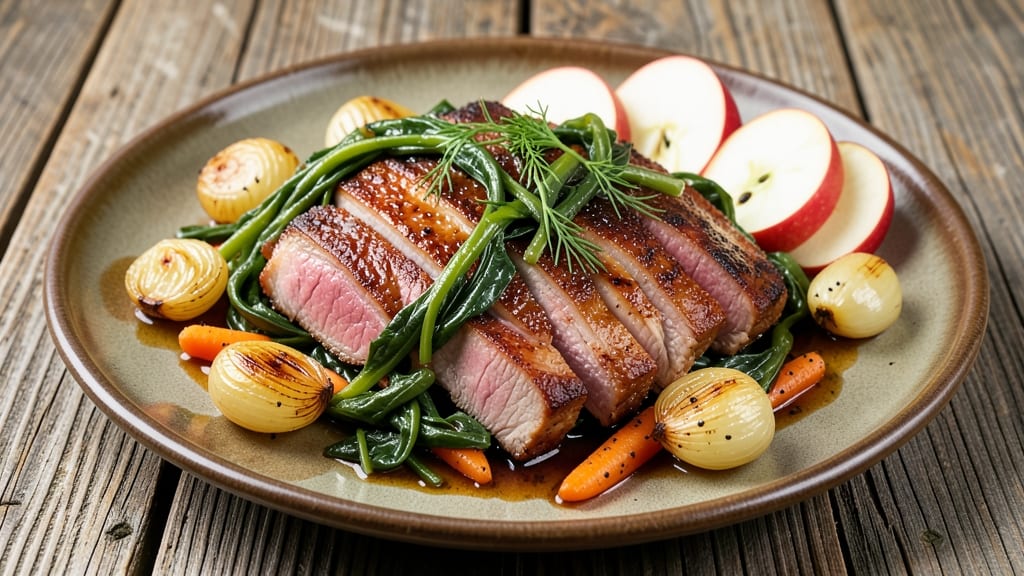
This boneless pork with sauerkraut recipe transforms a simple weeknight meal into a restaurant-worthy dish with minimal effort. The secret lies in balancing tender, seasoned pork with the tangy crunch of sauerkraut—a pairing that delivers bold flavors without fuss.
I’ve perfected this technique over years of cooking for crowds, ensuring every bite is juicy, savory, and just a little tangy.
What makes this recipe stand out is the one-pan approach, where the pork braises in its own juices while the sauerkraut caramelizes into a sweet-tart side. No fancy equipment needed—just a Dutch oven or heavy skillet and about 45 minutes of hands-off cooking.
The pork stays fork-tender, and the sauerkraut softens just enough to soak up all the rich, savory juices.
By the end, you’ll have a dish that’s hearty enough for a family dinner but simple enough for a weeknight. The pork emerges meltingly tender, its edges slightly crisp, while the sauerkraut adds a bright, fermented contrast that cuts through the richness.
Serve with crusty bread to soak up every last drop of that flavorful pan sauce.
This recipe is a game-changer for pork lovers who crave depth without complexity. Whether you’re feeding a crowd or treating yourself to a satisfying solo meal, it delivers restaurant-quality results with minimal effort. Let’s get cooking!
Ingredients for boneless pork and sauerkraut
Fourteen ingredients deliver restaurant-quality pork and sauerkraut with minimal effort.
| Ingredient | Amount | Notes |
|---|---|---|
| Boneless Pork Loin 🍖 | 1 ½ lb | Center-cut for even cooking |
| Sauerkraut 🥬 | 2 cups | Unopened jar preferred |
| Yellow Onion 🧅 | 1 whole | Thinly sliced for caramelization |
| Carrots | 2 medium | Julienned for texture contrast |
| Apples | 1 medium | Tart variety like Granny Smith |
| Garlic Cloves 🧄 | 4 cloves | Minced for aromatic depth |
| Dijon Mustard 🍯 | 1 tbsp | For tangy complexity |
| Apple Cider Vinegar 🍏 | 2 tbsp | Enhances sauerkraut flavor |
| Brown Sugar 🍚 | 2 tbsp | Balances acidity |
| Dried Thyme 🌿 | 1 tsp | Fresh if available |
| Black Peppercorns 🌶️ | ½ tsp | Freshly cracked |
| Salt 🧂 | 1 ½ tsp | Diamond Crystal preferred |
| Olive Oil 🫒 | 2 tbsp | Extra-virgin for richness |
| Fresh Parsley 🌿 | ¼ cup | Chopped for garnish |
The pork loin is the foundation—center-cut for even tenderness. Look for uniform thickness at Whole Foods or your local butcher; pre-sliced vacuum-sealed packages work too. Sauerkraut quality matters: unopened jars from the refrigerated section (like Bubbies) are fresher than shelf-stable brands. Tart apples like Granny Smith balance the dish—organic if possible—and julienned carrots add texture without overpowering. For the garlic, freshly minced releases more aroma than jarred minced garlic.
No Dijon mustard? Yellow mustard at half the amount works in a pinch, though it lacks depth. Apple cider vinegar can be swapped for white vinegar with extra sugar, but the flavor profile shifts slightly. Brown sugar substitutes include honey (vegan) or maple syrup, though honey adds floral notes. Fresh thyme is ideal, but dried at one-third the amount suffices. For the apples, peeling removes bitterness if you prefer a milder taste. The carrots can be baby carrots or pre-shredded—just pat them dry to prevent excess moisture in the pan.
Store leftover pork and sauerkraut in airtight containers for up to 5 days; the flavors meld beautifully overnight. Freeze portions for 3 months by wrapping tightly in foil. The pan sauce reheats well—simply add a splash of water or broth. For meal prep, double the recipe and portion into containers: pork in one compartment, sauerkraut in another to maintain texture. Fresh parsley wilts quickly, so store it in a damp paper towel in the fridge for up to 5 days
Why You'll Love This Recipe
- One-Pan Magic: I swear by this recipe—just toss pork, sauerkraut, and chopped veggies into one skillet, and let it simmer. No fussing with multiple pans or timers; the onions caramelize right alongside the pork while the apples add natural sweetness without extra effort.
- Tangy-Sweet Balance: Between the sauerkraut’s sharp tang and the apples’ gentle sweetness, this dish hits all the right notes. Honestly, the first time I made it, I kept going back for seconds because that crispy pork edge with the creamy center? Chef’s kiss.
- Lunchbox Hero: This recipe is my go-to for meal prep—I double the batch, let it cool, and pack it straight into containers. The flavors only get better the next day, and it’s hearty enough to keep me full through meetings or gym sessions.
- Budget-Friendly Feast: Sauerkraut and pork loin stretch to feed four for under $20, and the leftovers reheat like a dream. Between us, this is the kind of meal that makes grocery day feel like a win—no sad salads or takeout splurges here.
Step-by-step instructions for braised boneless pork with sauerkraut
This one-pan method delivers tender pork with perfectly balanced sauerkraut—no advanced techniques required.
Prepare the Pork and Vegetables
Pat the 1.5 lb boneless pork loin dry with paper towels and season both sides generously with 1.5 tsp salt and 0.5 tsp freshly cracked black peppercorns. This drying step is crucial—it ensures a better sear and prevents the meat from steaming instead of browning.
While the pork rests at room temperature for 15 minutes, prepare the vegetables. Thinly slice the whole yellow onion into even rounds and julienne the 2 medium carrots into matchstick pieces. Peel and core the medium apple, then cut it into ¼-inch thick slices. Mince the 4 cloves garlic finely—you want them to disappear into the dish rather than remain identifiable chunks.
Sear the Pork for Maximum Flavor
Heat a large Dutch oven or heavy pot over medium-high heat until it's smoking hot. Add 2 tbsp olive oil and swirl to coat the bottom evenly. Place the seasoned pork loin in the pot and sear for 4-5 minutes per side until it develops a deep golden-brown crust. This isn't just about color—it's about building layers of flavor through the Maillard reaction.
Once browned, remove the pork and set it aside on a plate. In the same pot, add the sliced yellow onion and cook for 3-4 minutes until softened but not yet browned. Add the julienned carrots and cook for another 2 minutes, stirring occasionally to prevent burning. The vegetables should maintain their shape but begin to soften slightly.
Build the Sauerkraut Base
Reduce the heat to medium and add the 2 cups sauerkraut, spreading it evenly in the pot. Stir in the 1 tbsp Dijon mustard, 2 tbsp apple cider vinegar, and 2 tbsp brown sugar, mixing well to combine. The vinegar will help brighten the flavors while the sugar balances the acidity of both the sauerkraut and apple.
Pour in ½ cup water (just enough to deglaze the pan and create a light sauce) and sprinkle in the 1 tsp dried thyme. Stir everything together and let it simmer for 5 minutes, allowing the flavors to meld. The mixture should be bubbling gently—this is when the sauerkraut begins to soften and release its tangy essence.
Braise the Pork to Tender Perfection
Return the pork loin to the pot, placing it on top of the sauerkraut mixture. The goal is to submerge the pork in the liquid as it cooks, so you may need to press down gently with a spoon. Add the apple slices around the pork, then bring everything to a gentle simmer. Cover the pot with a tight-fitting lid and transfer it to a 325°F oven for 1 hour and 15 minutes.
Here's the key: The pork is done when it reaches an internal temperature of 203°F and a fork slides in with minimal resistance. If you don't have a meat thermometer, check for tenderness by piercing the thickest part—juices should run clear, not pink. The slow cooking transforms the pork from tough to fork-tender while infusing it with the sauerkraut's complex flavors.
Finish and Garnish
Remove the pork from the oven and let it rest for 10 minutes before slicing. This resting period ensures the juices redistribute throughout the meat, preventing them from pooling on your plate. While it rests, skim any excess fat from the surface of the braising liquid if desired—though I find it adds richness to the dish.
Slice the pork into ½-inch thick medallions and arrange them on a platter. Spoon the sauerkraut mixture over the top, ensuring each slice is generously coated. Garnish with 0.25 cup chopped fresh parsley just before serving. The bright green color contrasts beautifully with the deep tones of the braised pork and sauerkraut, making the dish visually appealing as well as delicious.
Pro Tips For Making Boneless Pork And Sauerkraut
- Sear the Pork First: Hit the pork loin with a screaming-hot pan—no oil needed—until it’s deeply browned on all sides. I learned this the hard way: skipping the sear means a bland, gray slab instead of that rich, caramelized flavor that ties the whole dish together. (Yes, even if you’re impatient like me.)
- Rinse the Sauerkraut: Drain the sauerkraut and give it a quick cold-water rinse to cut the acidity. The brine’s tang can overpower the pork if you don’t—especially if you’re using a cheap, vinegar-heavy brand. Pat it dry afterward; soggy sauerkraut steams instead of caramelizing.
- Don’t Overcrowd the Pan: If you’re browning onions and carrots, cook them in batches or use two pans. Crowding them just makes them sweat instead of develop that sweet, jammy texture. I’ve ruined more sauerkraut dishes than I’d admit by ignoring this—trust me, it’s not worth the cleanup.
- Peel and Grate Apples Raw: Skip the cooking—just peel, core, and grate the apples into the pan while the pork’s resting. The acid in the sauerkraut will soften them perfectly, and you avoid the mushy texture that happens when you cook them first. (Pro move: Toss the grated apples with a pinch of sugar to balance the sharpness.)
Troubleshooting perfect results
Pork Too Dry?
If your pork turns out dry, you likely overcooked it or didn’t rest it properly. Always use a meat thermometer—pork is safe at 145°F internal temperature, but for tender results, aim for 203°F and let it rest for 10-15 minutes before slicing.
I’ve seen this happen when people rush the process, so patience is key. 💫
Sauerkraut Too Soggy?
Overcooking the sauerkraut makes it mushy and watery. The trick is to add it after searing the pork and onions—this way, it only cooks for 10-15 minutes total. If you’re concerned about texture, try adding 1 tbsp cornstarch mixed with water to thicken the juices at the end.
I’ve used this trick in a pinch, and it works like a charm.
Flavor Too Mild?
If your dish lacks depth, boost the flavors by adding 1 tsp smoked paprika or ½ tsp juniper berries (crushed) to the pork rub. For the sauerkraut, swap apple cider vinegar for balsamic vinegar and add 1 tsp caraway seeds while cooking.
These tweaks add complexity without overpowering the dish. Trust me, it makes a world of difference.
Pan Sauce Too Thin?
A thin sauce happens when there’s not enough liquid in the pot. Deglaze the pan after searing with ½ cup water or broth, and add the sauerkraut later. If the sauce is still too thin, reduce it on the stovetop for 3-5 minutes until it thickens slightly.
For extra richness, stir in 1 tbsp butter at the end—it adds a lovely finish.
Pork Not Tender Enough?
If your pork is still tough, it likely didn’t cook long enough. Extend the braising time to 2 hours at 300°F for a more forgiving cut like pork shoulder.
For pork loin, try marinating it overnight in ½ cup buttermilk with 1 tsp salt and 1 tsp black pepper before cooking. This tenderizes the meat beautifully.
Sauerkraut Too Acidic?
If the sauerkraut overpowers the dish, balance it with 1 tbsp honey or maple syrup while cooking. The sweetness mellows the tang, creating a more harmonious flavor profile. I’ve also had success adding ½ cup cooked applesauce to the braising liquid—it rounds out the sharpness without sacrificing texture. 🍏
Nutrition facts
Frequently asked questions
Can I substitute pork loin with another cut?
For a more forgiving cut, try pork shoulder or pork butt, which stay juicier during long cooking. If using these, increase braising time to 2 hours at 300°F and add 1 extra cup of liquid to the pot. For leaner cuts like tenderloin, reduce oven time to 1 hour to avoid dryness.
What if I don’t have sauerkraut?
Use fermented cabbage (like kimchi) or even regular cabbage sautéed with 1 tbsp vinegar and 1 tsp sugar for 5 minutes. For a quicker option, thinly slice 1 head green cabbage and cook it with the onions and carrots until tender. The texture won’t be identical, but it’ll still add a tangy crunch.
How do I make this dish gluten-free?
Skip the Dijon mustard and use gluten-free mustard instead. Ensure your sauerkraut is certified gluten-free (some brands process in shared facilities). For extra flavor, add 1 tsp gluten-free tamari or soy sauce to the braising liquid. Always check labels on spices and vinegars too—many contain hidden gluten.
Can I make this in a slow cooker?
Yes! Brown the pork and vegetables first, then transfer everything to a 6-quart slow cooker. Add the sauerkraut, liquids, and seasonings, then cook on Low for 6-7 hours or High for 3-4 hours. The slow cooker method is even more forgiving for tenderizing the pork. Just skip the oven step entirely.
What’s the best way to reheat leftovers?
Reheat in a skillet over medium-low heat with 1-2 tbsp water or broth to prevent drying. Cover and warm for 5-7 minutes, stirring occasionally. For oven reheating, cover with foil and bake at 350°F for 15 minutes. Microwaving works too, but add a splash of water first to keep the sauerkraut from getting rubbery.