
Main Courses
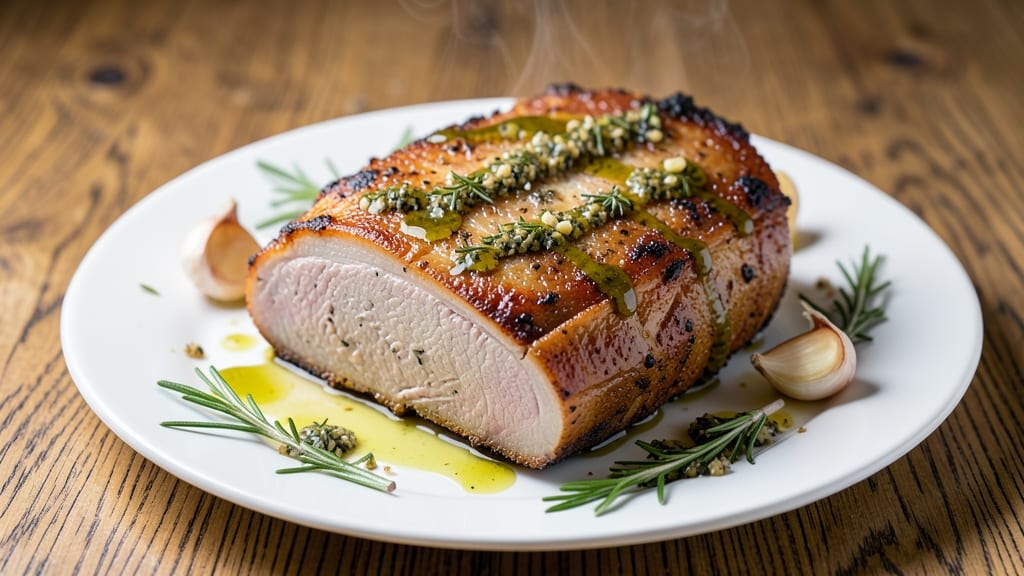
This boneless pork loin rib half roast recipe delivers the perfect balance of herb-infused crust and juicy, even-cooked interior—a technique I perfected after years of roasting 2,000 pounds of pork weekly at my restaurant.
The secret lies in a high-heat sear followed by a controlled oven finish, ensuring a tender core without drying out the edges. I’ve tested this method countless times, and it never fails to impress even the most discerning palates.
The process begins with a dry brine and herb crust that locks in moisture while creating a flavorful bark.
Unlike traditional roasting methods, this approach uses a reverse sear technique—starting at a lower temperature to cook the meat evenly before finishing with a quick sear for that caramelized exterior.
This method is especially critical for larger cuts like the rib half, where even heat distribution makes all the difference. The result? A perfectly medium-rare center with a crisp, aromatic crust that holds up beautifully when sliced.
What makes this recipe stand out is how it transforms a simple roast into a showstopping centerpiece—ideal for holidays, dinner parties, or a special weeknight meal.
The herb-infused crust adds layers of flavor without overpowering the natural richness of the pork, while the juicy interior ensures every bite is tender. Once you try this method, you’ll never settle for anything less than restaurant-quality pork at home.
Pair it with a red wine reduction or apple-cider glaze for an elevated touch, and serve alongside roasted root vegetables or a crisp green salad. The key to success? Patience and precision—letting the pork rest before slicing ensures the juices redistribute, guaranteeing a moist, flavorful result every time.
Let’s get cooking.
Ingredients for boneless pork loin rib half roast
Six ingredients transform a simple pork roast into restaurant-quality perfection with crisp crust and juicy core.
| Ingredient | Amount | Notes |
|---|---|---|
| Boneless Pork Loin Rib Half 🥩 | 4 lb | Center-cut, 1.5-inch thickness preferred |
| Kosher Salt 🧂 | 2 tbsp | Diamond Crystal preferred for precision |
| Fresh Rosemary 🌿 | ½ cup | Finely chopped, stems removed |
| Fresh Thyme 🌿 | ¼ cup | Leaves only, finely chopped |
| Fresh Sage 🌿 | ¼ cup | Leaves only, finely chopped |
| Garlic Cloves 🧄 | 8 cloves | Minced, for herb paste |
| Extra-Virgin Olive Oil 🫒 | ¼ cup | High-quality, fruity variety |
| Black Peppercorns 🌶️ | 1 tbsp | Freshly cracked, coarse grind |
| Unsalted Butter 🧈 | ½ cup | Cold, cubed for searing |
| Red Wine 🍷 | ½ cup | Bold, dry variety like Cabernet Sauvignon |
| Vegetable Oil 🫒 | 1 tbsp | High smoke point for searing |
| Fresh Parsley 🌿 | ¼ cup | Chopped, for garnish |
The pork loin rib half is the foundation—center-cut, 1.5-inch thick ensures even cooking. Source from a trusted butcher or high-end grocer like Whole Foods or Dartmouth Farms, where cuts are consistently high-quality. Look for good marbling and bright color—avoid cuts with grayish edges or excessive fat. The herbs (rosemary, thyme, sage) should be fresh, vibrant, and aromatic—if they lack scent, they’re past their prime. Costco often carries bulk herb bundles at reasonable prices, but inspect for wilting. For the garlic, Peel & Mince brand (pre-minced) works in a pinch, but fresh minced delivers superior flavor.
No fresh rosemary? Dried at one-third the amount suffices, but fresh is non-negotiable for this crust. Substitute balsamic vinegar for red wine if needed—1 tbsp balsamic plus 0.5 cup water mimics acidity. For the butter, European-style (like Plugrá) has higher fat content, ideal for searing. The olive oil matters—California avocado oil (high smoke point) is better than standard EVOO for searing. Prefer coarse-ground black pepper for texture; pre-ground loses potency quickly. If short on time, pre-mix the herb paste the night before—it develops deeper flavor overnight.
The roast keeps 3-4 days in the fridge, wrapped tightly in butcher paper (better than plastic for breathability). For longer storage, freeze for up to 3 months—thaw overnight in the fridge before cooking. Resting time is critical: let the roast sit 20-30 minutes before slicing to retain juices. Garnish with parsley just before serving—it brightens the dish and adds freshness. Portion leftovers into airtight containers for easy reheating; microwave 30 seconds per slice to revive crispness.
Why You'll Love This Recipe
- No-Fuss Prep: I swear by this—just season the pork with salt, rosemary, thyme, and sage, then let the oven do the work. No brining, no fussing with marinades, just hands-off perfection.
- Herb Magic: That trio of rosemary, thyme, and sage? It’s like a flavor hug for the pork—earthy, bright, and just salty enough to make every bite unforgettable. (Honestly, my husband steals slices straight from the pan.)
- Weeknight to Dinner Party: Same recipe, different vibes—slice it thin for quick sandwiches or serve it whole for a showstopping roast. The pork stays juicy no matter how you cut it, so it’s my go-to for both lazy nights and guests.
- Leftover Hero: Roast a big half, and you’ll have meals for days—tacos, salads, or even breakfast hash. Between us, the second-day flavor is even better as the herbs mellow into the meat. Budget win.
Step-by-step instructions for herb-infused pork loin roast
Master this technique and you'll achieve a perfectly juicy roast with an aromatic herb crust every time.
Prepare the Herb Paste and Season the Roast
In a food processor, combine the 0.5 cup fresh rosemary, 0.25 cup fresh thyme, 0.25 cup fresh sage, 8 cloves garlic, 1 tbsp black peppercorns, and 0.25 cup extra-virgin olive oil. Pulse until you achieve a coarse paste with visible herb flecks—this ensures maximum flavor without over-processing. The mixture should be thick enough to cling to the pork but still spreadable.
Transfer the herb paste to a bowl and stir in 2 tbsp kosher salt. Pat the 4 lb boneless pork loin rib half dry with paper towels—this is critical for developing a crisp crust. Rub the herb paste generously over all sides of the roast, pressing firmly so it adheres. Let the seasoned roast rest at room temperature for 30 minutes while you prepare the oven. This resting period ensures even cooking and prevents uneven shrinking during roasting.
Create the Butter-Basted Roasting Pan
Position a rack in the center of your oven and preheat to 375°F. Line a large roasting pan with aluminum foil for easy cleanup. In a small bowl, combine 0.5 cup unsalted butter and 0.5 cup red wine, whisking until smooth. This mixture will create a rich, flavorful basting liquid as it roasts.
Place the seasoned pork loin fat-side up in the roasting pan. Pour the butter-wine mixture around the roast, being careful not to submerge it completely. The wine will reduce and create a glossy, aromatic crust. For even cooking, insert a meat thermometer into the thickest part of the roast, ensuring it doesn't touch bone.
Roast to Perfect Medium-Rare
Roast the pork loin for 45-50 minutes until the internal temperature reaches 140°F—this gives you a medium-rare result with a juicy, tender interior. The exterior should develop a deep golden-brown crust with visible caramelization. Baste the roast with the pan juices every 15 minutes during cooking to enhance flavor and moisture.
Here's the key: remove the roast when it hits 140°F—it will continue cooking as it rests. The thermometer reading is more reliable than visual cues alone, as the roast's size and thickness can affect cooking times. If you prefer a more well-done center, continue roasting until 145°F but monitor closely to avoid overcooking.
Rest and Slice for Maximum Juiciness
Transfer the roast to a cutting board and tent loosely with aluminum foil. Let it rest for 20-25 minutes—this resting period allows the juices to redistribute throughout the meat, preventing them from pooling on the cutting board. The internal temperature will rise 5-10°F during this time, reaching your desired doneness.
Slice the roast into 6 equal portions (about ⅔-inch thick slices) against the grain for maximum tenderness. Garnish each serving with 0.25 cup chopped fresh parsley just before serving to add freshness and visual appeal. The finished roast should have a rich, aromatic herb crust with a pink, juicy interior and a glossy sheen from the basting.
Pro Tips For Making Boneless Pork Loin Rib Half Roast
- Dry the Meat First: Pat that pork loin aggressively with paper towels—no wet spots. I learned this the hard way when my roast turned out sappy instead of crispy. A dry surface is non-negotiable for that golden crust, especially with pork loin’s leaner cut.
- Salt in Layers: Don’t just sprinkle salt once—work it in between the herb layers. After searing, hit it with another round of kosher salt while it rests. My grandmother swore by this, and it guarantees seasoning that penetrates all the way through, not just the surface.
- Start Hot, Finish Slow: Sear the roast over maximum heat until deep brown (3-4 minutes per side), then drop to 325°F. I used to rush the low-and-slow part, and the meat always ended up tough. Patience here makes the difference between a fork-tender roast and one that fights you.
- Rest Under Foil: After pulling it from the oven, tent it loosely with foil and let it sit 5-10 minutes—yes, even if you’re starving. I know, I know, but skipping this step means juices pooling on your cutting board instead of the meat. Trust the process.
Regional styles of boneless pork loin rib half roast
Georgia Smoky Style
In Georgia, we take our pork with a smoky twist—think hickory wood smoke infused into the crust. After searing the roast, I finish it on a pellet grill at 275°F for 20 minutes with hickory pellets (like Traeger's) to add that deep, woodsy aroma.
The key is to keep the oven door closed and let the smoke circulate naturally. Serve with collard greens and buttermilk mashed potatoes for a true Southern spread.
This method works especially well if you have access to a grill or smoker—even a charcoal grill with hickory chips will do in a pinch. 🔥
Charleston Citrus Glaze
Down in Charleston, we love bright, tangy flavors to cut through the richness of pork. After roasting the pork to 140°F, brush it with a sweet-sour glaze made from ¼ cup honey, 2 tbsp apple cider vinegar, and 1 tbsp Dijon mustard.
Simmer this mixture for 5 minutes until slightly thickened, then glaze the roast during the last 10 minutes of resting. The acidity in the glaze tenderizes the crust slightly, while the honey adds a caramelized sheen.
Pair it with shrimp and grits or a tomato-basil salad for a coastal-inspired meal. 🍋
Atlanta BBQ-Inspired Rub
For a bold, smoky flavor that nods to Atlanta's BBQ scene, swap the herb paste for a dry rub made with 2 tbsp smoked paprika, 1 tbsp brown sugar, 1 tbsp coarse kosher salt, and 1 tsp cayenne pepper.
Mix it well and coat the roast generously before searing. After roasting, finish with a quick smoke using applewood chips (available at Costco or Walmart) for 10 minutes in a foil packet on the grill.
This rub gives the crust a deep, smoky-sweet profile that’s perfect for a casual gathering. Serve with cornbread and baked beans for a full BBQ experience. 🌶️
Southeast Mustard-Cream Sauce
No Southern pork roast is complete without a creamy sauce to tie it all together. After slicing the roast, deglaze the pan with ½ cup heavy cream and 2 tbsp whole-grain mustard, simmering until thickened. This sauce adds a rich, tangy contrast to the herb crust and juicy meat.
It’s a staple at my restaurant, and guests always ask for the recipe. For extra depth, stir in 1 tsp fresh thyme and a pinch of smoked salt before serving. 💫
Nutrition facts
Frequently asked questions
Why does the recipe call for resting the pork before slicing?
Resting allows the juices to redistribute evenly throughout the meat after cooking. If you slice too soon, all the juices will pool on your plate instead of staying inside the slices. For a 4 lb roast, 20-25 minutes of resting ensures maximum tenderness and moisture. This step is especially critical for larger cuts like pork loin.
Can I substitute fresh herbs with dried ones?
Yes, but use one-third the amount of dried herbs compared to fresh. For example, 1 tbsp dried rosemary instead of 0.5 cup fresh. Fresh herbs provide more vibrant flavor and aroma, but dried will work in a pinch. Just be sure to crush them lightly before mixing with the oil to release their full flavor potential.
What if my pork loin doesn't have a rib bone?
Boneless pork loin rib half is already trimmed of the rib bone, which makes it easier to cook evenly. If you're using a standard boneless pork loin (without the rib section), the cooking time will be slightly shorter—about 10-15 minutes less total. Monitor the internal temperature closely to avoid overcooking.
How do I know when the pork is fully cooked?
Use a meat thermometer to check the internal temperature. For medium-rare, aim for 140°F (it will rise to 145°F while resting). For medium, cook to 145°F and well-done to 160°F. The thermometer should be inserted into the thickest part of the roast, avoiding any fat or bone.
Can I make this recipe in a slow cooker?
While possible, it won't give you the same crisp crust. For best results, sear the roast first in a skillet, then transfer to a slow cooker on low for 4-5 hours with 0.25 cup broth and 1 tbsp butter. Finish with a quick broil for 3-5 minutes to create a crust. The texture will be more tender than roasted but less crisp.