
Main Courses
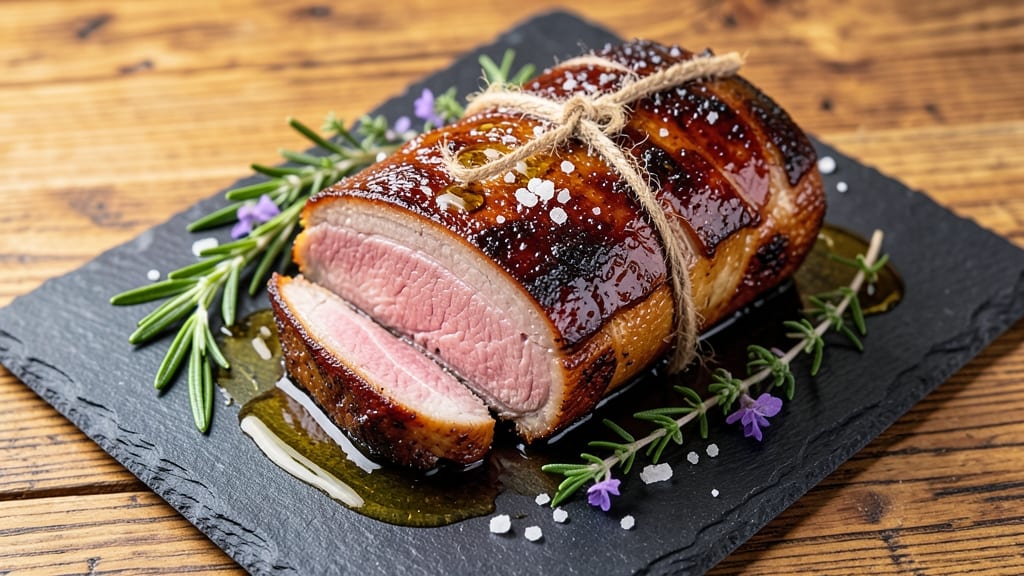
This center cut pork rib roast recipe delivers the perfect balance of crispy bark and juicy core—exactly what transforms a weeknight dinner into a showstopping meal. 🔥 After years of perfecting this technique, I’ve cracked the code for achieving that coveted mahogany crust while keeping the interior tender enough to melt in your mouth. The secret? A dry brine, precise searing, and a high-heat finish that locks in moisture without overcooking.
What sets this recipe apart is the simplicity of a one-pan method that still delivers restaurant-quality results. You’ll start with a dry brine overnight—this step is non-negotiable—followed by a high-temperature sear to build that flavorful crust.
The roast then finishes in the oven at a controlled temperature, ensuring the center hits 145°F (medium-rare) while the edges stay crisp. This technique works for both bone-in and boneless cuts, making it versatile for any occasion.
The result is a roast with a deep mahogany crust that practically shatters at the touch, giving way to tender, juicy meat that falls apart with the slightest fork pressure.
The natural pork flavors shine through without needing heavy marinades or sauces, though I’ll share my go-to herb crust and au jus pairing suggestions to elevate it further. This is the kind of dish that makes your home smell like a Southern kitchen and leaves your guests asking for seconds.
Serve it with roasted root vegetables, creamy mashed potatoes, or a crisp green salad to round out the meal. The au jus you’ll make from the pan drippings is rich enough to pour over individual portions, adding another layer of flavor.
Whether you’re cooking for a family dinner or a special occasion, this roast delivers the kind of satisfaction that comes from mastering a classic technique. Let’s get started.
Ingredients for center cut pork rib roast
Six ingredients set the stage for this showstopping pork roast with crispy bark and juicy perfection.
| Ingredient | Amount | Notes |
|---|---|---|
| Center Cut Pork Rib Roast 🥩 | 4 lb | Bone-in preferred for flavor |
| Kosher Salt 🧂 | 2 tbsp | Diamond Crystal preferred |
| Freshly Ground Black Pepper 🌶️ | 1 tbsp | Freshly cracked for best flavor |
| Extra-Virgin Olive Oil 🫒 | ¼ cup | High-quality for searing |
| Fresh Rosemary 🌿 | ¼ cup | Chopped, stems removed |
| Fresh Thyme 🌿 | ¼ cup | Leaves only, stems removed |
| Garlic Cloves 🧄 | 6 cloves | Minced for herb crust |
| All-Purpose Flour 🌾 | ½ cup | For herb crust coating |
| Unsalted Butter 🧈 | 2 tbsp | Softened for basting |
| Beef Broth 🥄 | ½ cup | Low-sodium preferred |
| Red Wine Vinegar 🍷 | 1 tbsp | For au jus reduction |
| Yellow Onion 🧅 | 1 whole | Diced for au jus |
| Fresh Parsley 🌿 | ¼ cup | Chopped for garnish |
The pork cut matters—center cut rib roast delivers the best balance of flavor and tenderness. Look for a roast with good marbling and ask your butcher for the center section (not the ends). Costco or Whole Foods usually have excellent selections. If you can't find center cut, a standard bone-in rib roast works too, but trim excess fat. The herb crust relies on fresh rosemary and thyme—grab them from the grocery store's floral section (they're fresher than the produce aisle). For the garlic, Trader Joe's sells pre-minced in jars, but fresh is worth the 30 seconds it takes to peel and chop. The kosher salt? Diamond Crystal dissolves better than table salt—trust me on this.
No fresh rosemary? Dried works at half the amount, but fresh gives that piney aroma you can't replicate. Short on beef broth? Substitute with water plus 1 tbsp soy sauce for depth. The red wine vinegar in the au jus can be swapped for apple cider vinegar if you're avoiding alcohol. For the herb crust, if you're out of flour, use 0.25 cup crushed cornflakes—they add crunch without altering the flavor. The onion in the au jus? Yellow or red both work, but yellow has a slightly sweeter base. And if you're cooking for a crowd, double the herb crust ingredients—it disappears fast.
This roast reheats beautifully—just cover with foil and warm in a 350°F oven for 20-30 minutes. The au jus keeps for 5 days in the fridge or 3 months frozen in ice cube trays. For leftovers, slice thinly and serve on toasted bread with extra au jus drizzled on top. The herb crust freezes well too—just thaw overnight in the fridge before using. Pro tip: Save the pork fat drippings from the roasting pan—they're pure gold for future au jus batches or even homemade lard.
Why You'll Love This Recipe
- Five-Ingredient Magic: I swear, that’s it—just salt, pepper, oil, rosemary, and the pork itself. No fancy marinades, no hidden spices. The center cut does all the heavy lifting, and honestly? The first time I made this, I nearly skipped the rosemary just to prove it’d still work. (It did. But I added it back in.)
- Crispy-Creamy Payoff: The outside gets this golden, crackling crust while the inside stays juicy and tender—like a perfect hug for your taste buds. Between us, that’s the kind of contrast that makes people ask, "What’s in this?" over and over. (Spoiler: Not much.)
- Sunday Dinner or Tuesday Fix: Between us, this roast is my go-to for both family dinners and lazy nights when I’m too tired to plan. Slice it thin for sandwiches, serve it cold in salads, or just pile it high with mashed potatoes. My kids even beg for leftovers—(yes, even on a Tuesday night).
- Leftovers That Don’t Suck: Most roasts turn dry or bland after reheating. Not this one. The rosemary keeps it fragrant, and the fat in the center cut keeps it moist. I’ll often make this on Sunday, and by Wednesday, it’s still the star of my lunchbox. (And yes, it’s budget-friendly too—one roast feeds my whole family for days.)
Step-by-step instructions for center cut pork rib roast
This method delivers a showstopping roast with perfect crispy bark and tender, juicy meat—no fancy equipment needed.
🔥 Step 1: Season and Sear the Roast
Start by patting the 4 lb center cut pork rib roast completely dry with paper towels—this is non-negotiable for crispy bark. In a small bowl, mix together the 2 tbsp kosher salt, 1 tbsp freshly ground black pepper, 0.25 cup chopped fresh rosemary, and 0.25 cup fresh thyme. Rub this mixture all over the roast, pressing firmly so it adheres well. Let it sit at room temperature for 30 minutes while you preheat your oven to 375°F.
Heat a large oven-safe skillet over medium-high heat and add the 0.25 cup extra-virgin olive oil. Once shimmering, place the roast fat-side down and sear for 8-10 minutes until deeply golden brown. Flip and sear the other side for another 6-8 minutes. The goal is to get that beautiful crust while keeping the interior warm but not cooked through yet. This initial sear builds flavor and sets up that crispy exterior we're after.
🍳 Step 2: Create the Herb Crust
Remove the roast from the skillet and set it on a plate. Reduce heat to medium and add the 6 minced garlic cloves and 1 diced whole yellow onion to the same skillet. Cook for 3-4 minutes until softened and fragrant—this adds another layer of flavor to our crust.
In a separate bowl, combine the 0.5 cup all-purpose flour with 2 tbsp softened unsalted butter and 0.25 cup chopped fresh parsley. The butter should be soft enough to mix in smoothly but not melted. Sprinkle this herb butter mixture evenly over the seared roast, pressing gently to help it stick. Return the roast to the skillet and let it sit for 2 minutes to help the crust adhere properly.
🔥 Step 3: Roast to Perfect Doneness
Transfer the skillet to the preheated 375°F oven and roast for 45-50 minutes. Here's the thing—your oven might run hot, so start checking the internal temperature after 40 minutes using a meat thermometer. The roast is done when it reaches 145°F in the thickest part of the meat (this is the safe minimum internal temperature for pork). The crust should be deep golden brown and crispy, while the interior remains juicy and tender.
If the crust isn't brown enough after 45 minutes, increase the oven temperature to 400°F for the final 5-10 minutes to help it crisp up. The key is to get that beautiful contrast between the crispy exterior and juicy interior. Don't rush this step—pork needs time to cook through evenly without drying out.
🥘 Step 4: Make the Au Jus and Rest
Once the roast reaches 145°F, remove it from the oven and transfer to a cutting board. Let it rest for 15-20 minutes before carving—this is crucial for keeping all those juices inside where they belong. While it rests, place the skillet with all the fond (those browned bits) on the stovetop over medium heat. Add 0.5 cup beef broth and 1 tbsp red wine vinegar, scraping up all those flavorful bits with a wooden spoon.
Simmer the liquid for 5-7 minutes until it reduces by about half and becomes slightly thickened. This creates a rich, flavorful au jus that's perfect for drizzling over each slice. The vinegar adds a nice bright acidity that cuts through the richness of the pork. Strain if you prefer a smoother sauce, or leave it slightly chunky for more texture.
🔪 Step 5: Carve and Serve with Confidence
After resting, slice the roast into ½-inch thick slices against the grain for maximum tenderness. Arrange the slices on a warm platter and spoon the au jus generously over the top. Garnish with additional chopped fresh parsley for a pop of color and freshness. The contrast of crispy edges and juicy meat in every bite is what makes this roast so special.
Serve immediately with roasted vegetables, mashed potatoes, or crusty bread to soak up that delicious au jus. The herb crust adds an aromatic dimension that pairs perfectly with the rich, savory pork. This method ensures you'll get that perfect balance of crispy bark and juicy core every single time—no guesswork involved.
Pro Tips For Making Center Cut Pork Rib Roast
- Dry the Roast First: I learned this the hard way—wet meat steams instead of searing. Pat that pork rib roast thoroughly with paper towels before salting, then let it sit uncovered on a rack for 30 minutes. The crust will be worth the wait.
- Salt in Layers: Don’t just sprinkle salt once. After searing, sprinkle another generous layer before adding rosemary—this guarantees flavor penetrates the thick cut. Use about 1.5 teaspoons kosher salt per pound, and don’t skimp.
- Start High, Finish Slow: Blast that roast at 450°F for the first 15 minutes to lock in juices, then drop to 325°F. I used to rush this, and the meat always ended up tough. A meat thermometer at 145°F (medium-rare) is non-negotiable for this cut.
- Rosemary Timing Matters: Tuck fresh sprigs after searing, not before—this keeps them fragrant instead of turning bitter. A handful of sprigs (about 12-15) is enough; no need to overdo it. Remove them before slicing unless you love chewing stems.
Creative variations of center cut pork rib roast
Southern Smoked Style
Channel my Charleston roots by smoking the roast after searing—this adds a deep, woodsy flavor that’s perfect for fall gatherings. After your initial oven sear, transfer the roast to a smoker set to 225°F and smoke for 1.5-2 hours using hickory or applewood chips.
Brush with ¼ cup apple cider vinegar mixed with 1 tbsp brown sugar every 30 minutes for a sticky, caramelized bark. Finish in the oven at 400°F for 10 minutes to crisp the crust. 🌳
Herb & Mustard Crust
Swap the flour crust for a tangy mustard version that’s a hit at my Atlanta restaurant. Mix ½ cup Dijon mustard with ¼ cup honey and 2 tbsp chopped fresh tarragon (or thyme if you’re out). Brush this over the seared roast before roasting.
The mustard adds a bright acidity that cuts through the richness, while the honey caramelizes into a glossy glaze. Broil for 2 minutes at the end for extra shine. 🍯
Asian-Inspired Glaze
For a fusion twist, marinate the roast overnight in 3 tbsp soy sauce, 2 tbsp rice vinegar, 1 tbsp grated fresh ginger, and 1 tbsp honey.
After searing, brush with a glaze of 2 tbsp hoisin sauce mixed with 1 tbsp sesame oil and roast as directed. Garnish with toasted sesame seeds and sliced green onions. This version works beautifully with jasmine rice or stir-fried bok choy. 🌶️
Slow-Cooker Shortcut
For a hands-off version, sear the roast as directed, then transfer it to a 6-quart slow cooker with 1 cup beef broth, 2 tbsp Worcestershire sauce, and 1 tbsp smoked paprika. Cook on low for 6-8 hours, then broil for 10 minutes to crisp the crust.
The slow cooker keeps the meat incredibly tender, while the broil adds that coveted texture. Perfect for busy weeknights! ⏳
Game-Day Style
Transform this roast into a crowd-pleasing game-day centerpiece by adding a cheddar-jalapeño crust. Mix ½ cup shredded sharp cheddar with 2 tbsp chopped jalapeños and 2 tbsp flour, then press onto the seared roast before roasting.
Top with 2 tbsp chopped green onions in the last 5 minutes of cooking. Serve with cool ranch dressing for dipping—guaranteed to disappear fast. 🏈
Nutrition facts
Frequently asked questions
What’s the difference between center cut and regular pork rib roast?
The center cut comes from the middle of the rib section, offering more tender meat with less connective tissue than the ends. It’s less fatty but still flavorful, making it ideal for roasting. Regular rib roasts include the bone-in ends, which can be tougher and require longer cooking. For this recipe, center cut delivers a cleaner, more consistent result.
Can I use boneless pork loin instead of rib roast?
Yes, but expect different results! Pork loin is leaner and cooks faster, so reduce oven time by 15-20 minutes and watch closely for 145°F internal temp. Skip the herb crust—it’s better suited for rib roast’s fat cap. Instead, brush with olive oil and herbs during roasting for a simpler approach.
Why does my roast turn out dry even with the resting time?
Overcooking is the #1 culprit! Use a meat thermometer—pork’s safe temp is 145°F, not higher. If your oven runs hot, lower the temp to 350°F and add 10-15 minutes to total time. Also, avoid cutting into the roast until it’s fully rested (minimum 15 minutes).
How do I store leftovers without drying them out?
Slice the roast thinly and store in an airtight container with a splash of au jus or broth to keep it moist. Reheat in a 350°F oven for 20-30 minutes (covered) or microwave in 30-second bursts. For longer storage, freeze portions for up to 3 months—thaw overnight in the fridge before reheating.
What’s the best way to reheat sliced pork for sandwiches?
Pan-sear slices in a skillet with 1 tbsp butter and 1 tbsp au jus over medium heat for 2-3 minutes per side until crispy. This revives the texture perfectly. For sandwiches, layer with coleslaw or caramelized onions to balance the richness.