
Main Courses
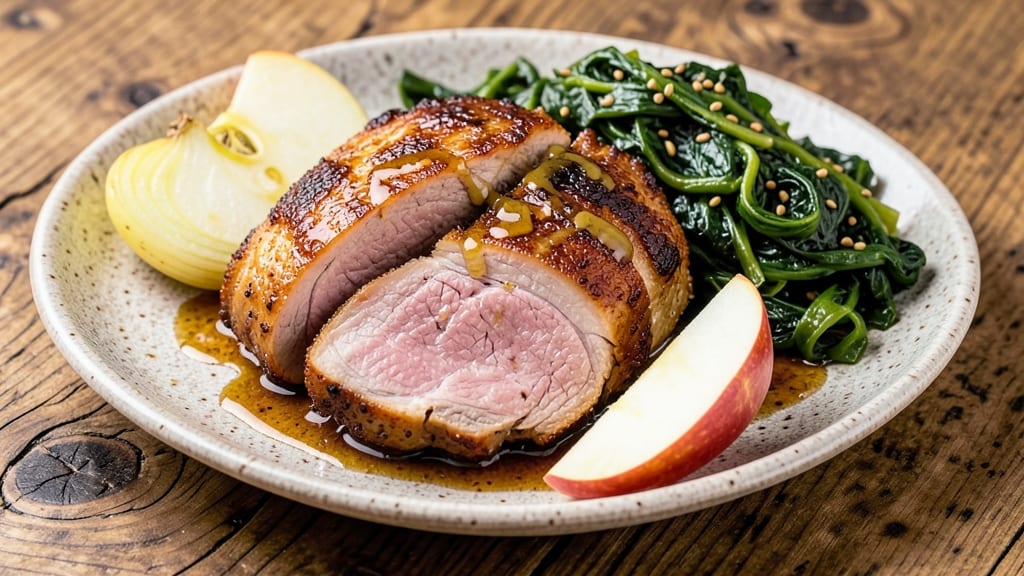
This boneless pork loin roast and sauerkraut recipe delivers the hearty, comforting flavors of a classic German feast—juicy pork with tangy, caramelized sauerkraut—all in one pan.
I've perfected this method over years of cooking for crowds, balancing tender meat with the bold, fermented crunch of sauerkraut that cuts through the richness. The secret?
A simple brine for moisture and a high-heat sear to lock in flavors, paired with sauerkraut that's sautéed until just crispy at the edges.
The beauty of this recipe lies in its simplicity: a single roasting pan handles everything, from the pork's golden crust to the sauerkraut's caramelized onions. I like to start the pork in a cold oven to ensure even cooking, then finish with a broil for that perfect crust.
Meanwhile, the sauerkraut gets a quick sauté with apples and caraway seeds—just enough time to soften the onions without losing the sauerkraut's signature tang. This method keeps prep under 30 minutes while delivering restaurant-quality results.
By the time you're serving, you'll have a plate that's equal parts satisfying and elegant: a perfectly cooked pork loin with a crisp exterior and tender interior, topped with sauerkraut that's bright, slightly sweet, and just crisp enough to add texture.
The pork's juices mingle with the sauerkraut's acidity, creating a harmonious balance that's both comforting and refined. It's the kind of meal that feels like a celebration, even on a weeknight.
Serve with roasted potatoes or a simple green salad to round out the plate, and don't forget a cold lager to complement the flavors. This recipe is designed to impress without fuss—ideal for family dinners, holiday gatherings, or whenever you crave a dish that's both hearty and full of character.
Let's get cooking!
Ingredients for boneless pork loin roast and sauerkraut
Six ingredients transform into a restaurant-quality German feast with minimal effort and one roasting pan.
| Ingredient | Amount | Notes |
|---|---|---|
| Boneless Pork Loin Roast 🥩 | 3 lb | Center-cut for even cooking |
| Sauerkraut 🥬 | 2 cups | Unopened, drained if needed |
| Yellow Onions 🧅 | 1 whole | Thinly sliced for caramelization |
| Apples 🍎 | 1 whole | Sweet variety, diced small |
| Caraway Seeds 🌿 | 1 tsp | Whole, toasted lightly |
| Extra-Virgin Olive Oil 🫒 | 2 tbsp | For searing pork and sautéing |
| Dijon Mustard 🍯 | 1 tbsp | For pork crust adhesion |
| Honey 🍯 | 1 tbsp | For glaze balance |
| Apple Cider Vinegar 🍋 | 2 tbsp | For pork brine |
| Salt 🧂 | 2 tsp | Kosher, for brine and seasoning |
| Black Peppercorns 🌶️ | 1 tsp | Freshly cracked |
| Fresh Thyme 🌿 | 2 sprigs | For pork aromatics |
| Garlic Cloves 🧄 | 4 cloves | Minced for pork rub |
The pork loin is the centerpiece—center-cut ensures uniform doneness. Most butchers carry pre-trimmed boneless loins, but if buying whole, ask for the sirloin end (less fat) or shoulder end (more flavor). For sauerkraut, Bubbier's or Maslow's brands deliver the best fermented tang—avoid the watery, vinegar-heavy varieties. The apples should be firm and sweet (like Honeycrisp or Fuji), not mealy. Caraway seeds are non-negotiable for authentic flavor; Penzeys sells them in bulk if your grocery store lacks them. Prep the pork first: pat dry, then score the surface in a crosshatch pattern to maximize crust adhesion.
No Dijon mustard? Yellow mustard at half the amount works, though the flavor will be milder. Substituting honey with maple syrup maintains sweetness but lacks depth. For the brine, apple cider vinegar is ideal, but white vinegar or lemon juice can stand in—just reduce to 1 tbsp to avoid over-acidity. The onions should caramelize to a deep amber; if they brown too quickly, reduce heat and add a splash of water. Fresh thyme is best, but dried thyme at one-third the amount suffices in a pinch. The garlic cloves can be pre-minced from a jar, but freshly minced releases more aroma—worth the extra 30 seconds.
The pork keeps best in the fridge for 3-4 days after cooking, though flavor improves with resting. Sauerkraut can be prepped ahead and refrigerated for up to 5 days before cooking. For make-ahead convenience, brine the pork overnight and store it in the fridge until ready to roast. The finished dish reheats beautifully—350°F for 15-20 minutes covered with foil—making it perfect for meal prep. Portion into individual containers for 4-5 days of effortless lunches, or freeze the entire roast for up to 3 months by wrapping tightly in plastic wrap and foil.
Why You'll Love This Recipe
- One-Pan Magic: I swear by this recipe when I’m too tired to scrub pots—just sear the pork, toss in the sauerkraut, onions, and apples, then let it slow-cook. The caraway seeds release their nutty aroma right into the pan, so you end up with a dish that tastes like it simmered for hours with zero extra effort.
- Tangy-Sweet Crunch: That first bite of tender pork against the sharp, fermented sauerkraut and caramelized apples? Honestly, it’s the kind of contrast that makes you close your eyes. The onions add a sweetness that balances everything, and the caraway gives it this earthy depth that feels fancy but isn’t.
- Weeknight to Holiday: Between us, this is my go-to for lazy Mondays and Thanksgiving leftovers. The roast stays juicy when reheated, and the sauerkraut’s acidity cuts through any richness. Double the batch—it’s just as good cold in sandwiches or reheated for a hearty lunch the next day.
- Budget-Friendly Feast: Pork loin is cheaper than you’d think, and sauerkraut stretches it into a full meal. I’ll be real: my grocery budget stretches further when I make this instead of buying pre-made casseroles. Plus, the apples and onions are pantry staples, so I’m rarely scrambling for extra ingredients.
Step-by-step instructions for boneless pork loin roast with sauerkraut
A one-pan German-inspired feast where tender pork meets tangy sauerkraut in perfect harmony.
Prepare the Pork with German Flavor Profile
Begin by removing the pork loin roast from its packaging and patting it thoroughly dry with paper towels. This step is crucial—moisture on the surface prevents proper browning. Place the roast in a shallow dish and combine the apple cider vinegar, Dijon mustard, honey, and 1 tablespoon of the extra-virgin olive oil. Whisk these ingredients together to create a marinade that will tenderize the meat and form a flavorful crust.
Pour this marinade over the pork loin, ensuring it coats all sides evenly. Add the minced garlic cloves, cracked black peppercorns, and 1 teaspoon of salt directly to the roast, pressing them gently into the surface. Cover and refrigerate for at least 2 hours, or preferably overnight. This allows the flavors to penetrate deeply and the pork to come to room temperature before cooking, ensuring even doneness throughout.
Sear the Pork for Maximum Flavor
Preheat your oven to 375°F. Remove the pork from the refrigerator and let it sit at room temperature for 30 minutes. Heat a large oven-safe skillet over medium-high heat and add the remaining 1 tablespoon of extra-virgin olive oil. Once the oil shimmers, place the pork loin in the skillet, searing it on all sides until deeply golden brown, about 4-5 minutes per side. This step develops the Maillard reaction, creating that rich, caramelized crust that's essential for flavor.
Transfer the skillet to the preheated oven and roast the pork for 25-30 minutes, or until the internal temperature reaches 145°F when measured with a meat thermometer. The pork should be slightly pink in the center and juicy. Remove the pork from the skillet and let it rest on a cutting board, tented loosely with aluminum foil, for 10-15 minutes before slicing. This resting period ensures the juices redistribute, preventing them from running out when you serve.
Caramelize Onions and Apples for Sauerkraut Base
While the pork rests, return the skillet to the stovetop over medium heat. Add the thinly sliced yellow onions and cook for 5-6 minutes, stirring occasionally, until they begin to soften and turn translucent. Add the diced apples and cook for another 4-5 minutes until the apples release their juices and the mixture becomes fragrant. Sprinkle the caraway seeds over the onions and apples, toasting them lightly for 30 seconds to release their nutty aroma.
Add the drained sauerkraut to the skillet and stir to combine with the caramelized onions and apples. Cook for an additional 3-4 minutes, allowing the sauerkraut to warm through and absorb the flavors. Stir in the 2 sprigs of fresh thyme, removing them before serving. The sauerkraut should be heated through but still retain its characteristic tanginess, balancing the sweetness of the apples and onions.
Glaze and Finish the Dish
Return the skillet with the sauerkraut mixture to the oven alongside the resting pork. Increase the oven temperature to 400°F and roast for 5-7 minutes, or until the sauerkraut begins to bubble and the edges turn slightly crispy. This step intensifies the flavors and creates a caramelized glaze that ties everything together.
Slice the pork loin into ½-inch thick medallions and arrange them over the sauerkraut in the skillet. Spoon any accumulated juices from the cutting board over the pork and sauerkraut. Serve immediately, ensuring each portion includes both the tender pork and the tangy, caramelized sauerkraut. The combination of sweet apples, caramelized onions, and the tangy sauerkraut creates a harmonious balance that complements the rich, juicy pork perfectly.
Pro Tips For Making Boneless Pork Loin Roast And Sauerkraut
- Sear the Pork First: Hit that pork loin with a screaming-hot pan for 2-3 minutes per side before braising—it builds flavor and keeps the meat from turning into mush later. I used to skip this, and the roast always tasted bland compared to when I take the time to get a deep brown crust.
- Drain and Rinse Kraut: Dump the sauerkraut into a colander and rinse it under cold water to cut the acidity before cooking—this balances the sharpness with the sweet apples and onions. (Yes, it sounds weird, but trust me: your taste buds will notice the difference.)
- Don’t Overcrowd the Pan: If you’re browning onions and apples separately, work in batches—overcrowding steams them instead of caramelizing. I learned this the hard way when my first batch turned out pale and watery instead of golden and jammy.
- Toast the Caraway Seeds: Dry-toast the caraway seeds in a small pan for 30 seconds until fragrant before adding them to the kraut—this amplifies their flavor without bitterness. (Skip this, and they’ll just sit there like flavorless specks.)
Best sauces and condiments for this dish
Classic German Mustard Sauce
This creamy, tangy sauce is a must for your pork loin—just mix ¼ cup sour cream, 2 tbsp stone-ground mustard, 1 tbsp apple cider vinegar, and 1 tsp caraway seeds.
Warm gently over low heat until smooth, then drizzle over sliced pork before serving. The mustard's sharpness cuts through the pork's richness while the caraway seeds echo the sauerkraut's flavor. 🌟
Apple-Cider Glaze
Simmer ½ cup apple cider, 1 tbsp honey, and 1 tsp Dijon mustard in a small saucepan until reduced by half (5-7 minutes). Brush this glossy glaze over the pork during the last 10 minutes of roasting for a sticky, caramelized finish.
The apple cider's acidity balances the pork's richness, while honey adds subtle sweetness.
Creamy Horseradish Sauce
For a bold kick, blend ½ cup sour cream, 2 tbsp prepared horseradish, 1 tbsp lemon juice, and ½ tsp salt until smooth. Serve alongside the pork and sauerkraut for a refreshing contrast.
The horseradish's heat cuts through the pork's fat, while the sour cream adds creaminess. I love this for a spicier take on the classic pairing.
Brown Butter Sauerkraut
Take your sauerkraut to the next level by cooking it in 2 tbsp browned butter> instead of olive oil. The nutty, caramelized butter adds depth to the tangy sauerkraut, making it a showstopper side.
Brown the butter in a skillet over medium heat until golden, then add the sauerkraut and cook as directed. The butter's richness complements the pork beautifully.
Sweet and Smoky BBQ Sauce
For a Southern twist, mix ½ cup BBQ sauce> (like Sweet Baby Ray's original), 1 tbsp apple cider vinegar, and ½ tsp smoked paprika. Simmer for 3 minutes> to blend flavors, then drizzle over sliced pork.
The smoky-sweet sauce adds a festive touch while keeping the dish approachable. Serve with extra sauerkraut on the side for tangy balance.
Creamy Dill Sauce
Blend ½ cup Greek yogurt>, 2 tbsp chopped fresh dill>, 1 tbsp lemon juice>, and ½ tsp salt> for a bright, herby sauce. Dollop alongside the pork and sauerkraut for a refreshing contrast.
The dill's freshness cuts through the pork's richness, while the yogurt adds a light, creamy texture. Perfect for a lighter take on the classic meal.
Nutrition facts
Frequently asked questions
Can I substitute boneless pork loin with another cut?
For best results, stick with boneless pork loin as it stays tender and juicy. However, you can use pork tenderloin (reduce cooking time by 10-15 minutes) or pork shoulder (braise instead of roast for 3-4 hours at 275°F). Never use pork chops—they cook too quickly and won't yield the same satisfying texture.
How do I know when the pork is fully cooked?
Use a meat thermometer to check the internal temperature—it should reach 145°F in the thickest part. The pork will be slightly pink in the center and juicy, not dry. For extra safety, let it rest for 10-15 minutes before slicing, as the temperature will rise another 5°F during resting. Never rely on color alone!
Can I make this recipe in a slow cooker?
Sear the pork first, then place it in the slow cooker with ½ cup apple cider vinegar, 1 tbsp honey, and 1 tsp caraway seeds. Cook on Low for 6-7 hours or High for 3-4 hours. For the sauerkraut, sauté onions and apples separately, then mix with the sauerkraut just before serving. The slow cooker keeps the pork incredibly tender.
What if my sauerkraut is too watery?
Drain it thoroughly in a colander for 10-15 minutes before using. For extra flavor, press it between paper towels to remove excess liquid. If you're short on time, skip the draining and cook the sauerkraut uncovered for the first 2 minutes to evaporate some moisture. The key is balancing tanginess without a soggy texture.
How can I make this dish ahead of time?
Cook the pork and sauerkraut separately up to 2 days ahead. Reheat the pork in a 350°F oven for 15-20 minutes covered with foil, then broil for 2-3 minutes to crisp the crust. Reheat the sauerkraut in a skillet over medium heat for 3-4 minutes, adding a splash of water if needed. Serve the pork over the reheated sauerkraut for maximum flavor.