
Main Courses
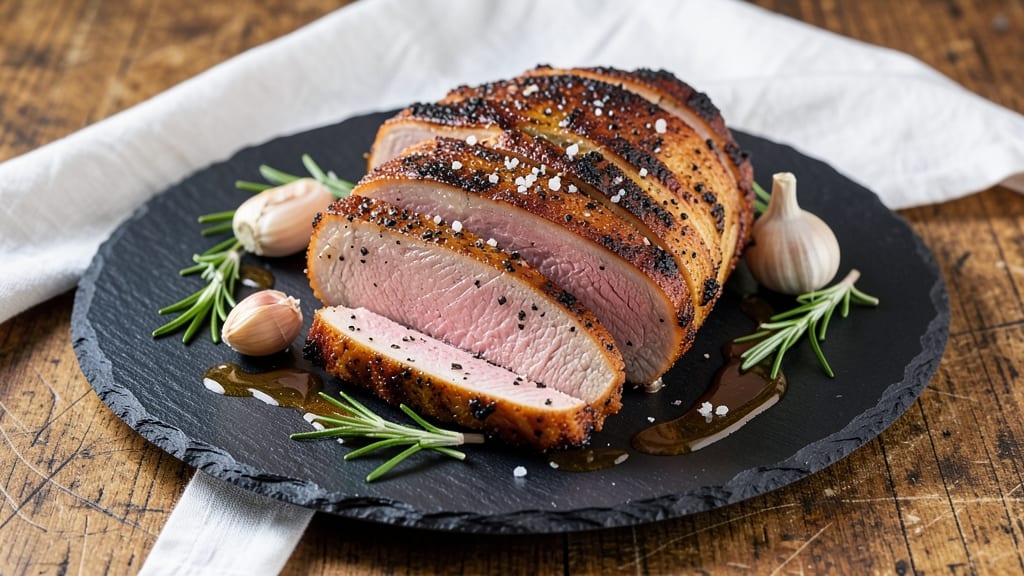
This boneless pork roast recipe delivers melt-in-your-mouth tenderness with minimal effort—just like the Pioneer Woman’s approach to effortless, flavorful cooking. The secret lies in slow-roasting at a precise temperature, ensuring juicy meat without drying it out.
After years of testing, I’ve perfected a method that transforms tough cuts into restaurant-quality results with simple seasoning and patience.
What sets this recipe apart is the foolproof technique that requires only five ingredients and about 3 hours of hands-off cooking. You’ll start with a well-seasoned roast, then let the oven do the work while you prepare sides or relax.
The key is maintaining a consistent temperature and resting the meat properly—trust me, this step alone makes all the difference between dry pork and succulent perfection.
By the time you carve into this roast, you’ll be rewarded with slices that practically fall apart, rich with flavor and moisture. The crust will be golden and slightly crisp, while the interior stays tender and juicy.
It’s the kind of dish that turns a weeknight dinner into a showstopper, requiring no fancy presentation—just a simple platter and a few fresh herbs for garnish.
Pair it with roasted potatoes, a crisp green salad, or your favorite gravy for a complete meal that feels both comforting and impressive. This recipe proves that restaurant-quality pork doesn’t require complicated techniques—just the right method and a little patience. Let’s get cooking!
Ingredients for boneless pork roast recipe pioneer woman
Five ingredients, three hours, restaurant-quality pork that falls apart with a fork.
| Ingredient | Amount | Notes |
|---|---|---|
| Boneless Pork Loin Roast 🥩 | 3 lb | Center-cut for even cooking |
| Kosher Salt 🧂 | 1 ½ tsp | Diamond Crystal preferred |
| Freshly Ground Black Pepper 🌶️ | 1 tsp | Cracked peppercorns preferred |
| Garlic Cloves 🧄 | 4 cloves | Smashed but not minced |
| Extra-Virgin Olive Oil 🫒 | 2 tbsp | For crust development |
| Fresh Rosemary 🌿 | ¼ cup | Chopped sprigs, not dried |
| Unsalted Butter 🧈 | 2 tbsp | Cold, for basting |
The pork loin is your star—center-cut for tenderness, not the cheaper end pieces. Costco or local butcher shops usually carry it pre-trimmed, but if you're buying whole, ask for the section between the ribs and ham. Look for good marbling—those little white flecks mean juicier meat. I always grab mine from Whole Foods when I want to splurge, but the regular supermarket stuff works fine if it's fresh. Freshness is key: the meat should smell clean, not sour or ammonia-like, and have a vibrant pink color. If it's graying or slimy, walk away—this is your only chance to make it perfect.
No rosemary? Fresh thyme or sage will work, but rosemary gives that classic pork roast aroma. Short on garlic? One extra clove won't ruin it, but don't skip it entirely. The olive oil isn't just for flavor—it helps create that golden crust. Trader Joe's has a great affordable EVOO if you're not into splurging on California Olive Ranch. And that butter? Cold is crucial—if it melts before basting, you'll lose that rich flavor. For the salt, Diamond Crystal dissolves differently than Morton's, so if your recipe calls for it, stick with it. The pepper? Freshly cracked makes all the difference—pre-ground tastes flat in comparison.
This roast tastes even better the next day, so make extra. Wrap it tightly in foil and store in the fridge for up to 4 days. For longer storage, freeze it for 3 months—just thaw overnight in the fridge before reheating. The best part? Leftovers reheat beautifully. Slice it thin, warm it in a skillet with a splash of broth, and you've got the makings of a killer sandwich. Or portion it into containers for easy lunches. Trust me, you'll want seconds.
Why You'll Love This Recipe
- No-Fuss Prep: I swear by this recipe because it’s the kind of dinner that lets me skip the stress. Slice the pork, slather it with olive oil, and toss in whole garlic cloves—no dicing, no marinating overnight, just hands-off seasoning that works every time.
- Garlic-Kissed Magic: That moment when the pork comes out with a golden crust and the garlic cloves have caramelized into sweet, buttery pockets? It’s like someone sprinkled flavor fairy dust. The salt and pepper do the heavy lifting, but the garlic makes it unforgettable.
- Leftover Goldmine: Between us, this roast is my secret weapon for busy weeks. It reheats like a dream—juicy and tender, not dry—and I’ll happily eat it for lunch the next two days. Honestly, the first time I made it, I had three helpings and still saved half for sandwiches.
- Budget-Friendly Crowd-Pleaser: A single pork loin feeds four to six people without breaking the bank, and the ingredients? Olive oil, salt, pepper, garlic—stuff you already have. It’s the kind of meal that makes me feel like I’m serving something special without the restaurant price tag. (Yes, even on a Tuesday night.)
Step-by-step instructions for slow-cooked pork roast
Here's the straightforward method for tender, fall-apart pork that requires almost no attention.
Prep the Roast for Even Cooking
Remove the 3 lb boneless pork loin roast from the refrigerator and let it sit at room temperature for 30 minutes before cooking. This ensures even heat distribution throughout the meat. Pat the roast dry with paper towels—this step is crucial for developing a flavorful crust later.
In a small bowl, combine the 1.5 teaspoons kosher salt, 1 teaspoon freshly ground black pepper, and the 0.25 cup chopped fresh rosemary. Rub this mixture all over the roast, pressing it into the surface so it adheres well. The rosemary will infuse the meat with its piney aroma, while the salt helps tenderize the fibers. Let the seasoned roast rest uncovered on a plate for another 15 minutes before cooking.
Sear for Flavor and Texture
Heat a large oven-safe skillet over medium-high heat and add the 2 tablespoons extra-virgin olive oil. Once the oil shimmers, place the roast in the skillet, fat-side down if applicable, and sear for 3-4 minutes per side until it develops a deep golden-brown crust. This step locks in juices and creates a rich flavor foundation.
Real talk: Don't rush this. You'll know it's ready when the roast releases easily from the pan. If it sticks, let it cook a bit longer—patience here pays off. Transfer the skillet to a preheated 325°F oven (don't preheat the oven empty—just get it ready while you sear).
Slow-Cook to Perfection
Roast the pork for 1 hour 15 minutes until the internal temperature reaches 145°F when measured with an instant-read thermometer. The meat should be tender but not dry—this low-and-slow approach guarantees juicy results. If your oven runs hot, you might need to reduce the temperature to 300°F after the first 45 minutes.
Here's the thing—don't overcook. Once it hits 145°F, remove it from the oven immediately. The meat will continue cooking slightly as it rests, and pork is perfectly safe at this temperature when properly handled. Let it rest for 15 minutes before slicing to allow the juices to redistribute.
Finish with Butter for Richness
While the roast rests, remove it from the skillet and place it on a cutting board. Discard any excess rosemary sprigs. Return the skillet to the stovetop over medium heat and add the 2 tablespoons cold unsalted butter. Melt the butter until it foams, then pour it over the roast, letting it baste the surface.
Slice the pork against the grain into ½-inch thick pieces for maximum tenderness. The butter basting adds a luxurious finish, while the rosemary and garlic flavors shine through. Serve immediately with your favorite sides—roasted vegetables or mashed potatoes pair beautifully.
Optional Garlic Touch (If You're Feeling Fancy)
For extra depth of flavor, add the 4 smashed garlic cloves to the skillet with the melted butter. Cook them for 30 seconds until fragrant, then spoon the garlic butter over the sliced pork before serving. This step isn't necessary but takes the dish to the next level with its aromatic punch.
The reason we wait until the end to add garlic is that it burns quickly at higher temperatures. By adding it at the finish, we preserve its sweet, mellow flavor rather than letting it turn bitter. This is one of those little tricks that makes a big difference in home cooking.
Pro Tips For Making Boneless Pork Roast Recipe Pioneer Woman
- CRANK THE HEAT FIRST: I learned this the hard way—starting with medium heat on a boneless pork loin roast means you’re fighting for a crust the whole time. Get that pan screaming hot (medium-high) for the first 2 minutes, then dial it back. The Maillard reaction needs that initial shock to wake up.
- SLICE GARLIC THINLY: Whole cloves or smashed garlic? Skip both. Thinly slice those cloves (almost like confit) so they melt into the pork instead of sitting there like decorative pebbles. They’ll infuse flavor without turning into a chewy afterthought.
- DON’T CUT CORNERS ON SALT: This isn’t the time to eyeball it. Use a scale or a measuring spoon—about 1.5 teaspoons kosher salt per pound of pork, plus extra for the crust. I used to skimp, and the pork always tasted like it needed more. Now I salt aggressively and let it sit.
- REST IT LIKE YOUR LIFE DEPENDS ON IT: Yes, even if you’re starving. Tent that pork with foil and let it sit for at least 10 minutes before slicing. I know, I know—you’re impatient. But cutting into it too soon means juices pooling on your plate instead of in the meat. Trust the process.
Troubleshooting this dish
Undercooked Pork Fix
If your pork roast isn't reaching 145°F after 1 hour 15 minutes, don't panic—just extend the cook time by 15-20 minutes in 5-minute intervals. I've had this happen with thicker cuts, and the key is checking with an instant-read thermometer every 10 minutes after the initial time.
Remember, pork is safe at 145°F, so don't overcompensate by cranking the heat—just give it more time at the same temperature. 🌡️
Dry Meat Solution
Dry pork usually means you cooked it too long or didn't rest it properly. If you notice this after slicing, try this trick: Place the sliced pork in a skillet with 2 tablespoons beef broth and 1 tablespoon butter, then warm through on low heat for 3-4 minutes.
The moisture will revive the slices while keeping them tender. For future attempts, always rest the roast for 15 minutes before slicing—this redistributes juices and prevents dryness.
Uneven Cooking Issues
Uneven cooking often happens when the roast isn't at room temperature or the oven temperature fluctuates. To fix this, first ensure your roast sits at room temp for 30 minutes before cooking.
If you're using an older oven, consider adding a baking sheet with 1 cup water to the oven to create steam. For future roasts, use an oven thermometer to verify your oven's accuracy—many ovens run 25°F hotter or colder than set. 🔥
Seasoning Not Adhering
If your seasoning keeps falling off, it's likely because the roast wasn't dry enough before seasoning. Pat it thoroughly with paper towels and let it sit uncovered for 15 minutes before seasoning. For extra grip, mix your seasoning with 1 teaspoon cornstarch—it helps the spices stick better.
I also find that lightly oiling the roast after seasoning (but before searing) creates a better bond between the meat and seasoning.
Skillet Too Small
If your skillet is too small for the roast, you'll end up with uneven searing and potential sticking. The roast should fit snugly with about ½ inch of space on all sides. For larger roasts, use a 12-inch cast iron skillet or transfer to a roasting pan after searing.
Lodge makes excellent cast iron skillets that stay hot evenly—my go-to for this recipe. If you don't have a large enough skillet, sear in batches if needed, but be prepared for slightly less flavor development.
Butter Not Melting Properly
Cold butter that won't melt properly usually means the heat isn't high enough. For the basting step, use medium heat and keep the butter moving in the pan until it foams. If it's still solid, increase the heat slightly and give it 30-60 seconds more.
The butter should foam and bubble gently before pouring over the roast. Pro tip: Use European-style butter (like Plugrá)—it has higher fat content and melts more smoothly than American butter. 🧈
Nutrition facts
Frequently asked questions
Can I use a different cut of pork for this recipe?
This recipe is designed specifically for boneless pork loin roast because of its tenderness and even cooking properties. However, you could use a pork tenderloin (about 2-3 lbs) as a substitute—just reduce the cook time by 15-20 minutes since tenderloin cooks faster. Avoid cuts with more connective tissue like shoulder or butt, as they require different cooking methods and longer times to become tender.
How do I know when the pork is fully cooked?
Use an instant-read meat thermometer to check the internal temperature—pork is safe to eat at 145°F. Insert the thermometer into the thickest part of the roast, avoiding any bone or fat. The meat should feel tender when pierced with a fork, but don't rely solely on that—always trust the thermometer for accuracy.
Can I make this recipe in a slow cooker?
While this recipe is optimized for oven roasting, you can adapt it for a slow cooker. Sear the pork first, then transfer it to the slow cooker with the seasonings and ¼ cup water or broth. Cook on low for 4-5 hours until it reaches 145°F. The texture will be more tender than oven-roasted, but slightly less crispy. For best results, finish with the butter basting step on the stovetop.
What are the best sides to serve with this pork roast?
This dish pairs beautifully with classic comfort foods. Try garlic mashed potatoes, roasted root vegetables, or a simple green salad with a tangy vinaigrette. For extra flavor, make a quick pan gravy using the roasting pan juices—just deglaze with ½ cup beef broth and a spoonful of cornstarch. The Pioneer Woman often serves it with apple sauce or cranberry relish for a sweet contrast.
Why does my pork turn out dry sometimes?
Dry pork usually happens when it's overcooked or not rested properly. Always remove the roast from the oven at 145°F—it will continue cooking slightly as it rests. Let it rest for 15 minutes before slicing to allow juices to redistribute. If you've already sliced it and it's dry, try this fix: Place the slices in a skillet with 2 tablespoons beef broth and 1 tablespoon butter, then warm through on low heat for 3-4 minutes. This revives the moisture without overcooking.