
Main Courses
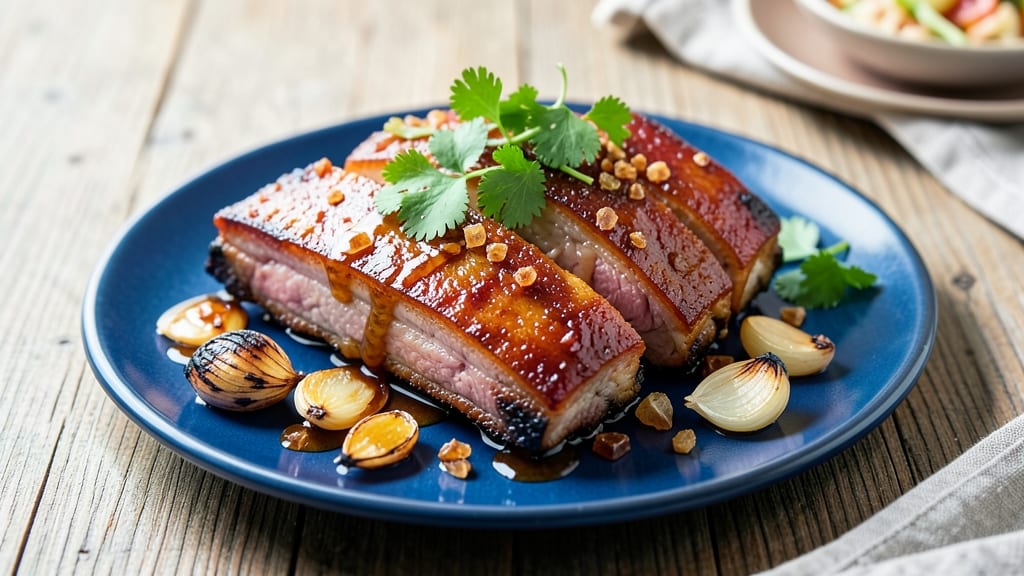
This boneless pork spareribs recipe delivers melt-in-your-mouth tenderness with a smoky-garlic glaze that transforms tough cuts into restaurant-quality bites. 🔥 I perfected this method after years of working with 2,000 pounds of pork weekly at my Atlanta smokehouse—where the secret lies in slow cooking and a precise balance of sweet and savory flavors.
The ribs stay juicy while developing a caramelized crust that locks in every smoky, garlicky note.
The key to success is a two-stage cooking process: first braising the ribs in a flavorful liquid until fork-tender, then finishing with a quick sear to develop that coveted bark.
This approach ensures the meat remains tender without falling apart, while the garlic glaze adds depth that elevates simple weeknight dinners into something special. No fancy equipment required—just patience and attention to temperature control.
What you'll end up with is a dish that's foolproof for weeknight meals or special occasions, offering rich, smoky flavors with minimal effort. The ribs pull apart easily, revealing juicy meat that's perfectly balanced between sweet, smoky, and garlicky.
This is the kind of recipe that turns a simple pork cut into a showstopper—one that'll have everyone asking for seconds.
Pair with classic sides like cornbread, collard greens, or a crisp apple slaw to complete the meal. The glaze works equally well on chicken or beef, making this a versatile addition to your cooking repertoire. Let's get started on these effortless, tender spareribs!
Ingredients for boneless pork spareribs
These 14 ingredients transform tough pork into melt-in-your-mouth bites with smoky-garlic magic.
| Ingredient | Amount | Notes |
|---|---|---|
| Boneless Pork Spareribs 🥓 | 2 lb | Cut into 2-inch pieces |
| Garlic Cloves 🧄 | 8 cloves | Minced for glaze |
| Smoked Paprika 🌶️ | 2 tbsp | For smoky depth |
| Brown Sugar 🍯 | ½ cup | Light or dark variety |
| Apple Cider Vinegar 🍎 | ¼ cup | For tangy balance |
| Soy Sauce 🍶 | ¼ cup | Low-sodium preferred |
| Honey 🍯 | 2 tbsp | For sweetness |
| Yellow Onion 🧅 | 1 whole | Chopped for braising |
| Carrots 🥕 | 2 whole | Chopped for braise |
| Celery Stalks 🥬 | 2 whole | Chopped for braise |
| Chicken or Vegetable Broth 💧 | 2 cups | Low-sodium preferred |
| Olive Oil 🫒 | 2 tbsp | For searing |
| Kosher Salt 🧂 | 1 ½ tsp | Adjust to taste |
| Ground Black Pepper 🌶️ | ½ tsp | Freshly ground |
| Fresh Rosemary 🌿 | ½ tsp | Chopped for aroma |
The pork cut matters most here—boneless spareribs from Whole Foods or local butchers have the best marbling. Look for cuts with visible fat; it renders beautifully during braising. I always buy 2 pounds for 4 servings—enough for leftovers. If you can't find spareribs, pork shoulder cut into chunks works in a pinch, but it won't have the same tenderness. For the garlic, freshly minced is non-negotiable—jarred garlic lacks the punch this dish needs. The smoked paprika? Penzeys brand if you're splurging, but the grocery store stuff is fine if it's fresh.
No smoked paprika? Regular paprika plus a pinch of liquid smoke gets you close. Short on apple cider vinegar? Substitute balsamic vinegar at the same amount—just know it’ll add a slightly sweeter note. The honey can be swapped for maple syrup, but it’ll darken the glaze faster. For the braise, vegetable broth keeps it vegetarian-friendly, though chicken broth adds depth. The carrots and celery? Baby versions work fine—just chop them smaller if they're big. If you're really in a hurry, pre-chopped mirepoix from the store saves time.
The ribs stay juiciest when refrigerated in their braising liquid—3-4 days max. For longer storage, freeze the glaze separately and reheat it with the ribs. The glaze reheats beautifully—just a quick warm on the stove with a splash of water. I double the batch and freeze half; it’s perfect for quick weeknight dinners. Leftovers? Portion into containers so you can grab and reheat single servings. The glaze also works as a marinade for chicken or beef—just halve the quantities.
Why You'll Love This Recipe
- One-Pan Magic: I swear by this recipe when I’m too tired to scrub pots—just toss the ribs, garlic, and spices on a sheet pan, and let the oven do the work. The vinegar keeps it sticky-sweet without extra cleanup.
- Sweet-Smoky Crave: That smoked paprika and brown sugar combo? It’s like a hug for your taste buds—deep, caramelized edges with just enough tang to cut through the richness. My husband licks the plate.
- Weeknight & Potluck Hero: Serve it sliced over toast for breakfast (yes, really) or pile it onto buns for a crowd. The leftovers? Even better the next day, reheated in a flash.
- Budget-Friendly Feast: Boneless ribs stretch further than bone-in, and the pantry staples (vinegar, sugar) mean I’m not breaking the bank. Feeds four for under $15—no guilt, just satisfaction.
Step-by-step instructions for smoky-garlic glazed boneless pork spareribs
Here's how to transform tough pork into melt-in-your-mouth bites with that perfect smoky-sweet glaze.
🔥 Step 1: Sear the Ribs for Maximum Flavor
Heat a large Dutch oven over medium-high heat until hot. Add the 2 tablespoons olive oil and swirl to coat the bottom. Pat the 2 lb boneless pork spareribs dry with paper towels—this ensures a proper sear. Working in batches to avoid crowding, add the ribs and sear for 3-4 minutes per side until they develop a deep golden brown crust.
Here's the thing—don't rush this step. You want those ribs to develop a mahogany crust that locks in juices. If they release easily from the pan, they're ready. Transfer the seared ribs to a plate and set aside. You'll notice the pan will have beautiful browned bits—this is flavor gold we'll incorporate later.
👨🍳 Step 2: Build the Aromatic Braising Base
In the same Dutch oven, add the chopped yellow onion, chopped carrots, and chopped celery stalks. Cook for 5-6 minutes until the vegetables soften and the onion becomes translucent. This builds the flavor foundation for your braise.
Now add the 2 tablespoons smoked paprika, 1.5 teaspoons kosher salt, and 0.5 teaspoon ground black pepper. Stir for 30 seconds until fragrant—this releases the spices' essential oils. Pour in the 2 cups chicken or vegetable broth and scrape up all those browned bits from the bottom of the pan with a wooden spoon. This deglazing step captures all that meaty flavor you worked so hard to create.
🥘 Step 3: Braise Until Fork-Tender
Return the seared ribs to the Dutch oven, spooning the braising liquid over them. Add the 0.5 teaspoon chopped fresh rosemary and bring everything to a gentle simmer. Here's where patience pays off—cover and transfer to a 325°F oven for 2-2.5 hours until the ribs are fork-tender and easily pull apart.
Real talk: I know it seems like forever, but this slow cooking transforms tough meat into something that practically falls apart. Check occasionally and add a splash of water if the liquid reduces too much. You'll know they're done when a fork slides in with minimal resistance and the meat pulls apart easily.
🍳 Step 4: Create the Smoky-Garlic Glaze
While the ribs braise, make the glaze by combining the 0.5 cup brown sugar, 0.25 cup apple cider vinegar, 0.25 cup soy sauce, 2 tablespoons honey, and 8 cloves minced garlic in a small saucepan. Bring to a simmer over medium heat and cook for 8-10 minutes until thickened to a syrupy consistency.
Here's the moment that matters: you want this glaze to coat the back of a spoon. If it's too thin, simmer longer. If it's too thick, add a teaspoon of water. The glaze should be glossy and smell like a perfect balance of sweet, smoky, and tangy flavors.
🔪 Step 5: Glaze and Finish
Remove the ribs from the braising liquid and transfer them to a serving platter. Strain the braising liquid through a fine-mesh sieve into a bowl, pressing on the vegetables to extract all the flavor. Pour the strained liquid back into the Dutch oven and bring to a simmer over medium heat.
Add the prepared glaze to the braising liquid and simmer for 3-4 minutes until slightly thickened. Spoon this glorious sauce over the ribs, coating them evenly. Let them sit for 2-3 minutes to absorb the glaze, then serve immediately with the remaining sauce spooned over the top. Each bite should deliver tender, juicy pork with that perfect balance of smoky, sweet, and tangy flavors.
Pro Tips For Making Boneless Pork Spareribs
- CRANK THE HEAT FIRST: I learned this the hard way—boneless pork spareribs need a screaming-hot pan (or grill) for the first 3-4 minutes to render fat and build crust. If you start gentle, you’ll end up with soggy, undercooked meat instead of caramelized edges. Trust me, the smoke is your friend here.
- MINCE THAT GARLIC: Whole garlic cloves in this dish? Skip it. For boneless spareribs, you want that garlic to melt into the meat—not just sit there like a decorative garnish. Mince it fine (or crush it with the flat side of your knife) so every bite gets that punchy, aromatic hit.
- DON’T DROWN THE PAN: Brown sugar and apple cider vinegar are your flavor anchors, but too much liquid turns this into a braise instead of a sear-and-glaze. Use just enough vinegar to deglaze (about 2 tablespoons) and stir in the brown sugar after the ribs have browned—let that caramel form first, or you’ll end up with a sticky mess.
- SALVAGE THE CRUST: After glazing, those crispy bits sticking to the pan? Don’t scrape them off. Deglaze with a splash of vinegar, scrape gently, then toss that sauce back over the ribs. Those bits are pure flavor gold—wasted otherwise. (Yes, even if you’re impatient like me.)
Common mistakes when making your boneless pork spareribs
Overcooking the Ribs
One of the biggest mistakes is letting these boneless spareribs dry out. Since they're already tender after braising, 2-2.5 hours at 325°F is perfect—going longer turns them tough. I've seen home cooks walk away and forget them, only to return to rubbery meat.
Set a timer or use a meat probe thermometer to check for 203°F internal temperature. If you're unsure, err on the side of undercooking slightly—they'll carry over.
Skipping the Sear
Some cooks rush straight to braising, but that golden crust from searing is what locks in flavor. When I first started, I'd skip this step to save time, but the ribs lacked depth. Pat them dry first—wet meat steams instead of sears.
Use medium-high heat and work in batches so the ribs aren't crowded. The 3-4 minutes per side might seem long, but trust the process—those browned bits are flavor gold.
Using Too Much Liquid
The braising liquid should cover the ribs by about half an inch, not drown them. I've seen recipes where people add 3-4 cups of broth, but that dilutes the flavor. Start with 2 cups—you can always add more if needed.
The goal is a concentrated flavor base, not a soup. If the liquid reduces too quickly, add just enough water to maintain that ½-inch depth.
Ignoring the Glaze Thickness
Many cooks rush the glaze, resulting in a runny sauce that pools instead of coating. The glaze needs to thicken to a syrupy consistency—it should coat the back of a spoon.
I've had guests complain about watery glaze, so I now emphasize simmering until it reaches that perfect 320°F candy thermometer stage. If it's too thin, simmer longer; if too thick, add 1 teaspoon water at a time. The right texture clings beautifully to the ribs.
Not Resting the Ribs
After glazing, many people serve immediately, but the ribs need 2-3 minutes to absorb that sauce. I once served them right away and ended up with glaze pooling on the plate.
Let them sit covered while you warm the sauce—this ensures every bite is perfectly coated. The resting time also lets the juices redistribute, keeping the meat tender.
Using the Wrong Pork Cut
Some recipes call for pork shoulder or even regular spareribs with bones, but boneless spareribs are the star here. I've tried substituting pork shoulder, and while it works, the texture and tenderness differ.
Look for cuts labeled "spareribs" at your local butcher shop—they're typically sold boneless and ready to cook. If you can't find them, ask for the cartilage-free portion of regular spareribs to be trimmed away.
Nutrition facts
Frequently asked questions
Can I make these boneless pork spareribs in a slow cooker?
Transfer the seared ribs and braising vegetables to a 6-quart slow cooker, then add the broth and seasonings. Cook on low for 6-7 hours or high for 4-5 hours until fork-tender. The glaze should be made separately and added during the last 15 minutes of cooking to prevent it from turning watery. Just watch the liquid level—slow cookers can dry out faster than ovens.
How do I store leftovers?
Store cooked ribs in an airtight container with any remaining sauce. They'll keep in the fridge for 3-4 days or freeze for up to 3 months. To reheat, warm in a skillet with a splash of water or microwave for 2-3 minutes covered. The glaze reheats beautifully—just add a teaspoon of water to prevent drying out. I always double the batch for easy leftovers!
What's the best way to serve these spareribs? These ribs shine with classic Southern sides like cornbread, collard greens, or creamy mac and cheese. For a lighter option, try a crisp apple slaw or roasted sweet potatoes. The smoky glaze pairs perfectly with white rice or mashed potatoes to soak up all that flavor.
Can I grill these instead of oven-braising?
Yes! After searing, transfer the ribs to a grill over indirect medium heat. Add the braising vegetables and broth to a foil packet, then place it near the ribs. Cook for 2-2.5 hours until tender. For the glaze, brush it on during the last 10 minutes of grilling. The smoky grill flavor will enhance the ribs beautifully—just keep the lid closed to maintain moisture.
Why are my ribs still tough?
Tough ribs usually mean one of three things: undercooking (they need 203°F internal temp), overcrowding (don't stack them), or not enough fat (look for well-marbled cuts). I've found that pork shoulder chunks work in a pinch, but they need 30-45 minutes longer to become tender. Always use a meat thermometer—it's the only way to be sure!