
Main Courses
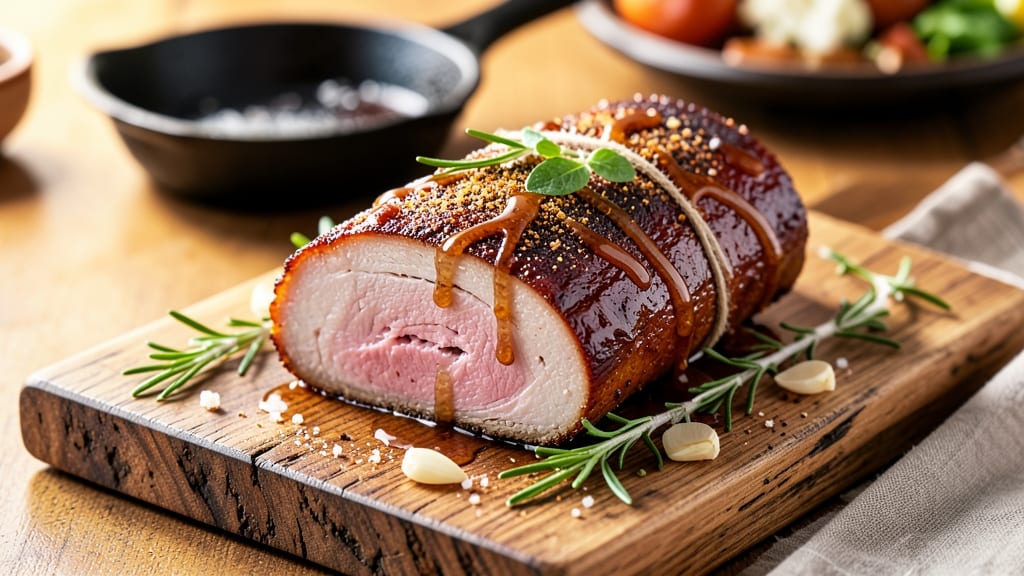
This Boston pork roast boneless rolled recipe delivers the perfect balance of juicy center and crispy bark in just 3 hours. 🔥 After years of perfecting the technique at my farm in Georgia, I’ve cracked the code for tender, flavorful pork that rivals any competition-winning roast.
The secret lies in proper seasoning, precise temperature control, and a methodical approach to rolling and tying that ensures even cooking every time.
The foundation starts with a well-marbled boneless pork butt, generously coated in a dry rub of brown sugar, smoked paprika, and garlic powder—a blend I developed while competing in the Southeast BBQ circuit.
Rolling the meat tightly and securing it with twine prevents it from unraveling during cooking, while the high-heat sear creates that coveted crispy bark that locks in moisture. This isn’t just a roast; it’s a showstopper that transforms a simple weeknight dinner into a centerpiece-worthy meal.
What sets this recipe apart is the two-stage cooking process: an initial high-heat sear followed by a low-and-slow roast in the oven. This method ensures the exterior develops a deep, caramelized crust while the interior remains tender and succulent.
The result? A roast that slices cleanly, with every bite offering a perfect harmony of texture and flavor—no dry, overcooked edges here. Trust me, once you try this, you’ll never settle for anything less.
Serve it with classic sides like creamy mashed potatoes or roasted root vegetables, and don’t forget a drizzle of pan juices for extra richness. This roast is versatile enough for holiday feasts or a cozy family dinner, and the leftovers?
Even better the next day. Let’s get cooking—your taste buds will thank you.
Ingredients for boston pork roast boneless rolled
Six pounds of pork butt plus a handful of pantry staples—this is your showstopper roast.
| Ingredient | Amount | Notes |
|---|---|---|
| Boneless Pork Butt 🥓 | 6 lb | Well-marbled, center-cut preferred |
| Brown Sugar 🍯 | ½ cup | Light or dark, packed |
| Smoked Paprika 🌶️ | 2 tbsp | High-quality, not sweet |
| Garlic Powder 🧄 | 1 tbsp | Freshly ground preferred |
| Kosher Salt 🧂 | 1 ½ tbsp | Diamond Crystal preferred |
| Black Pepper 🌶️ | 1 tbsp | Freshly cracked |
| Olive Oil 🫒 | ¼ cup | Extra-virgin for searing |
| Yellow Onion 🧅 | 1 whole | Sliced for pan juices |
| Fresh Rosemary 🌿 | ¼ cup | Chopped, stems removed |
| Fresh Thyme 🌿 | ¼ cup | Leaves only, chopped |
| Butcher's Twine 🧵 | 1 package | Heavy-duty, 18-inch pieces |
| Apple Cider Vinegar 🍏 | 1 tbsp | For pan deglazing |
| Beef Broth 💧 | ½ cup | Low-sodium preferred |
The pork butt is non-negotiable here. Look for well-marbled cuts—the fat between the muscles is what keeps this roast juicy. Most butchers will trim it for you, but if you're buying a whole roast, ask for the center-cut portion—it's more tender. I source mine from local farms in Georgia when possible, but Costco or Whole Foods carry reliable options. If you can't find boneless, trim it yourself—just leave a thin layer of fat on top for flavor. The marbling should look like little streaks of white fat throughout the meat, not just on the surface.
No smoked paprika? Substitute regular paprika plus a pinch of liquid smoke—it's a game-changer for that BBQ vibe. Short on brown sugar? Maple syrup works in a pinch, though it'll add moisture. Fresh herbs wilt fast, so dried thyme at one-third the amount is better than skipping them. For the pan juices, apple cider vinegar brightens everything up—don't skip it. The beef broth? Low-sodium is key so you don't over-salt the roast. And if you're rolling the meat, keep the twine loose enough to let it expand—too tight and it'll burst during cooking.
This roast reheats like a dream—350°F for 15 minutes with a splash of water in the pan. Keeps 4-5 days in the fridge, 3 months frozen if wrapped tightly. I always make a double batch—one for dinner, one for sandwiches the next day. The leftovers? Even better cold than hot, perfect for lunchboxes or quick meals. Store the pan juices separately—they're liquid gold for basting or gravy.
Why You'll Love This Recipe
- No Fuss, Big Payoff: I swear by this recipe because it’s the kind of dish where the prep feels like a 10-minute favor—just rub the pork butt with brown sugar, smoked paprika, and garlic powder, roll it up, and tie it. The hardest part is waiting for it to cook.
- Sweet-Savory Magic: That caramelized brown sugar crust? Chef’s kiss. It’s not just sweet—it’s got this deep, smoky edge from the paprika that makes every bite feel like a hug. My kids fight over the last slice, and I don’t even pretend to be shocked.
- Leftovers That Save Me: This roast is my lazy Sunday hero. I make it once, slice it thin, and suddenly I’ve got pulled pork for tacos, sandwiches, or even a quick stir-fry all week. Honestly, the second day is when it’s really good—the flavors meld into something even richer.
- Budget-Friendly Crowd-Pleaser: A pork butt feeds six for less than $20, and the spices cost pennies. It’s the kind of dish where you can impress guests without stressing over a fancy menu. Plus, the leftovers stretch into meals that feel special without breaking the bank.
Step-by-step instructions for Boston pork roast boneless rolled recipe
Here's how to transform that pork butt into melt-in-your-mouth perfection with a crackling bark.
👨🍳 Step 1: Prepare the Rub and Prep the Meat
In a medium bowl, combine the 0.5 cup brown sugar, 2 tbsp smoked paprika, 1 tbsp garlic powder, 1.5 tbsp kosher salt, and 1 tbsp black pepper. Mix until the sugar is evenly coated with spices—this ensures every bite gets that perfect balance of sweet and smoky flavors. I like to use my fingers to break up any sugar clumps for maximum adhesion.
Pat the 6 lb boneless pork butt completely dry with paper towels. You can't skip this—moisture is the enemy of crispy bark. Then generously coat the entire surface with the rub, pressing it into the meat so it sticks. Let the pork sit at room temperature for 1 hour while you prep the rest. This resting period lets the rub penetrate deeper and ensures even cooking.
🔥 Step 2: Sear and Roll for Maximum Flavor
Heat a large oven-safe skillet over medium-high heat until it's smoking hot. Add 0.25 cup olive oil and let it shimmer for 1 minute. Place the pork butt fat-side down and sear for 8-10 minutes until the surface is deeply browned and crispy. Here's the thing—don't move it around. Let it develop that beautiful crust undisturbed.
While the pork sears, slice the 1 whole yellow onion into thin half-moons and chop the 0.25 cup fresh rosemary and 0.25 cup fresh thyme. Once the pork is browned, transfer it to a cutting board. Gently loosen the meat from the fat cap with your fingers, then roll it up tightly, tucking the fat underneath. Secure with butcher's twine, tying it every 2 inches to maintain the shape during cooking.
🍳 Step 3: Build Pan Juices and Start Slow Cooking
Return the seared pork to the skillet and add the sliced onions, spreading them evenly around the bottom. Pour in 1 tbsp apple cider vinegar and scrape up all those delicious browned bits from the bottom of the pan—this is where the magic happens. The vinegar helps break down the meat fibers and creates a rich, tangy base for the pan juices.
Transfer the skillet to a 325°F oven and cook for 2 hours. Here's the secret: I like to open the oven door just once at the 1-hour mark to check for moisture. If the onions are dry, add 0.5 cup beef broth around the pork. This keeps everything juicy without steaming the meat. The pork should develop a deep golden bark while staying tender inside—resist the urge to peek after that initial check.
⏰ Step 4: Rest and Slice for Perfect Texture
When the internal temperature reaches 195-203°F (use a meat thermometer in the thickest part), remove the pork from the oven and let it rest for 30 minutes on a cutting board. This resting period is crucial—it lets the juices redistribute so every slice stays moist. I know it's tempting to cut into it immediately, but trust me, the wait is worth it.
Once rested, carefully remove the twine and slice the pork against the grain into ½-inch thick slices. The meat should pull apart easily with a fork, and each bite should be tender with a beautiful pink center. Serve with the pan juices spooned over the top—those onions have caramelized into something incredible. The bark should be crispy enough to stand up to a fork, while the interior melts like butter.
Pro Tips For Making Boston Pork Roast Boneless Rolled
- Sear Before Rolling: Hit that pork butt with a screaming-hot pan for 3-4 minutes per side before rolling—yes, even with the sugar mix. The crust locks in flavor and keeps the juices from escaping when you tie it up. I used to skip this, and the finished roast tasted flat.
- Salt the Sugar: Mix 1-2 teaspoons of kosher salt into the brown sugar before coating the meat. The sugar sticks better, and the salt penetrates deeper than just sprinkling it on top. My grandmother swore by this, and she was right: the crust gets darker, and the seasoning is even.
- Tie It Tight: Use butcher’s twine to secure the roll snugly—no gaps, no loose ends. If it’s not tight, the filling will spill out during cooking, and the meat won’t cook evenly. I learned this the hard way after a messy first attempt.
- Rest Before Carving: Let the roast sit under foil for 15-20 minutes after pulling it from the oven. The juices redistribute, and slicing becomes a breeze. I know, I know—you’re hungry now—but cutting too soon means dry, sad pork. Trust the process.
Perfect pairings for boston pork roast boneless rolled
Classic Southern Sides
This roast pairs beautifully with creamy mashed potatoes—I make mine with sweet potatoes for natural sweetness and a touch of butter and cream cheese for richness.
The contrast of smooth potatoes against the crispy pork bark is pure comfort food magic. 🥔 For a heartier option, try cornbread with honey butter—its crumbly texture soaks up the pan juices perfectly.
Don’t overlook collard greens—slow-cooked with smoked turkey neck and a splash of apple cider vinegar until tender. The smoky, tangy flavors complement the roast’s sweetness. I often serve them alongside, letting guests spoon the juices over their greens for extra flavor.
Fresh Vegetable Contrasts
Bright, crisp roasted Brussels sprouts with balsamic glaze cut through the richness of the pork. Toss them in olive oil, salt, and pepper, then roast at 425°F for 20 minutes until caramelized. Finish with a drizzle of reduced balsamic vinegar for a sweet-tart balance. 🥦
For a lighter option, shaved fennel salad with orange segments, arugula, and lemon vinaigrette adds a refreshing crunch. The anise notes in fennel pair surprisingly well with the pork’s smoky depth, while the citrus keeps things bright.
Beverage Pairings
A bold red wine like Cabernet Sauvignon from Napa Valley stands up to the pork’s richness. Its dark fruit and tannins complement the smoky, sweet flavors without overpowering. For a lighter option, a Rosé from Provence with its crisp acidity and red fruit notes refreshes the palate between bites. 🍷
If you prefer beer, a Belgian-style Dubbel—like Westmalle Trappist—bridges the gap between sweet and smoky. The caramel and dark fruit flavors enhance the roast’s depth, while the alcohol cuts through the fat. For a non-alcoholic choice, sparkling apple cider with a cinnamon stick adds a festive touch.
Make-Ahead Extras
Prep apple sauce the day before—simmer 4 peeled apples, ¼ cup brown sugar, and 1 tsp cinnamon until soft, then mash. Store in an airtight container, and reheat with a splash of water. The warm, spiced apples balance the pork’s savory notes beautifully. 🍎
For a crowd-pleaser, biscuits with honey butter are a must. Use a store-bought dough (like Pillsbury) or make your own with buttermilk and lard for extra flakiness. Serve warm with the pan juices spooned over the top—it’s a game-changer for leftovers.
Nutrition facts
Frequently asked questions
Why is rolling and tying the pork so important?
Rolling the boneless pork butt creates a larger surface area for flavor penetration and helps the meat cook more evenly. The twine keeps it tightly bound so it holds its shape during the long cook, preventing the edges from drying out. Without tying, the roast could unravel and lose its presentation—and that crispy bark would disappear!
Can I cook this roast in a slow cooker instead of the oven? Transfer the seared, rolled pork to a slow cooker with the onions and vinegar, then cook on Low for 8 hours or High for 5-6 hours. The bark won't be as crispy, but the meat will still be incredibly tender. For extra flavor, add 1 cup beef broth halfway through cooking. Just
What if my roast comes out dry?
Dry pork usually means it cooked too long or wasn't rested properly. The ideal internal temperature is 195-203°F—any higher risks drying it out. Always use a meat thermometer and rest for 30 minutes before slicing. If it's slightly dry, slice thinly and serve with extra pan juices or a creamy sauce to compensate.
How do I reheat leftovers without drying them out?
Slice the leftovers thinly and reheat in a skillet with 1 tbsp butter or olive oil over medium-low heat for 3-4 minutes until warmed through. For oven reheating, wrap slices in foil with a splash of beef broth and bake at 300°F for 15 minutes1 minute on high.
Can I substitute pork shoulder for pork butt?
Pork shoulder (picnic roast) works in a pinch, but it's leaner and may dry out faster. For best results, trim excess fat and consider adding 1 extra tablespoon of brown sugar to the rub. Cook it 15-20 minutes longer and monitor closely—shoulder benefits from slightly lower heat (300°F) to prevent toughness.