
Main Courses
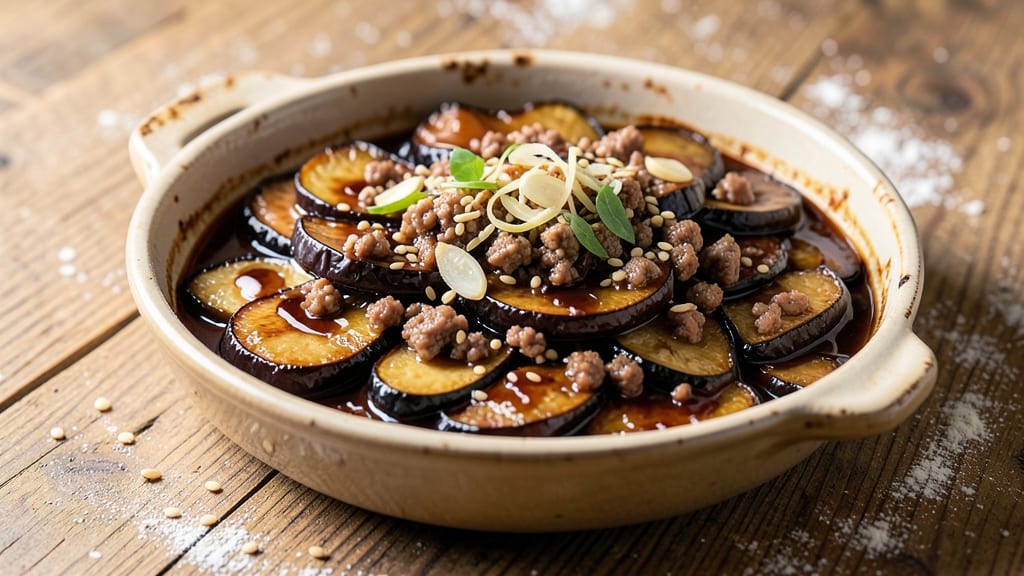
This braised eggplant with minced pork recipe delivers the kind of deep, savory umami that turns weeknight dinners into restaurant-quality meals. 🔥 The secret lies in slow-cooking eggplant until tender while fusing it with aromatic minced pork, creating a dish where textures and flavors harmonize perfectly.
I developed this technique during my time in Charleston, where pork and vegetables share the spotlight in every dish.
The beauty of this recipe is its simplicity—just a few key ingredients transform into a rich, hearty meal with minimal effort. A balance of soy sauce, garlic, and ginger builds layers of flavor, while the eggplant absorbs the pork’s savory essence.
The result is a dish that’s tender, aromatic, and packed with umami depth, making it a standout for any table.
What you’ll achieve is a one-pot wonder where perfectly braised eggplant and succulent pork meld into a dish that’s both comforting and elegant. The slow cooking process ensures every bite is tender, while the caramelized edges add a touch of complexity.
This recipe proves that bold flavors don’t require complicated techniques—just patience and the right ingredients.
Serve it over steamed rice or with crusty bread to soak up every last bit of the rich braising liquid. The versatility of this dish makes it perfect for meal prep or a special dinner. Let’s get started on creating this savory masterpiece.
Ingredients for braised eggplant with minced pork
Rich umami flavors start with these 13 essential ingredients for a restaurant-worthy braised eggplant dish.
| Ingredient | Amount | Notes |
|---|---|---|
| Japanese Eggplant 🍆 | 2 whole | Medium-sized, skin-on preferred |
| Minced Pork Shoulder 🐖 | 1 lb | 80/20 fat ratio ideal |
| Soy Sauce 🍶 | ⅓ cup | Kikkoman preferred |
| Garlic Cloves 🧄 | 6 cloves | Minced, fresh preferred |
| Fresh Ginger 🌿 | 2 tbsp | Finely grated, peeled |
| Sugar 🍯 | 1 tbsp | White granulated |
| Dry Sherry 🍷 | ¼ cup | Or substitute with dry white wine |
| Vegetable Oil 🫒 | 2 tbsp | For high-heat searing |
| Sesame Oil 🫒 | 1 tbsp | For finishing, toasted |
| Green Onions 🧅 | 4 whole | Sliced, white and green parts |
| Salt 🧂 | 1 ½ tsp | Diamond Crystal kosher |
| Black Pepper 🌶️ | ½ tsp | Freshly ground |
| Cornstarch 🌾 | 1 tbsp | For thickening sauce |
The eggplant and pork shoulder are the stars here. Japanese eggplant (like the long, slender kind) holds up best to braising, but Italian eggplant works too if that's what you find. For the pork, 80/20 fat ratio is key—it renders beautifully and keeps the dish juicy. I always grab mine from Whole Foods or my local butcher, but the pre-packaged ground pork at Kroger works just fine if you're short on time. Look for pork that's bright red, not grayish—freshness matters for that perfect sear. The garlic and ginger should be vibrant, not dried out, and the soy sauce? Kikkoman is my go-to, but any good-quality brand will do.
No sherry? Dry white wine or even more soy sauce works in a pinch. Fresh ginger is ideal, but if you're using dried, reduce to one-third the amount. The cornstarch is non-negotiable for that perfect silky sauce—it thickens beautifully without making the dish gluey. For the sesame oil, toast it in a dry pan first to deepen the flavor before adding it to the dish. The green onions add a bright finish, but if you're out, scallions or chives will work just as well. And if you're worried about the sugar? Trust me, it balances the acidity from the soy and sherry perfectly—don't skip it.
This dish tastes even better the next day, so make extra if you can. The braised eggplant keeps for 4-5 days in the fridge, and the pork stays tender for 3-4 days. For meal prep, portion into containers and reheat with a splash of water to restore moisture. The sauce thickens as it cools, so if it seems too stiff when reheating, just stir in a teaspoon of water. Freezes beautifully for up to 3 months—perfect for those lazy weeknights when you want restaurant-quality food without the fuss.
Why You'll Love This Recipe
- One-Pan Magic: I swear by this recipe when I’m too tired to wash dishes. The eggplant and pork simmer together in the same pot, so cleanup is just a quick wipe-down—no mountain of pans to scrub.
- Umami Bomb: That combo of soy sauce, ginger, and garlic? It’s next level. The pork stays juicy while the eggplant soaks up all the rich, savory goodness—like a cozy hug in a bowl.
- Leftovers That Don’t Suck: Between us, most braised dishes get better the next day. This one’s no exception—reheat it for lunch or pack it for work, and it’ll still taste like you slaved over it.
- Budget-Friendly Feast: Minced pork shoulder stretches far, and eggplant is cheap but feels fancy. Honestly, it’s one of those recipes where you get restaurant-quality flavor without breaking the bank.
Step-by-step instructions for braised eggplant with minced pork
This one-pot method delivers deep umami flavor through careful layering and timing.
🍳 Step 1: Sear the Pork for Maximum Flavor
Heat a large Dutch oven over medium-high heat and add the 2 tablespoons vegetable oil. Once shimmering, add the 1 lb minced pork shoulder and cook for 5-6 minutes, stirring frequently, until the pork loses its raw color and begins to brown. You're looking for small crispy edges forming—this builds the foundation for your sauce.
Don't rush this step. The pork needs to develop a crust to release its natural flavors into the pot. If it sticks too much, add a splash of water and scrape up those browned bits—they're packed with flavor. Once the pork is mostly cooked through, remove it from the pot and set aside temporarily on a plate.
👨🍳 Step 2: Prepare and Sear the Eggplant
While the pork cooks, slice the 2 whole Japanese eggplants into ½-inch thick rounds. Pat them dry thoroughly with paper towels—this prevents the eggplant from steaming instead of browning. Season both sides generously with 1 teaspoon salt and ¼ teaspoon black pepper.
Return the Dutch oven to medium-high heat and add the eggplant slices in a single layer. Let them sear undisturbed for 3-4 minutes per side until golden brown spots develop. The eggplant will release some liquid—don't drain it. Instead, use a wooden spoon to gently push the slices down, allowing any excess moisture to evaporate. This creates that signature caramelized texture we want.
🥘 Step 3: Build the Umami-Packed Sauce
Reduce heat to medium and add the 6 minced garlic cloves, 2 tablespoons fresh ginger, and 1 tablespoon sugar. Stir for 1 minute until fragrant and the ginger turns a light golden color—this prevents it from becoming bitter. Pour in the 0.33 cup soy sauce and 0.25 cup dry sherry, scraping up any browned bits from the bottom of the pot.
Return the pork to the pot and add 1 cup water. Bring to a gentle simmer, then reduce heat to low. Cover and let it cook for 25-30 minutes, stirring occasionally, until the eggplant is tender when pierced with a fork and the sauce has thickened slightly. The eggplant should absorb the flavors beautifully, becoming rich and velvety.
⏰ Step 4: Thicken and Finish the Dish
In a small bowl, whisk together the 1 tablespoon cornstarch with 2 tablespoons water to create a slurry. Slowly pour this mixture into the pot while stirring constantly. The sauce should begin to thicken immediately—simmer for another 2-3 minutes until it coats the back of a spoon. If it thickens too quickly, add a splash more water.
Remove from heat and stir in the 1 tablespoon sesame oil. The aroma will intensify—this is your signal that all the flavors have come together. Let the dish rest for 5 minutes to allow the sauce to fully set. Meanwhile, slice the 4 green onions into ¼-inch pieces, separating the white and green parts.
🍽️ Step 5: Garnish and Serve
Before serving, sprinkle the white parts of the green onions over the top, followed by the green parts. The contrast of colors makes this dish visually appealing, and the freshness cuts through the richness. Serve immediately over steamed rice or noodles to soak up every last bit of that umami-rich sauce.
Each bite should deliver tender eggplant, savory pork, and a complex sauce that balances sweet, salty, and tangy notes. The eggplant should be fork-tender with a slightly crisp edge, while the pork remains juicy despite its initial sear. This dish tastes even better the next day as the flavors continue to meld—perfect for meal prep or leftovers.
Pro Tips For Making Braised Eggplant With Minced Pork
- CHAR THE GARLIC FIRST: I learned this the hard way—raw garlic in this dish just sits there like a bitter afterthought. Sear the minced pork with the garlic and ginger until the garlic turns golden brown (about 2 minutes) before adding anything else. That deep, nutty flavor becomes the backbone of the braise.
- SLICE EGPLANT THIN AND SALT: Japanese eggplant is dense, so cut it into ½-inch slices—thicker pieces stay rubbery. Toss them with 1 teaspoon salt per pound and let them sit for 20 minutes to draw out bitterness. Rinse and pat dry; this step makes all the difference when braising.
- DON’T RUSH THE PORK: Minced pork shoulder releases fat and flavor slowly. After the initial sear, simmer it uncovered for 5 minutes to render fat, then add soy sauce and just enough water to deglaze. Skipping this step means a greasy, uneven sauce instead of a rich, balanced braise.
- USE A TIGHT LID AFTER 15 MINUTES: The first 15 minutes of braising should be uncovered to cook off alcohol and deepen flavors. Then, slap that lid on and reduce heat to low. Steaming the eggplant gently for the last 20 minutes keeps it tender without turning to mush—my grandmother swore by this, and she was right.
Flavor customization for these flavors
Spicy Heat Boost
For a kick of heat, add 1 teaspoon of gochujang (Korean chili paste) or ½ teaspoon of cayenne pepper to the sauce during the simmering phase. If you love spice, I recommend Penzeys brand for their consistent heat levels.
The gochujang adds a fermented depth, while cayenne delivers a sharp, immediate burn. For a balanced heat, add 1 tablespoon of honey at the end to mellow the intensity. 🌶️
Sweet and Tangy Twist
Swap the dry sherry for ½ cup pineapple juice and add 1 tablespoon of rice vinegar to create a sweet-tangy profile. The acidity brightens the dish, while the pineapple adds a subtle tropical sweetness that pairs beautifully with the umami.
I’ve found that Dole brand pineapple juice works best for this variation. Garnish with fresh cilantro for a vibrant finish.
Herb-Infused Variations
For a fragrant twist, stir in 1 tablespoon of chopped fresh basil or thyme leaves during the final minutes of cooking. The basil adds a bright, slightly peppery note, while thyme brings earthy warmth.
If you’re using basil, add it just before serving to preserve its freshness. I often use Genovese basil from my garden for this dish—it’s the most aromatic variety.
Smoky Depth Addition
Add ½ teaspoon of smoked paprika or a dash of liquid smoke (like Coltman’s) to the sauce for a smoky dimension. This works especially well if you’re serving the dish with grilled meats or over smoked rice.
The smokiness complements the braised flavors beautifully, giving it a BBQ-inspired depth. For extra smokiness, char a small piece of bacon in the Dutch oven before removing it and using the rendered fat for cooking.
Creamy Texture Option
For a velvety texture, stir in ¼ cup of coconut milk or 2 tablespoons of heavy cream during the final thickening step. This adds richness without overpowering the dish. I recommend Thai Kitchen coconut milk for its smooth consistency.
The creaminess balances the savory elements, making each bite even more indulgent. Garnish with a sprinkle of toasted sesame seeds for added texture.
Regional Adaptations
Inspired by my time in Charleston, I often add ¼ cup of shrimp stock to the braising liquid for a coastal twist. This works especially well if you’re serving the dish with she-crab soup or other Lowcountry favorites.
For a Georgia-inspired version, swap the sherry for ¼ cup of apple cider vinegar and add 1 teaspoon of brown sugar to enhance the Southern sweet-and-sour profile. Both adaptations keep the dish’s hearty, comforting nature while adding local flair. 🗺️
Nutrition facts
Frequently asked questions
Can I use regular eggplant instead of Japanese eggplant?
Yes, but there are a few adjustments. Japanese eggplant has thinner skin and fewer seeds, making it more tender when braised. If using regular eggplant, slice it ¼-inch thicker and increase the braising time by 5-7 minutes to ensure full tenderness. The skin will be slightly tougher, but still delicious when cooked properly.
What's the best way to store leftovers?
Store in an airtight container in the refrigerator for up to 4-5 days. The flavors actually deepen overnight! For reheating, warm in a skillet over medium-low heat with a splash of water or broth to restore moisture. Never microwave directly from the fridge—it can make the eggplant rubbery. Freeze for up to 3 months by portioning into freezer-safe containers with parchment between layers.
Can I make this dish vegetarian?
Replace the pork with 1 lb extra-firm tofu (pressed and cubed) or 12 oz mushrooms (like shiitake or cremini). For extra umami, add 1 tablespoon soy sauce to the tofu before cooking. The eggplant will still absorb all the savory flavors beautifully. For a meaty texture, use tempeh instead.
Why does my eggplant turn mushy?
Mushy eggplant usually means it absorbed too much liquid or wasn't cooked long enough. Always pat slices very dry before searing, and don't overcrowd the pan. Reduce the braising liquid to ½ cup water instead of 1 cup, and cook uncovered for the last 5 minutes to thicken the sauce. The eggplant should be tender but still hold its shape when pierced with a fork.
What's the ideal rice pairing?
Jasmine rice is perfect—its slightly floral aroma complements the dish's rich umami. For extra flair, try forbidden black rice (its deep color contrasts beautifully) or wild rice blend for added texture. Serve with steamed rice at room temperature to prevent it from getting soggy. Pro tip: Cook rice with ½ teaspoon soy sauce mixed into the water for subtle flavor harmony.