
Main Courses
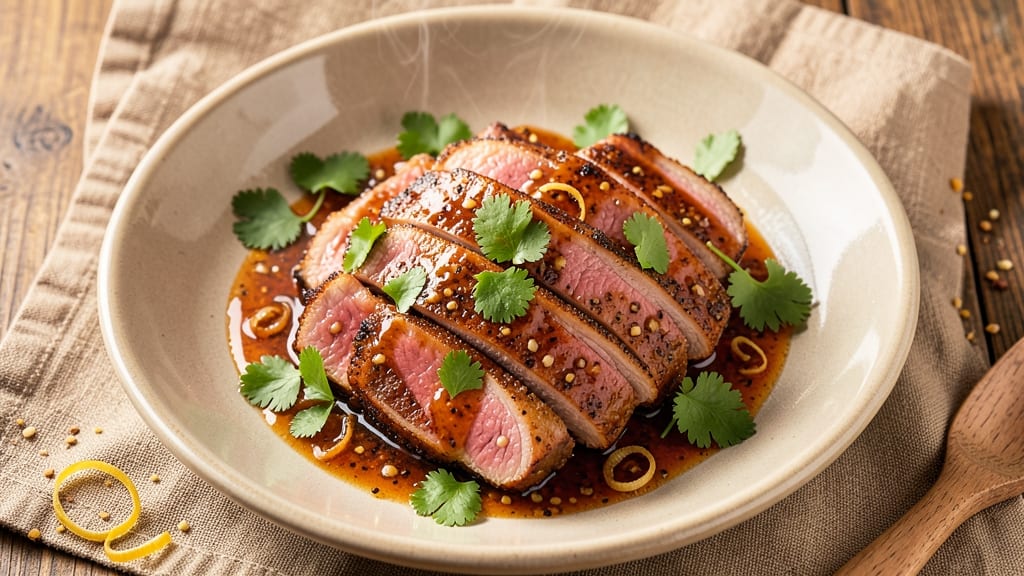
This Brazilian pork tenderloin recipe delivers crispy edges and tender meat with a citrus marinade that transforms ordinary pork into something extraordinary. After years of perfecting Brazilian churrasco techniques, I’ve simplified the process without sacrificing authenticity—just 2 hours from start to finish.
The secret lies in a tangy marinade of lime, orange, and bold spices that tenderizes while building flavor.
The cooking method is where the magic happens: searing the pork in a screaming-hot cast iron skillet creates that coveted crust, while the citrus marinade keeps the interior juicy and bright.
I’ve tested this recipe countless times, and it never fails to impress—whether you’re grilling for a crowd or treating yourself to a special weeknight dinner. The result is pork that’s crispy on the outside, melt-in-your-mouth tender on the inside, and bursting with Brazilian-inspired flavor.
What sets this recipe apart is how it balances tradition with simplicity. No complicated techniques—just a few key steps that deliver restaurant-quality results at home. The marinade works its magic overnight, so you can focus on the cooking process itself.
By the time you’re done, you’ll have perfectly seared pork slices that pair beautifully with farofa, black beans, or a fresh tropical salsa.
Serve this dish with confidence—it’s the kind of meal that makes guests ask for seconds and leaves them craving more. Whether you’re hosting a gathering or simply enjoying a special dinner, this Brazilian pork tenderloin will steal the show. Let’s get cooking!
Ingredients for brazilian pork tenderloin
Six ingredients transform ordinary pork into restaurant-quality Brazilian churrasco magic.
| Ingredient | Amount | Notes |
|---|---|---|
| Pork Tenderloin 🥩 | 2 lb | Center-cut, trimmed of fat |
| Fresh Lime Juice 🍋 | ½ cup | Strained, seeds removed |
| Fresh Orange Juice 🍊 | ½ cup | Freshly squeezed, no pulp |
| Extra-Virgin Olive Oil 🫒 | ¼ cup | High-quality, fruity |
| Garlic Cloves 🧄 | 6 cloves | Minced, fresh preferred |
| Fresh Cilantro 🌿 | ¼ cup | Chopped, stems removed |
| Ground Cumin 🌶️ | 1 tbsp | Toasted for depth |
| Smoked Paprika 🌶️ | 1 tbsp | For smoky richness |
| Kosher Salt 🧂 | 1 ½ tsp | Diamond Crystal preferred |
| Black Pepper 🌶️ | ½ tsp | Freshly cracked |
| Flour 🌾 | ¼ cup | All-purpose, for dredging |
| Cornstarch 🍚 | 2 tbsp | For extra crispiness |
| Cast Iron Skillet 🔥 | 1 whole | 12-inch, well-seasoned |
The pork tenderloin is your star—center-cut for consistent tenderness. Whole Foods or your local butcher usually carry the best cuts, but any grocery store’s pre-trimmed tenderloin works. Look for even thickness (about 1.5 inches) so it cooks uniformly. The citrus juices need to be freshly squeezed—store-bought isn’t the same. For the garlic, I always toast whole cloves in olive oil for 30 seconds before mincing (worth the extra minute). The cilantro? Fresh is non-negotiable here—dried won’t cut it for that bright Brazilian flavor.
No fresh lime? Key lime juice or bottled lime juice with no added sugar works in a pinch, but fresh is ideal. Running out of orange juice? Grapefruit juice at half the amount adds a nice tang. The smoked paprika is crucial—Penzeys or Trader Joe’s carry great options. For the dredge, mix the flour and cornstarch together (cornstarch is key for that crispy crust). Want more heat? Add a pinch of cayenne to the marinade. The cast iron skillet? Preheat it until it’s smoking hot—this is where the magic happens for that perfect crust.
Marinate the pork overnight—24 hours max—then pat dry before cooking. The marinade keeps for 3 days in the fridge, but the pork should go straight from marinade to skillet. Leftover pork? Slice thin and reheat in a screaming-hot pan for crispy edges again. Store cooked pork in the fridge for 4 days or freeze for 3 months. I always double the marinade—half for the pork, half for basting.
Why You'll Love This Recipe
- One-Pan Magic: The pork tenderloin roasts right alongside the garlic and citrus—no fancy pans, no extra dishes. I swear by this: toss the meat in olive oil, add minced garlic, and let the oven do the work while I chop veggies for the side.
- Citrus Kiss: That bright, tangy punch from lime and orange juice? It cuts through the richness of the pork like a breath of fresh air. Honestly, the first time I tasted it, I reached for seconds before the plate even hit the table.
- Weeknight Wonder: This recipe feeds four easily, but the leftovers? Even better cold the next day in sandwiches or tacos. Between us, I’ve turned last night’s dinner into today’s lunch without a second thought—just slice, reheat, and enjoy.
- Budget-Friendly Protein: Pork tenderloin is lean, affordable, and packed with flavor—no dry, boring cuts here. The garlic and citrus stretch the cost further, making it my go-to when I need a solid, satisfying meal that won’t break the bank.
Step-by-step instructions for citrus-marinated pork tenderloin
Here's how to transform simple ingredients into a restaurant-quality Brazilian-style pork tenderloin.
Create the Citrus-Marination
In a medium bowl, whisk together the 0.5 cup fresh lime juice, 0.5 cup fresh orange juice, 0.25 cup extra-virgin olive oil, 6 minced garlic cloves, 0.25 cup chopped fresh cilantro, 1 tablespoon ground cumin, 1 tablespoon smoked paprika, 1.5 teaspoons kosher salt, and 0.5 teaspoon black pepper. This vibrant marinade packs a punch of bright citrus and smoky warmth that will infuse the pork beautifully.
Place the 2 lb pork tenderloin in a resealable plastic bag and pour the marinade over it. Gently massage the marinade into the meat, ensuring it coats all sides evenly. Seal the bag and refrigerate for at least 4 hours or up to 12 hours for maximum flavor penetration. The longer it marinates, the more tender and flavorful your pork will become.
Prepare the Crispy Coating
In a small bowl, combine the 0.25 cup flour and 2 tablespoons cornstarch. This blend creates the perfect balance of crispiness and lightness for your pork's exterior. The cornstarch acts as a thickening agent that will give you that coveted crunch while keeping the interior juicy.
Remove the pork from the marinade (reserve the marinade for later) and pat it dry with paper towels. This step is crucial—any moisture left on the surface will prevent the coating from adhering properly and achieving that golden-brown crust we're after. Season the pork lightly with additional salt if desired, then dredge it thoroughly in the flour-cornstarch mixture, pressing gently to ensure an even coating.
Sear to Golden Perfection
Heat the 12-inch cast iron skillet over medium-high heat until it's hot enough to sizzle when you sprinkle in a pinch of salt. Add the coated pork tenderloin and sear for 4-5 minutes per side, turning occasionally, until it develops a deep golden-brown crust. This initial searing locks in the juices and creates that irresistible crunch.
Once the pork is well-browned on all sides, reduce the heat to medium and carefully add about ¼ cup of the reserved marinade to the skillet. Spoon this flavorful liquid over the pork as it continues to cook for another 3-4 minutes. The marinade will bubble and sizzle, creating a glossy glaze that enhances both the flavor and presentation.
Finish with Crispy Edge Magic
Transfer the pork to a cutting board and let it rest for 5-10 minutes before slicing. This resting period allows the juices to redistribute throughout the meat, ensuring each bite is moist and tender. While it rests, you can keep the skillet warm over low heat if you'd like to reheat any accumulated marinade drippings for a quick pan sauce.
Slice the pork tenderloin into ½-inch thick medallions and arrange them on a warm serving platter. The exterior should be beautifully crispy with a golden-brown crust, while the interior remains tender and juicy. Drizzle with any remaining marinade from the skillet and garnish with extra chopped cilantro for a fresh pop of color and flavor.
Pro Tips For Making Brazilian Pork Tenderloin
- Trim the Fat: Brazilian-style pork tenderloin works best when you remove any visible silver skin or excess fat—it’s not just about looks. I used to leave it on, thinking it’d add flavor, but it turns to grease in the pan and ruins the crust. A quick scrape with a knife first makes all the difference.
- Roast, Don’t Sear First: Skip the initial sear in a screaming-hot pan. Instead, start the pork tenderloin in the oven at 400°F (200°C) right away—this keeps the juices locked in while the citrus marinade works its magic. I learned this after overcooking three batches trying to get a crispy exterior early.
- Juice the Citrus Right: Roll the lime and orange hard before juicing—no blender, no strainer, just a good squeeze to break the pulp. The texture of the marinade matters: fine pulp adds body, but too much makes it watery. I now use a fork to mash the fruit first, then strain through a fine-mesh sieve for the cleanest base.
- Garlic Needs a Head Start: Crush the garlic cloves with the flat side of your knife before adding them to the oil—this releases more flavor. I used to just mince it, and the dish always tasted underwhelming. Do this step while the pork rests, and the aroma will deepen while you wait.
Wine and beer pairings for this dish
Brazilian Reds
For this citrus-forward pork, I reach for Brazilian red wines that complement the vibrant marinade without overpowering it. A Viña Solta Cabernet Sauvignon from São Paulo—with its blackberry and cassis notes—mirrors the fruitiness of the marinade while its soft tannins won’t clash with the tender meat. 🍷
If you prefer something lighter, try a Bento Gonçalves Merlot—its plum and vanilla undertones enhance the cumin and smoked paprika in the crust. Both wines are widely available at Total Wine or Kermit Lynch, and their approachable prices make them perfect for home entertaining.
Crisp Whites
Don’t overlook white wines—especially if you’re serving this with a tropical salsa or farofa. A Brazilian Verdejo like Miolo offers citrus zest and mineral notes that echo the lime and orange in the marinade. The acidity cuts through the richness of the pork beautifully. 🍷
For a more aromatic option, a Brazilian Riesling from Casa Valduga brings peach and honeyed citrus that pairs surprisingly well with the smoky paprika. Look for it at Wine.com—it’s a hidden gem that elevates the dish without competing with it.
Beer Pairings
For beer lovers, a Brazilian IPA like Devassa from Cervejaria Devassa is a game-changer. Its hoppy bitterness balances the pork’s richness, while tropical fruit notes (mango, passionfruit) complement the citrus marinade. 🍺
If you prefer something lighter, a Brazilian Pilsner such as Brahma—yes, the classic—works surprisingly well. Its clean, crisp profile lets the pork’s flavors shine while providing a refreshing contrast. For a local twist, try Skol if you’re in the Southeast, where it’s a staple at BBQ joints.
Non-Alcoholic Options
Don’t skip the drink pairings if alcohol isn’t your thing! A sparkling limeade made with fresh lime juice, soda water, and a touch of agave syrup mirrors the marinade’s brightness. Garnish with cilantro sprigs for a visual match to the dish. 💧
For something bolder, try a Brazilian caipirinha—even without alcohol. Mix lime juice, muddled mint, and a splash of ginger beer for a zesty, refreshing sipper that cleanses the palate between bites. It’s a nod to Brazil’s love of citrus and bold flavors.
Nutrition facts
Frequently asked questions
Can I use this recipe with pork loin instead of tenderloin?
While tenderloin is ideal for this recipe, you can adapt it for pork loin by adjusting the cooking time. Pork loin is thicker and denser, so increase the searing time to 6-8 minutes per side and reduce the heat slightly to medium-low for the final 5-6 minutes with the marinade. The interior should reach 145°F for safe consumption.
How do I make this recipe without a cast iron skillet?
No cast iron? No problem! Use a heavy stainless steel skillet or even a grill pan for similar results. Preheat it until smoking hot, then follow the same searing technique. If using an oven, broil the coated pork on a wire rack for 8-10 minutes at 450°F, turning halfway, until golden and crispy.
What’s the best way to reheat leftover pork?
To restore that crispy crust, slice the pork thin and reheat in a screaming-hot skillet for 1-2 minutes per side. Add a splash of water or reserved marinade to deglaze and keep it moist. Avoid microwaving—it turns the pork rubbery. For larger pieces, bake at 350°F for 10 minutes, then finish in the skillet.
Can I grill this pork instead of pan-searing?
Grilling works beautifully for this recipe. Preheat your grill to medium-high (400°F) and cook the coated pork for 4-5 minutes per side, brushing with reserved marinade in the last 2 minutes. The high heat creates the same crispy crust, while the marinade adds smoky depth. Use a meat thermometer to ensure the interior reaches 145°F.
What’s the secret to extra-crispy edges?
The key is a dry surface and high heat. Pat the pork bone-dry before dredging, and use a well-seasoned skillet or grill pan. For maximum crispiness, add 1 tablespoon cornstarch to the flour mixture. Also, sear the pork in small batches so the skillet stays hot—crowding steams instead of crisps!