
Main Courses
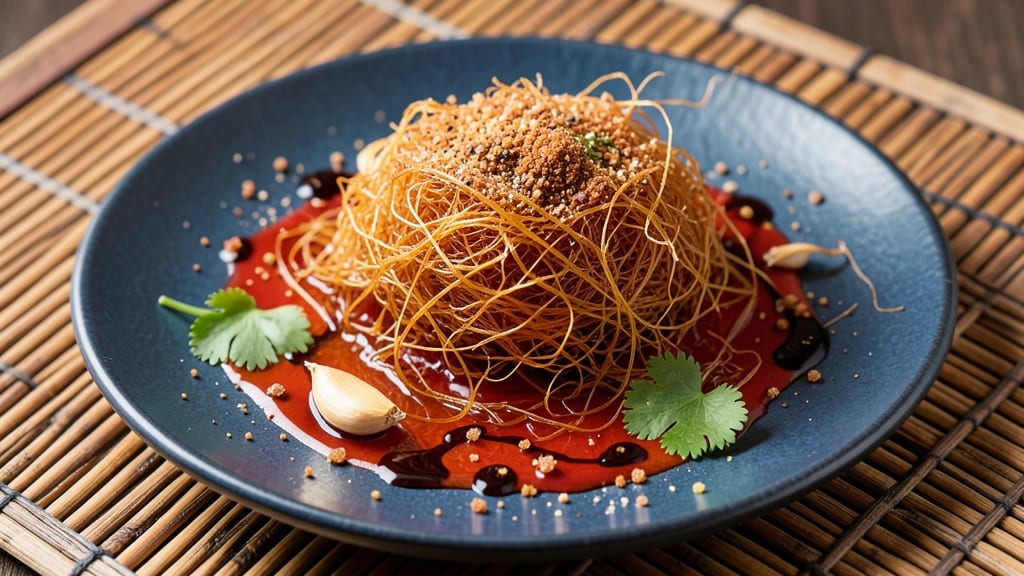
This Chinese pork floss recipe transforms simple pork shoulder into delicate, cloud-like strands that dissolve on your tongue. 💛 I first discovered this technique while traveling through Hong Kong street markets, where vendors pulled perfectly shredded pork over steaming bowls of rice.
The secret lies in slow cooking until the meat falls apart, then carefully stretching it into silky threads—no food processor needed.
The magic happens with a blend of five-spice powder and soy sauce that infuses the pork with aromatic depth. You'll start with a whole pork shoulder, braised until tender, then use a fork and your hands to pull it into those signature strands.
This method creates a dish that's both impressive and surprisingly simple, perfect for feeding a crowd or serving as a dramatic appetizer.
By the end, you'll have a dish that's light yet rich, with each strand infused with savory-sweet flavors. Serve it over rice, wrapped in lettuce cups, or as a topping for noodle bowls. The texture is unlike anything you've tried before—almost like eating cotton candy made of pork.
This recipe delivers restaurant-quality results with minimal effort, making it ideal for special occasions or when you want to impress guests. The technique may seem tricky at first, but I'll walk you through every step to ensure perfect strands every time. Let's get started!
Ingredients for chinese pork floss
Six ingredients transform pork shoulder into magical, melt-in-your-mouth strands perfect for any special occasion.
| Ingredient | Amount | Notes |
|---|---|---|
| Pork Shoulder 🥩 | 3 lb | Bone-in for flavor, cut into 2-inch chunks |
| Light Soy Sauce 🥢 | ½ cup | High-quality brand like Kikkoman |
| Five-Spice Powder 🌶️ | 2 tbsp | Toasted for deeper aroma (Sichuan blend preferred) |
| Shaoxing Wine 🍷 | ¼ cup | Substitute dry sherry if unavailable |
| Brown Sugar 🍯 | ¼ cup | Packed, light brown preferred |
| Garlic Cloves 🧄 | 6 cloves | Minced, skin-on for extra flavor |
| Fresh Ginger 🌿 | 2 tbsp | Finely grated, peel removed |
| Green Onions 🧅 | 4 whole | White and green parts separated |
| Vegetable Oil 🫒 | 2 tbsp | High smoke point for braising |
| Water 💧 | 1 cup | For deglazing |
| Sesame Oil 🥜 | 1 tbsp | Toasted, for finishing |
| Salt 🧂 | 1 ½ tsp | Kosher or sea salt |
| White Pepper 🌶️ | ½ tsp | Freshly ground preferred |
The pork shoulder is non-negotiable here—bone-in gives the best flavor, and the fat keeps the strands tender. Ask your butcher to trim excess fat but leave about 1/4-inch layer for moisture. I always grab mine from Whole Foods or Costco—their pork is consistently high-quality. For the five-spice powder, Sichuan blend has that extra cinnamon warmth, but any good brand works. Toast it in a dry pan for 30 seconds to wake up those flavors—trust me, it makes a difference. The Shaoxing wine might be tricky to find, but dry sherry is a perfect stand-in.
No five-spice powder? Mix 1 tsp each of cinnamon, cloves, fennel, and star anise—it's not identical but gets you close. Running out of Shaoxing? Dry white wine with 1 tsp sugar mimics the depth. The ginger should be fresh—dried loses its punch, but if that's all you've got, double the amount. For the green onions, use the whites in the braise and the greens for garnish. The sesame oil is purely for finishing—no need to use it in cooking. And if you're short on time, pre-minced garlic works fine here, but fresh is always better.
This pork keeps beautifully—3 days in the fridge if stored in an airtight container with a little extra braising liquid. For longer storage, freeze portions for up to 3 months. I like to portion it into single-serving bags so I can pull out just what I need. The strands reheat perfectly in a steamer basket over boiling water for about 2 minutes—no soggy texture here. Leftovers make amazing lettuce wraps or rice bowl toppings for days.
Why You'll Love This Recipe
- Few Ingredients, Big Payoff: I swear by this one—just pork shoulder, a splash of Shaoxing wine, and a pinch of five-spice powder. No fancy prep, no hidden pantry items. Honestly, the hardest part is deciding whether to marinate it overnight or just toss it together last-minute.
- Five-Spice Magic: That earthy, slightly sweet warmth from the five-spice powder? It’s the star. The pork flosses into tender strands with a crispy edge, and the brown sugar ties everything together—like a cozy hug in bite form. (Yes, even on a Tuesday night.)
- Leftover Goldmine: Make a big batch and stash it in the fridge—it reheats like a dream. Toss it into fried rice, noodles, or just eat it straight with steamed buns. I’ll be real: my freezer’s always stocked with this stuff because it’s my go-to for lazy days.
- Budget-Friendly Feast: Pork shoulder stretches further than you’d think, and the ingredients won’t break the bank. Between us, this is the kind of dish where you get restaurant-quality flavor without the price tag. Plus, it’s the kind of meal that makes you feel fancy without trying.
Step-by-step instructions for Chinese pork floss
Here's how to transform tough pork shoulder into delicate, melt-in-your-mouth strands.
🔥 Step 1: Marinate and Parboil the Pork
In a large bowl, combine the 3 lb pork shoulder, 0.5 cup light soy sauce, 2 tbsp five-spice powder, 0.25 cup shaoxing wine, 0.25 cup brown sugar, 6 cloves minced garlic, 2 tbsp grated ginger, 1.5 tsp salt, and 0.5 tsp white pepper. Mix thoroughly until the pork is fully coated in the marinade. Cover and refrigerate for at least 4 hours (overnight is best).
After marinating, bring a large pot of water to a boil. Gently add the marinated pork and simmer for 15 minutes until the surface is sealed. This step prevents the pork from shrinking too much during cooking. Drain and set aside.
🍳 Step 2: Slow-Braise Until Fork-Tender
Heat 2 tbsp vegetable oil in a large Dutch oven over medium heat. Add the parboiled pork and brown on all sides until golden. Pour in 1 cup water and bring to a simmer. Cover and transfer to a 300°F oven.
Braise for 2.5-3 hours until the pork is fork-tender and easily pulls apart. The pork should have rendered enough fat to create a rich sauce in the bottom of the pot. If the liquid evaporates before the pork is tender, add ¼ cup water as needed to keep it moist.
👨🍳 Step 3: Shred and Prepare for Stretching
Remove the pork from the oven and let it rest for 10 minutes. Using two forks, shred the pork into long, thin strands—this is where the magic happens. The strands should be about ¼-inch thick and 2-3 inches long. Discard any large fat chunks or connective tissue that won't shred easily.
Return the shredded pork to the Dutch oven and stir in the white and green parts of the 4 whole green onions. Simmer over low heat for 5 minutes to absorb the flavors. The mixture should be moist but not soupy—if it's too dry, add 1-2 tablespoons of the braising liquid.
🔥 Step 4: Stretch into Floss
Transfer the shredded pork mixture to a clean, greased baking sheet. Spread it out in an even layer and let it cool to room temperature. This cooling step is crucial—it firms up the pork so it can be stretched without tearing.
Once cool, use your hands to gently stretch and pull the pork strands into longer, thinner strands. This is where patience pays off—work in small batches to avoid tearing. The final strands should be silky and translucent, resembling delicate clouds. If the strands tear, simply fold them back together and continue stretching.
🍽️ Step 5: Finish with Sesame Oil
Heat a clean skillet over medium heat and add the stretched pork floss in a single layer. Cook for 2-3 minutes until lightly browned and heated through. Remove from heat and drizzle with 1 tbsp sesame oil, tossing gently to coat evenly.
Serve immediately while still warm. The pork floss should be tender, slightly chewy, and infused with the aromatic five-spice blend. Garnish with extra green onions if desired. This dish pairs beautifully with steamed rice or noodles to soak up the delicate strands.
Pro Tips For Making Chinese Pork Floss
- Slice Thin, Slice Even: Pork shoulder’s fat marbling is your friend, but uneven slices mean some parts cook into rubber while others stay chewy. Use a sharp knife and slice against the grain into strips about ¼-inch thick—thinner than you’d think for floss. I learned this the hard way when my first batch had a few stubborn, tough pieces hiding in the pile.
- Marinate Overnight, Not Just Hours: The five-spice powder and Shaoxing wine need time to work their magic into the pork. Toss the sliced pork with soy sauce, wine, brown sugar, and spices, then let it sit at least 12 hours in the fridge. I used to rush it, and the flavor was always just… there, not deep. Trust the fridge—your future self will taste the difference.
- Watch the Heat—Start Hot, Finish Gentle: Chinese pork floss relies on high heat to render fat and create those signature shreds, but don’t walk away. Sear the pork in a wok or skillet over maximum heat until it’s sizzling, then immediately reduce to medium-low. Too much heat too long, and you’ll end up with burnt edges and dry meat. I’ve seen this happen more times than I’d like to admit.
- Use Less Sugar Than You Think: Brown sugar caramelizes fast and can turn bitter if overcooked. Start with half the amount listed in most recipes, then add a pinch more at the end if you want extra sweetness. I used to drown the pork in sugar, and it’d clump into sticky globs instead of floss. A light hand keeps it tender and delicate.
Regional styles of these flavors
Hong Kong Street Food
This dish originated in Hong Kong's bustling street markets, where vendors would pull perfectly shredded pork over steaming bowls of rice. I remember my first bite in Kowloon Walled City—those delicate strands practically dissolved on my tongue.
The technique involves slow-braising pork shoulder until it's fork-tender, then carefully stretching it into silky threads by hand. Vendors would often serve it as a late-night snack with sweet chili sauce for dipping. 🥢
Cantonese Home Style
In Cantonese households, pork floss is often prepared for family gatherings and special occasions. The key difference is using a lighter touch when stretching the strands—Cantonese cooks prefer slightly thicker, more substantial strands that hold their shape better.
They typically serve it with congee (rice porridge) or as a topping for noodle soups. The five-spice blend is essential here, with an emphasis on star anise and cinnamon for warmth.
Taiwanese Dessert Twist
Across the strait in Taiwan, pork floss takes on a sweeter profile, often served as a dessert topping. The pork is braised with rock sugar and orange peel, then stretched into delicate strands and sprinkled over shaved ice with sweet red bean paste.
I picked up this variation from a night market in Taipei—it's like eating cotton candy with a savory depth. The texture contrast between the crisp ice and silky pork is pure magic. 🌶️
Modern Fusion Adaptations
Chefs today are putting their own spin on this classic. In New York, I've seen pork floss incorporated into ramen bowls with truffle oil and black garlic. Australian restaurants serve it as a crispy pork floss salad with pickled vegetables and chili-lime dressing.
The technique remains the same, but the flavor profiles get creative—proving this dish has endless potential beyond its traditional roots.
Southern Chinese Regional
In Guangdong province, pork floss is often prepared with preserved vegetables and fermented bean paste for a funkier flavor profile. The strands are typically served with steamed buns or as a filling for dumplings.
The braising liquid is reduced into a thick sauce that's spooned over the strands at the table. This regional style shows how versatile pork floss can be while maintaining its signature texture.
Vegetarian Alternatives
For those avoiding meat, many Chinese restaurants now offer mushroom-based versions using king oyster mushrooms or shiitake. The mushrooms are braised until tender, then stretched into strands using the same technique.
While not identical, they capture the same delicate texture and work beautifully in the same dishes. I've even seen tofu-based versions that hold up surprisingly well when properly prepared. 💡
Nutrition facts
Frequently asked questions
Why does the pork need to cool completely before stretching?
Cooling the pork to room temperature is essential because warm meat is too soft and will tear when you try to stretch it. The strands need to firm up slightly to create those signature silky threads. Think of it like working with taffy—you need the right consistency to pull it without breaking. If you're impatient, try spreading it on a tray and refrigerating for 15 minutes to speed up the process.
Can I make pork floss ahead of time?
Yes, but with some important caveats. You can prepare the braised pork and shred it up to 3 days ahead, storing it in an airtight container with some of the braising liquid. However, you should never stretch the strands ahead of time—they'll lose their delicate texture. When ready to serve, simply reheat the shredded pork and stretch it fresh. For the best results, make it the same day you plan to serve it.
What's the secret to getting perfect strands?
The key is in the stretching technique: work with small batches, use your fingertips to gently pull and twist the strands, and avoid overworking the meat. Start with strands about ¼-inch thick, then gradually pull them thinner as you get comfortable. If they tear, simply fold them back together and continue. Patience is everything—don't rush this step! The strands should be silky and translucent when done right.
Is there a quicker method than braising?
While slow-braising is traditional, you can speed things up by using a pressure cooker. Cook the pork on high pressure for 45 minutes after the initial browning, then proceed with the stretching. The texture will be slightly different but still delicious. For even faster results, some home cooks use a slow cooker on low for 6-8 hours, though the strands may be less tender. The braising method still yields the best texture for authentic results.
What are the best ways to serve leftover pork floss?
Leftover pork floss is incredibly versatile! Try it in lettuce wraps with sweet chili sauce, stir-fried with vegetables, or as a topping for noodle bowls. It also makes amazing fried rice—just toss in with scrambled eggs and your favorite veggies. For something different, use it as a filling for spring rolls or dumplings. The strands hold up well when reheated gently in a steamer.