
Main Courses
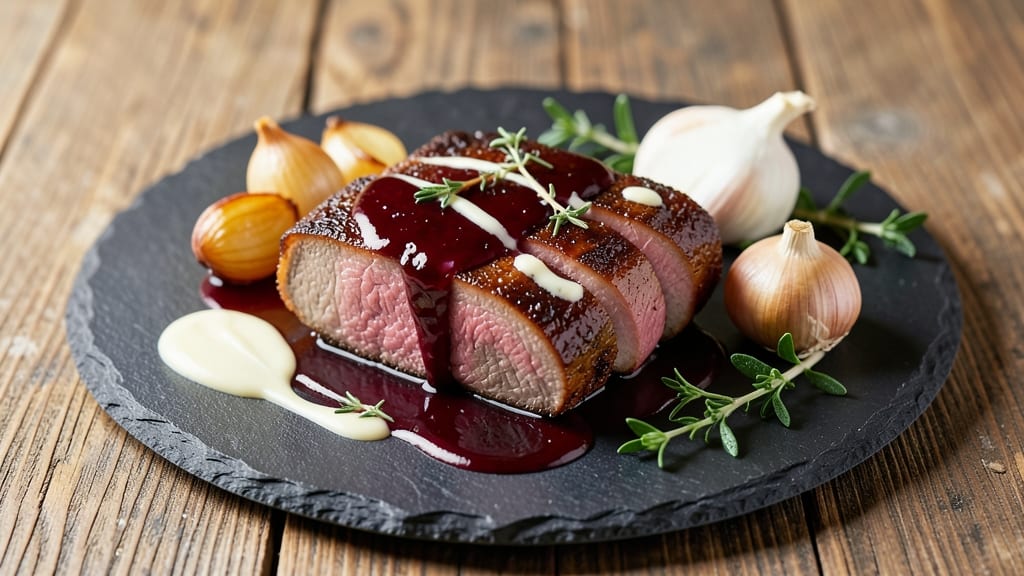
The burgundy pork tenderloin recipe transforms simple ingredients into a restaurant-worthy centerpiece that feels like a Sunday supper. 🔥 After years of perfecting this dish in my Atlanta kitchen, I’ve cracked the code for achieving tender, juicy pork with a velvety wine sauce that caramelizes beautifully in just 30 minutes.
The key? A slow sear followed by a reduction that locks in all those rich, wine-infused flavors.
This recipe balances tradition and technique—no fancy equipment needed, just a cast-iron skillet and patience. We start by searing the pork to create a flavorful crust, then finish it in the oven while building the sauce from scratch.
The burgundy wine adds depth, while aromatics like shallots and thyme create layers of complexity. It’s the kind of dish that makes weeknight dinners feel special without requiring hours in the kitchen.
What you’ll end up with is perfectly tender pork—no chewy edges here—coated in a glossy, caramelized sauce that’s rich but not heavy. The texture is what makes this recipe stand out: crispy on the outside, melt-in-your-mouth tender inside.
Serve it with roasted root vegetables or creamy mashed potatoes to soak up every last drop of that wine-infused sauce.
This is the kind of meal that impresses guests but doesn’t require a culinary degree. Whether you’re cooking for a crowd or treating yourself to a fancy dinner at home, the results are undeniably satisfying. Let’s get started—your taste buds will thank you.
Ingredients for burgundy pork tenderloin
Simple ingredients, bold flavors—this wine-braised pork tenderloin delivers restaurant-quality results in 30 minutes.
| Ingredient | Amount | Notes |
|---|---|---|
| Pork Tenderloin 🥩 | 1 ½ lb | Center-cut, trimmed of silver skin |
| Dry Red Wine 🍷 | 1 cup | Burgundy or Pinot Noir preferred |
| Shallots 🧅 | 3 whole | Minced, about 0.25 cup total |
| Fresh Thyme 🌿 | ¼ cup | Leaves only, stems removed |
| Garlic Cloves 🧄 | 4 cloves | Minced, peeled |
| Unsalted Butter 🧈 | 3 tbsp | Cold, cubed for searing |
| All-Purpose Flour 🌾 | 1 tbsp | For sauce thickening |
| Beef Stock 💧 | ½ cup | Low-sodium preferred |
| Dijon Mustard 🍯 | 1 tsp | For sauce depth |
| Olive Oil 🫒 | 1 tbsp | Extra-virgin for searing |
| Kosher Salt 🧂 | 1 ½ tsp | Diamond Crystal preferred |
| Freshly Ground Black Pepper 🌶️ | ½ tsp | Cracked peppercorns preferred |
| Fresh Parsley 🌿 | ⅛ cup | Chopped, for garnish |
The pork tenderloin is your star here—look for center-cut pieces with good marbling for juiciness. Whole Foods or Kroger usually carry premium cuts, but any quality butcher will have what you need. If your piece is uneven, trim it to an even thickness before searing. The wine matters too—bold reds like Burgundy or Pinot Noir work best, but whatever's open in your fridge will do. Just avoid anything too sweet or fruity. For the thyme, fresh is ideal, but if you're in a pinch, dried works at one-third the amount—just crush the stems to release more flavor.
No red wine? Substitute with beef stock plus 1 tbsp balsamic vinegar for depth. The Dijon mustard adds complexity, but if you're out, 1 tsp lemon juice gives a similar tang. For the shallots, yellow onions in a pinch work, but they're more aggressive in flavor. The butter should be cold and cubed—don't melt it ahead of time, or you'll lose that beautiful sear. If you're watching fat, reduce to 2 tbsp butter and add 1 tbsp olive oil instead. The flour is just for thickening, so don't skip it unless you're making a gluten-free version (in which case, use cornstarch).
This sauce gets better the next day—plan ahead if you're serving it at dinner. Store leftovers in an airtight container with a splash of wine or stock to keep it moist. Keeps 3-4 days in the fridge or 3 months frozen. For reheating, warm gently on the stove with a splash of water or stock to loosen the sauce. Garnish with fresh parsley right before serving—it brightens up the dish and makes it look restaurant-worthy. The pork reheats beautifully too, but keep it covered to prevent drying out.
Why You'll Love This Recipe
- One-Pan Magic: I swear by this for nights when I’m too tired to scrub pots—just sear the pork, deglaze with wine, and let the shallots and thyme do their thing. The pan’s already half-cleaned by the time you’re done.
- Wine-Lover’s Secret: That dry red wine isn’t just for show—it melts into the pork, turning it tender and rich without tasting like cooking wine. Honestly, I’d argue this beats takeout any day.
- Leftover Hero: Between us, this recipe makes way more than I need for dinner. The leftovers reheat beautifully—crispy edges, juicy center—so I’m basically feeding my family twice for the price.
- Date Night Ready: No one suspects how little effort went into it. The garlic and thyme smell like you slaved, but the pork comes out so good that even my picky partner asks for seconds. (Yes, even on a Tuesday night.)
Step-by-step instructions for burgundy pork tenderloin
Here's how to transform simple ingredients into restaurant-quality wine-braised pork.
🔥 Step 1: Sear the Pork Tenderloin to Lock in Juices
Heat a large skillet over medium-high heat and add the 1 tablespoon olive oil. Once shimmering, add the 1.5 lb pork tenderloin and sear on all sides for 2-3 minutes per side until golden brown. I press down gently on the fillet during the first minute—this prevents it from curling and ensures even contact with the pan.
The goal is to develop a deep mahogany crust while keeping the interior pink and tender. You'll know it's ready when the pork releases easily from the pan. Transfer to a plate and let it rest while you build the sauce.
🍳 Step 2: Build the Wine Reduction with Shallots and Thyme
In the same skillet (no need to wipe it clean—those browned bits are flavor gold), add 2 tablespoons unsalted butter and let it melt completely. Add the 3 whole shallots (minced) and cook for 3-4 minutes until softened and translucent. Stir in the 4 cloves garlic (minced) and 0.25 cup fresh thyme, cooking for 30 seconds until fragrant.
Here's the thing—don't let the garlic burn. It should smell heavenly, not acrid. Pour in the 1 cup dry red wine and scrape up all those delicious browned bits from the bottom of the pan. Let it simmer for 5-6 minutes until reduced by half and slightly syrupy.
🥘 Step 3: Thicken the Sauce with Flour and Stock
Sprinkle the 1 tablespoon all-purpose flour over the wine reduction and whisk vigorously to combine. Cook for 1 minute to toast the flour slightly—this removes the raw taste. Slowly pour in the 0.5 cup beef stock while whisking continuously to prevent lumps from forming.
Add the 1 teaspoon Dijon mustard and bring to a gentle simmer. Let it thicken for 3-4 minutes until it coats the back of a spoon. The sauce should be glossy and velvety, not grainy. If it's too thick, add 1 tablespoon water to adjust the consistency.
⏰ Step 4: Braise the Pork to Perfection
Return the pork tenderloin to the skillet and spoon the sauce generously over the top. Cover and transfer to a 350°F oven for 15-20 minutes until the internal temperature reaches 145°F and the pork is fork-tender. The sauce should be reduced and concentrated by now, clinging beautifully to the meat.
I know it seems like a short time, but trust the thermometer—pork tenderloin cooks quickly and overcooking makes it dry. The pork should be juicy with just a hint of pink in the center. Remove from the oven and let it rest for 5 minutes before serving.
🍽️ Step 5: Finish and Garnish with Herbs
Slice the pork tenderloin into ½-inch thick medallions and arrange on a warm platter. Spoon the wine sauce over the top and finish with the remaining 1 tablespoon unsalted butter (cubed). Return to the skillet for 1 minute to melt the butter and create a glossy finish.
Garnish with the 0.125 cup chopped fresh parsley and a final sprinkle of freshly ground black pepper. The dish should look elegant with that rich burgundy sauce and bright green parsley. Serve immediately with roasted vegetables or mashed potatoes to soak up every last drop of that velvety sauce.
Pro Tips For Making Burgundy Pork Tenderloin
- SEAR THE PORK HARD: Get that pan screaming hot—like, blue-flame level—before adding the pork. I used to rush this, and the meat would steam instead of develop that deep, caramelized crust that soaks up the wine sauce. Two minutes per side, no peeking.
- DEGLAZE WITH PATIENCE: After searing, don’t dump the wine in all at once. Let the shallots and garlic sizzle for 30 seconds first, then pour in just a splash of wine at a time. The slow release builds layers of flavor instead of a weak, watery sauce.
- USE STEMMED THYME: Strip the thyme leaves off the stems and save the stems—they’re packed with flavor and won’t turn the sauce into a leafy mess. Toss them in with the shallots and garlic; they’ll infuse the wine without making the dish look like a garnish experiment.
- REST THE PORK PROPERLY: Skip the "cut and serve" urge—let the pork rest for 5-10 minutes under foil. I learned this the hard way: slicing too soon sends juices everywhere, and the meat turns out dry. Even 5 minutes makes a real difference.
Serving suggestions for leftovers
Classic Comfort Sides
Nothing complements this rich pork better than creamy garlic mashed potatoes—their buttery texture soaks up the wine sauce beautifully. I make mine with Yukon Gold potatoes, roasted garlic, and a splash of heavy cream for extra decadence.
For a lighter option, try roasted root vegetables like carrots, parsnips, and celery—toss them in olive oil, thyme, and a pinch of brown sugar, then roast at 400°F for 30 minutes until caramelized. 🥔
Elegant Wine Pairings
Since the dish features burgundy wine, pair it with a bottle of Pinot Noir from the same region—its earthy notes complement the thyme and shallots perfectly. For something lighter, a Chardonnay with a touch of oak adds brightness.
Avoid heavy reds like Cabernet Sauvignon, which can overpower the delicate sauce. I always keep a Burgundy Pinot Noir on hand for this recipe—it’s my go-to for any wine-braised dish. 🍷
Bread Service
Serve with crusty baguette slices or sourdough to mop up the sauce—it’s a crowd-pleaser at any table. For extra flair, toast the bread with garlic butter and sprinkle with flaky sea salt before serving.
If you’re feeling fancy, add warm dinner rolls brushed with honey butter for a sweet contrast to the savory pork. 🥖
Vegetable Harmony
For a well-rounded plate, add sautéed green beans with almonds and lemon zest—their crisp texture balances the richness. Or try grilled asparagus with a sprinkle of Parmesan cheese and black pepper. Both sides keep the meal vibrant and nutritious without competing with the star of the show. 🌿
Cheese Course Extension
If you’re serving this as part of a multi-course meal, follow it with a triple cream cheese like Brie or Camembert—their creamy, buttery profiles echo the sauce’s richness.
For a lighter option, goat cheese with honey drizzle adds a tangy contrast. I often pair it with crackers and fresh figs for a sophisticated finish. 🧀
Nutrition facts
Frequently asked questions
Can I substitute red wine with something else if I don't have burgundy?
For a similar depth of flavor, use Pinot Noir or Cabernet Sauvignon. If you're avoiding alcohol, mix ½ cup beef stock with 1 tablespoon balsamic vinegar for tangy richness. The key is balancing acidity—never skip the wine entirely, or the sauce will taste flat.
How do I keep the pork tenderloin from drying out?
Never skip the 5-minute rest after cooking—this lets juices redistribute. Use a meat thermometer to pull it at 145°F (not 160°F), and avoid overcrowding the pan during searing. For extra insurance, brush the pork with 1 teaspoon olive oil before searing.
Can I make this recipe in a slow cooker?
Yes! Sear the pork first, then transfer it to a slow cooker with the wine, shallots, thyme, and ½ cup stock. Cook on low for 4-5 hours until tender. Finish by reducing the sauce on the stovetop with butter and flour. The texture will be slightly different but still delicious.
What's the best way to reheat leftovers?
Gently warm in a skillet with a splash of beef stock or wine over low heat for 3-4 minutes. Avoid microwaving—it makes the sauce watery. For extra richness, add a pat of butter while reheating. Store leftovers in an airtight container for up to 3 days.
Why did my sauce turn out too thin?
This usually happens if the flour wasn't toasted long enough or the sauce wasn't simmered sufficiently. For next time, whisk the flour into the butter first (make a roux), then add the wine. If it's too thin now, mix 1 teaspoon cornstarch with 1 tablespoon cold water, stir into the sauce, and simmer for 1 minute**.