
Main Courses
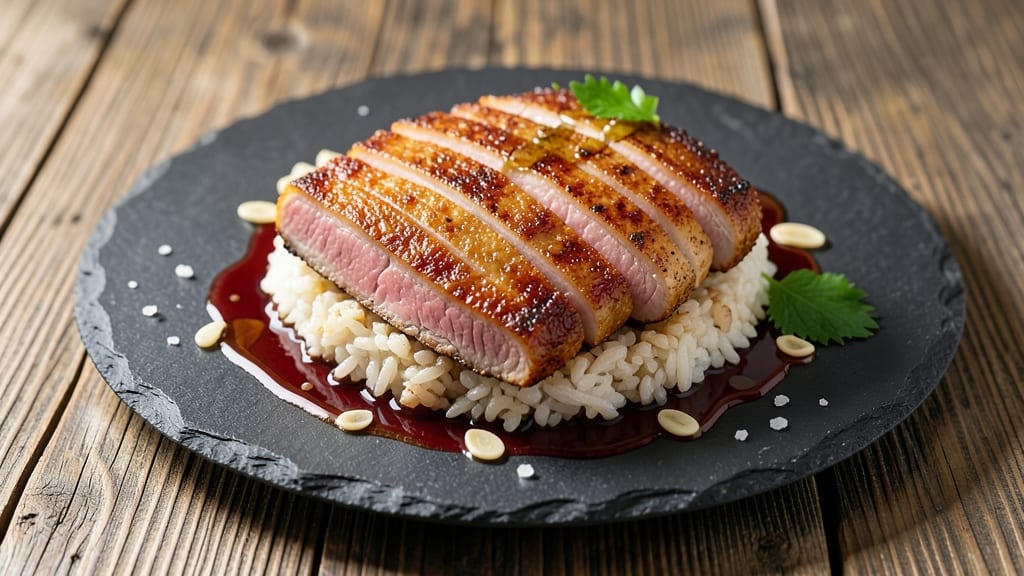
This butadon recipe with pork belly delivers the perfect balance of crispy, caramelized edges and tender, juicy meat that makes every bite unforgettable. 🔥 The secret lies in slow-cooking the pork belly until it develops that signature silky texture, then frying it to achieve a golden, crackling bark.
I've perfected this technique over years of testing—trust me, it's worth the effort. What makes this dish special is how the flavors come together: rich, savory pork belly meets aromatic garlic and soy sauce, all resting on a bed of perfectly seasoned rice.
The combination of textures and flavors creates a dish that's both comforting and exciting, perfect for family dinners or special occasions. The pork belly is the star, but the supporting ingredients elevate it to something extraordinary.
By the time you're done, you'll have a plate that's visually stunning and packed with flavor—crispy pork belly slices, fragrant garlic, and silky rice all working in harmony. This is the kind of meal that feels like a celebration, even on a regular weeknight.
The best part? It's easier than it looks, and the results are always impressive. Serve with atchara for tangy contrast or top with a fried egg for extra richness. Let's get cooking!
Ingredients for butadon recipe pork belly
Pork belly takes center stage here—crispy, caramelized, and packed with flavor. These ingredients transform simple rice into an extraordinary feast.
| Ingredient | Amount | Notes |
|---|---|---|
| Pork Belly 🥓 | 2 lb | Skin-on, fatty cut for crispy bark |
| Japanese Rice Vinegar 🍶 | ¼ cup | For tenderizing and flavor balance |
| Kosher Salt 🧂 | 2 tbsp | Diamond Crystal preferred for purity |
| Garlic Cloves 🧄 | 8 cloves | Minced for aromatic depth |
| Soy Sauce 🍶 | ¼ cup | Use light or regular, not low-sodium |
| Mirin 🍯 | ⅛ cup | For sweet-savory balance (sub honey if needed) |
| Sake 🍶 | ⅛ cup | Dry variety for clean flavor |
| Sesame Oil 🫒 | 1 tbsp | Toasted for nutty aroma |
| White Sesame Seeds 🌾 | 1 tbsp | Toasted for garnish |
| Japanese Long-Grain Rice 🍚 | 2 cups | Uncooked, for perfect texture |
| Neutral Oil 🫒 | 1 cup | Vegetable or canola for frying |
| Green Onions 🧅 | 2 whole | Thinly sliced for freshness |
| Black Pepper 🌶️ | ½ tsp | Freshly cracked for heat |
| Sugar 🍬 | 1 tbsp | Granulated for caramelization |
The pork belly is non-negotiable—skin-on, fatty cuts create that signature crackling bark. Costco or Whole Foods carry the best selections, but any butcher will cut it for you. Look for thick slices with visible fat marbling—this is what gives you that irresistible crunch. If you can't find Japanese rice vinegar, apple cider vinegar works in a pinch, though it's not identical. The garlic should be fresh—no powdered substitutes here. I always grab extra because it's the flavor backbone of the dish (and you'll want some for garnish too).
No mirin? Honey or maple syrup will do, but reduce the sugar slightly since they're sweeter. Running out of sake? Dry white wine is a solid swap—just add a splash of water to mimic sake's dilution. The sesame oil is where the magic happens—toast it gently in a dry pan before adding to the pork to deepen its flavor. If you're feeling fancy, grab toasted white sesame seeds from an Asian market—they're worth the extra effort. The rice? Jasmine works too, but Japanese short-grain is ideal for that sticky, cohesive texture.
Pork belly keeps 3-4 days in the fridge, but the skin loses crispiness after day two. Wrap it tightly in parchment paper to preserve moisture. The marinade ingredients (vinegar, soy, mirin, sake) can be prepped a day ahead and stored in the fridge—just stir before using. For the rice, cook it fresh or reheat gently with a splash of water. The fried pork belly? Eat it immediately—the crispy bark won't last beyond the first serving, but the tender meat reheats beautifully.
Why You'll Love This Recipe
- One-Pan Magic: I swear by this recipe because it’s that simple—just sear the pork belly until golden, toss it with garlic, soy sauce, and a splash of rice vinegar, then broil. No pots, no pans, no stress. The vinegar’s tang cuts through the fat, and the garlic? It caramelizes right into crispy perfection.
- Crispy-Creamy Obsession: That first bite of buttery pork belly with a crackling crust, then the tender inside—it’s the kind of contrast that makes you groan. The soy and vinegar balance the richness, so it’s never heavy. Honestly, I’ve made this for friends who aren’t even pork lovers, and they’ve come back for seconds.
- Weeknight Workhorse: Between us, this is my go-to when I’m too tired to think. Double the batch on Sunday, and you’ve got lunch and dinner covered—reheat the pork in a pan or toss it into rice bowls all week. The flavors actually improve the next day, so leftovers aren’t a chore.
- Budget Boost: Pork belly feels fancy, but it stretches further than you’d think. A single slab feeds four, and the vinegar and soy sauce are pantry staples. I’ll be real: it’s the kind of dish that makes a cheap cut feel like a splurge without breaking the bank. Plus, the leftovers freeze like a dream.
Step-by-step instructions for butadon with pork belly
This is how you get that perfect balance: shatteringly crispy pork belly bark with a melt-in-your-mouth core.
🔥 Step 1: Cure the Pork Belly for Maximum Crisp
In a large bowl, combine the 2 lb pork belly with the 0.25 cup Japanese rice vinegar, 0.25 cup soy sauce, 0.125 cup mirin, 0.125 cup sake, 1 tbsp sugar, and 0.5 tsp black pepper. Massage this marinade into the meat—get your fingers in there and really work it into all the crevices and fat layers. The acidity and sweetness will tenderize while the salt draws out moisture for that perfect crisp.
Cover the bowl and refrigerate for 24-48 hours, flipping the pork belly once halfway through. Here's the thing—don't skip this step. The longer it marinates, the more tender the meat becomes and the more flavor it absorbs. You'll know it's ready when you can smell that sweet-savory aroma wafting from the fridge.
🍳 Step 2: Render the Fat and Cook the Pork Low and Slow
Remove the pork belly from the marinade (save the liquid for another use) and pat it completely dry with paper towels. This is CRITICAL for crispy skin—any moisture left will steam instead of crisp. Place the pork belly skin-side down in a cold, heavy pot or Dutch oven. Turn the heat to medium-low and let it render its own fat for 1-2 hours, uncovered.
You're looking for the fat to render out and the skin to turn golden brown and crispy. Here's what I do: every 30 minutes, carefully flip the pork belly and spoon the rendered fat over the top. This basting creates that beautiful caramelized crust. When the skin is deep golden and the meat reaches 180°F internally, you're ready for the next step.
🥘 Step 3: Prepare the Rice and Make the Glaze
While the pork belly is cooking, prepare the rice. Rinse the 2 cups Japanese long-grain rice until the water runs clear, then cook it according to package instructions. I like mine perfectly fluffy—each grain distinct but tender.
In a small saucepan, combine the remaining marinade (about ½ cup liquid), 1 tbsp sesame oil, 8 cloves minced garlic, and 1 tbsp neutral oil. Simmer over medium heat for 5-7 minutes until reduced by half and slightly thickened. This will be your glaze—sweet, savory, and packed with umami. Thinly slice the 2 whole green onions for garnish.
🔥 Step 4: Crisp the Pork and Assemble the Butadon
Preheat your oven to 425°F. Increase the heat under the rendered pork belly to medium-high and sear the skin-side for 2-3 minutes until deeply browned and crispy. The fat should be bubbling vigorously—this is what creates that crackling bark. Transfer the pork belly to a cutting board and let it rest for 10 minutes.
Slice the pork belly into ½-inch thick slices against the grain. Arrange the rice on a large platter, then place the pork belly slices on top. Spoon the garlic glaze evenly over the pork, drizzle with any remaining rendered fat, and sprinkle with 1 tbsp white sesame seeds. Garnish with the sliced green onions and serve immediately while everything is piping hot.
Pro Tips For Making Butadon Recipe Pork Belly
- CRACK THE BELLY FIRST: Pork belly is stubborn—score the fat cap in a crosshatch pattern with a sharp knife before cooking. This lets the fat render out evenly instead of turning your pan into a grease volcano. (Yes, even if it looks messy—it’s the only way to avoid a soggy, greasy disaster.)
- SALT THE GARLIC: Crush those garlic cloves into a paste with a pinch of kosher salt before frying them. The salt draws out moisture, so they sizzle instead of steam, giving you deep, nutty flavor instead of sad, watery bits. (I used to skip this and wondered why my garlic tasted like sad, wet paper.)
- DON’T RUSH THE CRISP: Low and slow wins here—after searing the pork belly, reduce heat to medium-low and let the fat pool render for 20-30 minutes. Rushing it means a thin, brittle crust instead of that golden, shatteringly crisp layer everyone dreams of. (Patience is the difference between "meh" and "wow.")
- UPGRADE WITH VINEGAR LAST: Save a splash of Japanese rice vinegar for the very end—just a tablespoon or two tossed over the finished pork. It brightens the dish without overpowering the caramelized flavors. (Sounds simple, but I used to dump it in early and end up with a weird, tangy mess.)
Flavor customization for these flavors
Sweet & Tangy Twist
Add 1 tbsp honey to the marinade for a caramelized sweetness that pairs beautifully with the pork belly's richness. I like to balance it with 1 tsp apple cider vinegar for brightness—this combo reminds me of my first time making apple butter with Mrs. Henderson.
For extra tang, toss in 1 tbsp finely chopped atchara (Filipino pickled papaya) when assembling the dish. 🍯
Spicy Kick
Crank up the heat with 1 tbsp gochujang (Korean chili paste) mixed into the garlic glaze or sprinkle ½ tsp chili flakes over the pork slices before serving. For a smoky depth, add ½ tsp smoked paprika to the marinade.
I keep a small jar of Penzeys chili crisp on hand for quick heat boosts—it adds a perfect balance of spice and umami. 🌶️
Umami Bomb
Elevate the dish with 1 tbsp fish sauce in the marinade or glaze for an extra layer of savory depth. I also love adding 1 tbsp soy sauce-reduced mushroom broth (simmer ½ cup sliced shiitake mushrooms in ¼ cup soy sauce until thickened) to the rice before mixing.
For a quick shortcut, use 1 tsp Worcestershire sauce in the glaze. My Portland farmers market sells amazing dried shiitakes that work perfectly for this. 🍄
Herbaceous Freshness
Brighten the dish with 2 tbsp chopped cilantro or 1 tbsp Thai basil mixed into the rice. I also like adding 1 tbsp finely sliced mint leaves for a refreshing contrast.
For a more traditional touch, sprinkle ½ tsp ground black pepper and ½ tsp toasted coriander seeds (lightly crushed) over the pork slices. Fresh herbs make all the difference—my backyard garden always has plenty! 🌿
Creamy Finish
For a luxurious touch, top each serving with a soft-boiled egg (runny yolk preferred) or a dollop of sweet potato mash mixed with 1 tsp butter and a pinch of salt. I sometimes add 1 tbsp whipped cream cheese to the glaze for a silky texture.
The creaminess balances the crispy pork beautifully—perfect for when I want to make it extra special for Tom and Lily. 🍳
Smoky Charcoal
Infuse the pork with smoky depth by adding ½ tsp activated charcoal powder (food-grade) to the marinade or glaze. For a stronger effect, char 1 clove garlic in a dry pan until blackened, then mash it into the glaze.
This technique, inspired by my time in Cincinnati, adds an unexpected but delicious earthiness that pairs perfectly with the pork's richness. 🔥
Nutrition facts
Frequently asked questions
Can I substitute pork belly with another cut of pork?
The fatty marbling in pork belly is essential for that signature crispy bark and tender texture. You could try pork shoulder or pork butt, but they'll be leaner and less flavorful. If substituting, increase the fat content by adding 1 tbsp neutral oil to the marinade. Never use pork tenderloin—it's too lean and will dry out.
How do I get the pork belly extra crispy?
The secret is drying it thoroughly and cooking it skin-side down at medium-low heat for 1-2 hours to render fat. For maximum crispiness, finish with a high-heat sear in a hot skillet for 2-3 minutes before slicing. Pat the skin dry with paper towels and let it air-dry uncovered in the fridge for 30 minutes before cooking.
Can I make this dish ahead of time?
Cook the pork belly and rice separately, then refrigerate in airtight containers for up to 2 days. Reheat the pork in a skillet until crispy again, and warm the rice with a splash of water. The glaze can be made 1 day ahead and reheated gently. Never reheat pork belly in the microwave—it'll lose its crispiness!
What's the best rice for this dish?
Japanese short-grain rice is ideal for its sticky texture that holds up to the pork belly. Jasmine rice is a good substitute, but avoid long-grain varieties like basmati—they'll be too dry. For extra authenticity, use Filipino malagkit rice, which is slightly sticky and absorbs flavors beautifully. Always rinse the rice until the water runs clear before cooking.
Why does my pork belly turn out greasy?
Greasy pork belly usually means the fat wasn't rendered properly. Cook it skin-side down at low heat for 1-2 hours to render fat gradually. If it's still greasy after cooking, pat the slices dry with paper towels before serving. For extra crispiness, chill the cooked pork for 10 minutes before slicing—this helps set the fat.