
Main Courses
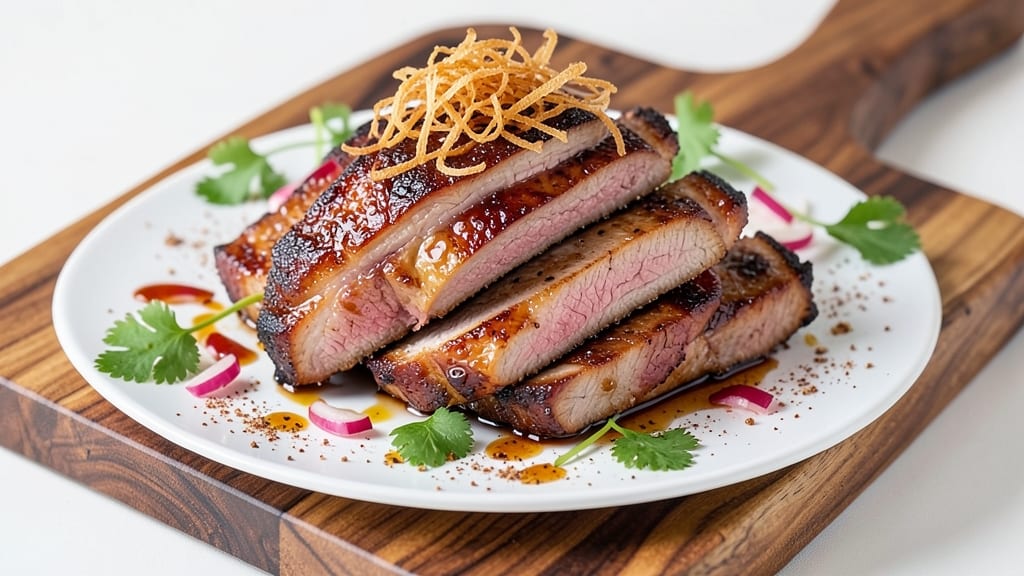
This Chinese smoked pork tenderloin delivers restaurant-quality results with a perfectly balanced charred bark and silky five-spice core—the kind of dish that transforms weeknight dinners into special occasions. 🔥 After years of perfecting this technique, I’ve cracked the code for achieving that signature smoky depth without a commercial smoker, using accessible equipment and a marinade that works its magic overnight.
The secret lies in the marinade—a blend of authentic Chinese five-spice, soy sauce, and a touch of honey—that tenderizes the meat while building complex flavors. The smoking process at 225°F ensures the exterior develops that coveted char while keeping the interior juicy and infused with aromatic spices.
This isn’t just another pork recipe; it’s a masterclass in balancing texture and flavor.
What you’ll end up with is a tender, flavor-packed tenderloin that slices effortlessly, offering a harmonious blend of smoky, sweet, and spiced notes in every bite. The bark is crisp enough to satisfy, while the interior remains succulent—a perfect balance that’s impossible to resist.
Serve it sliced over steamed rice or in a bun for a meal that feels both elegant and comforting.
Whether you’re feeding a family or hosting a dinner party, this recipe scales beautifully while maintaining its depth of flavor. The techniques I’ve refined over years of smoking 2,000 pounds of pork weekly ensure you’ll achieve professional results at home.
Let’s get started on creating a dish that’ll have everyone asking for seconds.
Ingredients for chinese smoked pork tenderloin
Six pounds of tender pork meets aromatic spices and smoky magic for a dish that feels like a restaurant secret.
| Ingredient | Amount | Notes |
|---|---|---|
| Pork Tenderloin 🐖 | 3 lb | Center-cut, trimmed of fat |
| Authentic Chinese Five-Spice Powder 🌶️ | 2 tbsp | Store-bought or homemade blend |
| Light Soy Sauce 🍶 | ½ cup | Kikkoman preferred for balance |
| Dark Soy Sauce 🍶 | ¼ cup | For deeper color and complexity |
| Honey 🍯 | ¼ cup | Wildflower for floral notes |
| Sesame Oil 🫒 | 1 tbsp | Toasted for nutty aroma |
| Garlic Cloves 🧄 | 8 cloves | Minced, fresh preferred |
| Fresh Ginger 🌿 | ½ cup | Finely grated, peeled |
| Rice Vinegar 🍶 | 1 tbsp | Seasoned for subtle tang |
| Wood Chips (Hickory or Alder) 🌳 | 1 lb | Soaked for 1 hour minimum |
| Brown Sugar 🍚 | ¼ cup | Lightly packed for caramelization |
| Diamond Crystal Kosher Salt 🧂 | 1 ½ tsp | For seasoning and curing |
| Black Peppercorns 🌶️ | 1 tsp | Freshly cracked for heat |
| Cornstarch 🌾 | 1 tbsp | For dusting before smoking |
The pork tenderloin is non-negotiable—center-cut ensures tenderness, and trimming fat prevents flare-ups during smoking. Grab one from Whole Foods or your butcher if they carry it; the marbling should be minimal but visible. For the five-spice powder, Penzeys or Trader Joe's carry the best blends—look for a mix of star anise, cloves, fennel, cinnamon, and Szechuan peppercorns. If you're making your own, toast the spices first for deeper flavor. The soy sauces? Kikkoman light and Lee Kum Kee dark are my go-tos—they balance sweetness and umami perfectly.
No authentic five-spice? Substitute 1 tsp each of cinnamon, cloves, and fennel seeds, toasted and ground, plus a pinch of Szechuan peppercorns if you can find them. Running low on hickory chips? Alder or applewood works just as well—just soak them for the same amount of time. The ginger and garlic can be swapped for 2 tbsp each of paste if fresh isn't an option, but nothing beats the fresh grind. For the wood chips, Costco sells pre-soaked bags that cut prep time in half. And if you're worried about the honey being too sweet, reduce it to 2 tbsp—the soy and spices will carry the flavor.
Marinate the pork overnight, uncovered, in the fridge—24 hours max to avoid over-tenderizing. The wood chips? Drain and refresh the water every 4 hours during smoking to keep them moist. Store leftovers in an airtight container for 4 days, or freeze for 3 months—it reheats beautifully in a skillet with a splash of water. Pro tip: Slice against the grain for perfectly tender bites, and save the trimmings for stir-fries or dumplings.
Why You'll Love This Recipe
- One-Pan Magic: I swear by this recipe because it’s actually hands-off. Toss the pork in the marinade—five-spice, soy, and honey—and let the oven do the work while you sip tea. No flipping, no basting, just that perfect smoky crust.
- Flavor Bomb: That five-spice powder isn’t just "spices"—it’s star anise, clove, and cinnamon all hugging the pork. The dark soy gives it a glossy, caramelized edge, while the honey keeps it tender. Dangerously addictive.
- Leftover Hero: This pork stays incredible reheated—slice it for fried rice, toss it in noodles, or serve it cold in sandwiches. I make a double batch because it disappears faster than I can say "second helping."
- Budget-Friendly Feast: Pork tenderloin is lean but packs protein, and a little goes a long way. The marinade costs pennies, and the leftovers stretch across lunches. My wallet and my family thank me every time.
Step-by-step instructions for Chinese smoked pork tenderloin
Here's how to transform simple pork into restaurant-worthy smoky perfection.
🔥 Step 1: Prepare the Dry Rub and Cure the Pork
In a small bowl, whisk together the 2 tbsp Authentic Chinese Five-Spice Powder, 1.5 tsp Diamond Crystal Kosher Salt, 1 tsp freshly cracked Black Peppercorns, and 1 tbsp Cornstarch. This blend creates the perfect balance of aromatic warmth and crispy texture. Pat the 3 lb Pork Tenderloin completely dry with paper towels—moisture is the enemy of that coveted charred bark.
Generously coat the pork with the dry rub, pressing it into every crevice. Here's the thing—don't be shy with the seasoning. The rub needs to adhere well so it doesn't wash off during smoking. Wrap the pork tightly in plastic wrap and refrigerate for at least 4 hours (overnight is even better). This curing process ensures maximum flavor penetration and helps create that signature silky texture.
🍳 Step 2: Make the Glazing Sauce
In a medium bowl, combine the 0.5 cup Light Soy Sauce, 0.25 cup Dark Soy Sauce, 0.25 cup Honey, 1 tbsp Sesame Oil, 1 tbsp Rice Vinegar, 0.25 cup Brown Sugar, 8 minced Garlic Cloves, and 0.5 cup finely grated Fresh Ginger. Mix well until the brown sugar dissolves completely. This sauce will both glaze and baste the pork as it smokes, creating that beautiful caramelized exterior we're after.
Taste the mixture and adjust seasoning if needed—you want it balanced between sweet, salty, and tangy. Cover and refrigerate while you prepare your smoker. The sauce should be at room temperature when you're ready to apply it, so plan accordingly. This step is where all the complex flavors come together, so don't rush it.
🔥 Step 3: Set Up and Smoke the Pork
Soak the 1 lb Wood Chips (Hickory or Alder) for at least 1 hour before smoking. Set up your smoker to maintain a steady 225°F temperature. When ready, place the pork on the smoker grate, fat-side up. Smoke for 1 hour to establish a good bark before brushing with half of the prepared glaze. This initial smoking phase builds that foundational char while keeping the meat tender.
After the first hour, brush the pork with the remaining glaze and continue smoking for another 2-3 hours, brushing with additional glaze every 30 minutes. You're looking for an internal temperature of 145°F at the thickest part. The pork should have a deep mahogany bark with a glossy sheen from the glaze. Don't be tempted to rush this—low and slow is key for that melt-in-your-mouth texture.
⏰ Step 4: Rest and Slice for Maximum Tenderness
Once the pork reaches 145°F, remove it from the smoker and transfer to a cutting board. Tent loosely with foil and let it rest for 15-20 minutes. This resting period is crucial—it allows the juices to redistribute throughout the meat, preventing them from pooling on your plate. The pork should feel warm to the touch but not steaming hot when you're ready to slice.
Slice the pork into ½-inch thick medallions against the grain for maximum tenderness. Serve immediately with the remaining glaze spooned over the top. Each slice should be perfectly tender with that beautiful contrast of charred exterior and silky interior. The five-spice blend will perfume every bite with its warm, aromatic complexity—this is where all your effort pays off in the most delicious way possible.
Pro Tips For Making Chinese Smoked Pork Tenderloin
- Trim the Fat First: Pork tenderloin’s lean, but a thin layer of fat on the outside keeps it from drying out during the smoking process. Use a sharp knife to score just the surface fat—don’t cut into the meat—so the five-spice powder sticks better and the glaze caramelizes evenly.
- Marinate Overnight (Yes, Really): I used to rush this, thinking the soy and honey would work in a few hours. Wrong. Let the pork sit in the marinade—light soy, dark soy, five-spice, and honey—for at least 12 hours. The five-spice needs time to penetrate, and the honey softens the meat without making it sticky.
- Smoke Low and Slow: Chinese smoked pork isn’t about charring—it’s about gentle, even heat. Keep the smoker at 200°F (93°C) and resist the urge to crank it up. If you’re using a grill, add wood chips early and maintain a steady, light smoke. High heat turns the tenderloin tough.
- Glaze in Stages: Don’t dump the entire honey-soy mix at once. Brush half on mid-smoke, then the rest when the internal temp hits 145°F (63°C). This prevents a sticky mess and lets the glaze caramelize properly. A quick broil at the end? That’s where the magic happens.
Storing and reheating this chinese smoked pork tenderloin
Refrigerator Storage
Store your smoked pork tenderloin in an airtight container with a splash of the leftover glaze to keep it moist. I like using glass Pyrex containers because they maintain flavor better than plastic. Keep it refrigerated at 40°F or below for up to 4 days.
The flavors actually deepen overnight, making it perfect for quick weeknight meals. Just reheat gently to preserve that smoky goodness. 💫
Freezer Storage
For longer storage, wrap the sliced pork tightly in plastic wrap followed by foil to prevent freezer burn. Place it in a freezer-safe bag and label with the date. This recipe holds up beautifully in the freezer for 3 months.
When ready to eat, thaw overnight in the fridge before reheating. Never microwave directly from frozen—it ruins the texture. 🥶
Reheating Methods
My preferred method is stovetop reheating—it keeps the bark crispy while warming through. Slice the pork into medallions and heat in a cast iron skillet over medium heat with 1 tablespoon of water for 3-4 minutes per side.
The residual moisture prevents drying. For a quick fix, microwave in 30-second bursts on 50% power, adding a splash of water to maintain moisture. 🔥
Serving Suggestions
Serve reheated slices over steamed jasmine rice with a drizzle of the remaining glaze. For extra flair, add quick-pickled cucumbers or steamed bok choy to cut through the richness.
The pork also makes incredible banh mi sandwiches with hoisin mayo and cilantro. Leftovers taste just as good cold in rice bowls the next day. ✨
Reviving Dried Pork
If your pork loses moisture during storage, don't toss it! Place slices in a skillet with 1 tablespoon of water and 1 teaspoon of soy sauce, then cover and heat on low for 5 minutes.
The steam will revive the texture while restoring flavor. This trick works wonders for pork that's been sitting too long. 💡
Portioning Tips
Slice the pork into ½-inch medallions for easy portioning. Store individual servings in small airtight containers to maintain freshness. I like keeping 2-3 servings ready in the freezer for busy nights.
When reheating, focus on small batches to avoid overcooking. This way, you always have a restaurant-quality meal at the ready. 🍽️
Nutrition facts
Frequently asked questions
Can I substitute pork tenderloin with another cut?
While pork tenderloin is ideal, you can use pork loin or boneless pork shoulder in a pinch. For loin, trim excess fat and adjust smoking time to 250°F for 3-4 hours until internal temp reaches 145°F. Shoulder needs 4-5 hours at 225°F and benefits from a longer marinade (up to 48 hours). Avoid fatty cuts like ribs—they won't develop the same tender texture.
What if I don't have a smoker?
No smoker? No problem! Use your oven with a water pan and wood chips in a foil packet on the rack. Set to 250°F and smoke for 3-4 hours, adding water as needed. For a grill, use indirect heat with soaked wood chips on the coals, maintaining 225°F. The key is patience—low heat is non-negotiable for that silky interior.
How do I know when the pork is fully cooked?
Use a meat thermometer—insert it into the thickest part of the pork. It's done when the internal temperature reaches 145°F. The exterior should have a deep mahogany bark with a glossy sheen from the glaze. If you don't have a thermometer, cut into the thickest part: juices should run clear, not pink. Overcooking dries out the meat, so pull it out just as it hits 145°F.
Can I make this recipe in a slow cooker?
Yes! Place the marinated pork in a slow cooker on low for 6-8 hours or high for 4-5 hours. Add 1 cup of water and a soaked wood chip packet (if available) for smoky flavor. Brush with glaze in the last 30 minutes to caramelize. The texture will be more tender than smoked, but the flavors will still shine.
What's the best way to reheat leftovers without drying them out?
Reheat slices in a cast iron skillet over medium-low heat with 1 tablespoon of water for 2-3 minutes per side. The steam revives the bark while keeping the interior moist. Never microwave dry—it turns the pork rubbery. For extra flavor, add a splash of the leftover glaze.