
Main Courses
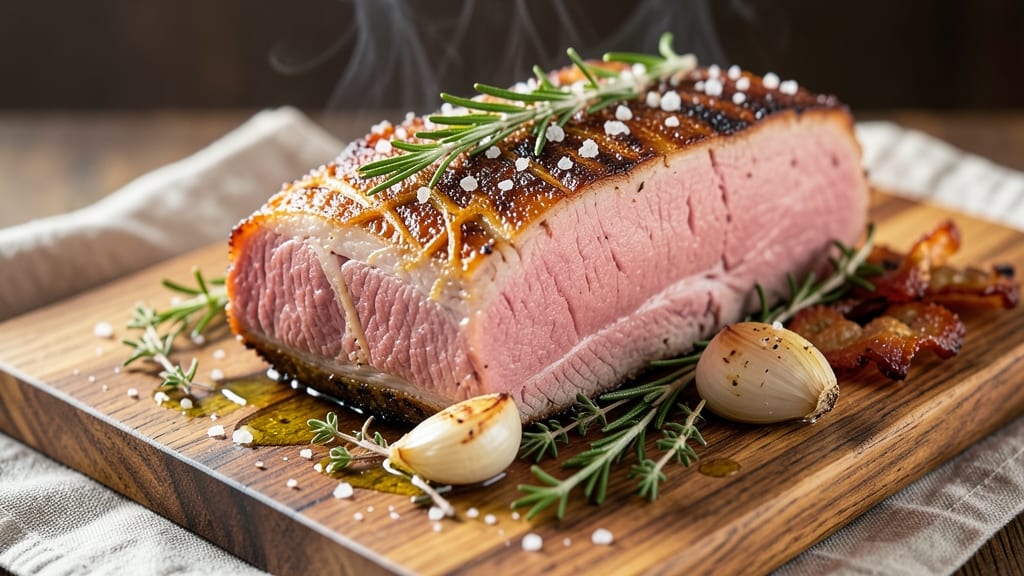
This Butcherbox pork loin roast delivers restaurant-quality juiciness in just 45 minutes, transforming a simple cut into a showstopper. 🔥 As someone who's spent years perfecting pork at The Smoky Pig, I know the secret lies in a dry-brine overnight and a fragrant herb crust that locks in moisture while creating a crispy exterior.
The result? A tender, flavorful center with a golden crust that'll have your guests asking for seconds.
The beauty of this method is its balance of tradition and simplicity. No fancy equipment needed—just a roasting pan, a few herbs, and patience for the dry-brine (which takes care of itself overnight).
We're talking medium-rare perfection at 145°F internal temperature, achieved through precise timing and a simple herb crust that adds aromatic depth without overpowering the natural pork flavor. This isn't just another pork recipe; it's a technique that elevates a basic cut into something special.
What makes this pork loin truly exceptional is how it handles after resting—those juices redistribute perfectly, ensuring every bite stays moist and flavorful. The herb crust adds visual appeal with its golden, crackling surface while contributing layers of savory, earthy notes that complement the pork's natural richness.
This is the kind of dish that transforms a weeknight dinner into a memorable meal without requiring hours in the kitchen.
Serve with roasted root vegetables or a crisp green salad to complete the plate, and you've got a main course that's impressive enough for company but simple enough for any night.
The best part? This recipe scales beautifully—whether you're cooking for two or feeding a crowd, the technique remains the same. Let's get started on creating your perfect pork loin roast.
Ingredients for butcherbox pork loin roast
Herb-infused crust meets juicy pork perfection—just 45 minutes to restaurant-quality roast.
| Ingredient | Amount | Notes |
|---|---|---|
| ButcherBox Pork Loin 🐖 | 2 lb | Bone-in, center-cut preferred |
| Kosher Salt 🧂 | 1 ½ tbsp | Diamond Crystal preferred |
| Fresh Rosemary 🌿 | ¼ cup | Finely chopped, stems removed |
| Fresh Thyme 🌿 | ¼ cup | Leaves only, finely chopped |
| Fresh Garlic 🧄 | 6 cloves | Minced, for crust |
| Extra-Virgin Olive Oil 🫒 | ¼ cup | For herb crust |
| Black Peppercorns 🌶️ | 1 tsp | Freshly cracked |
| Dried Mustard Powder 🌶️ | 1 tsp | For depth of flavor |
| Unsalted Butter 🧈 | 2 tbsp | Softened, for crust |
| Heavy Cream 🥛 | ¼ cup | For basting |
| Fresh Parsley 🌿 | ⅛ cup | Chopped, for garnish |
| Honey 🍯 | 1 tbsp | For glaze (optional) |
The ButcherBox pork loin is the star here—bone-in, center-cut for maximum flavor and moisture retention. If you can't find it pre-ordered, ask your butcher for a thick-cut loin (1.5-2 inches thick) with a good fat cap. I always grab mine from ButcherBox when possible—they source their pork from family farms, and the quality shows in the texture. For a crowd-pleasing presentation, trim any excess fat but leave a thin layer for flavor. The Diamond Crystal kosher salt is non-negotiable here—it dissolves faster than table salt, ensuring even brining. Trader Joe's carries it in bulk if you don't want to hunt down specialty stores.
No fresh rosemary? Dried works at half the amount, but trust me on this—fresh gives that piney aroma that's worth the trip to the market. Substituting thyme? Swap for 1 tbsp fresh sage if you're feeling fancy, but stick to thyme for classic herb crust vibes. The mustard powder might seem odd, but it adds a subtle tang that cuts through the richness of the pork. Short on olive oil? Avocado oil works just as well—both have high smoke points for that crispy crust. For the honey glaze, agave is a 1:1 swap if you're avoiding honey, though it lacks that floral depth. Pre-mincing garlic saves time, but if you're feeling rustic, smash the cloves with the side of your knife for a rustic texture.
This roast rests best for 15-20 minutes before slicing—don't skip this step or you'll lose those precious juices. Store leftovers in an airtight container for up to 4 days in the fridge, but honestly, it reheats better than takeout. For meal prep, slice against the grain and portion into containers with a drizzle of pan juices. Freezes beautifully for up to 3 months—wrap tightly in butcher paper before sealing in plastic. Pro tip: Save the herb crust scraps—they make killer pork fat renderings for breakfast hash the next day.
Why You'll Love This Recipe
- Minimal Prep Required: I swear by this—just season, sear, and let the oven do the work. No fancy techniques, no chopping mountains of veggies, just a quick rub of salt and herbs while the pork rests. Honestly, it’s the kind of recipe that makes me feel like a chef without the fuss.
- Herb-Crusted Magic: That rosemary-thyme crust? It’s where the real flavor lives. The garlic-infused sear locks in juices while the herbs caramelize into a fragrant, slightly crispy skin—like a hug from a French bistro, but with half the effort.
- Weeknight to Holiday: Between us, this roast works for everything. Toss it on a sheet pan for a lazy Tuesday dinner, then double it for Thanksgiving leftovers. My kids even ask for it on birthdays—yes, even when I’m serving cake.
- Leftovers That Don’t Suck: Cold slices the next day? Still tender, still packed with flavor. I’ll be real: I often make it just to have lunch ready. No sad, dry pork here—this stays juicy, and the herbs keep it interesting slice after slice.
Step-by-step instructions for herb-crusted pork loin roast
This method delivers melt-in-your-mouth pork with a fragrant herb crust and juicy core every time.
👨🍳 Step 1: Prep the Pork and Herb Crust
Pat the 2 lb ButcherBox Pork Loin completely dry with paper towels—this is crucial for that crispy crust. Place it on a cutting board and let it sit at room temperature for 30 minutes while you prep the herb mixture. In a small bowl, combine the 0.25 cup Fresh Rosemary, 0.25 cup Fresh Thyme, 6 cloves Fresh Garlic, 1 tsp Black Peppercorns, 1 tsp Dried Mustard Powder, and 0.25 cup Extra-Virgin Olive Oil. Use a fork to mash everything into a thick paste.
Here's the thing—fresh herbs make all the difference. I like to finely chop the rosemary and thyme leaves separately before mixing so they distribute evenly. The mustard powder adds a subtle tang that balances the richness of the pork. Spread this herb mixture all over the pork, pressing it gently into the surface so it sticks. This isn't just decoration; it's the flavor bomb that'll seal in moisture and create that gorgeous crust.
🔥 Step 2: Sear the Pork for Maximum Flavor
Heat a heavy oven-safe skillet over medium-high heat until it's screaming hot. Add the 2 tbsp Unsalted Butter and let it melt completely, then add the pork loin. Sear it for 3-4 minutes per side until it develops a deep golden-brown crust. You'll know it's ready when it releases easily from the pan—don't rush this step.
I press down gently on the pork during the first minute to prevent it from curling. This ensures even contact with the pan. The butter will foam up and then brown slightly—that's when you know you're getting that perfect crust. Transfer the seared pork to a plate and tent loosely with foil while you prepare the oven.
🔥 Step 3: Roast to Juicy Perfection
Preheat your oven to 400°F. Place the seared pork loin in a roasting pan and pour the 0.25 cup Heavy Cream around it (not directly on top). This creates a steam bath that keeps the meat moist. Roast for 25-30 minutes until the internal temperature reaches 145°F when measured with a meat thermometer in the thickest part.
Don't peek during cooking—every time you open the oven, you lose heat and moisture. The cream will bubble and caramelize slightly, adding depth to the flavor. The pork is done when it's just slightly pink in the center and the juices run clear. Here's where it gets fun—the crust should be crispy and golden, while the interior remains tender and juicy. If you like, brush the pork with the 1 tbsp Honey during the last 5 minutes for a subtle glaze.
⏰ Step 4: Rest and Garnish for Showstopping Results
Remove the pork from the oven and transfer it to a cutting board. Let it rest for 10-15 minutes before slicing—this is non-negotiable. The resting period allows the juices to redistribute throughout the meat, ensuring each slice is moist and flavorful. While it rests, use a sharp knife to slice the pork into ½-inch thick medallions.
Garnish each slice with the 0.125 cup Fresh Parsley right before serving. The parsley adds a fresh pop of color and brightness that cuts through the richness of the pork. Serve immediately with the pan juices spooned over the top—those flavorful drippings are pure liquid gold. The crust should be crispy enough to hold its shape, while the interior melts like butter. Trust me, this is where the magic happens.
Pro Tips For Making Butcherbox Pork Loin Roast
- USE A MEAT THERMOMETER: I learned this the hard way—pork loin looks done when it’s still overcooked. Aim for 145°F internal temp, then let it rest. No guessing, no dry meat.
- SMASH THE GARLIC: Skip the minced garlic—crush those cloves with the flat side of your knife first. The oils release better, and the flavor sticks to the pork instead of floating away in the pan.
- SALT THE PORK TWICE: Do it 24 hours ahead (if possible) and again right before roasting. The first salting seasons deep, while the second builds that crispy crust—yes, even if you’re impatient like me.
- REST IT UNDER FOIL: I used to cut into it too soon, and all the juices ran out. Give it a solid 10 minutes wrapped loosely in foil—your knife will glide through, and the meat stays moist. (Your future self will thank you.)
Serving suggestions for this recipe
Classic Sides
The herb crust on this pork loin pairs beautifully with roasted root vegetables like carrots, parsnips, and sweet potatoes—toss them in olive oil, salt, and rosemary before roasting at 400°F for 30 minutes.
The caramelized edges complement the pork's crust perfectly. For a lighter option, try a crisp green salad with arugula, shaved fennel, and lemon vinaigrette—the peppery bite cuts through the richness. 🥕
Sauce Pairings
Skip the heavy gravies and go for apple chutney or spiced cranberry sauce—both add a bright contrast to the pork's savory depth. For a quick option, mix 2 tbsp Dijon mustard with 1 tbsp honey and 1 tbsp apple cider vinegar for a tangy glaze.
The pan juices from the roast make an excellent gravy base—just deglaze the pan with ½ cup beef broth and reduce until thickened. 🍏
Beverage Matchups
A dry Riesling from Germany or a crisp Sauvignon Blanc from New Zealand balances the herbaceous notes and fatty richness of the pork.
For beer lovers, a Belgian witbier with its citrusy coriander notes or a hoppy IPA (like New Belgium Fat Tire) stands up to the crust's bold flavors. Serve everything chilled—it's all about refreshing contrast. 🍷
Plating Presentation
Slice the pork into ½-inch medallions and arrange them fan-style on a platter, drizzling pan juices over the top. Garnish with chopped parsley and a sprinkle of crushed black pepper for a restaurant-worthy finish.
For extra flair, add a thin slice of apple or a rosemary sprig alongside each serving. The golden crust should be the star—let it shine! ✨
Make-Ahead Magic
Prep the herb crust and dry-brine the pork overnight—this step is foolproof and saves time. Store the roast in the fridge until ready to cook. For meal prep, slice the cooked pork and portion it with sides in airtight containers.
Reheat in a 350°F oven for 15 minutes or microwave with a splash of water to retain moisture. Leftovers keep for 4 days—perfect for quick lunches! ⏰
Nutrition facts
Frequently asked questions
Can I use a bone-in pork loin instead of boneless?
The recipe works beautifully with bone-in pork loin! Just adjust your roasting time by 5-10 minutes since bone-in cuts require slightly longer cooking. The bone adds natural flavor and helps keep the meat moist. For a 2 lb bone-in loin, aim for 35-40 minutes at 400°F until the internal temp reaches 145°F. The bone also makes for a stunning presentation when sliced.
What if my oven runs hot or cold? How do I adjust the temperature?
Most home ovens run 25°F hotter or colder than the set temperature. For a 400°F oven that's actually 375°F, increase your oven temp to 425°F and reduce roasting time by 5 minutes. To test your oven, use an oven thermometer placed in the center rack for 20 minutes at 350°F. If it reads 375°F, your oven runs hot—compensate by lowering temps by 25°F for roasting.
Can I substitute the heavy cream with something else?
The heavy cream creates a steam bath that keeps the pork juicy. Swap it for ½ cup chicken or vegetable broth (for a lighter option) or ½ cup whole milk (for a neutral flavor). For extra richness, use ¼ cup melted butter. Just remember, the liquid should be poured around—not over—the pork to prevent steaming. The crust will still form beautifully!
Why did my pork loin come out dry?
Dry pork usually means one of three things: overcooking (check with a meat thermometer—145°F is perfect for medium-rare), not resting (always let it rest 10-15 minutes before slicing), or skipping the dry-brine. The overnight salt cure is key—it seasons deeply and helps retain moisture. For next time, try brining the pork for 12-24 hours in 1 tbsp salt per cup of water before cooking.
How do I make this recipe for a crowd?
Scale the recipe proportionally: for 8 servings, use a 4 lb pork loin and double all ingredients (including the herb crust). Roast at 375°F for 45-50 minutes to ensure even cooking. For easier slicing, ask your butcher to cut the loin into 2-inch thick medallions before cooking. Serve family-style with extra pan juices for dipping. Pro tip: Use a large roasting pan and add 1 cup broth to the pan for extra moisture.