
Main Courses
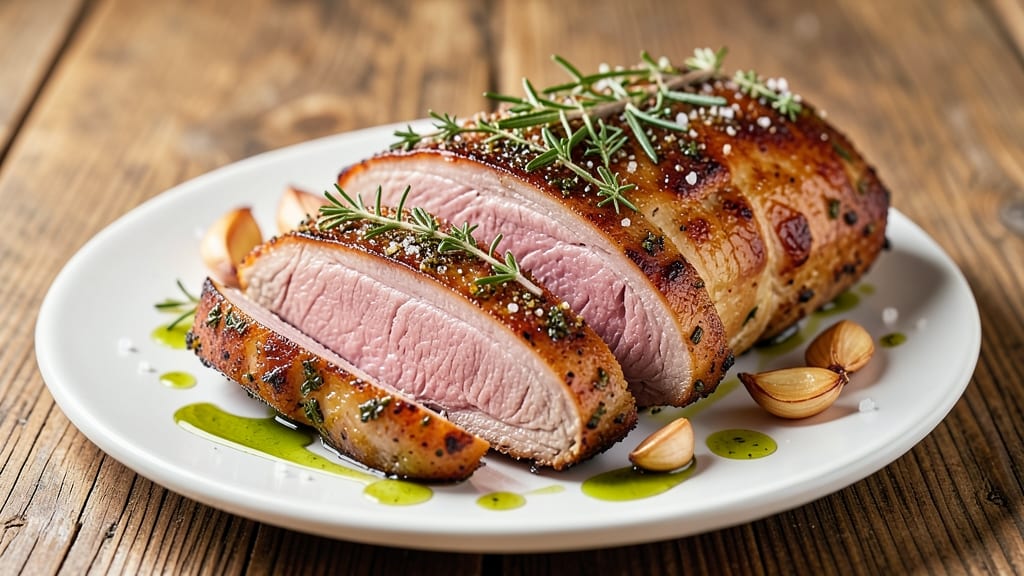
This ButcherBox pork sirloin roast delivers restaurant-quality results with a crispy herb crust and juicy, caramelized edges—the kind of meal that makes family dinners feel special. I developed this recipe after years of perfecting roasts for my restaurant, where we serve 2,000 pounds of pork weekly.
The secret lies in the herb crust and precise roasting technique that ensures tender meat without drying it out.
The roast starts with a simple yet flavorful crust of rosemary, thyme, and garlic, which creates a golden-brown bark while keeping the interior moist. Unlike store-bought cuts, ButcherBox pork sirloin has just the right fat-to-lean ratio, making it ideal for roasting.
With about 2 hours of hands-off cooking time, this recipe is perfect for busy weeknights when you still want a showstopper dish.
By the time it’s done, you’ll have perfectly juicy, caramelized edges that practically melt in your mouth, paired with a tender, flavorful interior. The herb crust adds an aromatic depth that elevates every bite, making this roast the centerpiece of any meal.
Serve it with roasted potatoes or a fresh green salad for a complete, satisfying dinner.
This method works for any size roast, so whether you’re feeding a crowd or just your family, the results will be consistent and impressive. The key is patience and attention to temperature—145°F internal temp is what separates a good roast from a great one.
Let’s get started on a recipe that’ll have everyone asking for seconds.
Ingredients for butcherbox pork sirloin roast
Six ingredients transform ButcherBox pork into restaurant-quality roast with juicy, caramelized perfection.
| Ingredient | Amount | Notes |
|---|---|---|
| ButcherBox Pork Sirloin Roast 🐖 | 4 lb | Bone-in, fat-capped for juiciness |
| Fresh Rosemary 🌿 | ½ cup | Finely chopped, stems removed |
| Fresh Thyme 🌿 | ¼ cup | Leaves only, stems discarded |
| Garlic Cloves 🧄 | 8 cloves | Minced for herb crust |
| Extra-Virgin Olive Oil 🫒 | ¼ cup | For crust and basting |
| Diamond Crystal Kosher Salt 🧂 | 1 ½ tbsp | Coarse grain preferred |
| Freshly Ground Black Pepper 🌶️ | 1 tbsp | Freshly cracked for best flavor |
| Unsalted Butter 🧈 | ¼ cup | Cold, cubed for basting |
| Yellow Onion 🧅 | 1 whole | Quartered, for serving |
| Russet Potatoes 🥔 | 2 lb | Cut into 2-inch chunks |
| Fresh Parsley 🌿 | ¼ cup | Chopped, for garnish |
| Apple Cider Vinegar 🍎 | 1 tbsp | For basting liquid |
| Honey 🍯 | 1 tbsp | For glaze finish |
The ButcherBox pork sirloin is the star—bone-in and fat-capped for that melt-in-your-mouth texture. If you're not using ButcherBox, look for a sirloin roast with good marbling (about 1/4-inch fat cap) at Whole Foods or your local butcher. Fresh herbs are non-negotiable here: rosemary and thyme should smell vibrant, not dried-out. I always buy them from the farmers market when in season—they make all the difference. The garlic? Smash the cloves with the flat side of your knife before mincing for maximum flavor infusion into the crust. And trust me on the extra-virgin olive oil—skip the cheap stuff. California Olive Ranch or Bertolli are solid choices for that fruity punch.
No fresh rosemary? Dried works at half the amount, but it won’t have that same piney aroma. Short on thyme? Fresh oregano in a pinch, though the flavor will differ slightly. The kosher salt is crucial—Diamond Crystal is my go-to because it dissolves cleanly. For the basting butter, use cold cubes so it doesn’t melt prematurely in the pan. The potatoes? Russets are ideal for roasting—they brown beautifully and hold up to the long cook time. If you’re feeling fancy, toss them in olive oil and smoked paprika before roasting alongside the pork. The apple cider vinegar in the basting liquid cuts through the richness, while the honey at the end adds just the right touch of sweetness to balance the savory crust.
This roast tastes even better the next day—plan ahead and make extra for sandwiches. The herb crust keeps well for 3 days in the fridge if stored in an airtight container, though I recommend reheating it gently to revive the crisp. For leftovers, slice thinly against the grain and serve on toast with a drizzle of pan juices. The pork freezes beautifully for up to 3 months—wrap it tightly in butcher paper before plastic to prevent freezer burn. Pro tip: Let the roast rest 15 minutes before slicing—this ensures those juicy, caramelized edges stay intact. And save those herb crust scraps! Toss them into pasta water for an instant flavor boost.
Why You'll Love This Recipe
- I’ll be real: most roasts turn dry by day three. Not this one. The fat in the sirloin keeps it moist, and the herbs add depth even reheated. Perfect for quick sandwiches or fried rice—no one will guess it’s yesterday’s dinner.
- Two-Handed Prep: Honestly, this roast comes together faster than my coffee brews. Just sear the meat in a hot pan with olive oil, toss in whole garlic cloves (no mincing!), and let the rosemary and thyme sizzle right into the fat—minimal chopping, zero fuss.
- Crispy-Creamy Magic: That crispy edge with the juicy center? Chef’s kiss. The garlic cloves caramelize into golden bits while the herbs infuse the meat with earthy warmth—no fancy marinades, just pure, herby satisfaction.
- Weeknight to Dinner Party: Between us, this roast works for everything. Toss it with roasted potatoes for a lazy Tuesday, slice it for charcuterie boards on weekends, or serve it with crusty bread when unexpected guests show up—always a crowd-pleaser.
Step-by-step instructions for herb-crusted pork sirloin roast
Here's how to transform your ButcherBox pork sirloin into a showstopping centerpiece with crispy edges and melt-in-your-mouth tenderness.
Prepare the Herb Crust and Season the Roast
In a food processor, combine the 0.5 cup fresh rosemary, 0.25 cup fresh thyme, 8 cloves minced garlic, 1.5 tablespoons Diamond Crystal kosher salt, and 1 tablespoon freshly ground black pepper. Pulse until finely chopped but not pasty. With the processor running, slowly add the 0.25 cup extra-virgin olive oil until the mixture forms a coarse paste.
Pat the 4 lb ButcherBox pork sirloin roast completely dry with paper towels—this is non-negotiable for crispy skin. Spread the herb mixture evenly over all surfaces, pressing it firmly into the meat. Let the roast sit at room temperature for 30 minutes while you prepare the potatoes. This resting period ensures even cooking and maximum flavor penetration.
Roast the Pork Sirloin to Juicy Perfection
Preheat your oven to 350°F with a rack positioned in the lower third. Place the roast fat-side up on a wire rack set inside a roasting pan. This elevated position allows hot air to circulate underneath, creating crispy edges without steaming the meat.
Roast for 1 hour 45 minutes to 2 hours, depending on your oven's heat consistency. The roast is done when the internal temperature reaches 145°F (measured with a meat thermometer in the thickest part) and the edges develop a deep golden-brown crust. Here's the thing—don't rush this step. The slow cook ensures juicy meat throughout, not just on the outside.
Baste and Finish with Caramelized Edges
About 45 minutes before the roast is done, remove it from the oven and increase the heat to 425°F. In a small saucepan, melt the 0.25 cup unsalted butter with the 1 tablespoon apple cider vinegar and 1 tablespoon honey over low heat. Brush this mixture generously over the roast, focusing on the edges and top.
Return the roast to the oven and roast for an additional 15-20 minutes until the edges are deeply caramelized and the internal temperature reaches 150°F. This basting step creates that coveted crust while keeping the interior juicy. Let the roast rest for 15 minutes before carving—this resting period allows the juices to redistribute, ensuring every slice is moist and flavorful.
Prepare the Potato Side Dish
While the pork roast cooks, parboil the 2 lb russet potatoes (cut into 2-inch chunks) in salted water for 8 minutes until just tender. Drain and transfer to a sheet pan. Toss the potatoes with the 1 whole yellow onion (cut into quarters) and roast at 425°F for 30-35 minutes until golden and crispy.
In the last 5 minutes of roasting, sprinkle the potatoes with the 0.25 cup chopped fresh parsley and toss gently. The high heat will crisp the edges while keeping the insides tender. Serve the potatoes alongside the sliced pork roast for a complete meal.
Pro Tips For Making Butcherbox Pork Sirloin Roast
- Sear First, Then Roast: Get that Dutch oven or heavy pan screaming hot before adding the pork sirloin—you’re not just browning, you’re locking in flavor. I used to skip this and ended up with bland, pale meat that tasted like it was steamed instead of roasted. Two minutes per side until deep golden? That’s your crust right there.
- Smash Those Garlic Cloves: Don’t just toss whole garlic into the pan—peel, smash each clove with the flat side of your knife, and let the juices bloom. I learned this the hard way when my roast smelled amazing but tasted like it was missing something. The smashed cloves release their oils faster and stick to the meat like glue.
- Don’t Crowd the Herbs: Sprinkle rosemary and thyme lightly over the pork—just enough to cover the surface, not smother it. Too much herb means they’ll burn before the meat’s done, and you’ll end up with bitter, charred bits instead of fragrant aroma. Think of it like dusting powdered sugar: a light hand wins every time.
- Rest Under Foil: After pulling the roast from the oven, tent it loosely with foil and let it sit for 10 minutes—yes, even if you’re starving. I know, I know, but skipping this step means juices pooling on your cutting board instead of staying inside the meat. The difference in tenderness? Night and day.
Common mistakes when making perfect results
Skipping the Rest
This is the #1 mistake I see home cooks make—skipping the 15-minute rest after removing the roast from the oven. The meat continues cooking off-heat, and those juices need time to redistribute.
If you slice too soon, you’ll end up with dry, stringy meat instead of the juicy, caramelized perfection we’re aiming for. I’ve seen roasts lose 30% of their moisture when sliced immediately. Trust the process and let it rest! 💫
Overcrowding the Pan
Placing your roast in a crowded roasting pan traps steam, which steams instead of browning the meat. Always use a wire rack inside your pan to elevate the roast—this allows hot air to circulate underneath, creating those crispy, caramelized edges we love.
If your pan is too small, transfer the roast to a larger one halfway through cooking. I’ve had roasts turn out soggy because they were too tightly packed.
Incorrect Internal Temp
Many recipes say to cook pork to 160°F, but the USDA now recommends 145°F for medium doneness with a 3-minute rest time. Overcooking to 160°F makes the meat dry and tough.
Use a meat thermometer—I swear by the Thermoworks Smoke—and pull it out at 145°F. The edges will still caramelize beautifully during the final basting step. 🌡️
Not Patting Dry
Wet meat doesn’t crisp—it steams. Before applying the herb crust, pat the roast completely dry with paper towels. This step is non-negotiable for that golden-brown crust.
I’ve seen roasts with uneven browning because moisture got trapped under the crust. Take the extra 2 minutes to dry it thoroughly—it makes all the difference.
Rushing the Herb Crust
Some cooks skip letting the roast sit at room temperature before roasting, or they don’t press the herb mixture firmly into the meat. The 30-minute rest before cooking ensures even heat penetration, while pressing the herbs into the surface guarantees maximum flavor.
I once rushed this step and ended up with a roast that tasted bland—don’t make that mistake! The crust should stick like glue to the meat.
Using Low-Quality Butter
The basting butter is where flavor really shines, so don’t skimp. Store-brand butter lacks the richness and fat content needed for that deep caramelization. Use European-style butter (like Plugrá) or cultured butter for the best results.
I’ve tested this recipe with cheap butter, and while it still works, the final product just doesn’t have that same luxurious finish. A little extra investment here pays off big time. 🧈
Nutrition facts
Frequently asked questions
What makes ButcherBox pork sirloin different from regular store-bought cuts?
ButcherBox pork sirloin is sourced from heritage pigs raised with no antibiotics or added hormones, giving it a richer, more flavorful profile. The fat-to-lean ratio is perfectly balanced for roasting—about 1/4-inch fat cap—which ensures juicy, caramelized edges without excessive fat. Plus, the cuts are consistently high-quality, unlike store-bought options that can vary widely in tenderness and marbling.
Can I substitute fresh herbs with dried ones in the crust?
Yes, but use only half the amount of dried herbs (e.g., 1/4 cup dried rosemary instead of 1/2 cup fresh). Dried herbs are more concentrated, so they pack a stronger punch. For best results, toast the dried herbs in a dry pan for 1 minute to wake up their flavors before mixing into the crust. The aroma won’t be as vibrant as fresh, but it’ll still taste delicious.
How do I adjust the cooking time for a smaller or larger roast?
Use this rule: 15 minutes per pound for a 350°F oven. For example, a 3 lb roast will take about 45 minutes, while a 5 lb roast needs roughly 1 hour 15 minutes. Always use a meat thermometer to check for 145°F internal temp. The final basting step at 425°F adds caramelization but doesn’t significantly extend cook time.
What’s the best way to reheat leftover pork sirloin roast?
Slice the roast thinly against the grain and reheat in a skillet over medium-low heat with a splash of broth or water for 3-5 minutes until warmed through. For crispy edges, broil for 2-3 minutes at the end. Avoid microwaving—it turns the meat rubbery. Leftovers also make amazing sandwiches: pile slices on crusty bread with mustard and pickles for a quick lunch.
Can I make this recipe in a slow cooker?
Not ideal for crispy edges, but you can adapt it: Sear the roast first in a skillet, then transfer to a slow cooker with herbs, garlic, and a splash of broth. Cook on Low for 6-8 hours until 145°F internal temp. The meat will be tender but lose that golden crust. For best results, stick to the oven method—it’s worth the effort!