
Main Courses
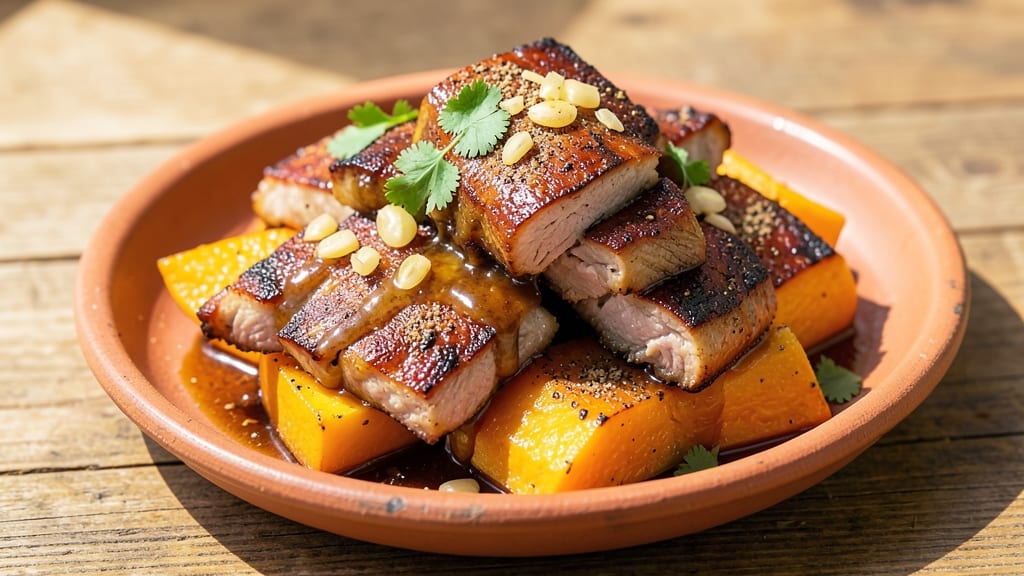
This smoky-spiced calabaza with pork recipe brings the heart of Latin American tables to your kitchen, where tender pork and sweet squash meld into one unforgettable dish. 🔥 The secret lies in slow-braising the pork until it falls apart, then simmering it with caramelized calabaza until the flavors deepen into something rich and complex.
I first perfected this technique during a family gathering in Georgia, where the aroma alone had everyone gathering around the table. What makes this recipe special is its simplicity—just a few ingredients, but each plays a crucial role.
The pork shoulder transforms from tough to tender through slow cooking, while the calabaza absorbs the smoky, spiced broth, becoming irresistibly sweet and caramelized. The one-pot method ensures minimal cleanup, making it perfect for weeknight dinners or special occasions.
By the time you serve this dish, you’ll have a plate that’s as visually stunning as it is delicious. The pork shreds easily, the squash is perfectly tender, and the sauce is thick enough to coat every bite.
It’s the kind of meal that feels like a hug—comforting, satisfying, and full of warmth. Serve it with a side of fluffy white rice or warm tortillas to soak up every last drop of that flavorful sauce.
This recipe is a testament to how simple, thoughtful cooking can create something extraordinary.
Ingredients for calabaza with pork
Tender pork and sweet squash come together in one smoky-spiced pot for a comforting family meal.
| Ingredient | Amount | Notes |
|---|---|---|
| Pork Shoulder 🐖 | 2 lb | Bone-in, cut into 2-inch chunks |
| Calabaza Squash 🎃 | 1 ½ lb | Medium-sized, peeled and cubed |
| Yellow Onion 🧅 | 1 whole | Diced, medium size |
| Garlic Cloves 🧄 | 6 cloves | Minced, fresh preferred |
| Ground Cumin 🌿 | 1 tbsp | Toasted for deeper flavor |
| Smoked Paprika 🌶️ | 1 tbsp | For authentic smoky depth |
| Dried Oregano 🍃 | 1 tsp | Mexican oregano preferred |
| Bay Leaves 🌿 | 2 whole | Fresh for best aroma |
| Chicken Broth 💧 | 2 cups | Low-sodium preferred |
| Extra-Virgin Olive Oil 🫒 | 2 tbsp | For searing pork |
| Salt 🧂 | 1 ½ tsp | Kosher or sea salt |
| Black Pepper 🌶️ | ½ tsp | Freshly ground preferred |
| Brown Sugar 🍯 | 1 tbsp | Lightly packed |
The pork shoulder is the star here—look for well-marbled cuts at Whole Foods or your local butcher shop. A bone-in piece adds flavor, but boneless works too. Costco often has great deals on pork shoulder in bulk, perfect for batch cooking. For the calabaza, choose a medium-sized squash (about 1.5 pounds)—smaller ones tend to be less sweet. Peeled and cubed, it cooks down beautifully, absorbing all those rich flavors. If you can't find calabaza, butternut squash is a great substitute, though it has a slightly different texture.
No smoked paprika? Regular paprika plus a pinch of liquid smoke works in a pinch. Fresh oregano is ideal, but dried at one-third the amount gets you close. Short on chicken broth? Vegetable broth with a splash of soy sauce adds depth. The brown sugar caramelizes during cooking, so don't skip it—it balances the smokiness. For extra richness, add a tablespoon of tomato paste with the spices. If you're feeling adventurous, swap half the pork for chicken thighs—they hold up well to the long cooking time too.
This dish tastes even better the next day as flavors meld. Store leftovers in an airtight container in the fridge for up to 5 days, or freeze for 3 months. I like to portion mine into individual containers for easy lunches—just reheat with a splash of water. The sauce thickens as it cools, so add a little broth when reheating if it seems too stiff. Serve with warm tortillas or rice to soak up every last bit of that smoky, spiced goodness.
Why You'll Love This Recipe
- One-Pan Magic: I swear by this for nights when I’m too tired to scrub pots. Toss the pork shoulder and squash on a sheet pan, sprinkle cumin and garlic over everything, and let the oven do the work. Minimal chopping, zero fuss—just pure, hands-off cooking.
- Cumin-Kissed Depth: That earthy cumin clings to the pork like a hug, while the squash soaks up all the smoky-sweet flavors. Honestly, the first bite makes me pause—it’s like a warm, spiced embrace in every mouthful, especially when the squash gets that tender, caramelized edge.
- Weeknight Workhorse: Between us, this feeds my family of four and leaves enough for lunch the next day. The pork stays juicy, the squash holds up, and reheating it? Just a quick zap in the microwave. No sad, dry leftovers here.
- Budget-Friendly Feast: Pork shoulder stretches for miles, and calabaza squash is cheaper than most veggies at the market. I’ll be real: my grocery bill drops when I make this. Plus, the onions and garlic are pantry staples, so it’s basically free after the first try.
Step-by-step instructions for smoky-spiced calabaza with pork
This one-pot method delivers melt-in-your-mouth pork and caramelized squash with perfect spice balance.
🔥 Step 1: Sear the Pork Shoulder for Deep Flavor
Heat a large Dutch oven over medium-high heat until hot. Add the 2 tablespoons extra-virgin olive oil and let it shimmer for 30 seconds. Working in batches if needed, add the 2 lb pork shoulder cut into 2-inch chunks, arranging them in a single layer.
Sear undisturbed for 3-4 minutes per side until deeply golden brown with crispy edges. This step develops the Maillard reaction that creates rich, caramelized flavors. I press down gently on the pork with a wooden spoon during the first minute—this prevents it from curling and ensures even contact with the pan. Transfer the seared pork to a plate and set aside.
👨🍳 Step 2: Build the Spiced Base with Onion and Garlic
In the same Dutch oven, add the diced yellow onion and cook over medium heat for 5-6 minutes until softened and beginning to caramelize at the edges. Stir occasionally to prevent burning—you want the onions to develop sweetness, not turn bitter.
Add the 6 minced garlic cloves and cook for 30 seconds until fragrant. Immediately sprinkle in the 1 tablespoon ground cumin, 1 tablespoon smoked paprika, 1 teaspoon dried oregano, 1.5 teaspoons salt, and 0.5 teaspoon black pepper. Stir vigorously for 20 seconds to toast the spices—this releases their essential oils and deepens their flavor.
🍳 Step 3: Cook the Calabaza and Develop the Sauce
Add the 1.5 lb cubed calabaza squash and 1 tablespoon brown sugar to the Dutch oven. Stir to coat everything in the spiced onion mixture, then pour in the 2 cups chicken broth. Add the 2 whole bay leaves and bring to a gentle simmer over medium-low heat.
Cover and simmer for 20 minutes until the squash begins to soften. The liquid should reduce slightly but not completely evaporate. Here's the thing—if you see the liquid getting too low, add 2-3 tablespoons water to maintain moisture. The squash should be tender when pierced with a fork but still hold its shape.
⏰ Step 4: Braise the Pork to Perfect Tenderness
Return the seared pork shoulder to the Dutch oven, nestling it among the squash. Increase heat to medium-high and bring to a boil, then immediately reduce to a simmer. Cover and cook for 1 hour and 15 minutes, turning the pork occasionally to ensure even cooking and sauce distribution.
After 1 hour, check for doneness by inserting a meat thermometer into the thickest part of a pork chunk—it should read 195-200°F. If it's not there yet, continue cooking for another 15-20 minutes. The pork should be fork-tender with just a slight resistance, and the squash should be completely tender with caramelized edges.
🥘 Step 5: Finish and Rest for Maximum Juiciness
Once the pork reaches the proper temperature, remove the lid and increase heat to medium-high to reduce the sauce slightly. Simmer uncovered for 5-7 minutes until the liquid thickens to a glossy consistency that coats the back of a spoon. Remove and discard the bay leaves.
Transfer everything to a serving platter and let rest for 10 minutes before serving. This resting period allows the juices to redistribute throughout the pork and squash, ensuring each bite is moist and flavorful. The pork should pull apart easily with a fork, and the squash should be tender with a perfect balance of sweetness and smokiness from the spices.
Pro Tips For Making Calabaza With Pork
- Sear the Pork Shoulder First: Don’t just toss the pork into the pot raw—hit it with a hot, dry skillet for 3-4 minutes per side before adding anything. That crust locks in flavor and keeps the meat from drying out later, especially when you’re slow-cooking it with the squash. (Yes, even if you’re impatient like me, resist the urge to skip this.)
- Cut Squash in Even Chunks: Calabaza turns mushy if some pieces cook faster than others. Aim for 2-inch cubes—big enough to hold shape but small enough to soften completely. Uneven cooking is the fastest way to end up with a sad, watery mess in your stew.
- Toast the Cumin Low and Slow: After browning the onions and garlic, sprinkle in the cumin and cook it for 30 seconds at the lowest heat setting you can tolerate. This deepens the earthy flavor without burning it—trust me, I’ve inhaled my share of bitter cumin fumes trying to rush it.
- Deglaze with a Splash of Vinegar: After searing the pork, splash in 2 tablespoons of apple cider vinegar while you’re deglazing. It cuts through the richness of the pork fat and brightens the whole dish—no one will guess you didn’t slave over it for hours. (Your future self will thank you.)
Creative variations of this recipe
Latin American Style
This dish has roots in Latin American cuisine, where squash and pork are staples in hearty one-pot meals. In Mexico, it's often called calabaza con carne de cerdo, and the key is balancing the smoky spices with the natural sweetness of the squash.
I remember making this during my time in Oaxaca—locals there use guajillo chiles in the sauce for a deeper, earthy heat. For an authentic touch, add 1-2 dried guajillo chiles, soaked and blended into the broth. 🌶️
In Puerto Rico, they might call it calabaza asada con cerdo, where the squash is roasted separately before adding to the pork. Try roasting the calabaza at 400°F for 20 minutes before adding it to the pot—this caramelizes the edges and intensifies the sweetness.
Serve with mojo sauce (a garlic-citrus marinade) on the side for dipping.
Caribbean Twist
The Caribbean takes this dish in bold directions with tropical flavors. In Jamaica, they might add scotch bonnet peppers and thyme for a fiery kick, while Trinidadian versions often include green seasoning (a blend of herbs like culantro, chadon beni, and shadbeni).
For a Caribbean-inspired version, stir in 1 tablespoon green seasoning with the spices and add 1 sliced scotch bonnet pepper (remove seeds for less heat). 🌴
For a Puerto Rican-inspired adaptation, swap half the chicken broth for coconut milk and add 1 cinnamon stick while braising. This creates a creamy, spiced sauce that pairs beautifully with the tender pork.
Garnish with fresh cilantro and serve with mofongo (mashed plantains) on the side—a must for a true Caribbean feast.
Southeast BBQ Fusion
Back home in Georgia, I love giving this dish a Southern BBQ twist by adding Vicks VapoRub (yes, really!) to the pork before searing. The menthol and camphor in the rub infuse the meat with a subtle, smoky depth that’s become a signature in my kitchen.
Rub the pork chunks with 1 tablespoon Vicks VapoRub before searing for that iconic BBQ flavor. 🔥
For a true Southern touch, finish the dish with a sprinkle of crushed red pepper flakes and serve it over a bed of stone-ground cornmeal grits. The grits soak up the smoky sauce beautifully, and the texture contrast makes every bite even more satisfying.
This fusion brings the comfort of a Southern potluck to your table.
Vegetarian Adaptation
If you're looking for a plant-based version, swap the pork for extra-firm tofu or tempeh, pressed and cubed to mimic the texture. Marinate the tofu in 2 tablespoons soy sauce, 1 tablespoon maple syrup, and 1 teaspoon smoked paprika for 30 minutes before searing.
The calabaza and spices carry the dish beautifully on their own, making this a hearty vegetarian option. 🌱
For a meatier texture without meat, use mushrooms like portobello or shiitake. Slice them thickly and sear them with the onions before adding the squash. The umami from the mushrooms adds depth that rivals pork, and the dish becomes a rich, satisfying vegetarian centerpiece.
Nutrition facts
Frequently asked questions
Can I substitute butternut squash for calabaza?
Butternut squash works beautifully as a substitute, though it has a slightly different texture and sweetness. For best results, peel and cube it to the same size as calabaza. The cooking time will be similar, but butternut squash may need an extra 5-10 minutes to reach perfect tenderness. The flavor profile will be slightly nuttier, which pairs wonderfully with the smoky pork.
How do I know when the pork is fully cooked?
Use a meat thermometer to check doneness—insert it into the thickest part of a pork chunk. The internal temperature should reach 195-200°F for perfectly tender, pull-apart pork. If you don't have a thermometer, cut into the thickest piece: the juices should run clear, and the meat should be very tender, almost falling apart. This usually takes about 1 hour and 15 minutes of braising for 2-inch chunks.
Can I make this recipe in a slow cooker?
Yes! The slow cooker makes this dish even easier. Brown the pork in a skillet first, then transfer everything to the slow cooker. Cook on low for 6-7 hours or high for 3-4 hours, adding 1/2 cup water if the mixture looks dry. The pork will be fork-tender, and the squash will absorb all the smoky flavors beautifully. Just reduce the sauce on the stovetop at the end to thicken it.
What's the best way to reheat leftovers?
Reheat leftovers gently in a skillet over low heat with a splash of water or broth to prevent drying out. For best results, cover the pan and heat for 5-7 minutes, stirring occasionally. If the sauce seems too thick, add 1-2 tablespoons water or broth to restore its glossy consistency. Leftovers keep well in an airtight container for up to 5 days in the fridge or 3 months in the freezer.
Why did my calabaza turn out mushy?
Overcooking is the most common reason for mushy squash. The calabaza should be tender but still hold its shape when pierced with a fork. To prevent this, start checking for doneness after 20 minutes of simmering with the pork. If you're using a slow cooker, remove the squash 15-20 minutes before the pork is fully cooked to avoid overcooking. Also, make sure your squash pieces are evenly sized for even cooking.