
Main Courses
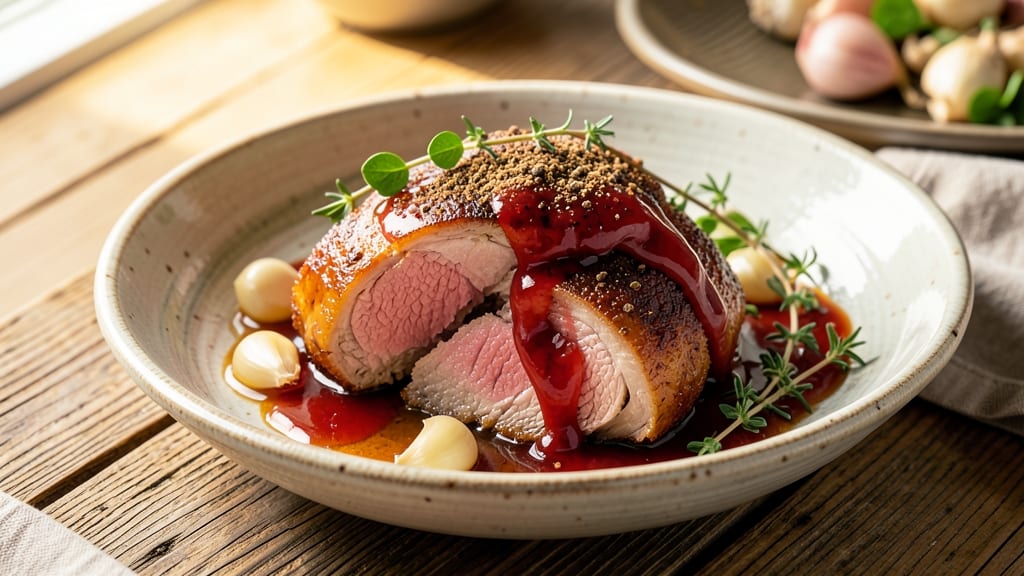
This Caribbean pork souse recipe delivers the bold, vinegar-braised crunch that defines island cuisine. 🌟 After years perfecting the balance of tangy vinegar, aromatic spices, and tender pork, I've created a one-pot method that captures the dish's soul while simplifying the process.
The secret lies in the slow simmer that transforms tough cuts into melt-in-your-mouth perfection with crispy edges.
Rooted in Caribbean tradition, pork souse combines vinegar, garlic, and warm spices like allspice and thyme to create a dish that's both comforting and complex. What makes this version special is the controlled simmering technique that develops deep flavor without overcooking the meat.
The result is pork that's tender enough to shred but holds its shape beautifully when sliced.
By the time you're done, you'll have a dish that's rich with vinegar's tang, aromatic from the spices, and satisfyingly crunchy at the edges. The pork absorbs all those flavors while maintaining its natural juiciness—a perfect balance that makes this recipe a standout for any Caribbean-inspired meal.
Serve with steamed rice, fried plantains, or crusty bread to soak up every bit of that flavorful braising liquid. This is the kind of dish that brings families together and reminds us why traditional recipes are worth preserving. Let's get cooking!
Ingredients for caribbean pork souse
Six ingredients deliver the bold, tangy crunch of authentic Caribbean pork souse.
| Ingredient | Amount | Notes |
|---|---|---|
| Pork Shoulder 🥩 | 3 lb | Bone-in, cut into 2-inch chunks |
| White Vinegar 💧 | 1 ½ cups | Distilled, not apple cider |
| Garlic Cloves 🧄 | 8 cloves | Minced, not powdered |
| Allspice Berries 🌶️ | 1 tbsp | Ground fresh for best flavor |
| Ground Thyme 🌿 | 1 tbsp | Dried, or 2 tbsp fresh |
| Ground Cinnamon 🌿 | ½ tsp | Pure cinnamon, no substitutes |
| Ground Ginger 🌿 | ½ tsp | Freshly grated preferred |
| Bay Leaves 🍃 | 2 whole | Fresh or dried |
| Onion 🧅 | 1 whole | Yellow, sliced thick |
| Carrot 🥕 | 2 whole | Medium, sliced into rounds |
| Salt 🧂 | 2 tsp | Kosher or sea salt |
| Black Peppercorns 🌶️ | 1 tsp | Freshly cracked |
| Olive Oil 🫒 | 2 tbsp | Extra-virgin for richness |
| Brown Sugar 🍯 | 2 tbsp | Light or dark, packed |
The pork shoulder is non-negotiable—bone-in cuts develop deeper flavor during the long braise. Look for marbled, well-trimmed pork at your local butcher or Costco for the best value. If buying pre-cut, ensure chunks are 2 inches or less for even cooking. The vinegar matters too: distilled white vinegar delivers the cleanest tang, while apple cider adds subtle sweetness but may alter the balance. For spices, Penzeys or bulk bins at Whole Foods offer the freshest allspice and thyme—critical for that authentic island punch. Fresh ginger and cinnamon should smell vibrant, not dusty.
No allspice? Mix ½ tsp cinnamon, ¼ tsp nutmeg, and ¼ tsp cloves for a close substitute. Running low on vinegar? White wine or apple cider vinegar work in a pinch, but reduce to 1 cup to avoid over-acidifying. Swapping brown sugar? Maple syrup or honey (½ cup) adds moisture but sweetens differently—adjust to taste. For the onion and carrot, no need to peel—just slice thickly. Baby carrots or pre-cut onions save time, but whole vegetables keep better. The olive oil is key: use extra-virgin for a fruity note that pairs beautifully with the vinegar’s sharpness.
This dish tastes even better the next day—plan ahead. Store in an airtight container in the fridge for up to 5 days, or freeze portions for 3 months. The braising liquid thickens as it cools, so add a splash of water if reheating. For crispy edges, broil for 2-3 minutes before serving. Leftovers reheat beautifully in a skillet with a splash of water or broth. Double the recipe? It freezes wonderfully for monthly Caribbean nights—just thaw overnight in the fridge.
Why You'll Love This Recipe
- No Chopping Nightmare: I swear by this recipe because the pork shoulder stays in big chunks—no knife skills required. Toss it in whole cloves of garlic and allspice berries, let the vinegar work its magic, and boom. Done.
- Tangy-Spicy Magic: That vinegar isn’t just there to pickle—it cuts through the richness of the pork while the allspice and thyme add warmth. The result? A dish that’s crisp on the outside, tender inside, and impossible to resist.
- Leftovers That Shine: I make a double batch on Sundays because this souse stays amazing for days. Cold in tacos, reheated in rice and peas, or straight from the fridge—it’s my go-to for lazy lunches without losing flavor.
- Budget-Friendly Feast: Pork shoulder is cheap, and a single cut feeds my whole family. The vinegar and spices stretch every bite, so you get restaurant-quality flavor without the price tag. Plus, it’s the kind of dish that makes you look like a hero.
Step-by-step instructions for Caribbean pork souse
Here's how to create tender, vinegar-braised pork with a perfect balance of sweet and spicy Caribbean flavors.
🍳 Step 1: Sear the Pork Shoulder for Deep Flavor
Heat a heavy pot like a Dutch oven over medium-high heat. Add the 2 tbsp olive oil and let it shimmer for 30 seconds. Add the 3 lb pork shoulder in a single layer, working in batches if needed, and sear for 4-5 minutes per side until deeply golden brown.
Don't rush this step—the Maillard reaction happening on the surface creates complex flavors that will infuse the vinegar braise. Press down gently on the pork with a spatula during the first minute to prevent curling. Once all pieces are browned, transfer them to a plate and set aside.
👨🍳 Step 2: Build the Spiced Vinegar Base
In the same pot, reduce heat to medium and add the 1 whole onion and 2 whole carrot sliced into rounds. Cook for 5 minutes until softened and beginning to caramelize. Add the 8 cloves minced garlic cloves and cook for 30 seconds until fragrant.
Stir in the 1 tbsp ground thyme, 1 tbsp ground allspice berries, 0.5 tsp ground cinnamon, 0.5 tsp ground ginger, 2 whole bay leaves, 2 tsp salt, and 1 tsp freshly cracked black peppercorns. Cook for 1 minute to toast the spices and release their aromas.
🍳 Step 3: Braise with Vinegar and Brown Sugar
Pour in the 1.5 cups white vinegar and scrape up any browned bits from the bottom of the pot. Add the 2 tbsp packed brown sugar and stir until dissolved. Return the pork shoulder to the pot, along with any accumulated juices.
Bring the mixture to a gentle simmer over medium-low heat. The liquid should bubble softly—if it's boiling vigorously, reduce the heat. Cover the pot and simmer for 1 hour and 30 minutes, turning the pork occasionally to ensure even cooking.
⏰ Step 4: Develop the Perfect Texture
After the initial braising time, check the pork for tenderness. It should be fork-tender but not falling apart. If it's not quite there, continue cooking for another 30 minutes to 1 hour, checking periodically. The pork is ready when it reaches an internal temperature of 195-200°F.
Here's the thing—this is where the magic happens. The vinegar breaks down the connective tissue, creating that signature tender yet slightly crisp exterior. If the liquid reduces too much, add ¼ cup water to maintain moisture. The final texture should be fork-tender with a slight bite from the vinegar braise.
🍽️ Step 5: Rest and Serve with Confidence
Remove the pork from the pot and let it rest for 15 minutes before slicing. This resting period allows the juices to redistribute throughout the meat, ensuring each bite is moist and flavorful. Skim any excess fat from the braising liquid if desired.
Slice the pork against the grain into ¼-inch thick slices. Serve the pork with the braising liquid ladled over the top. The souse should have a perfect balance of tender pork, sweet and tangy vinegar, and aromatic spices. This dish pairs beautifully with steamed rice, fried plantains, or crusty bread to soak up all that delicious sauce.
Pro Tips For Making Caribbean Pork Souse
- Trim the Fat First: Cutting a ½-inch layer off the pork shoulder before cooking keeps the meat tender and prevents greasy souse. I learned this the hard way—skipping it leads to a mushy, oil-slicked mess that’s hard to salvage.
- Toast the Spices: Dry-toast the allspice berries and ground thyme in a pan for 30 seconds until fragrant. This wakes up their flavors and makes the whole dish taste more vibrant—no, your nose isn’t fooling you.
- Simmer Slow and Steady: Keep the heat at a gentle simmer (small bubbles, not a rolling boil) after the first 20 minutes. Rushing it turns the vinegar sharp and the pork rubbery—your patience here is non-negotiable.
- Strain the Vinegar: Pour the white vinegar through a fine-mesh strainer before adding it to the pot. This removes any sediment that’ll make your souse cloudy and bitter—trust me, you’ll notice the difference.
Best sauces and condiments for this dish
Classic Caribbean Vinegar Sauce
This is the heart of your souse—the aromatic blend of white vinegar, brown sugar, and spices that transforms tough pork into tender, flavorful bites.
I like to use distilled white vinegar for its clean tang, but a splash of apple cider vinegar (about ¼ cup) adds subtle sweetness if you want to mellow the acidity.
The brown sugar (not white) adds depth and helps caramelize slightly during the braise, creating a glossy, slightly sticky sauce. 🌶️
For extra complexity, toast the spices in the pot for 1-2 minutes before adding the vinegar. This releases their essential oils and creates a fragrant base. If you're feeling adventurous, add 1-2 star anise pods or ½ tsp cloves to the spice mix—they dissolve beautifully and add warmth.
Always taste the sauce before serving; adjust with a pinch of salt or a drizzle of honey if needed.
Spicy Mustard Glaze
This tangy, slightly spicy glaze elevates souse to restaurant-quality. Mix 2 tbsp Dijon mustard, 1 tbsp apple cider vinegar, 1 tbsp honey, ½ tsp smoked paprika, and a pinch of cayenne pepper.
Simmer for 3-4 minutes until thickened, then drizzle over sliced pork just before serving. The mustard adds depth, while the honey balances the vinegar’s sharpness. For extra heat, add ½ tsp hot sauce or a dash of Tabasco. ✨
Pro tip: Brush the glaze onto the pork during the last 10 minutes of braising if you want it to caramelize slightly. This creates a sticky, glossy finish that clings beautifully to the meat.
I often serve this glaze on the side for dipping—it’s perfect for soaking up with crusty bread or fried plantains.
Sweet Plantain Mango Salsa
This vibrant salsa cuts through the richness of the pork while adding a tropical twist. Dice 1 ripe mango, ½ cup green bell pepper, ¼ cup red onion, and ½ cup diced ripe plantains.
Mix with 2 tbsp lime juice, 1 tbsp chopped cilantro, ½ tsp ground allspice, and a pinch of salt. Let it sit for 15 minutes to let the flavors meld. The natural sweetness of the mango and plantain balances the vinegar’s tang perfectly. 🌿
For a smoky variation, grill the plantains and bell peppers before dicing. This adds a charred depth that pairs wonderfully with the souse. Serve this salsa on top of the pork or alongside for a fresh, bright contrast.
It’s especially refreshing during hot summer months when you want to keep the meal light.
Coconut Milk Reduction
For a richer, creamier sauce, reduce 1 cup coconut milk with 1 tbsp brown sugar and ½ tsp ground cinnamon until thickened (about 10 minutes on medium heat). Stir in 1 tbsp lime juice and ½ tsp salt for brightness.
This sauce adds a luxurious texture while keeping the dish true to Caribbean roots. The coconut milk softens the vinegar’s sharpness and adds a subtle tropical note. 🥥
Use this reduction as a drizzle over sliced pork or as a base for a creamy souse stew. It’s also fantastic for serving with rice or as a dip for fried dumplings.
If you’re serving guests who prefer milder flavors, this is a crowd-pleaser. For extra richness, stir in 1 tbsp butter at the end for a velvety finish.
Nutrition facts
Frequently asked questions
What cut of pork works best for Caribbean pork souse?
Use a bone-in pork shoulder (like the Boston butt) for the best results. The bone adds flavor, while the fat keeps the meat moist during the long braise. A 3 lb cut yields about 6 servings when sliced. If you prefer boneless, a pork butt or picnic roast works too—just trim excess fat to prevent greasiness in the vinegar braise.
Can I make pork souse without vinegar?
Traditional souse relies on vinegar for its signature tang, but you can substitute with white wine or lemon juice (reduce by ¼ cup). For a milder version, use apple cider vinegar or rice vinegar, but expect a slightly sweeter profile. The acidity is key—without it, the dish loses its signature balance of sweet, spicy, and tangy flavors.
How do I know when the pork is fully cooked?
The pork is done when it reaches an internal temperature of 195-200°F and is fork-tender but not falling apart. For best texture, let it rest for 15 minutes before slicing. If using a meat thermometer, insert it into the thickest part of the meat—avoid touching the bone. Overcooking can make the edges dry, so monitor closely during the last 30 minutes of braising.
Can I prepare pork souse ahead of time?
This dish tastes even better the next day. Store in an airtight container in the fridge for up to 5 days or freeze for 3 months. The flavors deepen as the vinegar and spices meld. Reheat gently in a skillet with a splash of water or broth to restore moisture. For extra crispiness, broil for 2-3 minutes before serving.
What sides pair best with Caribbean pork souse?
Classic pairings include steamed white rice, fried plantains, or crusty bread to soak up the braising liquid. For a complete meal, add a simple green salad with lime dressing or a side of black beans. The tangy, spiced pork also works well with roasted sweet potatoes or grilled corn—anything that complements the dish’s bold flavors without overpowering them.